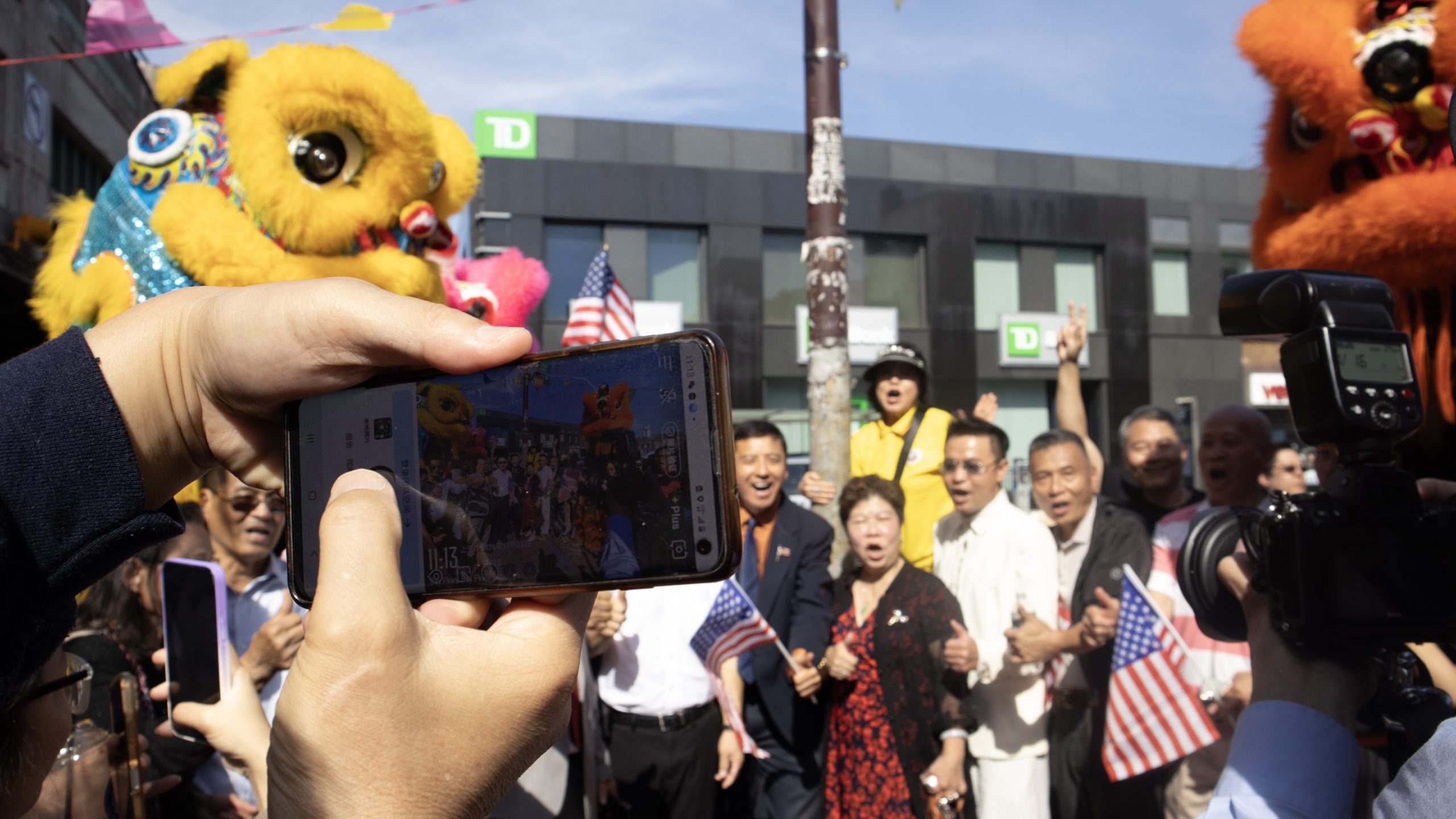


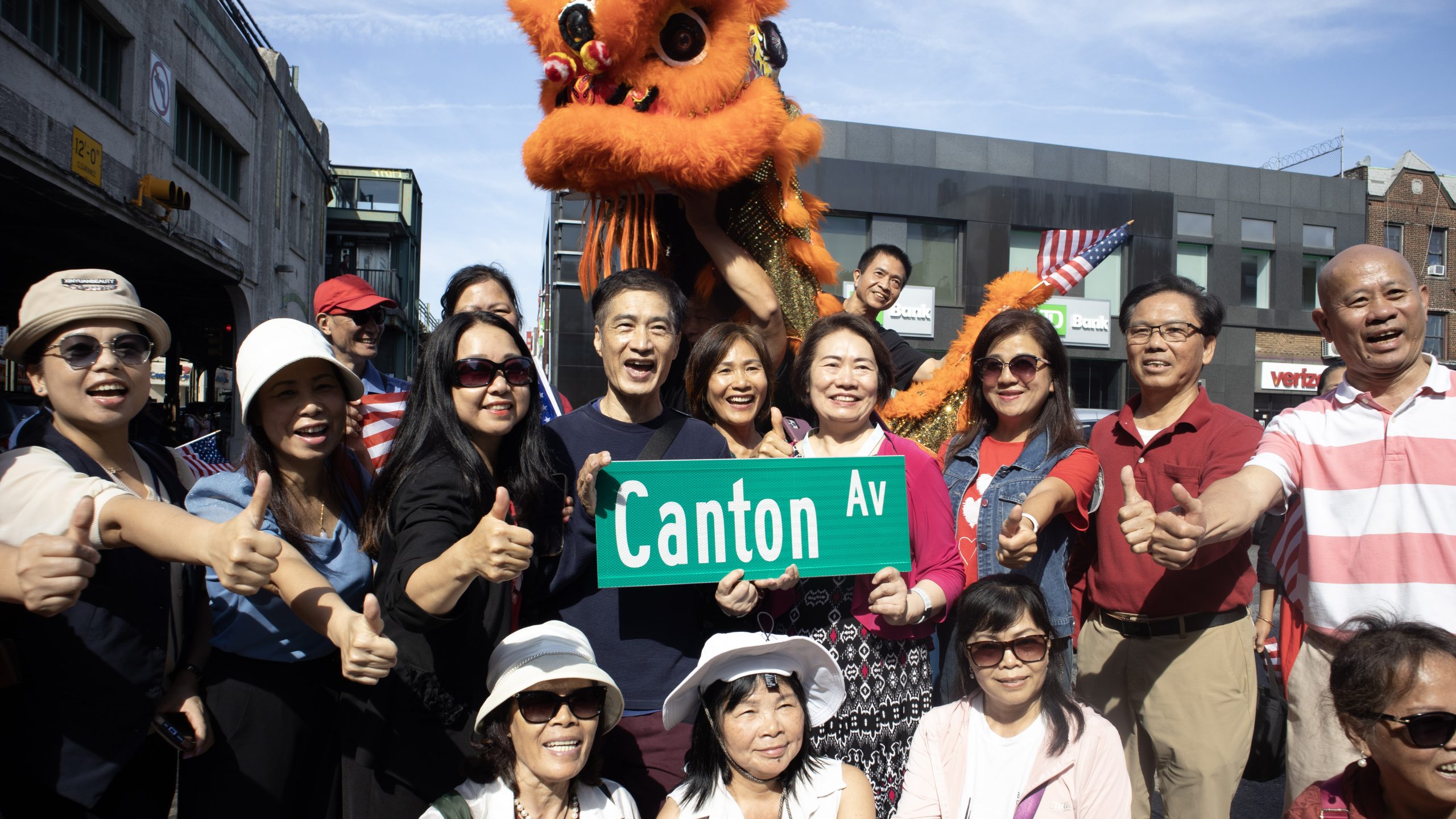


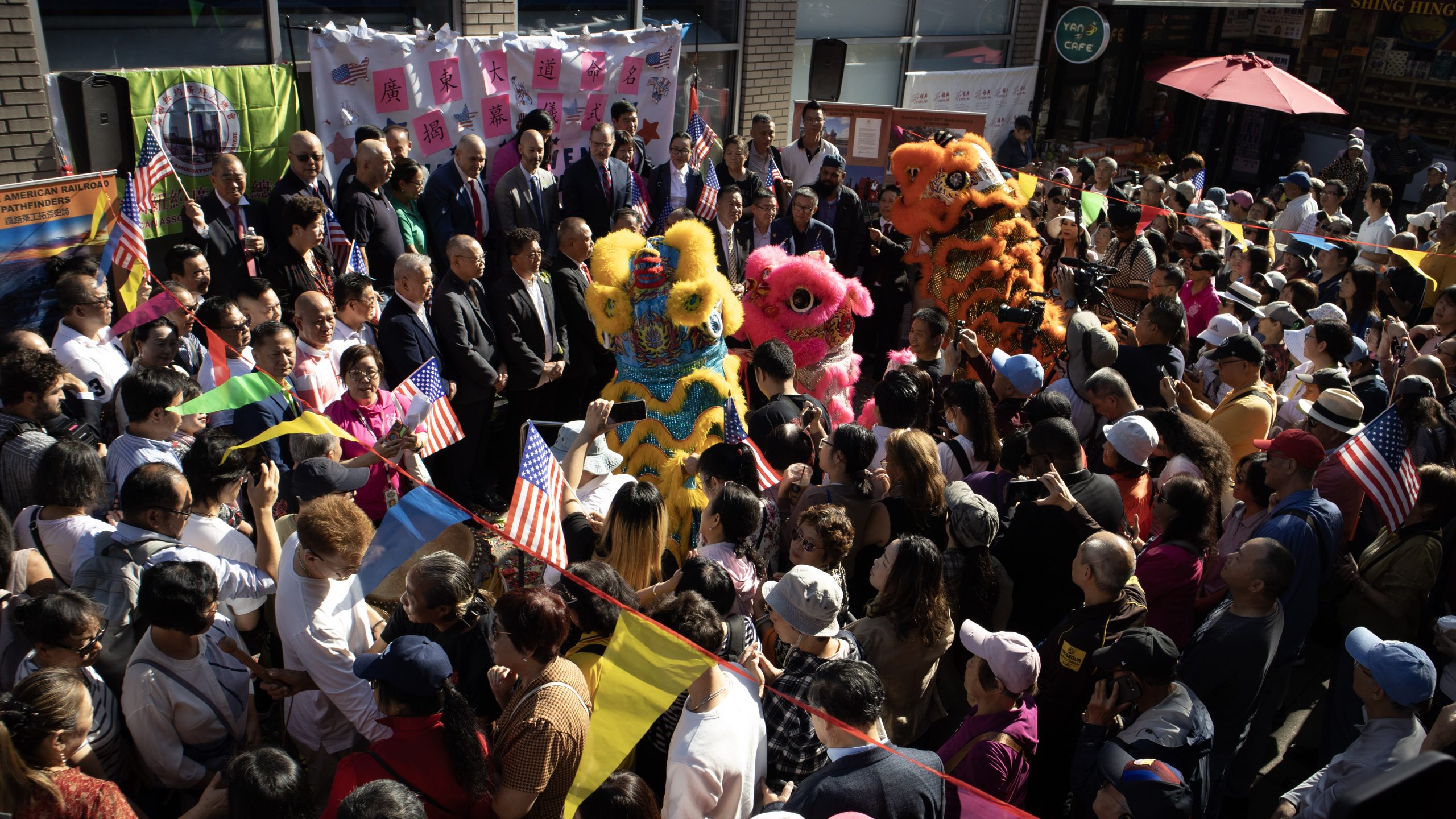
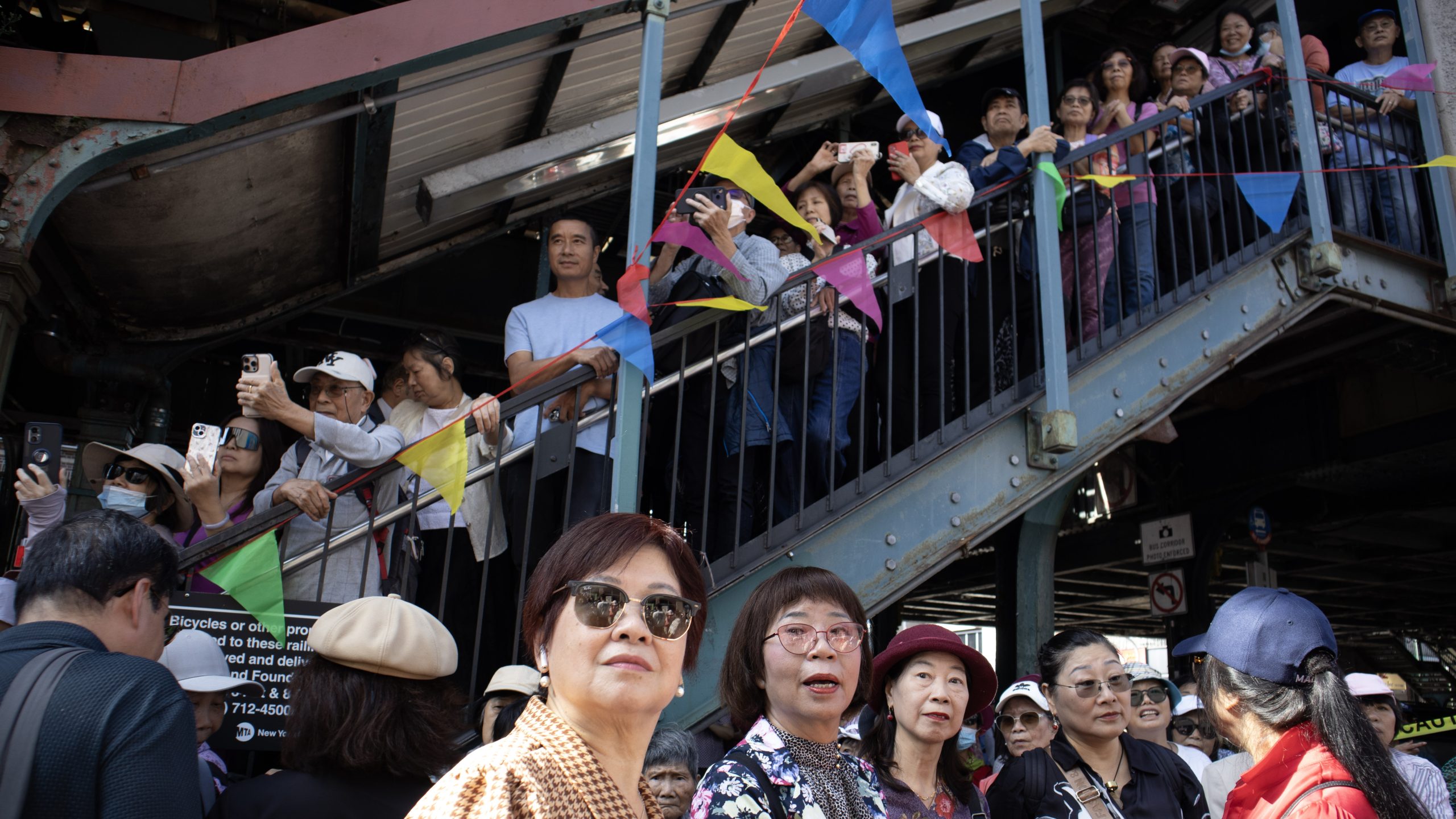
Confetti filled the sky. Drums and gongs echoed down the street, punctuated by the sounds of laughter, Cantonese songs and exuberant cheering. Hundreds of Chinese residents in Bensonhurst gathered to celebrate a new connection to their community’s history.
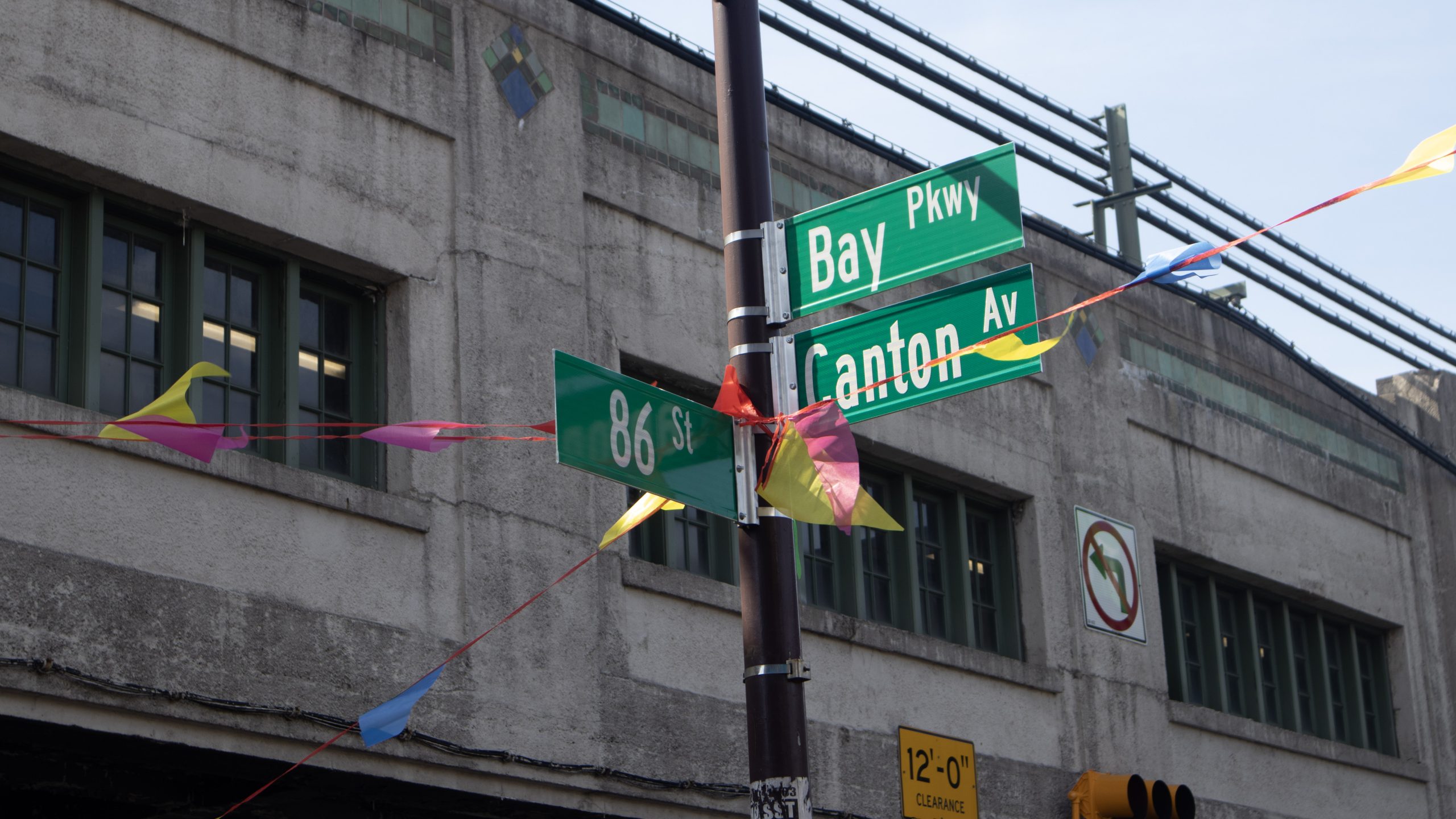
On Friday, a section of Bay Parkway between 85th and 86th streets in Brooklyn was officially co-named “Canton Avenue,” honoring the contributions and enduring legacy of the Chinese American community — particularly the Chinese railroad workers whose labor helped build the Transcontinental Railroad more than 150 years ago. Their descendants and generations of Chinese immigrants have since become an important part of New York City’s history.

Elected officials, including City Councilmember Susan Zhuang and City Comptroller Mark Levine, as well as community leaders and residents, attended the day’s event.

“We are doing more than adding a name to a street sign. We are making history visible,” proclaimed Zhuang, whose district includes Bensonhurst. She highlighted the neighborhood’s rich immigrant history, including its Jewish, Italian and Russian roots. Today, she said, many Chinese Americans are building their families in Bensonhurst, a community whose history is closely tied to the completion of the Transcontinental Railroad.
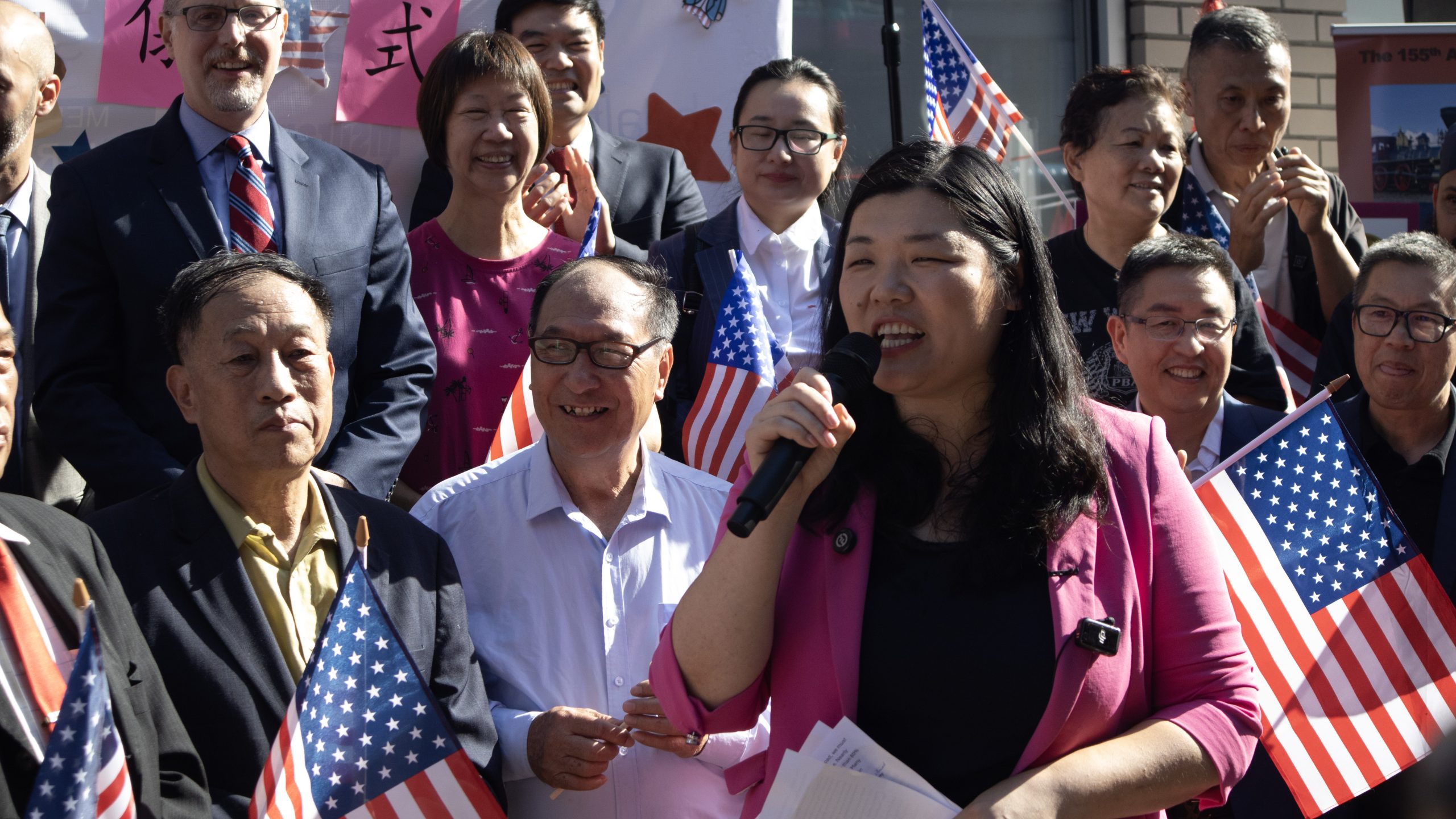
“When we talk about the completion of the Transcontinental Railroad, we must remember the thousands of Chinese workers who made it possible. Today, their descendants and generations of Chinese immigrants call Bensonhurst home,” she said.
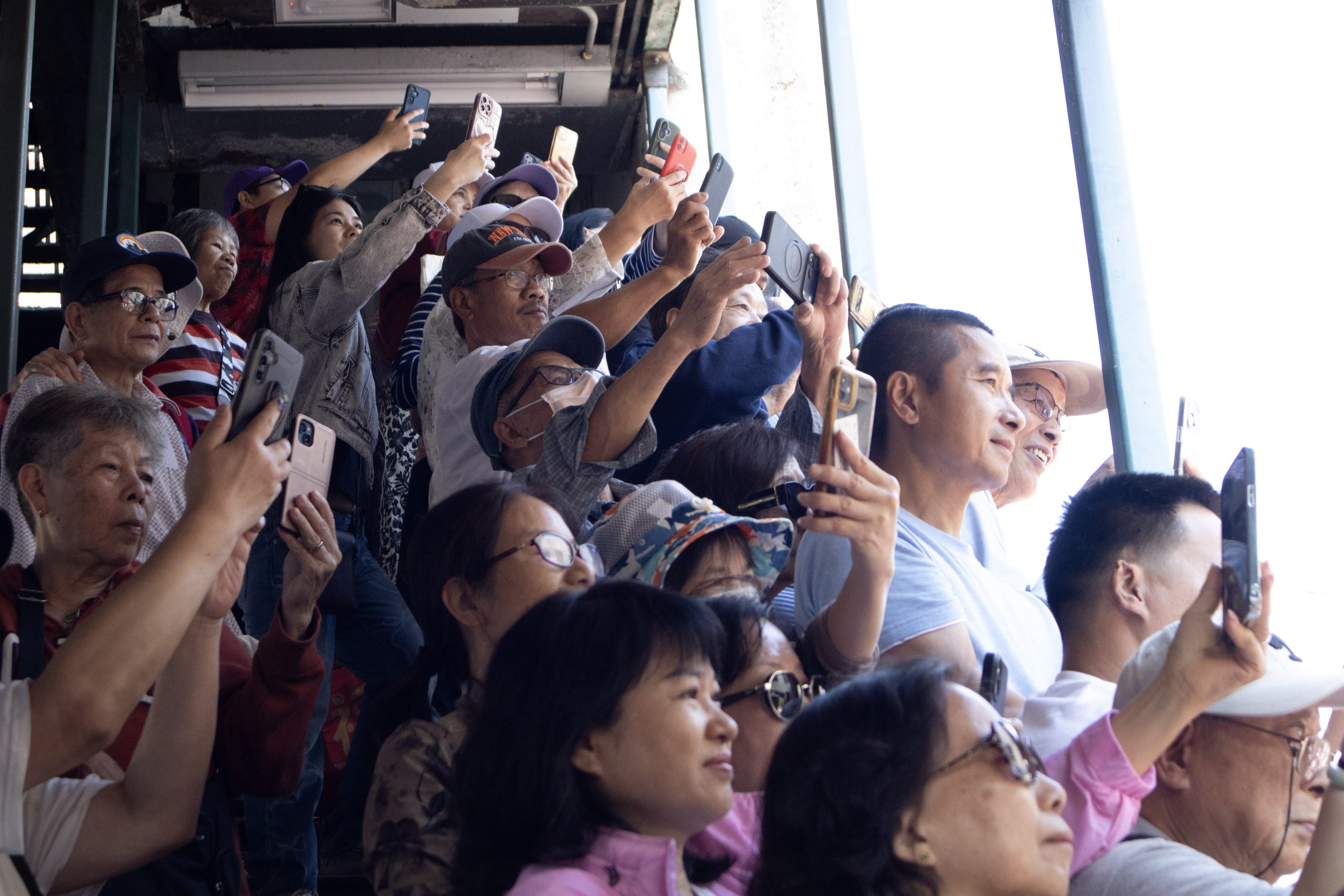
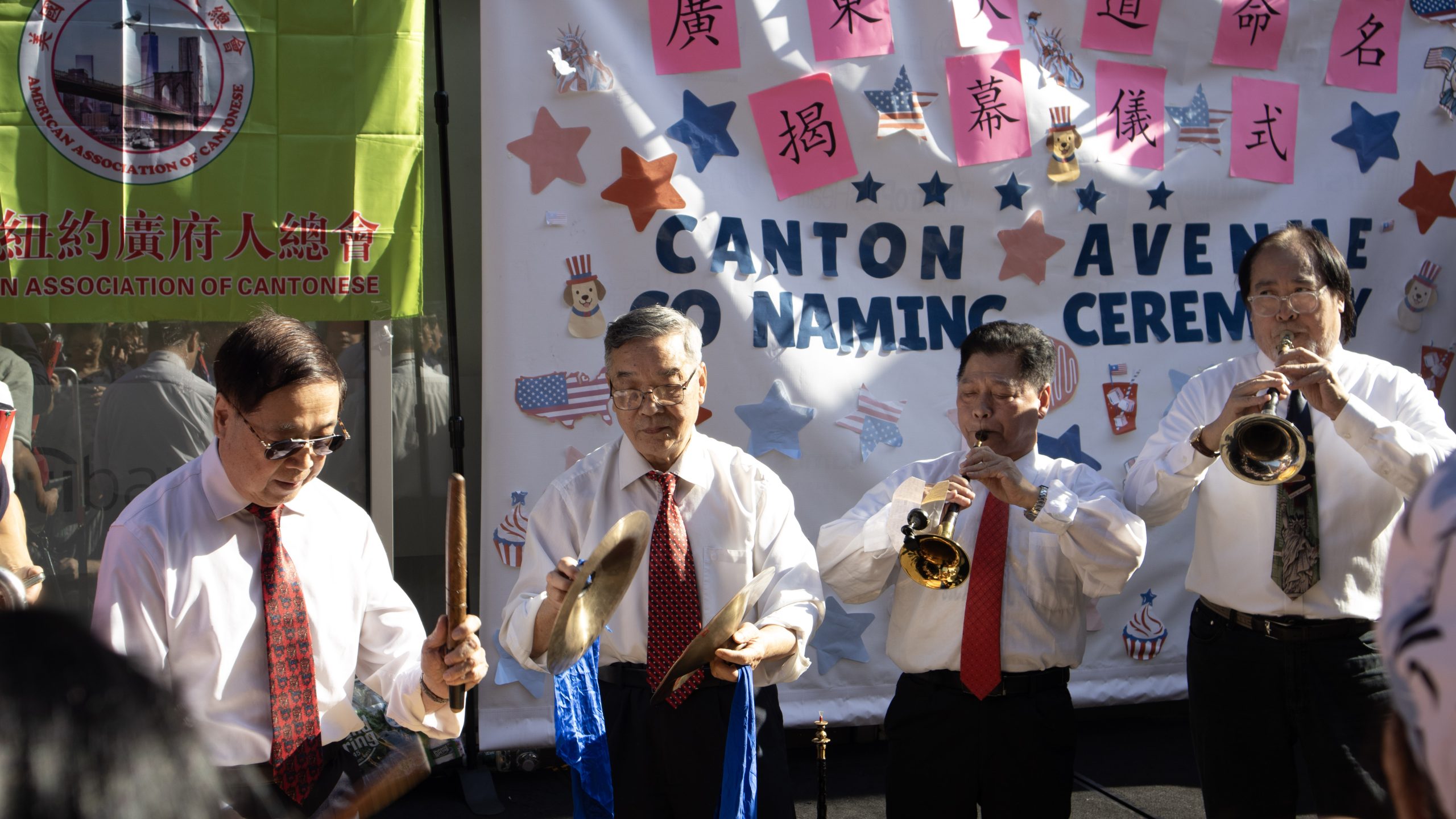
On May 10, 1869, the Transcontinental Railroad was completed. Records show that nearly 12,000 Chinese immigrants worked on the railroad, making up about 80% of its workforce at the height of construction.
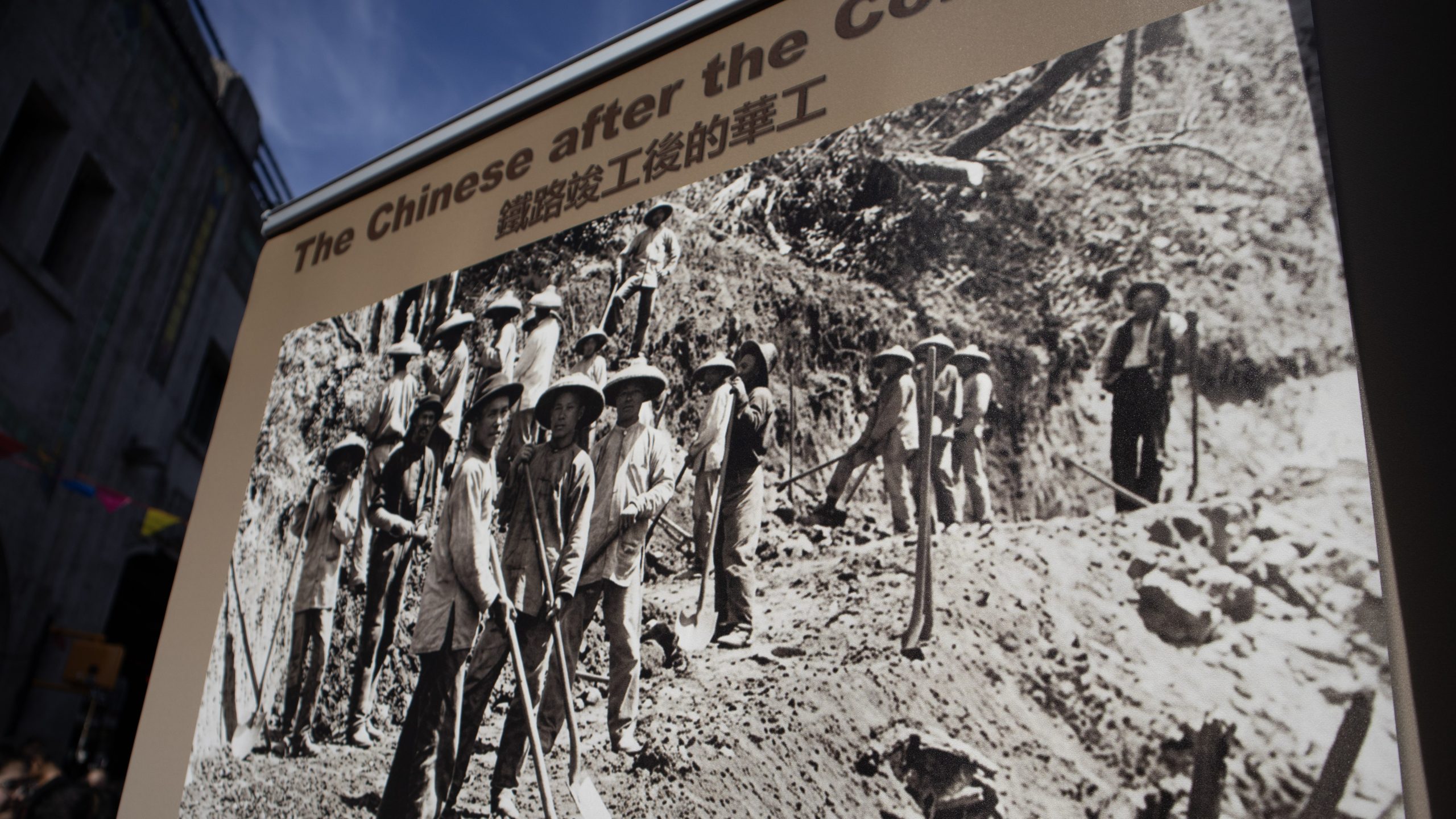
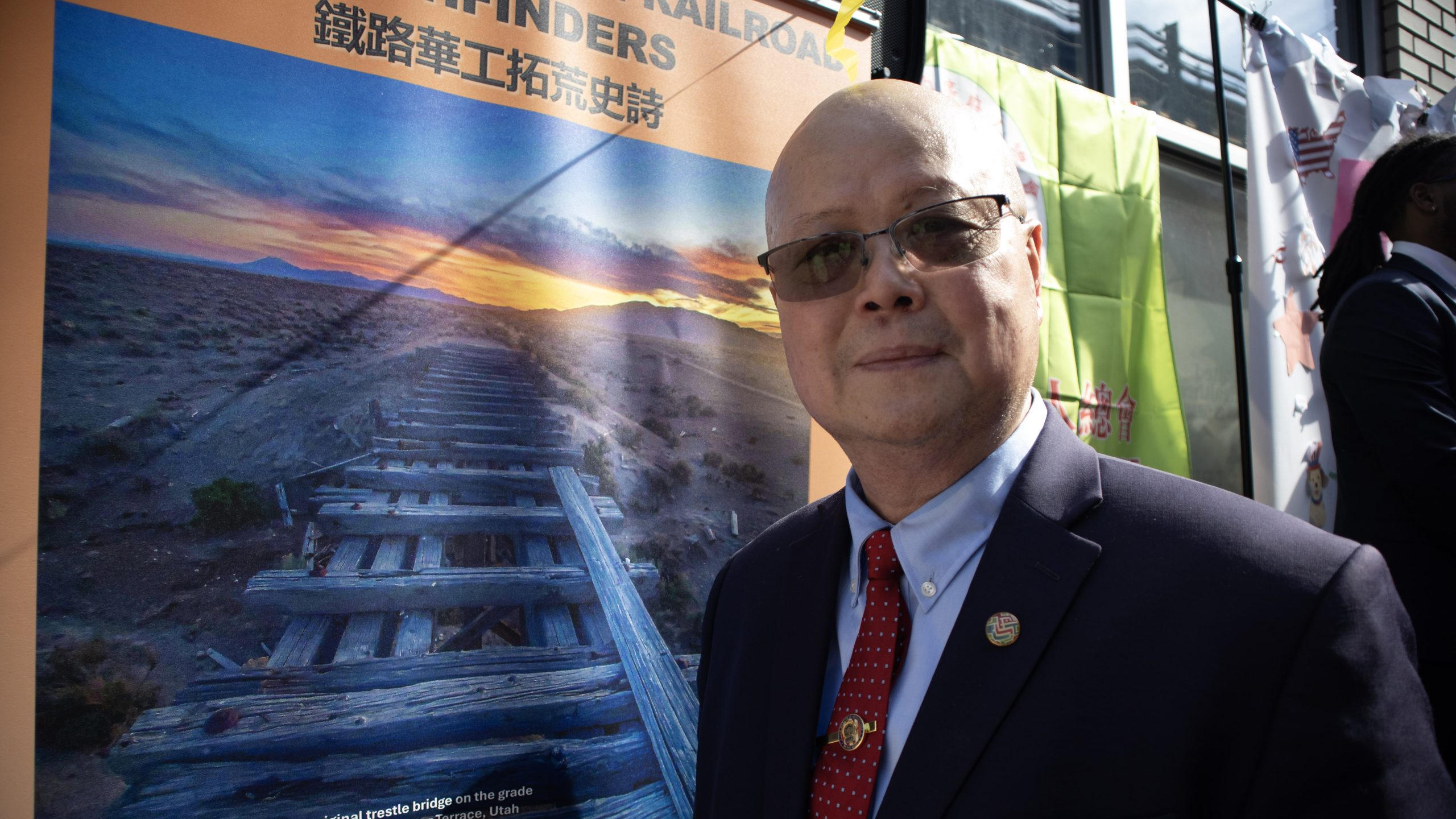
Joseph Luo, 64, a fifth-generation descendant of a Chinese railroad worker and president of the General Assembly of the American Association of Cantonese, told Documented that Chinese railroad workers performed some of the railroad’s most difficult and dangerous work, including climbing mountains, digging tunnels, blasting through rock and building bridges in harsh weather. Many worked long hours for low pay.
An estimated 1,200 Chinese railroad workers died from work-related accidents, avalanches and explosions. Yet despite their significant contributions, Chinese railroad workers were left out of the iconic photograph marking the completion of the Transcontinental Railroad.
Zhuang said many Chinese railroad workers later came to New York and contributed to the construction and development of the Long Island Rail Road. Their descendants continue to live in New York City today and form an important part of the city’s Chinese community.
Zhuang’s district currently has about 180,000 residents, roughly half of whom are Cantonese speakers.
Luo said his great-grandfather, an immigrant from Taishan, Guangdong province, came to the U.S. to help build the Transcontinental Railroad in 1864, and returned to China after the completion of the railroad and died there. After the railroad was completed in 1869, Chinese workers faced severe and escalating legal and social hostility, which forced many to leave the United States in the decades that followed.
Luo came to the United States in 1985 to study and has lived here ever since. “More than a century ago, many immigrants from our hometown of Canton crossed the Pacific Ocean and came to the United States. They worked hard, built railroads and helped build this country. Their hard work and sacrifice should always be remembered,” Luo said.
“They worked hard, built railroads and helped build this country. Their hard work and sacrifice should always be remembered.”
—Joseph Luo, a fifth-generation descendant of a Chinese railroad worker and president of the General Assembly of the American Association of Cantonese
Lilan Zhao, an immigrant from Guangzhou, Guangdong province, said the neighborhood has changed significantly since she moved to Bensonhurst in 1987. “When I was walking on the streets with my two children [in the 1980s], I didn’t see many Cantonese people here,” she recalled. “Now it’s so different. It has become another Chinatown. It makes you feel like you’re back in Canton.”
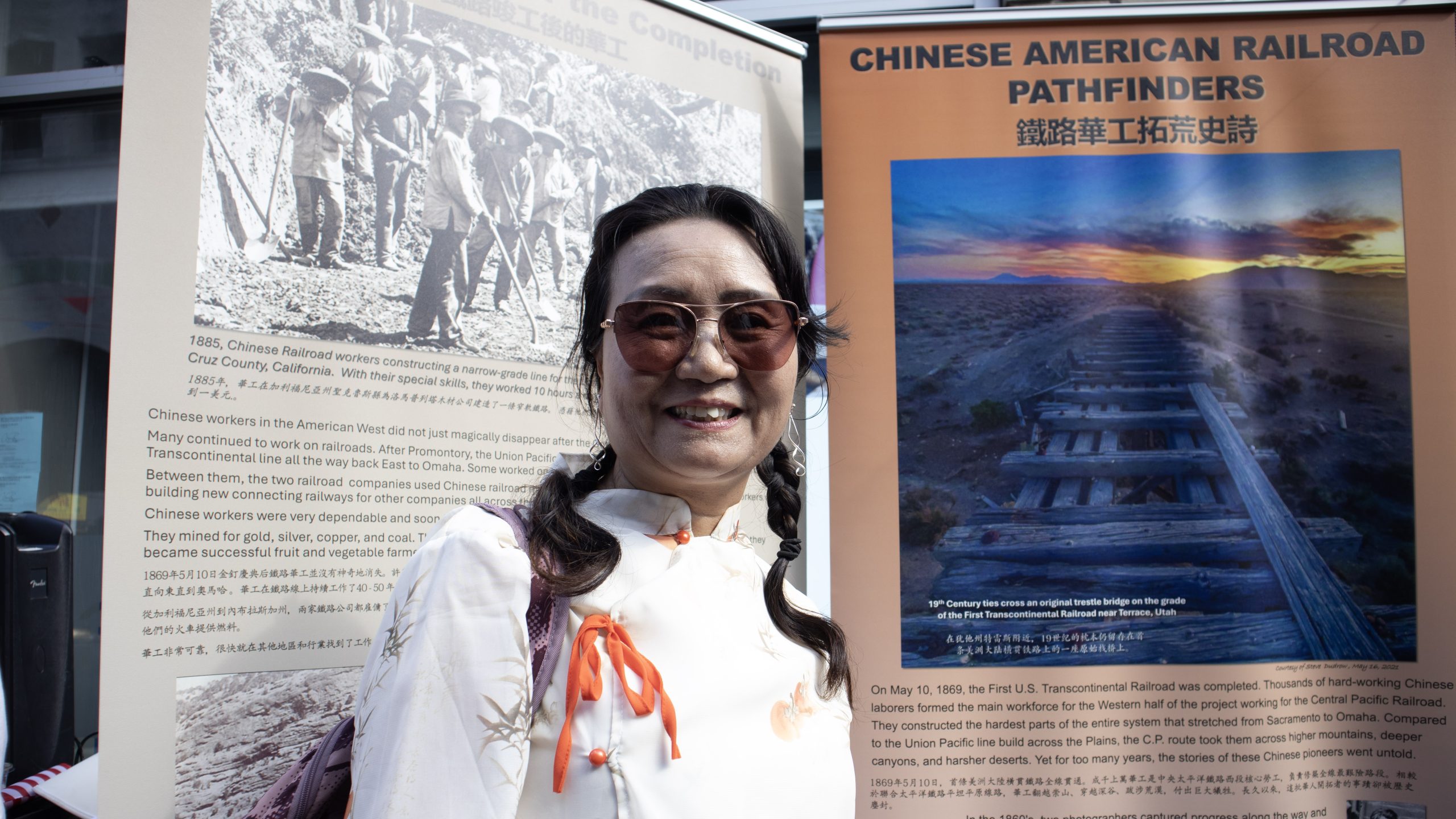
Zhao said her husband’s grandfather was also among the early Chinese immigrant workers who came to the United States. “I’m so happy that today, the contributions and history of Chinese immigrants are being recognized,” she said.
“I’m so happy that today, the contributions and history of Chinese immigrants are being recognized.”
—Lilan Zhao, an immigrant from Guangzhou, Guangdong province
City Comptroller Mark Levine also emphasized the significance of the co-naming for the Chinese community. “There is not one vacant storefront here on Bay Parkway. That is because of this community — it’s entrepreneurial. It’s working to build our city and make us better every single day. I’m thrilled that we can now mark that successful impact forever with this street sign here,” said Levine.
“When our children walk down Canton Avenue, I want them to feel proud. I want them to know that their history is American history,” said Zhuang. “They are an important part of the story of New York City.”