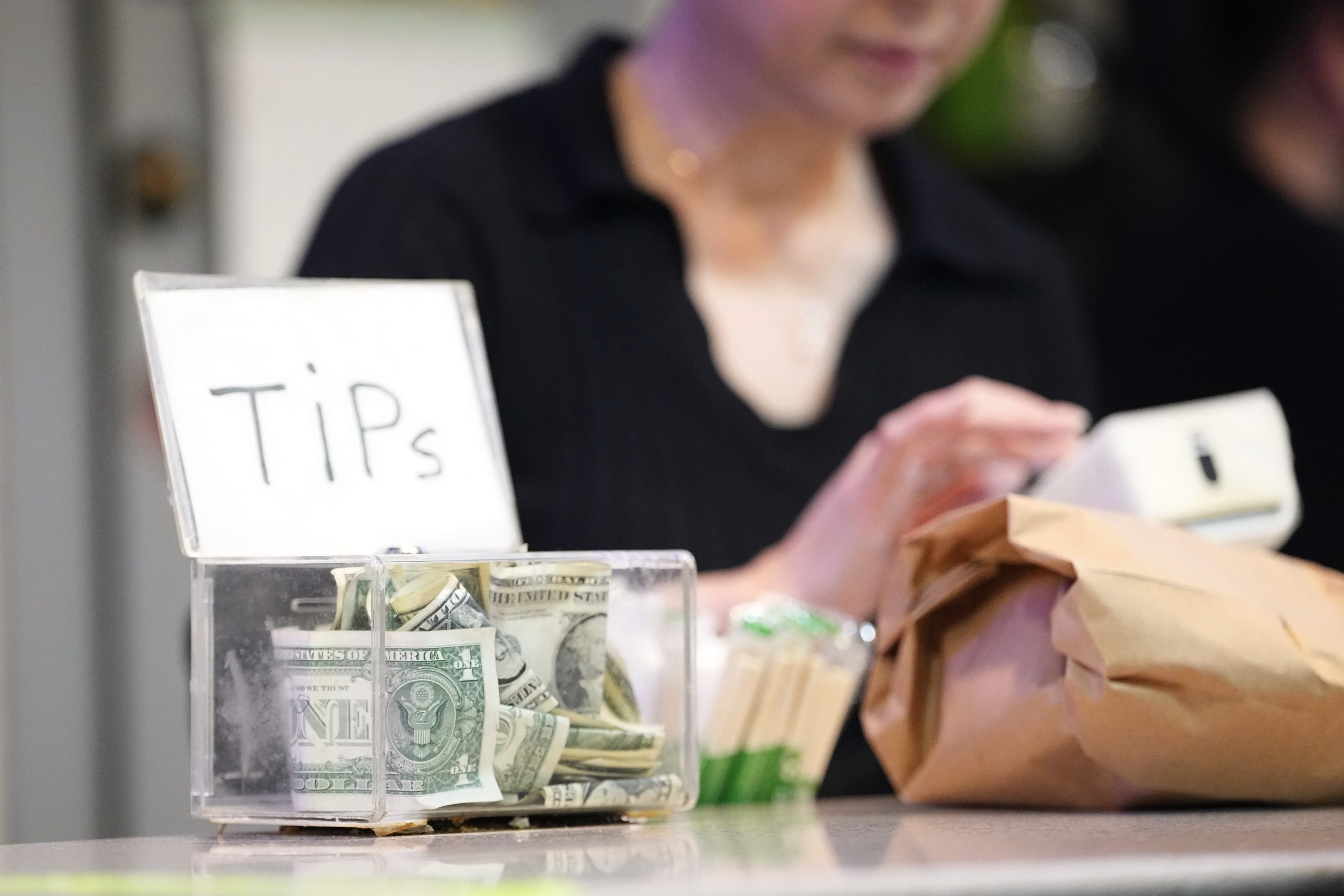


Across New York state, workers have been denied hundreds of millions in unpaid wages. Now, data obtained exclusively by Documented through a yearslong public records request reveals exactly how much was stolen from New York’s workers over the last 15 years: $397 million.
The analysis of more than 34,000 cases of wage theft between January 2012 and October 2026, provided through the Freedom of Information Law from the New York Department of Labor, paints a granular picture of what can often be an obscure subject — from what types of wage theft are the most prominent to what industries are disproportionately impacted by wage theft to who owes the most in back wages.
Wage theft can take many forms, from withheld wages to stolen tips to unpaid lunch hours. Whenever an employer is not paying an employee the wages, overtime, tips or benefits that they are entitled to by law or by their contract, they are essentially stealing wages.
Here are some key takeaways in three charts.
Restaurants stole the most wages.
The leisure and hospitality industry was by far the worst offender when it came to wage theft, with employers owing their workers more $120 million collectively. While this industry includes restaurants, hotels, and venues like theaters, restaurants were by and large the worst offenders. Of the top 20 businesses, of all industries, with the most documented cases of wage theft, seven were restaurants.

Educational and health services, which include workers like nurses, home health aides and other caretakers, was the second worst industry, followed by construction.
All three industries also have a disproportionately large immigrant labor force, ranging from 43% to 69%, according to a 2024 report from the New York State Comptroller. By comparison, the percentage of New Yorkers who are immigrants is 37.5%.
While wage theft impacts people across industries, low-wage workers tend to lose more wages than their better-paid counterparts, according to the Economic Policy Institute. Immigrants are also more likely to experience wage theft than people who were born in the United States.
All types of businesses — from Dunkin to Dim Sum Sam — owed wages.
Small businesses and large corporate chains alike owed thousands of dollars in wages to New York workers. Home care provider Royal Care owed $6.3 million in wages, more than any other company. Dunkin Donuts owed more than $2.6 million spread over 439 wage theft across the state.
Below is a table of the 100 employers that owed the most in wages:
Workers did the work, but didn’t get paid.
In Documented’s data analysis, the most common form of wage theft was unpaid wages. Employees claimed that their bosses did not pay them for the work they did in two-thirds of all the cases documented.
Roughly half of the cases involved employers who did not pay their workers minimum wage.
Employers also did not provide proper pay stubs for their employees in one in five wage theft cases, which can make it hard for workers to verify whether they were paid properly.
Below is a breakdown of all types of wage theft claims:
For more information, visit the Business Monitor, Documented’s searchable database. The database was last updated November 2026 to include the latest wage theft and worker injury data from New York State’s Department of Labor, from the U.S. Department of Labor, and from the U.S. Occupational Safety and Health Administration.
Akel Aguad contributed data analysis and Max Siegelbaum contributed reporting to this article.