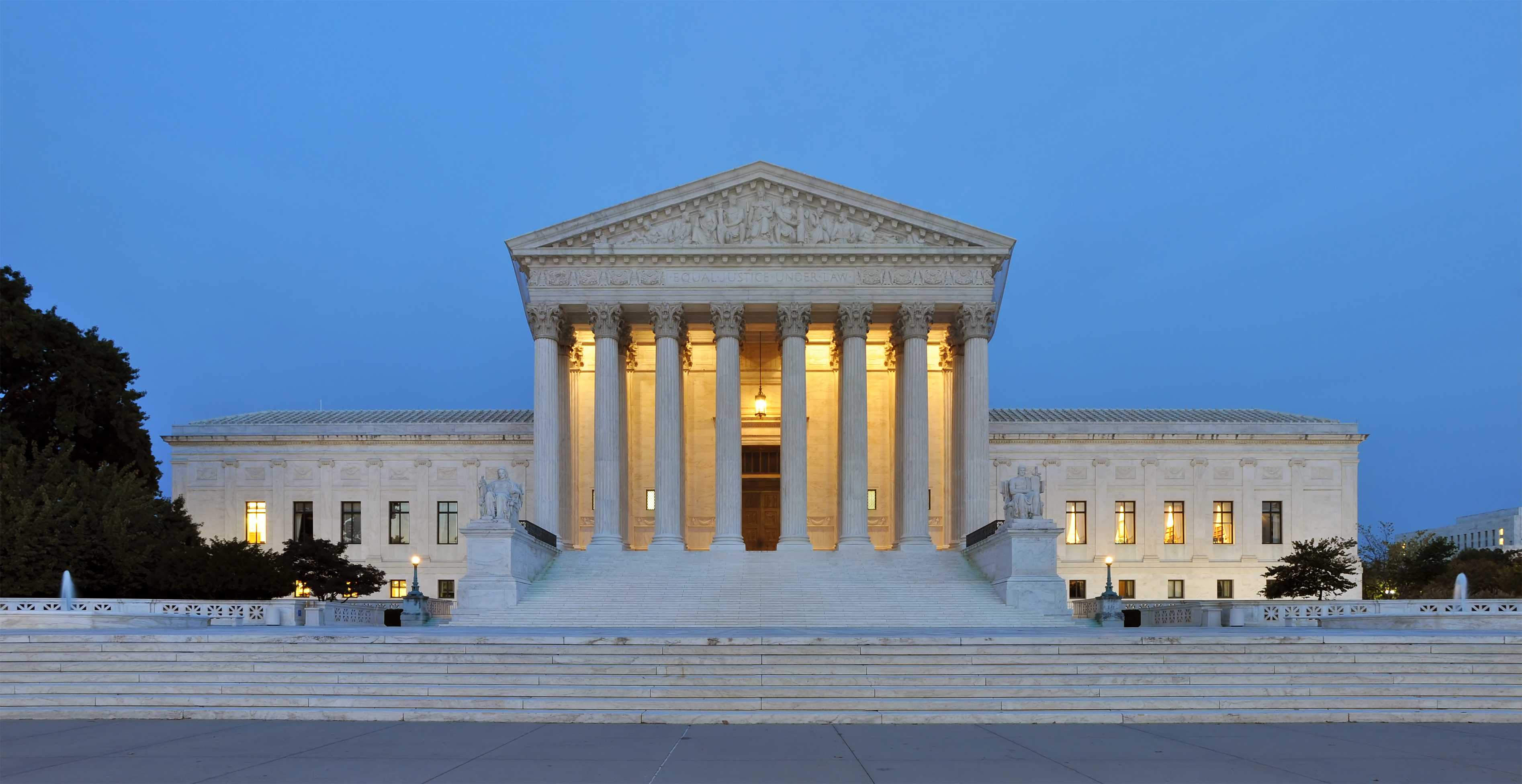


The Supreme Court on Friday allowed the Trump administration to end a Biden-era humanitarian parole program that had granted temporary legal status and work permits to more than 500,000 migrants from four countries facing crises: Cuba, Haiti, Nicaragua, and Venezuela (CHNV).
The decision came in the form of a brief, unsigned order which lifted an injunction imposed by a federal judge in Massachusetts that had temporarily blocked the termination of the program. Following the ruling, the administration is allowed to move forward with revoking parole status even as lower courts continue to weigh the legality of the policy change.
Two Democratic-appointed justices, Sonia Sotomayor and Ketanji Brown Jackson, dissented, signaling their concerns about the ruling’s impact on humanitarian protections. In her dissent, Justice Ketanji Brown Jackson wrote: “The Court allows the Government to do what it wants to do regardless, rendering constraints of law irrelevant and unleashing devastation in the process.”

According to a Department of Homeland Security notice published in March, parolees under the CHNV program must leave the United States before their parole expires unless they have another lawful basis to remain.
The CHNV program was launched during President Joe Biden’s term in January 2023 as a way to stem the flow of asylum seekers coming to the U.S. southern border. It provided two-year humanitarian parole to migrants from the designated four countries which were fleeing violence, political repression, and economic instability. The beneficiaries were allowed to enter the U.S. through the CBP One app, and they received authorization to live and work in the country legally.
Upon returning to office, President Donald Trump directed federal agencies to dismantle the initiative as part of his “Securing Our Borders” executive order. The Trump administration has since shut down CBP One and introduced a new platform app, CBP Home, which requires undocumented migrants to notify the government of their intent to voluntarily leave the country.
Karen Tumlin, founder and director of the Justice Action Center, at a press call, called the decision “the largest mass de-legalization program in US history,” describing it as a “sad day” that will forcibly render half a million legal immigrants undocumented overnight.
“I cannot overstate how devastating this is,” Tumlin said in a previous statement. “The Supreme Court has allowed the Trump administration to unleash widespread chaos, not just for our clients and class members, but for their families, their workplaces, and their communities.”
Guerline Jozef, executive director of Haitian Bridge Alliance, characterized the decision as “cruel, inhumane, and undignified,” emphasizing that it affects people who followed all the rules and came seeking safety.
“We are outraged to see the continued attacks on the families and communities, including those who are here with lawful status through the CHNV humanitarian parole process,” she said in a statement “This population has done everything the federal government has asked of them and received a rescinded promise in return. This will be tremendously devastating for our communities, but we are strong and resilient, and we will continue to fight for them to be treated fairly under the law.”
Also Read: End of Cuban/Haitian/Nicaraguan/Venezuelan (CHNV) Parole: What Migrants Need To Know