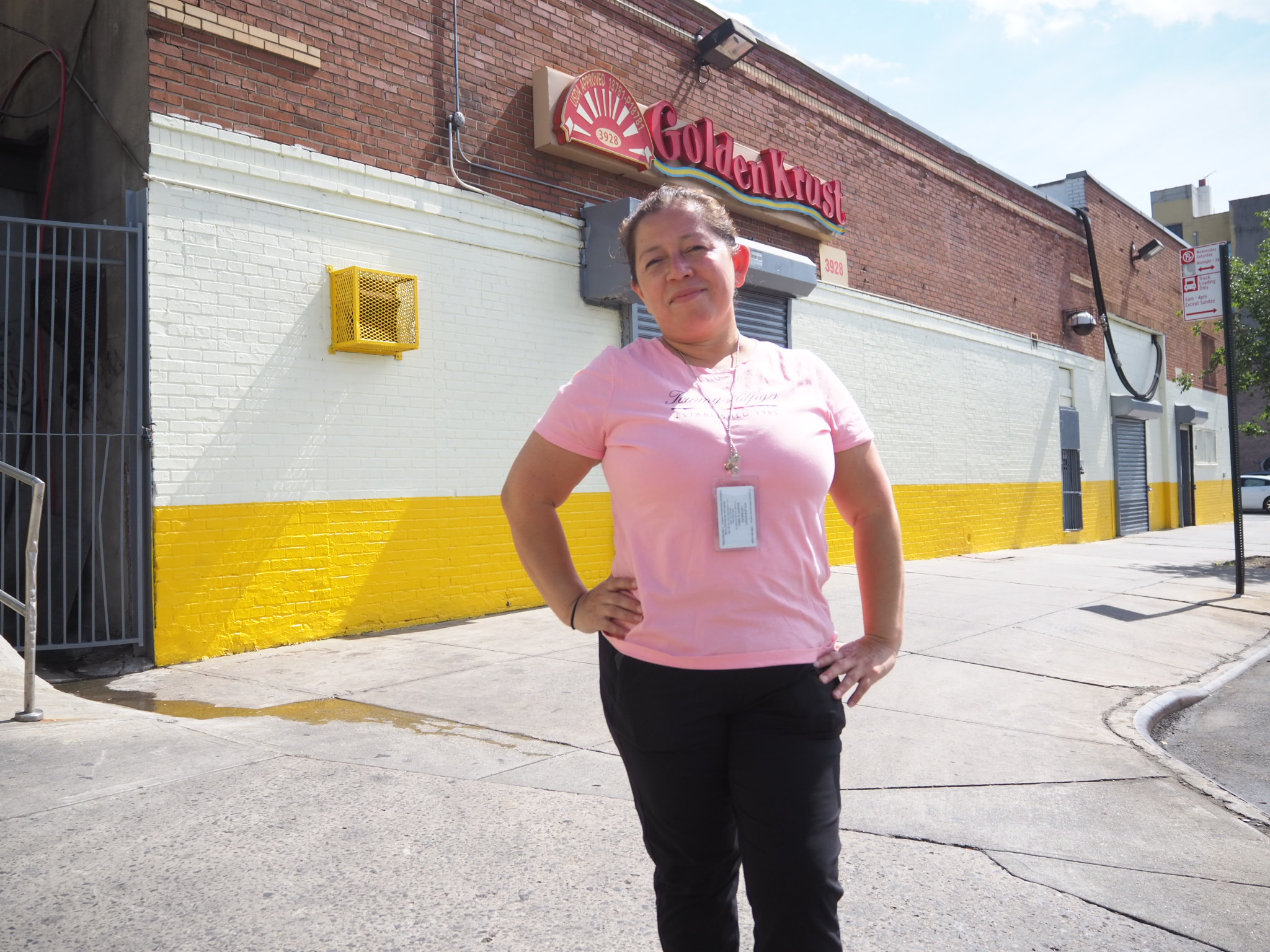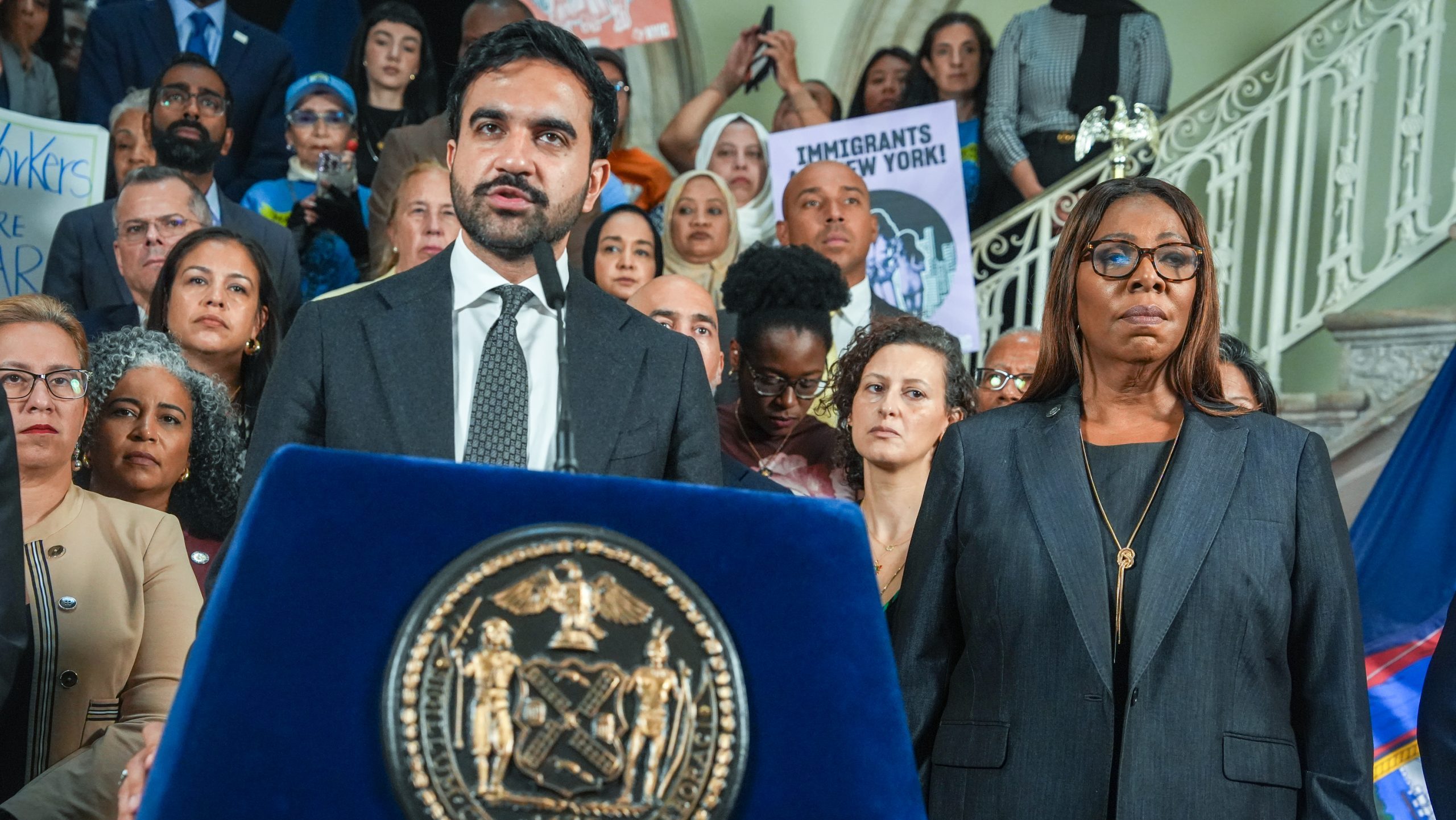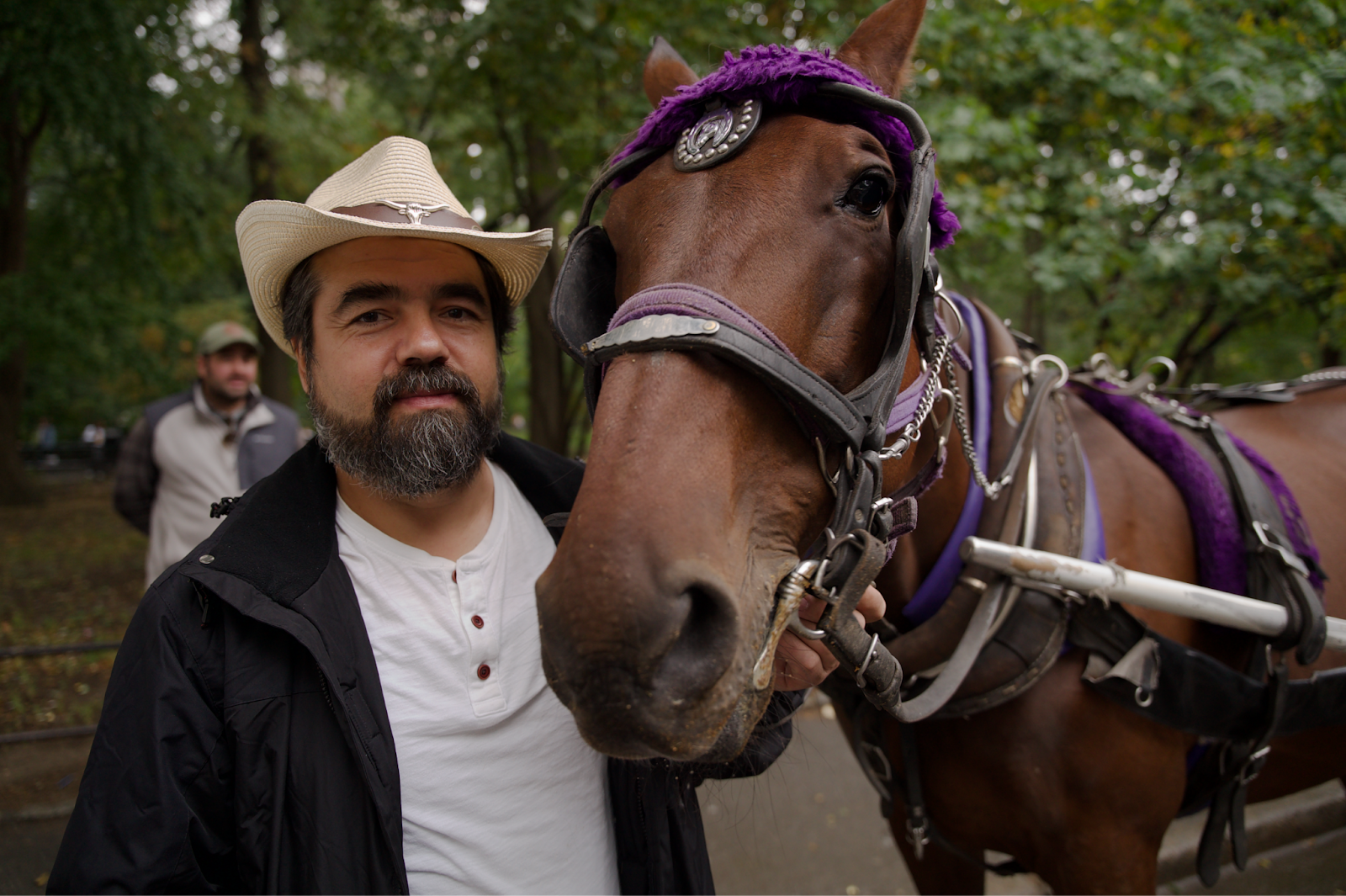


Several top hats bespeckled the quiet crowd as carriage drivers in their frock coats listened in anticipation. When the City Council’s Health Committee convened in mid-November to discuss Ryder’s Law, a bill to ban horse carriages in Central Park, the dramatic tension of a seventeen-year-long battle filled the hearing room and then some — spilling over next door as City Hall was packed with carriage drivers, members of their union, animal rights activists, and members of the press.
The author of Ryder’s Law, Queens Council Member Robert Holden, introduced the bill by quoting Mahatma Gandhi: “The greatness of a nation can be judged by the way its animals are treated.” Holden called it “a disgrace” that the council hadn’t heard his bill sooner.
One month earlier, Mayor-elect Zohran Mamdani promised to “convene an independent panel of medical experts to assess the health of [the] horses.” But Holden employed a never-before-used council rule called “Sponsor’s Privilege” in a last-ditch effort to force the council to hold a hearing on banning carriages before his final term expired in January.

The members on the health committee wouldn’t have it.
“I have no issue with the horses in Central Park. I do believe there’s a compromise to be found. That compromise is not to be found in Ryder’s Law,” said Council Member Justin Brannan, who began by noting the ‘Meat is Murder’ tattoo on his neck to convey his animal rights bona fides.
“We are talking about human beings who have jobs who have to provide for their families,” Council Member Carmen de la Rosa said just as a driver’s child started to wail.
The committee voted against scheduling a hearing for Ryder’s Law: 4 against, 1 in favor, and 2 abstentions. Holden’s successor Phil Wong told Documented that he may reintroduce the carriage ban bill in the next council session.
But, barring a council supermajority, it appears that the fate of Central Park’s carriages now rest on the (lab) coattails of the Mayor-elect’s panel of veterinary experts.
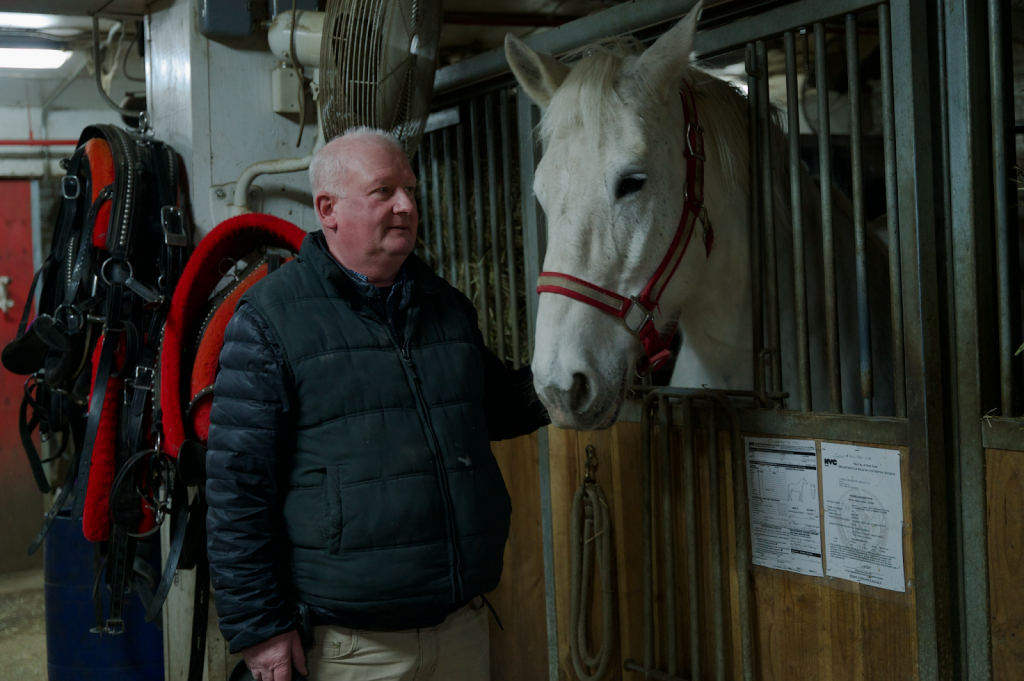
Conor McHugh, the current stable manager and co-owner of Clinton Park Stables in Hell’s Kitchen, said he’s confident that Mamdani will side with the drivers in the coming year. McHugh emigrated to NYC from Ireland in 1986 and found himself behind the reins of a carriage within a matter of months, driving for over 30 years.
“I know he actually went on hunger strike in support of the taxi drivers,” McHugh said, referring to Mamdani’s solidarity campaign with taxi drivers when he was an assembly member. “With that in mind, one would think, once he gets to know us, he should be leaning toward being on our side. I mean, the taxi drivers used to be us.”
Like taxi drivers, over 90% of the 150 active carriage drivers in NYC are immigrants. Irish immigrants originally made up the majority of the carriage trade but today, drivers hail from a diverse assembly of nations: Turkey, Mexico, Ireland, Russia, and Ghana, to name a few.
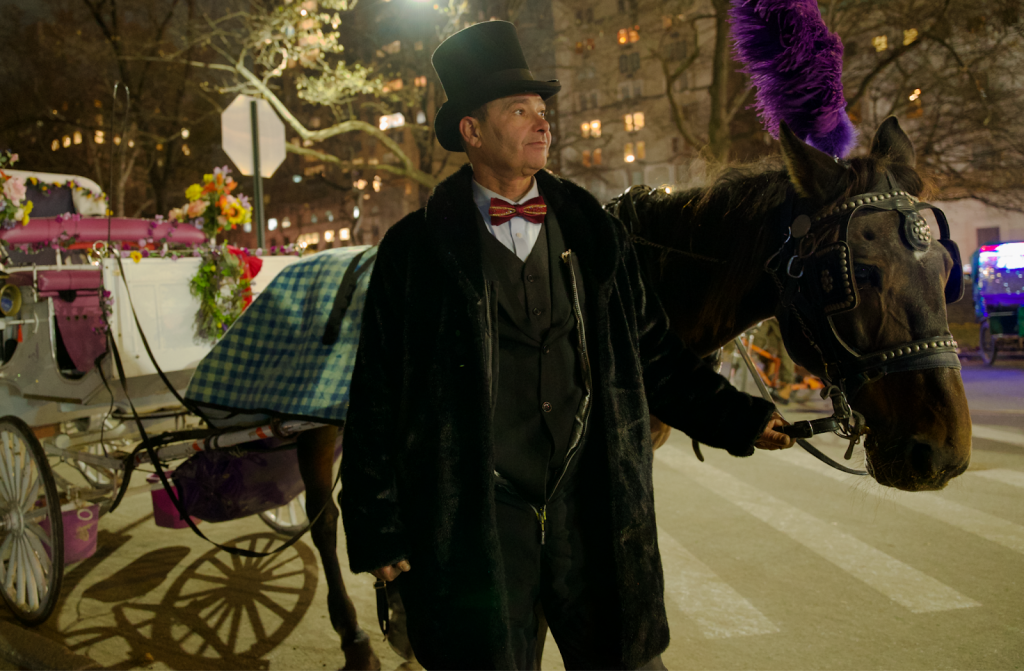
But seasoned drivers like McHugh still hesitate to put their full faith in any mayor. Mayor Eric Adams suddenly called for a carriage ban in September after years of pledging his support. Former Mayor Bill de Blasio vowed to ban the carriages while campaigning, violating the Lobbying Act while receiving thousands of dollars from the founders of New Yorkers for Clean, Livable, and Safe Streets, or NYCLASS, an animal rights group at the heart of the fight to stop the clopping.
The fight for Ryder’s Law marks the latest skirmish in NYCLASS’s push to ban carriages in Central Park. Founded in 2008 by real estate developers Steve Nislick and Wendy Neu, the group has spent millions of dollars lobbying against the carriage industry, alleging widespread abuse of horses.
They point to what happened to horses including Lady, who collapsed and died in Hell’s Kitchen this past August, or Ryder, the namesake of Ryder’s Law, who collapsed in 2022 and was euthanized months later, as examples of mistreatment.
“I live on Central Park West, and I just watched these horses getting tortured for many years, and [my wife and I] felt we needed to do something about it,” Nislick told Documented. “Anybody that knows anything about horses knows that these horses are constantly abused.”
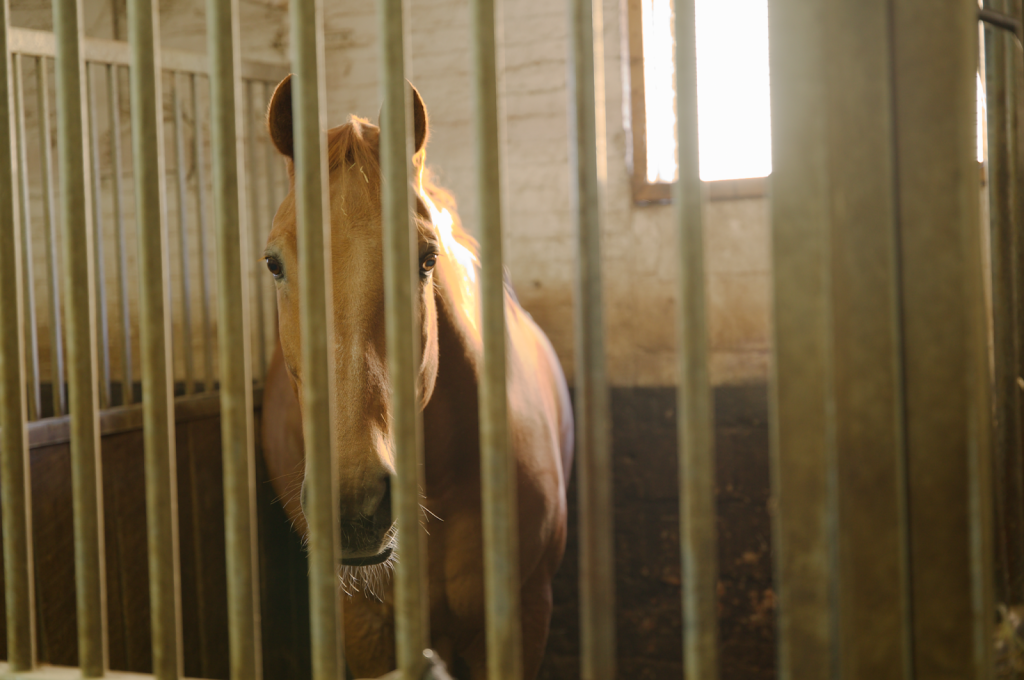
The carriage drivers and the Transport Workers Union (TWU) which represents them deny claims of animal abuse or overdriving. They hold that these incidents are the result of normal medical conditions. Lady suffered an aortic rupture from an adrenal gland tumor and Ryder had leukemia, for example. Documented confirmed this in the necropsy reports of both animals.
The union counters that NYCLASS’s developer founders want the carriages banned in order to free up the three west side stables — two in Hudson Yards and one in Hell’s Kitchen — for development. The stables are owned by several carriage owners and house all of the city’s carriage horses — a population that fluctuates between 180 and 200. The largest, Clinton Park Stables, stands at 30,000 square feet.
But NYCLASS rejects any notion of Nislick’s and Neu’s real estate motives. “It’s just a sort of conspiracy theory,” NYCLASS Executive Director Edita Birnkrant told Documented. “If there is a real estate conspiracy it’s coming from [the stable owners] … they know they’re sitting on a gold mine and they want to hold out for the best price,” Birnkrant mused.
In any case, drivers are bracing for a cold winter. The holidays are reliably the busiest season for horse drawn carriage rides, but several drivers told Documented that this winter has been slower than normal.
One driver, Ahmet Bilici, told Documented he thought the city’s affordability crisis and increased Homeland Security travel enforcement both contributed to the decrease in business.
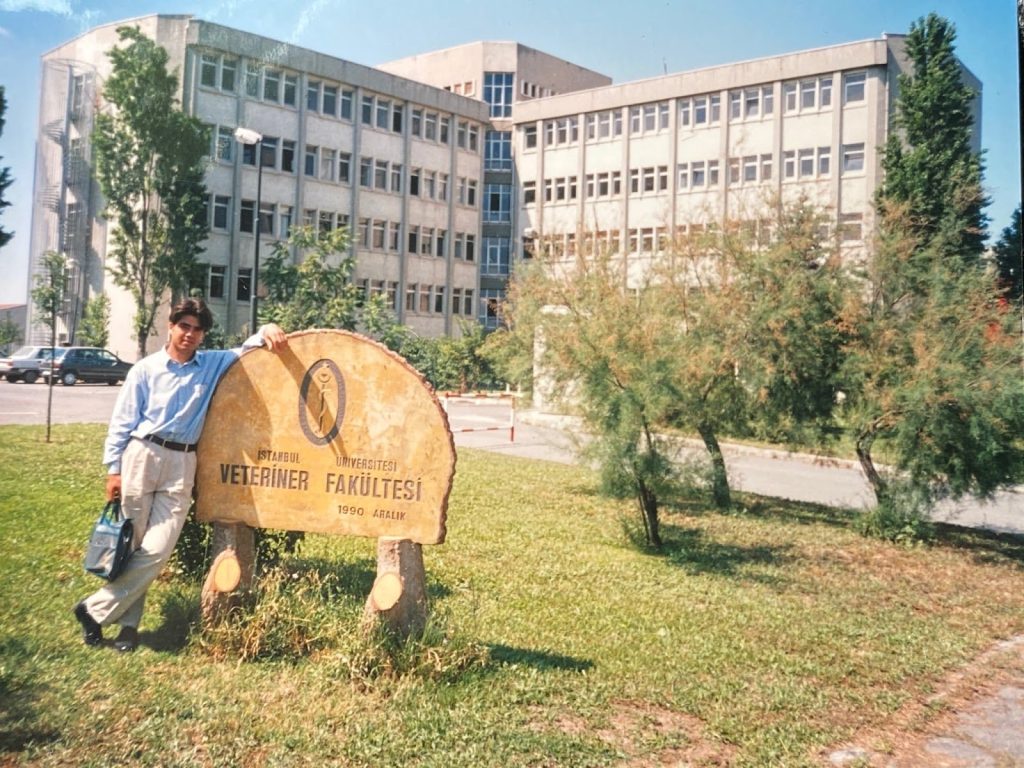
“People not much traveling, people don’t want to spend money… people are scared to come to New York,” said Bilici, 51, who was a student of veterinary medicine at Istanbul University in Turkey before immigrating to America in 2001. “We’re not the only ones, [throughout] all the city probably, workers are [affected].”
Ayman Elshawaf, 59, a driver of 12 years from Egypt, blames both the negative press around NYCLASS’s push to ban the carriages as well as anti-carriage protesters in the park. Elshawaf and other drivers told Documented some hecklers have even threatened to call ICE.
“Why you bother?” said Elshawaf. “Nobody love my horse more than me. If I have no horse, no work, no money.”
Looking ahead, both sides claim to have Mamdani’s ear as the New Year approaches.
“We have met with him a couple of times and he has said that he does not plan to back down from his position and that… we need to shut down the industry,” Birnkrant told Documented.
Birnkrant says she feels encouraged because early in Mamdani’s primary campaign, he received an endorsement from Voters for Animal Rights, who highlighted that Mamdani is in favor of legislation that bans horse carriages.
TWU President John Samuelsen, who has steered extensive union resources to the carriage drivers’ fight, also campaigned with Mamdani in both his primary and general election runs.
“We don’t believe that Zohran would feel bound to NYCLASS,” Samuelsen told Documented.
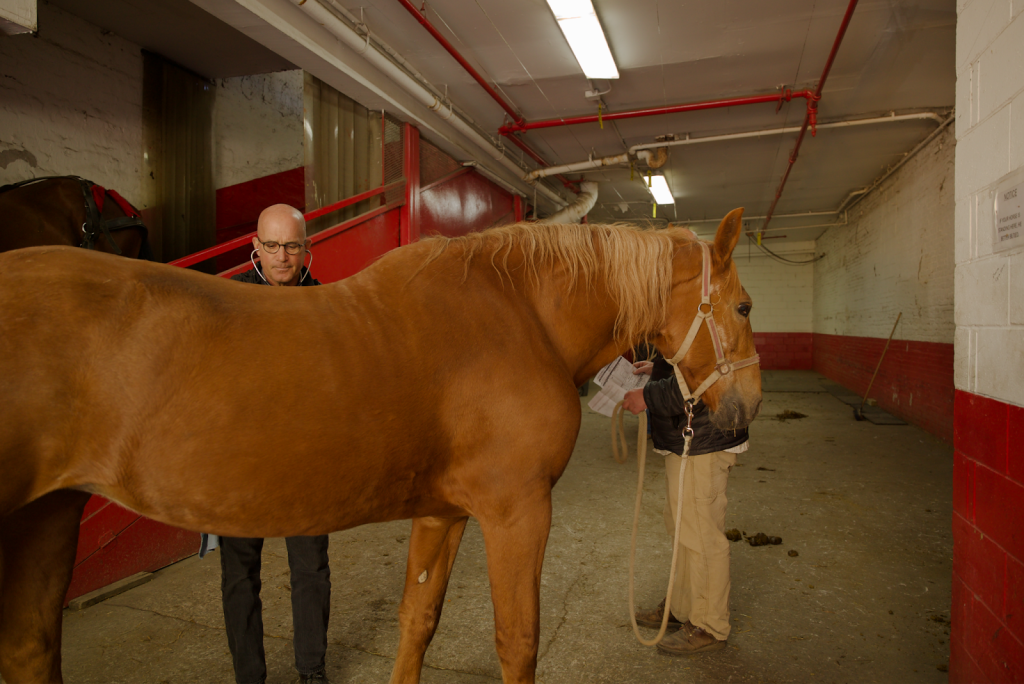
Samuelsen and many carriage drivers welcome the impartial medical panel which they believe will demonstrate to New Yorkers the care these horses receive once and for all.
“I know my horses are healthy, and I don’t do anything wrong, you know?” said Angel Hernandez, a carriage driver who immigrated to New York from Mexico 23 years ago. “I’m not hiding anything.”