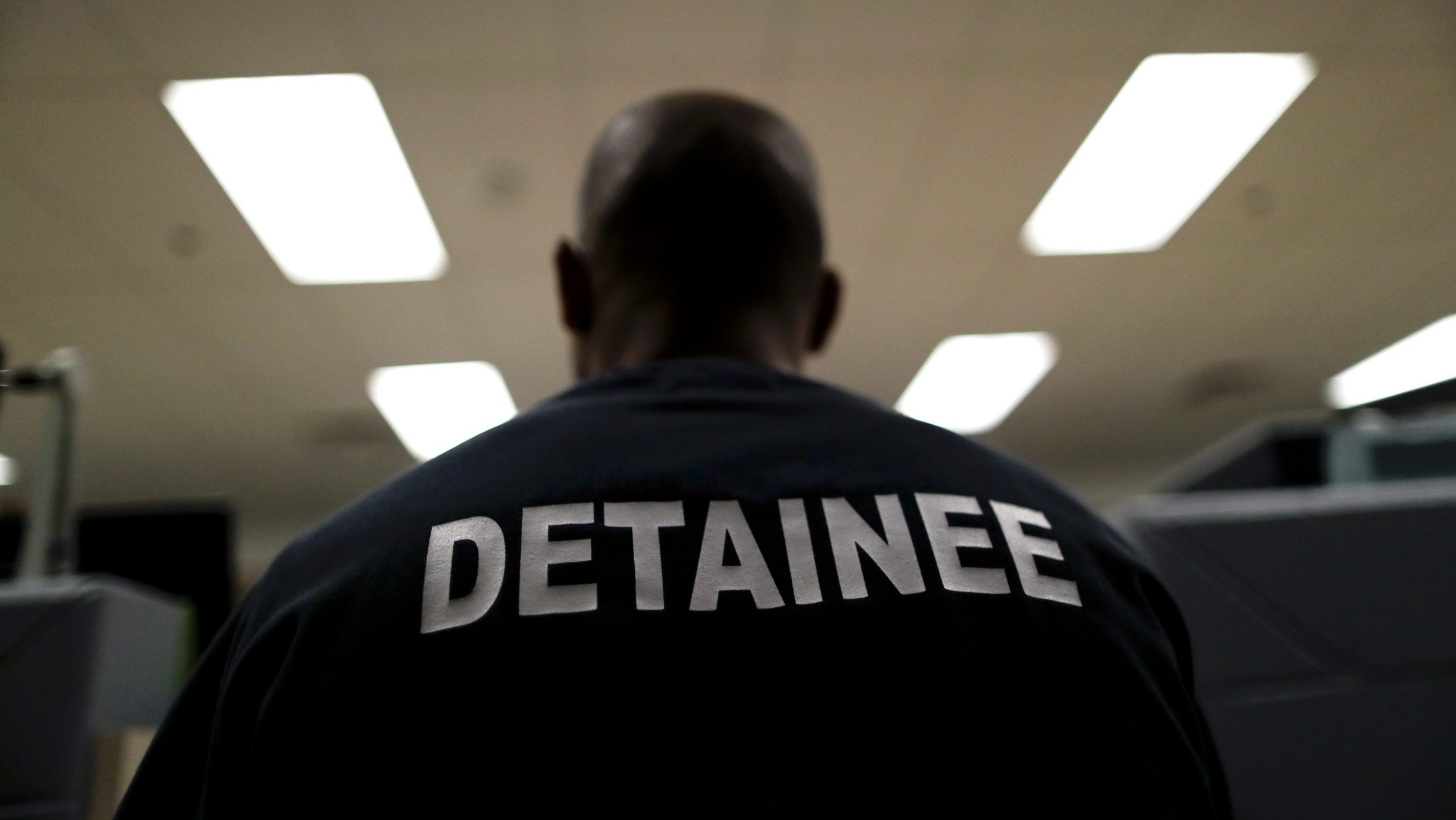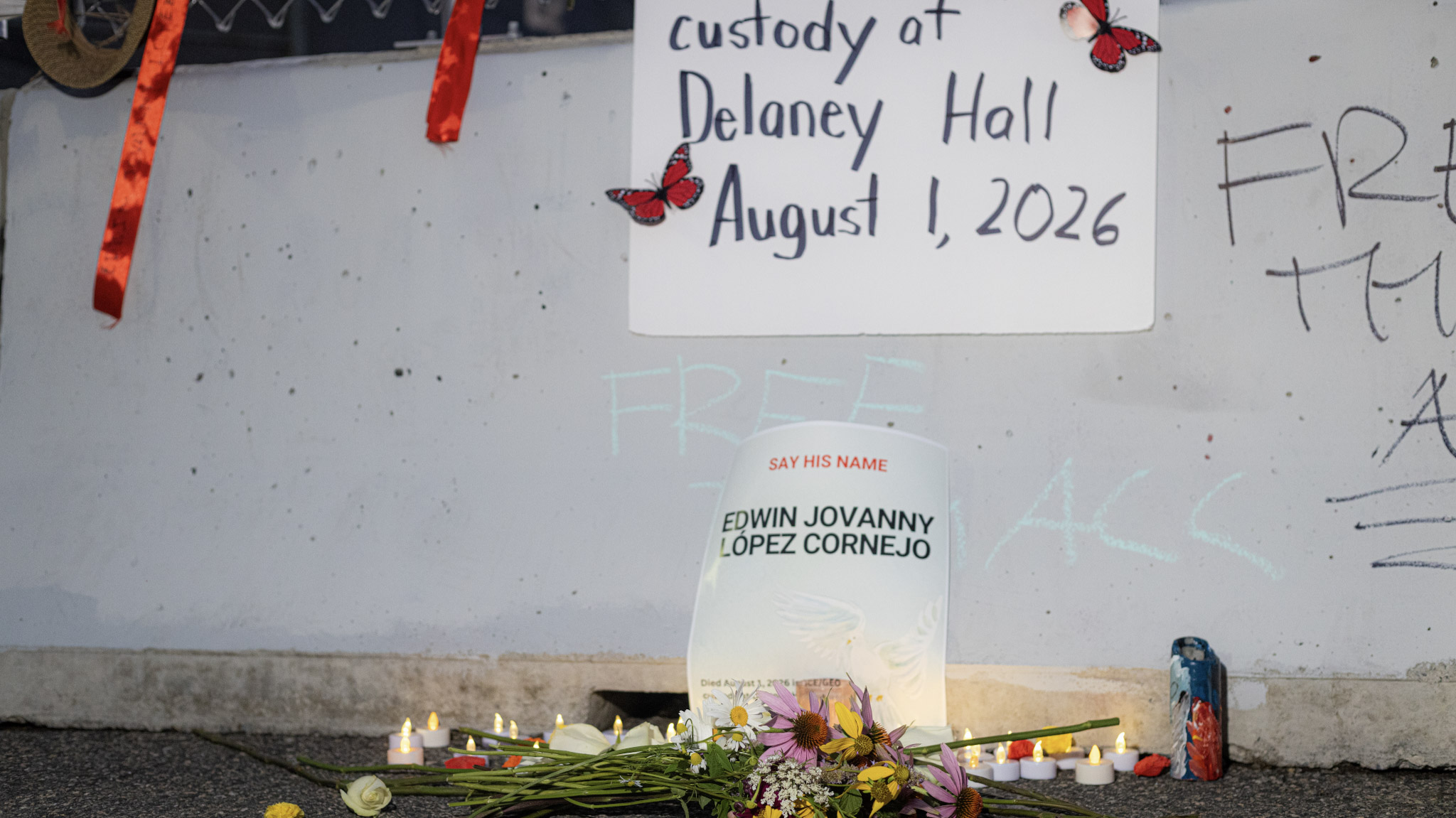


On Saturday, Aug. 1, around 6 p.m., María Cornejo received a call from the University Hospital staff in Newark, New Jersey. Her son Edwin Jovanny López Cornejo, a detainee at the Delaney Hall immigrant detention center in Newark, had been transported to the hospital that day after experiencing symptoms of partial paralysis and collapsing.
Her son had died, they told her. He was 39, she said.
“They called to tell me they had him there, that my son had arrived lifeless,” Cornejo said. “That is why I say my son died at the detention center.”

Speaking to Documented in Spanish, Cornejo said her son suffered from diabetes, high blood pressure, and seizures from epilepsy. But he told his mother in the days before his death that the officers at Delaney Hall gave him medications “when they wanted, not when he needed them.”
The previous week, López Cornejo said he was unwell, but said that doctors didn’t work every day at the facility. By Friday, he told his mother that he couldn’t feel half his face or his right hand.
His condition worsened, and by the next day, his family claims the detention staff, who were aware that he was ill, “did not act until after he collapsed.”
In a press release issued on Monday, U.S. Immigration and Customs Enforcement confirmed López Cornejo’s death, but said Delaney Hall staff “immediately” called 911 when he experienced the medical emergency that led to his death. “The official cause of death remains pending further medical examination,” the press release said. In its statement, ICE said López Cornejo was 41 years old, not 39, as his family told Documented.
López Cornejo’s mother said her son migrated to the United States more than two decades ago from El Salvador, fleeing the California-originated gangs in the country. On June 18, while on his way to work in Plainfield, New Jersey, he was intercepted by ICE agents in an unidentified car.
ICE alleged that López Cornejo had unlawfully reentered the U.S. after being deported in 2006. However, his mother and his brother Danilo López Cornejo said he held a valid work permit.
None of his family had seen him since he was detained. Not even his 12-year-old daughter, a U.S. citizen.
According to his mother, officials told López Cornejo that only U.S. citizens could visit detainees. “A cousin was about to visit to bring him his little girl,” Cornejo said. But because minors are not allowed to visit unaccompanied, “sadly, he wasn’t able to see his daughter again.”
Nothing on the Delaney Hall visitation website mentions a citizenship requirement for visitors; it only requires a photo ID.
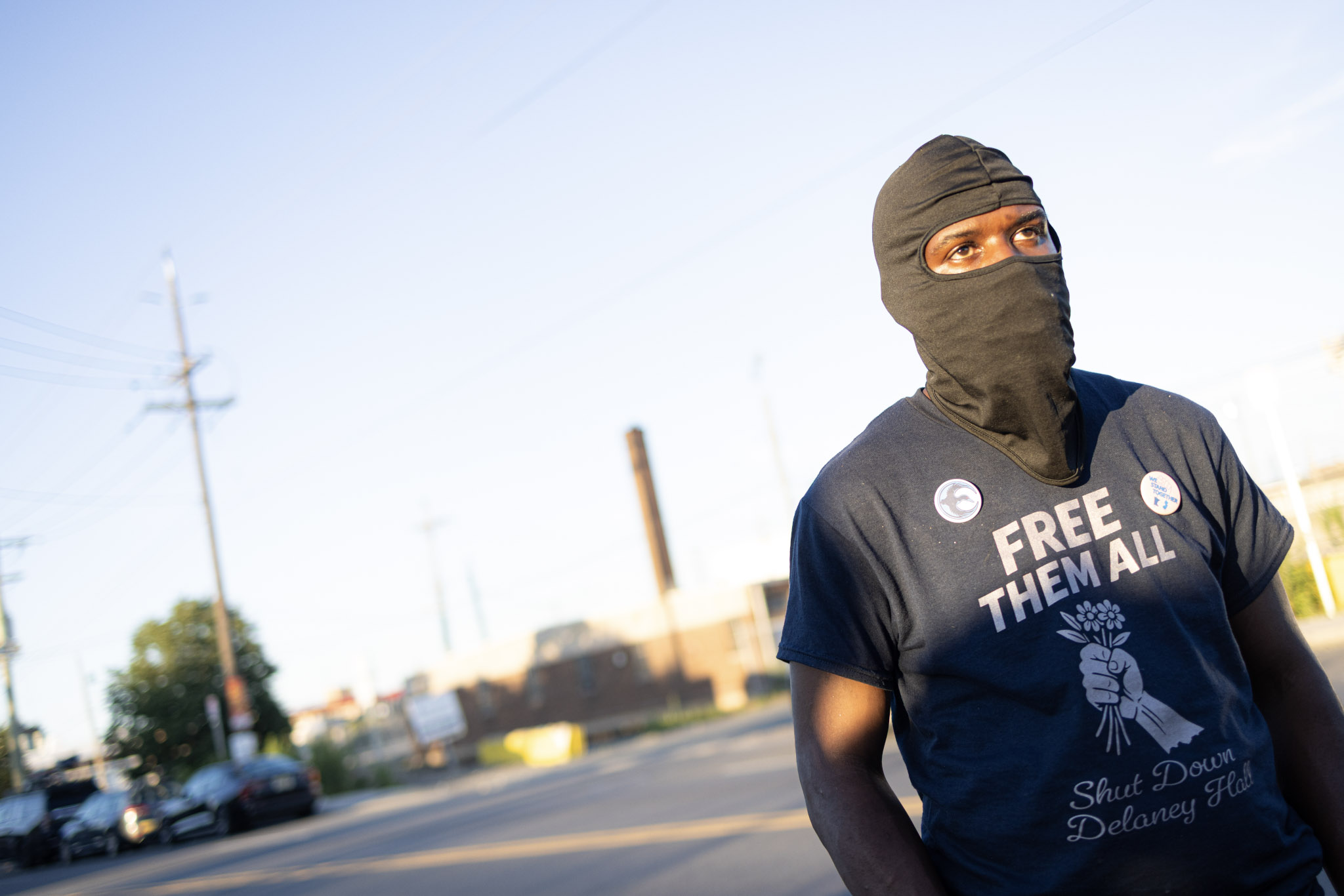
However, people without lawful immigration status are naturally afraid, said Gloria Tadii Ángeles, an activist and radio producer with Movimiento Cosecha who supports visiting families at Delaney Hall.
“There is a lot of misinformation both outside and inside,” she said. “The whole visitation situation has been a real problem.”
López Cornejo is at least the second detainee at Delaney Hall to die since the facility reopened in May 2025. Jean Wilson Brutus, 41, a Haitian immigrant, died after a medical emergency in December 2025. ICE has reportedly changed the cause of death from “natural” to “unknown” and finally to “inconclusive.”
At least 24 people have died in ICE custody this year. In 2025, ICE reported 33 detainee deaths, the highest in more than two decades. At this pace, the 2026 death toll will surpass last year’s record.
In May, more than 300 detainees at Delaney Hall went on a hunger strike to protest poor conditions. They denounced unsanitary food and water, widespread physical abuse, retaliation for filing complaints, and racism — along with medical neglect and the complete absence of due process.
Blocking Oversight
The family claims they have not received a call from ICE nor from Delaney Hall to acknowledge López Cornejo’s death. A lack of accountability is rampant in the facility, advocates said.
The detention center is operated by the GEO Group, which operates private prisons globally as well as several other ICE detention facilities. Another GEO Group-operated immigrant detention facility, the Moshannon Valley Processing Center in Pennsylvania, has received renewed protests after at least two deaths and a hunger strike among detainees to protest poor conditions.
Local authorities in New Jersey have likewise repeatedly raised concerns about the conditions at Delaney Hall, saying ICE and GEO Group staff have systematically denied full access to the facility to local officials and members of Congress.
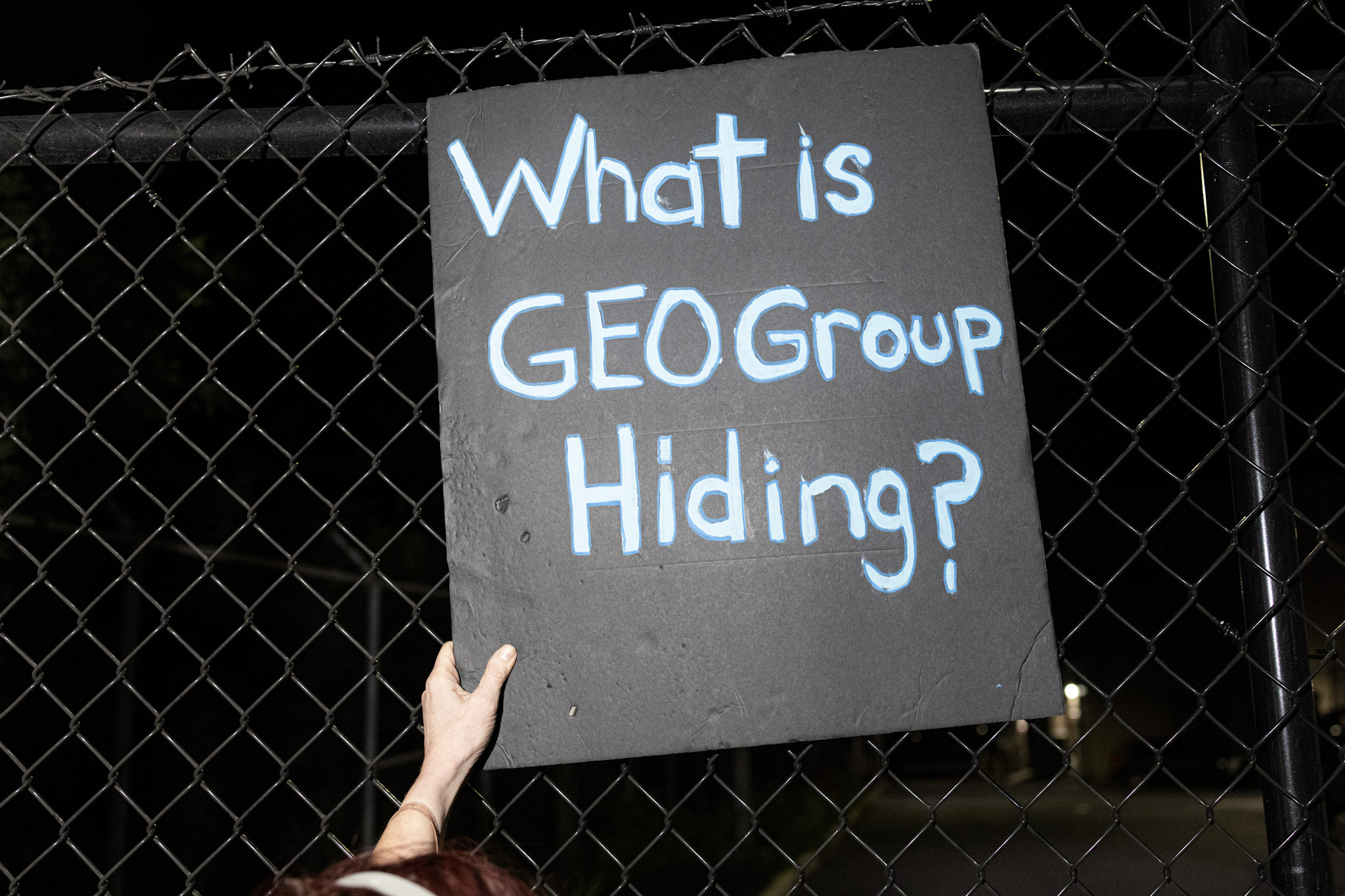
When reached for comment, GEO Group referred questions to ICE.
“Every effort to block oversight raises serious questions about what is happening inside Delaney Hall and what those operating the facility are trying to hide,” New Jersey Governor Mikie Sherrill said in a post on X after López Cornejo’s death.
In June, New Jersey Attorney General Jennifer Davenport filed a lawsuit against GEO Group seeking a court order granting the New Jersey Department of Health full access to the facility. A resolution is pending.
“GEO Group and ICE have repeatedly demonstrated a disregard for transparency, public oversight, and the laws designed to protect the health, safety, and dignity of those in their custody,” Newark Mayor Ras Baraka said in a statement about López Cornejo’s death. “When accountability is absent, tragedies become all too common.”
In an interview with Rebeldía Radio, an immigrant-led livestream service, Cornejo said she has lived in the U.S. for 23 years. “I’ve only ever focused on working.” Similarly, she said, her son Edwin Jovanny dedicated his life to work.
“How did he end up detained by these people?” she said. “I demand justice. That is the only thing I ask for: justice for my son, so that this does not go unpunished.”