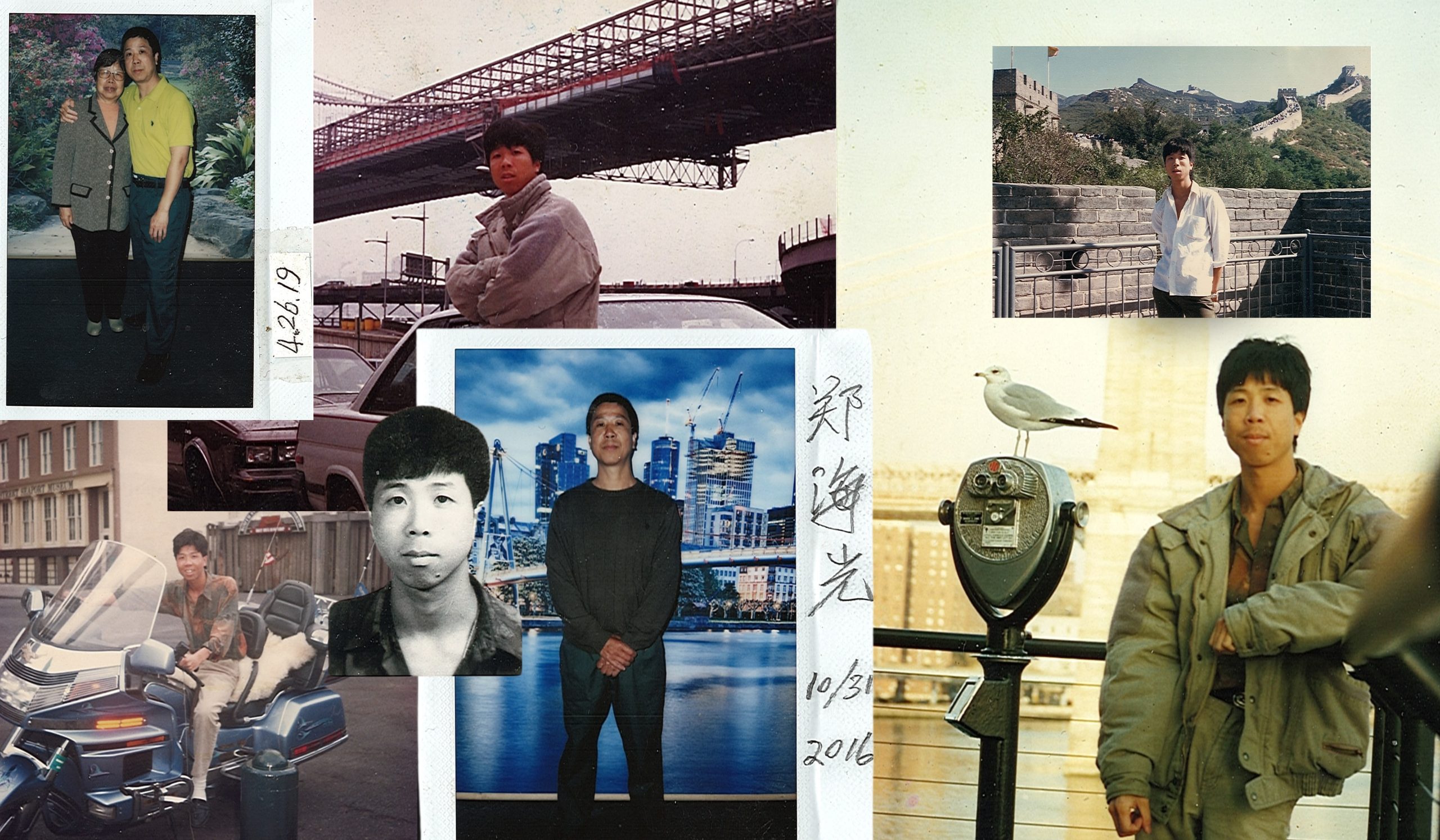


Earlier this week, we published an in-depth feature by correspondent April Xu about the dozens of Chinese men who have spent decades in New York’s prisons, swept up by the crackdowns on Chinatown’s gangs in the 1990s. Below, Documented contributor Rong Xiaoqing responds to April’s reporting, adding in her perspective covering the Chinese community and U.S. criminal justice system.
When I was reading April Xu’s epic story of former Chinatown gang members serving decades-long sentences in New York prisons, I could feel the tight knot in my stomach growing larger.

The flimsy investigations with dubious evidence, extremely harsh punishments, the pitfalls that the defendants with little knowledge of the American legal system inevitably fell into, are all too familiar. As a journalist covering the Chinese community in the U.S. for more than 20 years, I’ve seen this story repeat itself again and again.
The protagonists documented in April’s story were ensnared in the criminal justice system during an extraordinary period marked by surging waves of undocumented immigrants from China and the prominence of Asian gangs that both sought to recruit them and target them.
American society offered little understanding, sympathy and help to these immigrants. The gangsters from that era I’ve talked to often became victims of discrimination and violence before they joined the gangs to seek protection. And when they were caught, they often faced excessive punishment. “There might be justice on the streets, but there wasn’t in the court system,” Mike Moy, a former gangster turned NYPD detective, wrote in his 2025 memoir. Moy had seen his friend being tried as an adult for a crime he committed before turning 16.
But that era was not the beginning nor the end of the story. From the Rock Springs massacre in the late 19th Century, in which about 150 white laborers killed at least 28 Chinese immigrants in a riot amid rising hostility against Chinese laborers, to the late 20th century when young Chinese American Vincent Chin was killed by a duo of white auto factory workers who worried about losing their jobs to Japanese competitors and mistakenly identified Chin as Japanese, the perpetrators either received a slap on the wrist in court or nothing at all.
As an influx of immigrants once again intensifies social tensions in the U.S., inflamed by politicians, some newly arrived Chinese immigrants are encountering the system’s persistent bias against the poor and minorities again. Sometimes, it is fatal, as shown in the story of Chaofeng Ge, who was arrested for purchasing gift cards worth $154.62 with stolen credit card information and ended up dying in U.S. Immigration and Customs Enforcement custody.
The unfairness of the criminal justice system — clear to too many Black and Brown people born in the U.S. — can be uniquely disjointing to immigrants, who I’ve found are more likely to take American promises of freedom and equality literally. They are more likely to believe that the U.S. is an ideal society of “law and order,” where one’s income level and social status don’t make a difference in front of the law. That is, after all, the reason many of them take a long and often grueling journey to come here. When that is proved untrue, the disillusionment can be intense. As Yanfeng Ge, Chaofeng’s brother who struggled with exploiting employers backed up by the government in China, told me after Chaofeng’s death: “In China, they stole your wages. Here, they took your life.
For a long time, American mainstream narratives about immigrants have been largely about the realization of their American dreams. But there is a very jarring alternative in April’s story – of the evaporation of faith in American promises, of being betrayed by something one had firmly trusted, of the extinguishing of a beacon of hope. The sound of American dreams breaking.