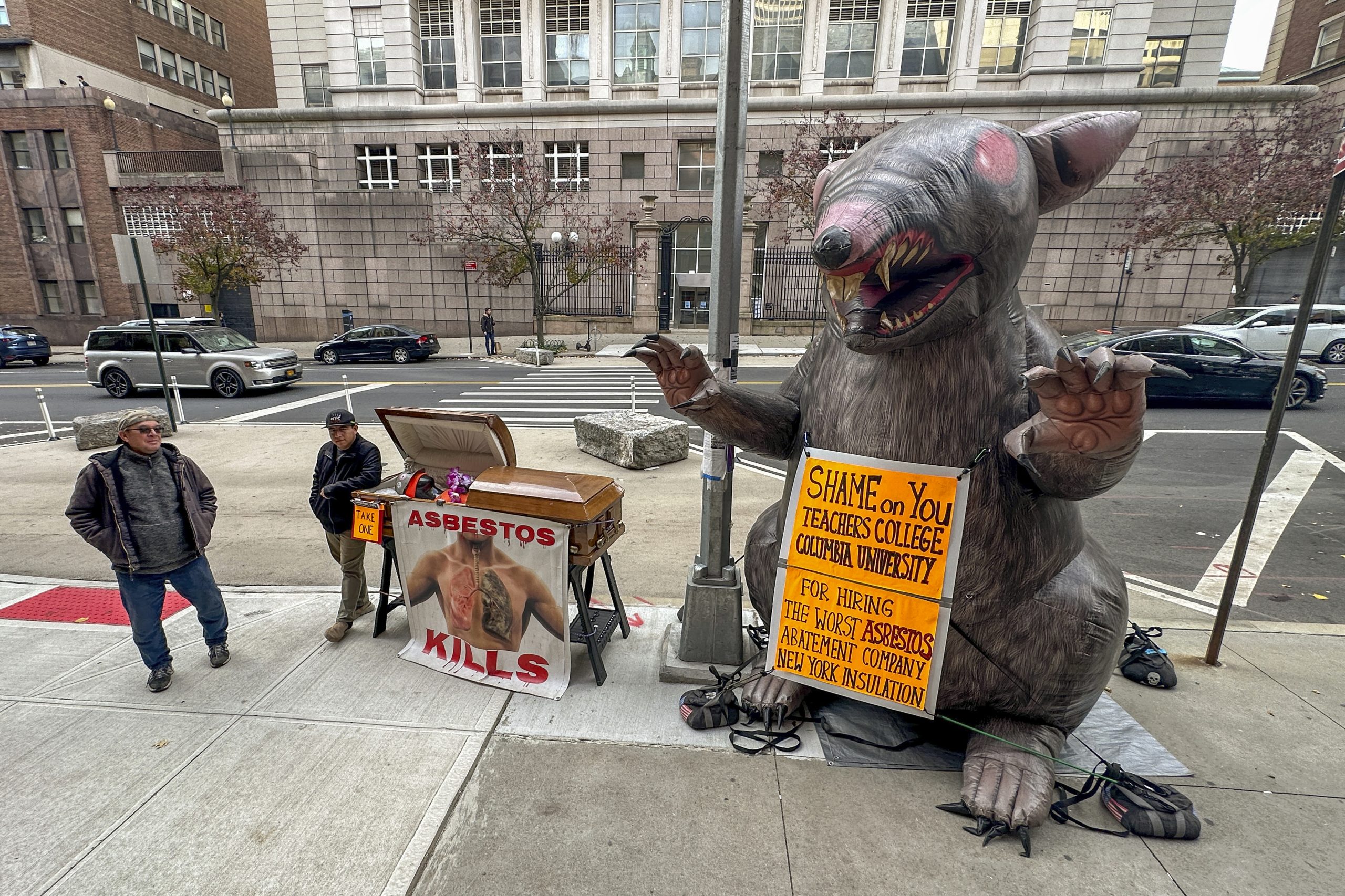


Scabby the Rat — the unofficial mascot of labor picket lines in New York City — just won a major battle in the fight to protect protesters’ rights.
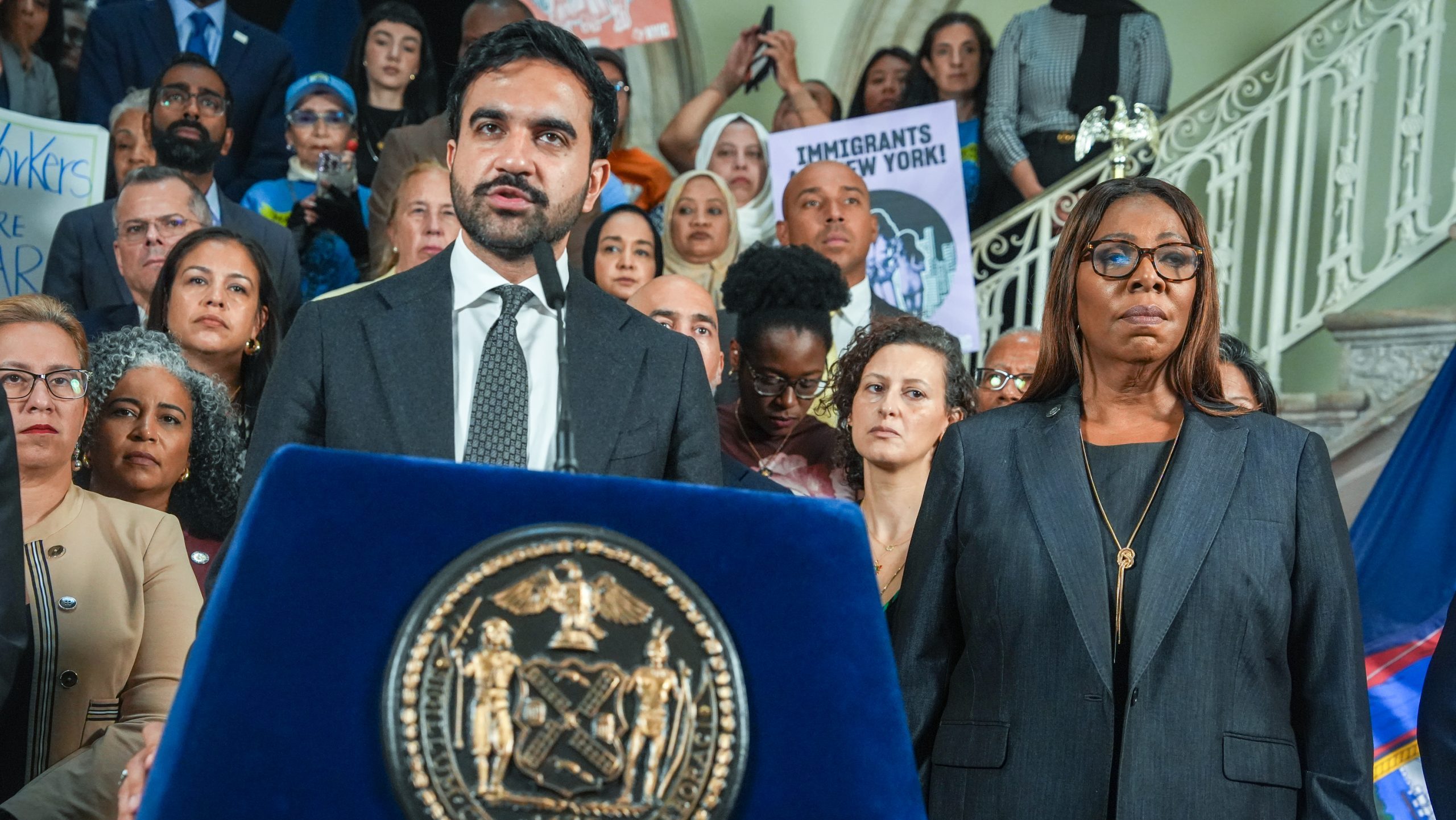
On Friday, Mayor Zohran Mamdani announced that he’s vetoing legislation that would have given the NYPD power to establish anti-protest buffer zones outside schools and educational institutions.
Critics of Int. 175-B, including city labor unions, say the bill would have severely hampered free speech. The bill grew out of concern that the protests against what many regard as a genocide in Gaza could cause upheaval on local campuses.

According to the mayor, the bill, as written, raises constitutional issues as it widely defines what would be considered an educational institution. If passed, protesters could face undue restrictions for actions staged outside of universities, museums, and teaching hospitals.
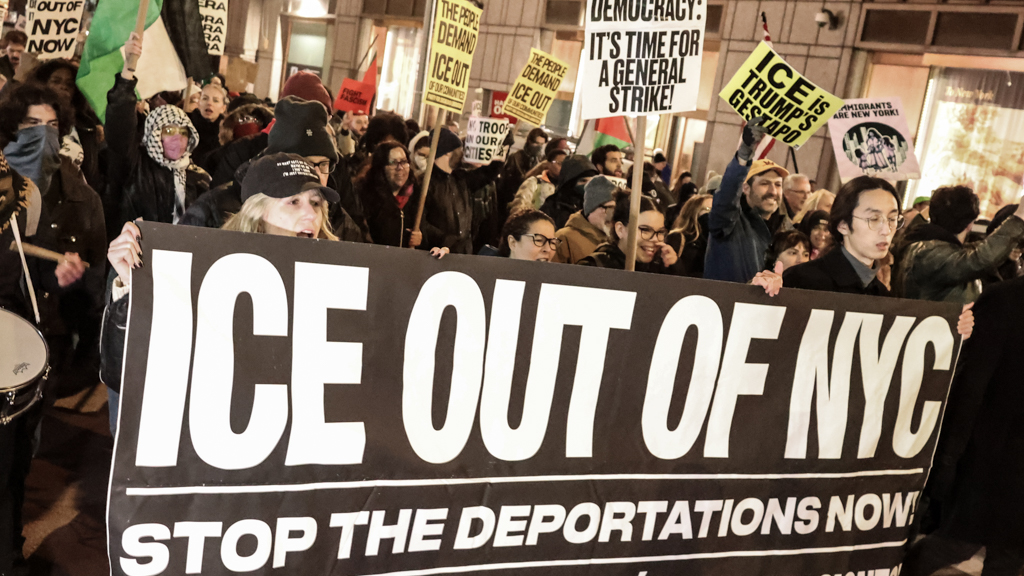
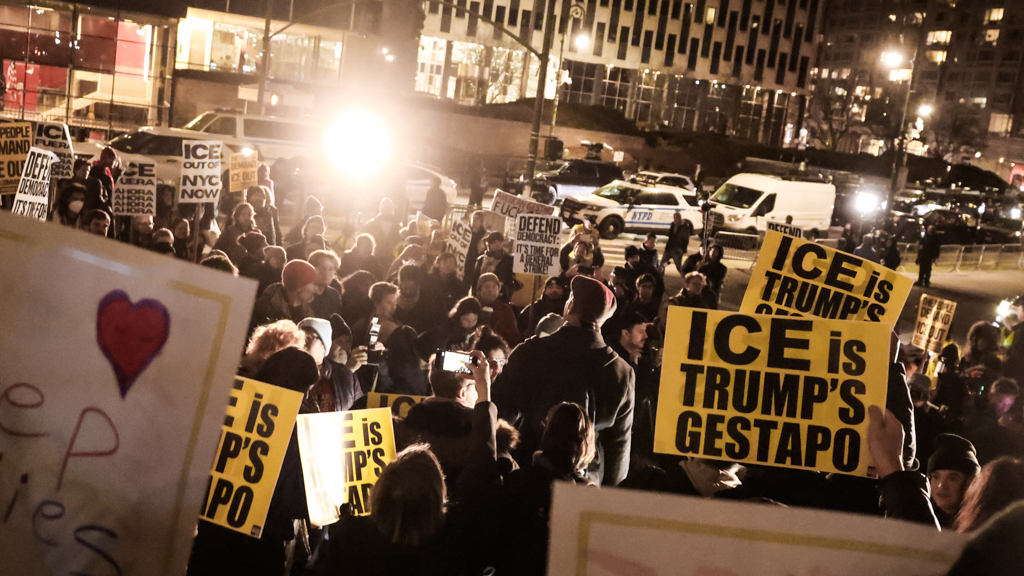
“This could impact workers protesting ICE, or college students demanding their school divest from fossil fuels, or demonstrating in support of Palestinian rights,” Mamdani said in a statement. “Int. 175-B is not a narrow public safety measure; it is a piece of legislation that has alarmed much of the labor movement, reproductive rights groups, and immigration advocates, among others, across this City.”
The City Council could override the mayor’s veto, but it’s not clear if members will.
Mamdanis’ veto comes as labor unions have spent the last few weeks raising their concerns about the bill. But it’s only a partial victory.
The bill was one of two passed on March 26, both championed by City Council Speaker Julie Menin. The other piece of legislation, which would create a buffer zone around religious sites, passed with a 44-to-5 veto-proof majority. The education facilities bill passed with only a 30-to-19 margin, making it possible for Mamdani to veto it.
Since both bills’ passage, civil rights advocates and unions have expressed concerns that the bills limit free speech.
In the original language of the bill targeted at education facilities, the NYPD would have been empowered to create security perimeters within 100 feet of any establishments deemed an “educational facility.” All protesters would have been subjected to the new restrictions on their actions, including labor picket lines, which are famously accompanied by a giant inflatable rat affectionately known as Scabby the Rat. Used by unions for decades to protest unfair labor practices, Scabby has become an icon of the labor movement.
In the wake of sustained opposition from higher education unions, which represent thousands of faculty and staff across the city, an amendment was added to the bill that would give an exception to labor unions exercising their protected right under the National Labor Relations Act.
Still, unions, advocates, and community groups urged the mayor to veto the bill, saying the language in the amended legislation was still vague enough to restrict workers’ right to protest.
“The legislation is a direct attack on our basic First Amendment right to speak out about important workplace and community issues, with city legislation effectively preventing workers from taking collective action outside their workplaces,” said Dr. Rohan Pinto, Regional Vice President of the Committee of Interns and Residents. “As union doctors, our ability to rally outside our hospitals ensures we can protect our labor rights and fight for quality patient care and health justice. We will not stand for this affront to the rights of workers and the communities we serve.”
Fahd Ahmed, Executive Director of Desis Rising Up & Moving (DRUM), says the bill could also restrict the rights of immigrant workers who are not in a traditional union’s ability to protest their bosses.
“If a protest-related bill has to make an exception for labor, it means it restricts some free speech,” he told Documented. “If the labor exception only applies to formal labor, it excludes the vast majority of immigrant workers, who make up the most highly exploited and vulnerable workers in New York City, who already face high risks for speaking out. This bill will further intensify risks for them.”
For Speaker Menin, the bill, which came in response to the wave of pro-Palestinian protests across college campuses in 2023, does not restrict the right to free speech — but only strengthens it.
“This legislative package strengthens transparency, improves coordination, and ensures safe access while fully safeguarding First Amendment rights,” she said in a statement shared with Documented. “We must protect freedom of religion and freedom of education while upholding the sacrosanct First Amendment rights that define our city.”