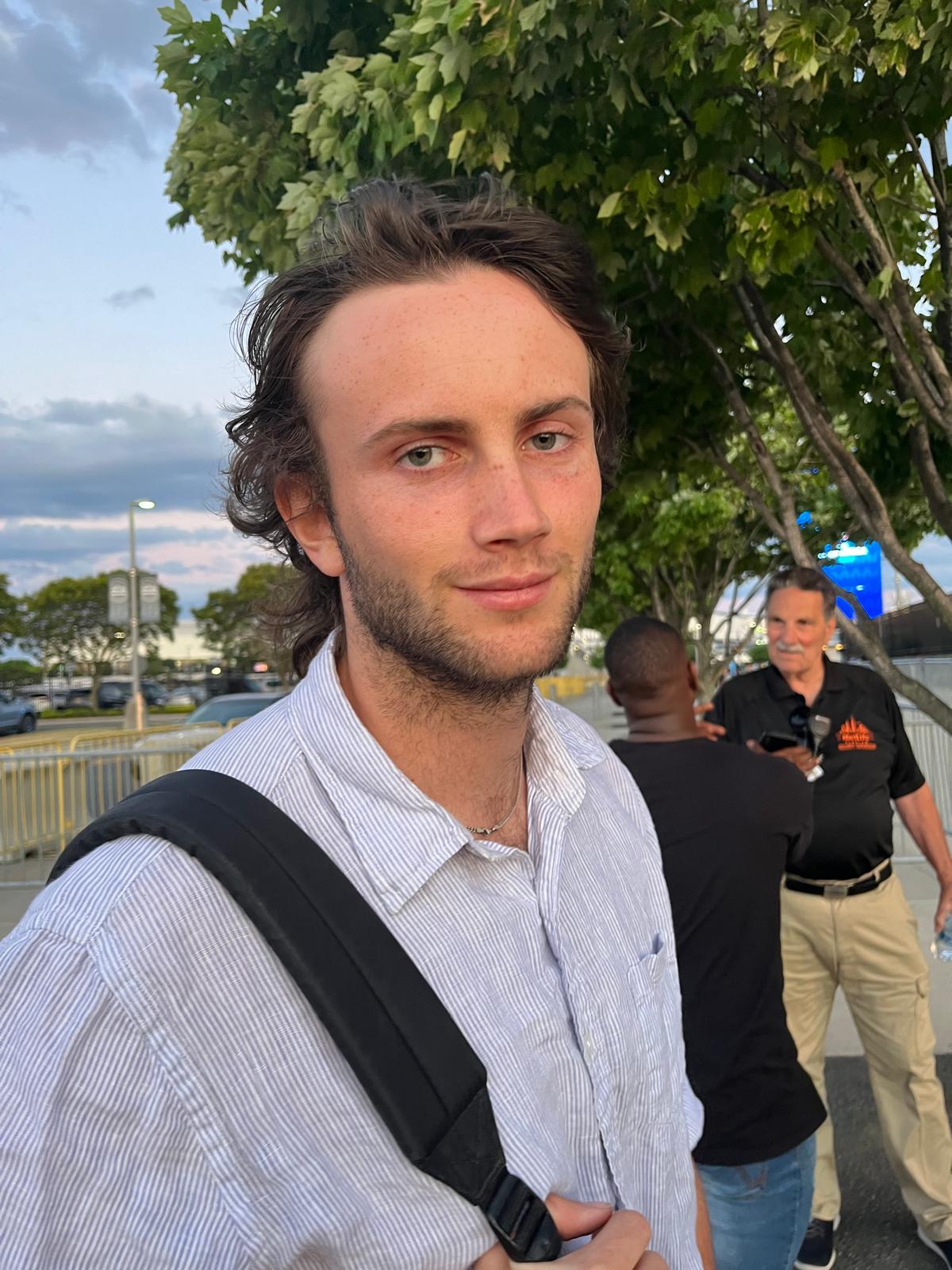


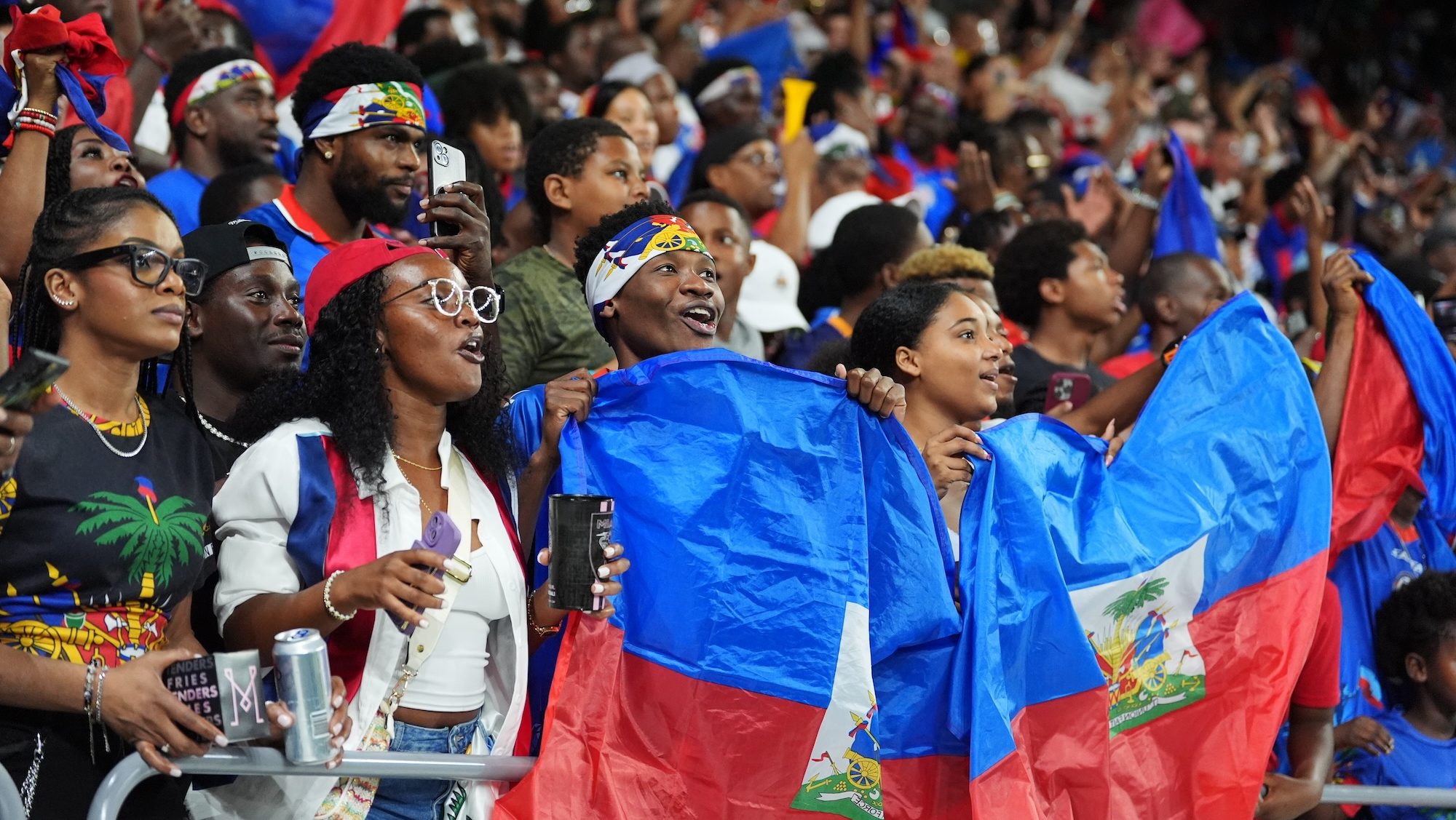


Like many Haitian soccer fans, Ronald Nazaire has endured a more than half-century wait for Haiti’s return to the World Cup. But for Nazaire, founder and president of a Haitian soccer club in Queens, the team’s accomplishment is bittersweet, since a Trump-imposed travel ban has threatened to shut fans out.
“We have waited 52 years to qualify, and now we can’t even come to enjoy it,” he says. “I know so many people back in Haiti who would have loved to come, but they simply can’t.”
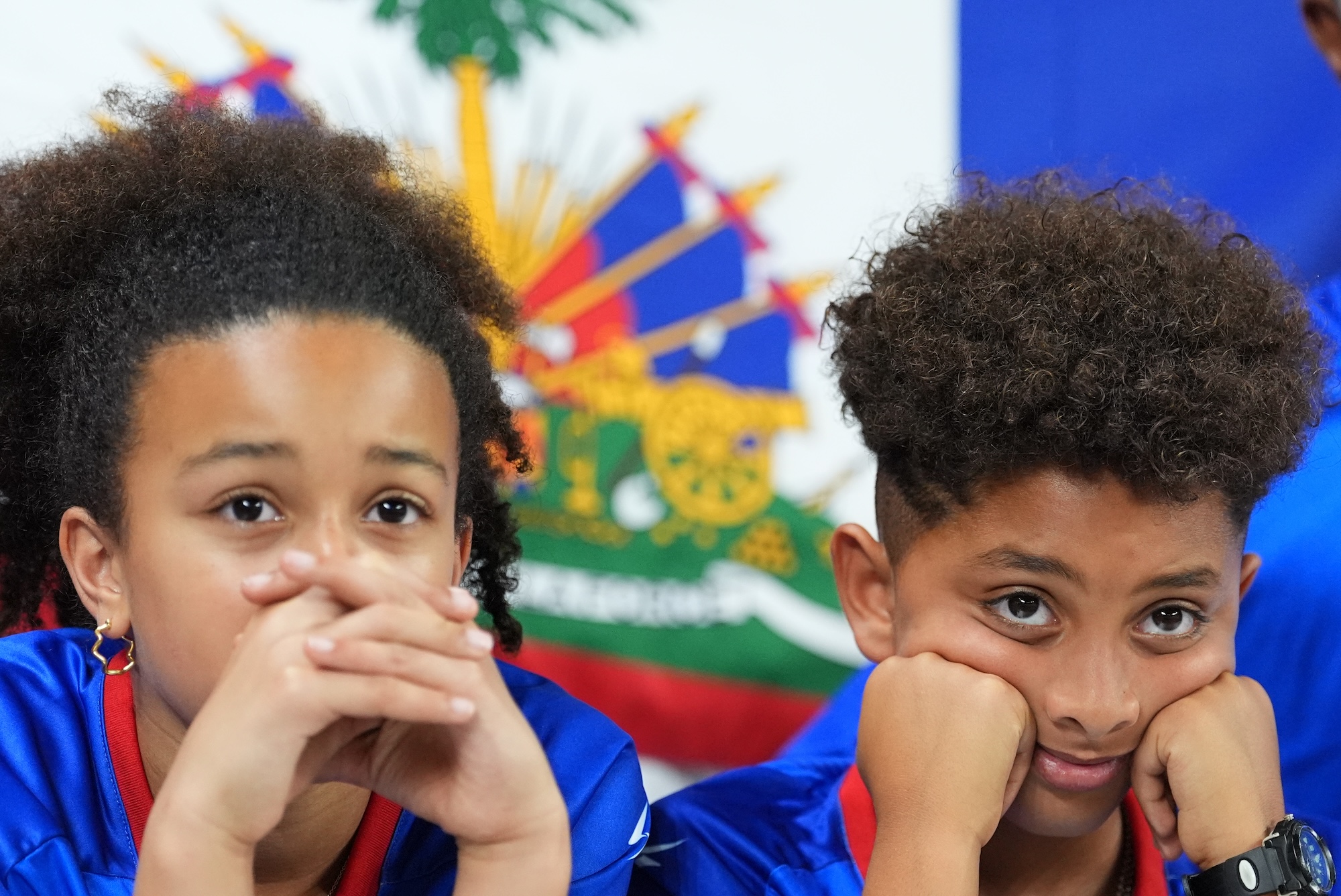
The World Cup expanded from 32 to 48 teams this year and will be hosted across 16 cities in the U.S., Canada and Mexico. In March, FIFA President Gianni Infantino promised that “America will welcome the world” to the landmark tournament.

The vagaries of Trump’s immigration policy, however, have derailed many hopes of a warm American welcome for fans, team staff, referees and even players from some countries. With the tournament now only days away, Haitian fans have been unable to travel here to see their team play.
Suspended. Revoked. Banned.
In January 2026, the State Department suspended all visa categories from Haiti, effectively making it impossible for Haitians to come to the U.S. This comes after Trump announced a full-scale travel ban for Haitians in June 2025. The Trump Administration also revoked Temporary Protected Status for Haitian immigrants in November. In a further blow, the Federal Aviation Authority (FAA) recently extended its ban on flights from the U.S to Port-au-Prince — the Haitian capital.
All of this is happening against the backdrop of prolonged violence in the island nation, where armed gangs still control much of Port-au-Prince and several provincial cities. The violence that engulfed the country after the assassination of President Jovenel Moise in 2021 has led to the displacement of nearly one and a half million people.
“We have waited 52 years to qualify, and now we can’t even come to enjoy it.”
—Ronald Nazaire, founder of Osner’s F.C, a Haitian soccer club in Queens
On their way to World Cup qualification, Haiti’s team had to play all its home games in the neighboring island of Curaçao because of the threat of violence in its own country — meaning that many of the players have never had the chance to play in front of home fans.
The travel ban has already affected some Haitian players. In March, several Haitians who play on a Jamaican professional team, Mount Pleasant FA, were denied entry to the U.S. ahead of their Concacaf Champions Cup match against LA Galaxy. The State Department has guaranteed that for the World Cup “any athlete or member of an athletic team, including coaches, persons performing a necessary support role, and immediate relatives,” will be exempt from the travel restrictions.
Stateside, Haitian immigrants are also feeling the squeeze. In recent months, as part of its immigration crackdown, the Trump administration has targeted Haiti’s Temporary Protected Status (TPS), a humanitarian parole program which allows Haitian immigrants to work and live legally in the U.S. The policy shift has already affected more than 350,000 Haitian TPS holders and humanitarian parolees. The fight to preserve these protections is now before the Supreme Court, with a decision expected in the next few weeks. In the meantime, thousands of Haitians in New York — a majority of whom live in Brooklyn — have been left to live in a fearful limbo.
“When ICE started ramping up deportations it became a ghost town.”
—Rita Joseph, NYC City Council Member
“We can see the effects on Nostrand Avenue,” says Haitian-American City Council member Rita Joseph, describing how Trump’s immigration crackdown has impacted the community. “When ICE started ramping up deportations it became a ghost town.”
ICE arrests of Haitian nationals in New York have also increased by 875% in the last year, from 16 in 2024 to 156 in 2025. For Haitians, the World Cup offers no relief from that daily threat. Despite FIFA’s push for a moratorium on ICE raids during the tournament, acting ICE director Todd Lyons has confirmed that ICE will be a “key part of overall security” throughout the tournament.
DoDor Services offers immigration assistance and English language classes to recently arrived Haitians. Their offices on Nostrand Avenue used to be a hive of activity, though now — amid fears of ICE detention — many regulars are staying away.
“We had to stop our language classes because no one was showing up,” said Pascal Antoine, who manages a community radio station out of the office. “There has been a palpable shift in the neighborhood.”
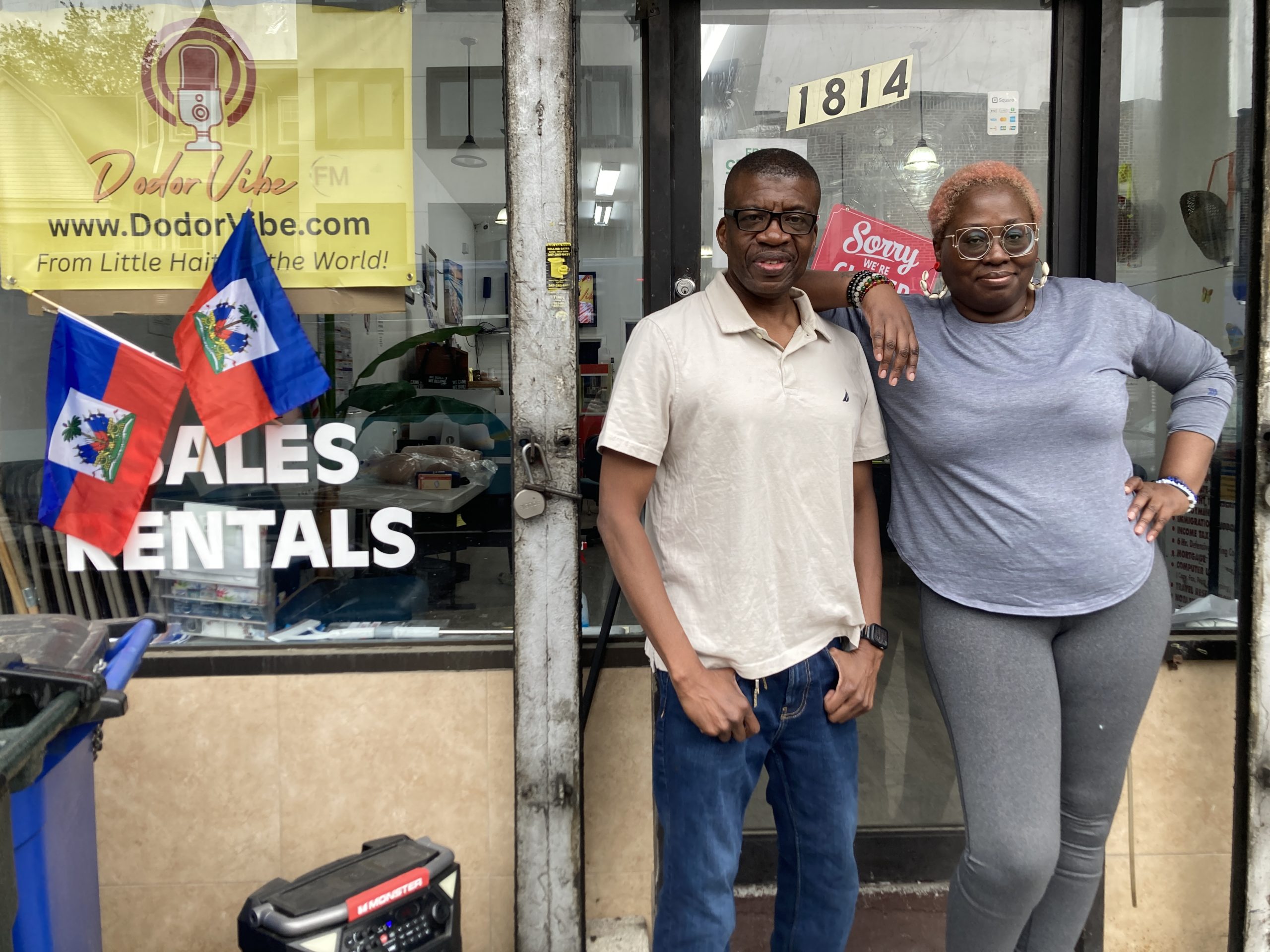
Since Trump has shut down nearly every legal avenue of immigration for Haitians, the nature of DoDor’s work has changed. Antoine explains that, for the first time, they now offer assistance to Haitians seeking to self-deport. “Many are looking to move to Canada, South America or even back to Haiti,” he says. “It has become so tough to be here.”
Other Haitian businesses have also suffered. Ken Charles, an employee at Buffet Kreyol on Nostrand Avenue, says some of his fellow Haitian employees have been afraid to come to work for fear of ICE detentions. “People are just afraid to be out on the street,” he says.
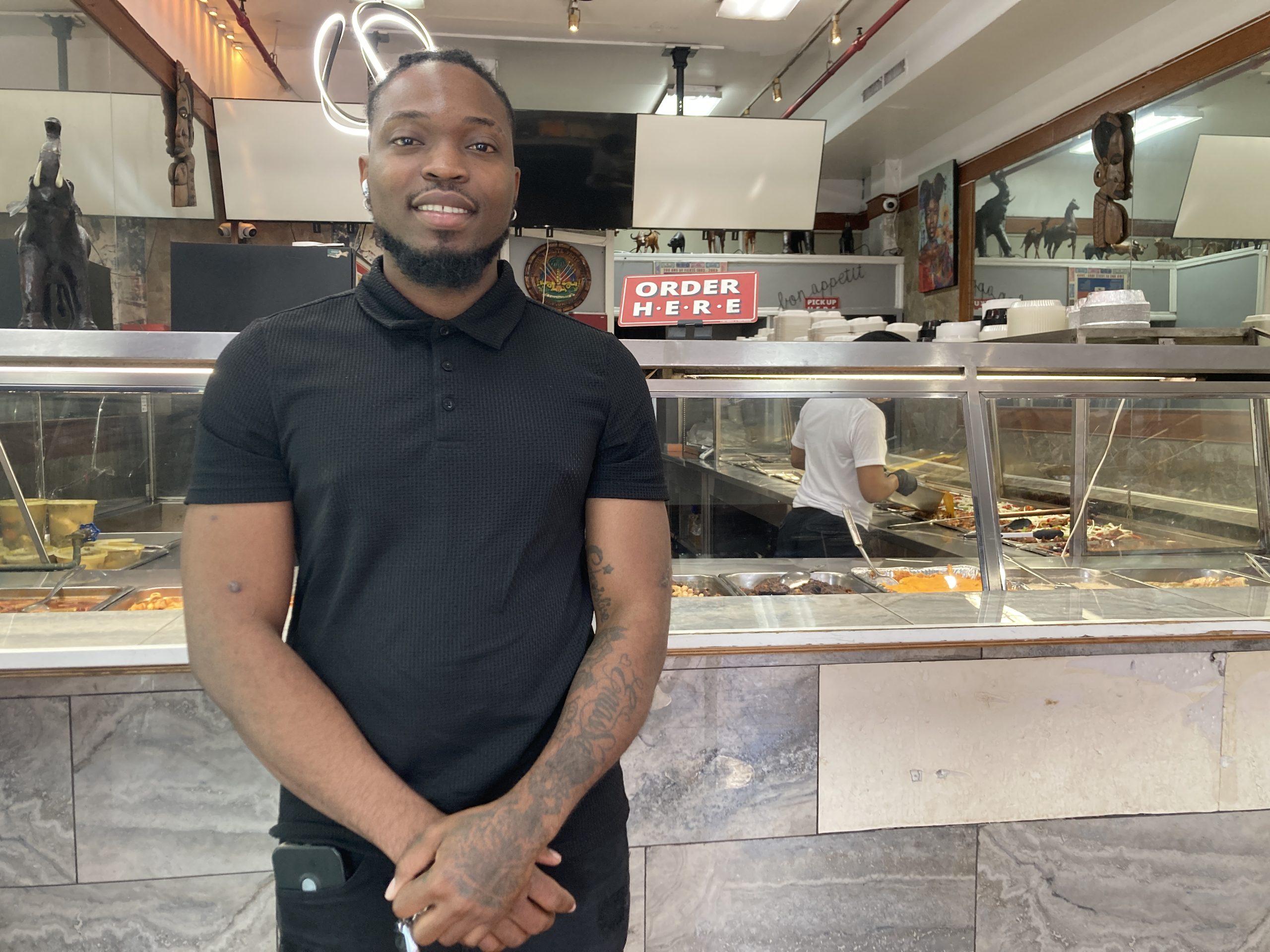
Despite the climate of fear, the restaurant plans to host watch parties for Haiti’s upcoming group stage games. “We are going to mobilize to send the message that we aren’t terrorists or criminals,” says Charles. “We’re human and want to be treated that way.”
Others in New York’s Haitian community have similarly resolved to mobilize, and make their voices heard during the World Cup.
Carla Jean-Jacques, a second-generation Haitian American and administrative assistant at DoDor, says she’s compelled to help her compatriots. “It’s my job to organize and disseminate information,” she says. “The greatest antidote to fear is knowledge.”
Antoine, whose parents came to the U.S. in the late 1960s, initially struggled to embrace his Haitian heritage. “I could barely point to Haiti on a map,” he says. Now, he’s found inspiration in the younger generation of Haitian migrants who have pushed for greater recognition. “They’re the ones who are going to take on the mantle and continue the fight,” he says.
‘Soccer can provide a way out for us’
In 2021, Benedik Christian Augustin came to New York on TPS, leaving behind a promising soccer career in Haiti. He bounced from club to club before eventually finding home at Osner’s F.C. Through soccer, he has built connections with other Haitians in New York. “This is more than just a club,” he says. “This is a way for us to build community and represent our country.”
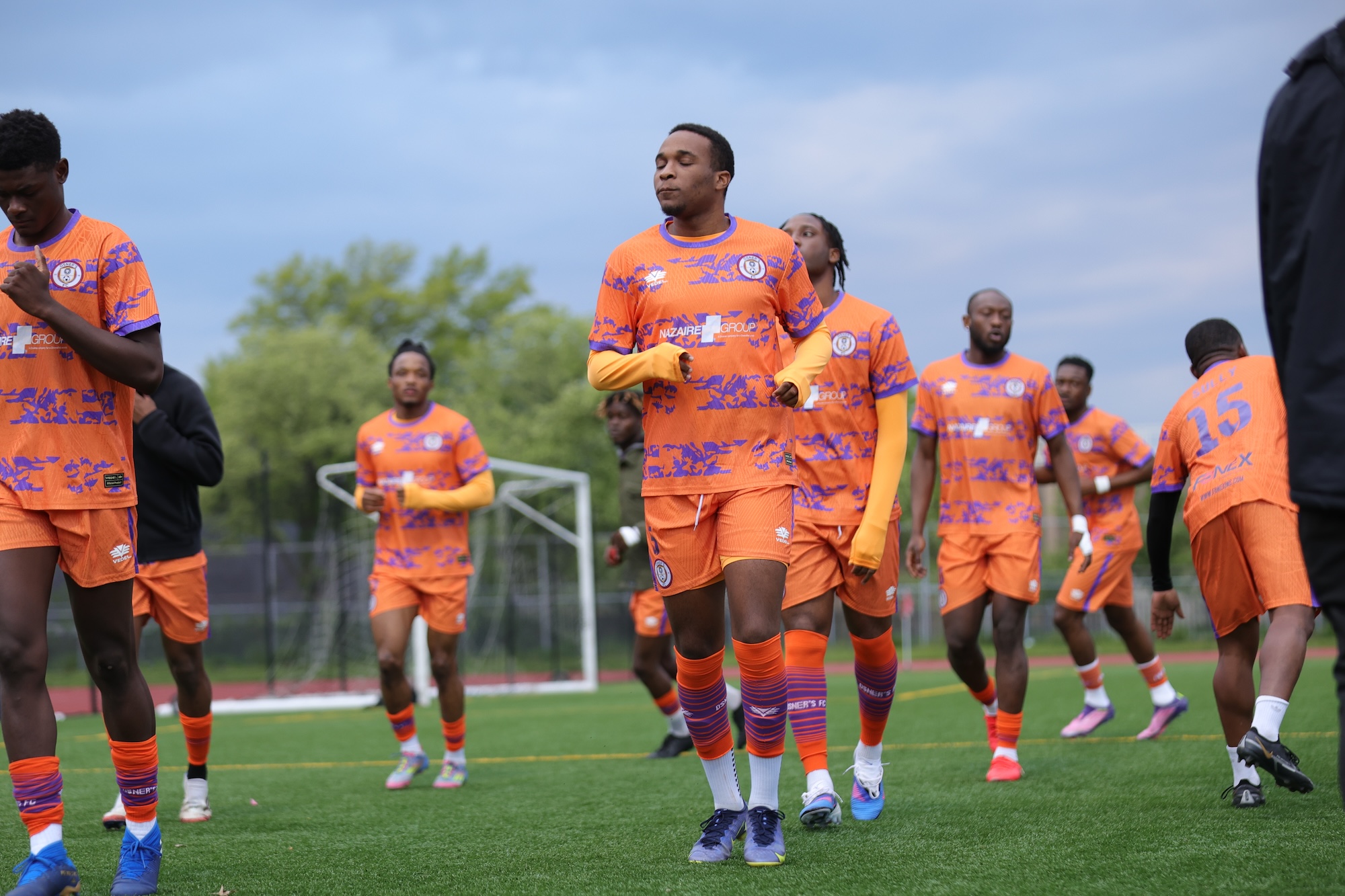
Club founder and president, Nazaire, moved to New York as a teenager before securing a soccer scholarship to the New York Institute of Technology. He attests to how soccer can help unlock opportunities for immigrants in the U.S. “Soccer can provide a way out for us,” he says. “There are so many opportunities.”
Nazaire seeks to nurture Haitian talent through Osner’s FC, recruiting players directly from Haiti’s national youth teams. He puts new recruits up in the clubhouse while they find their feet in a new environment.
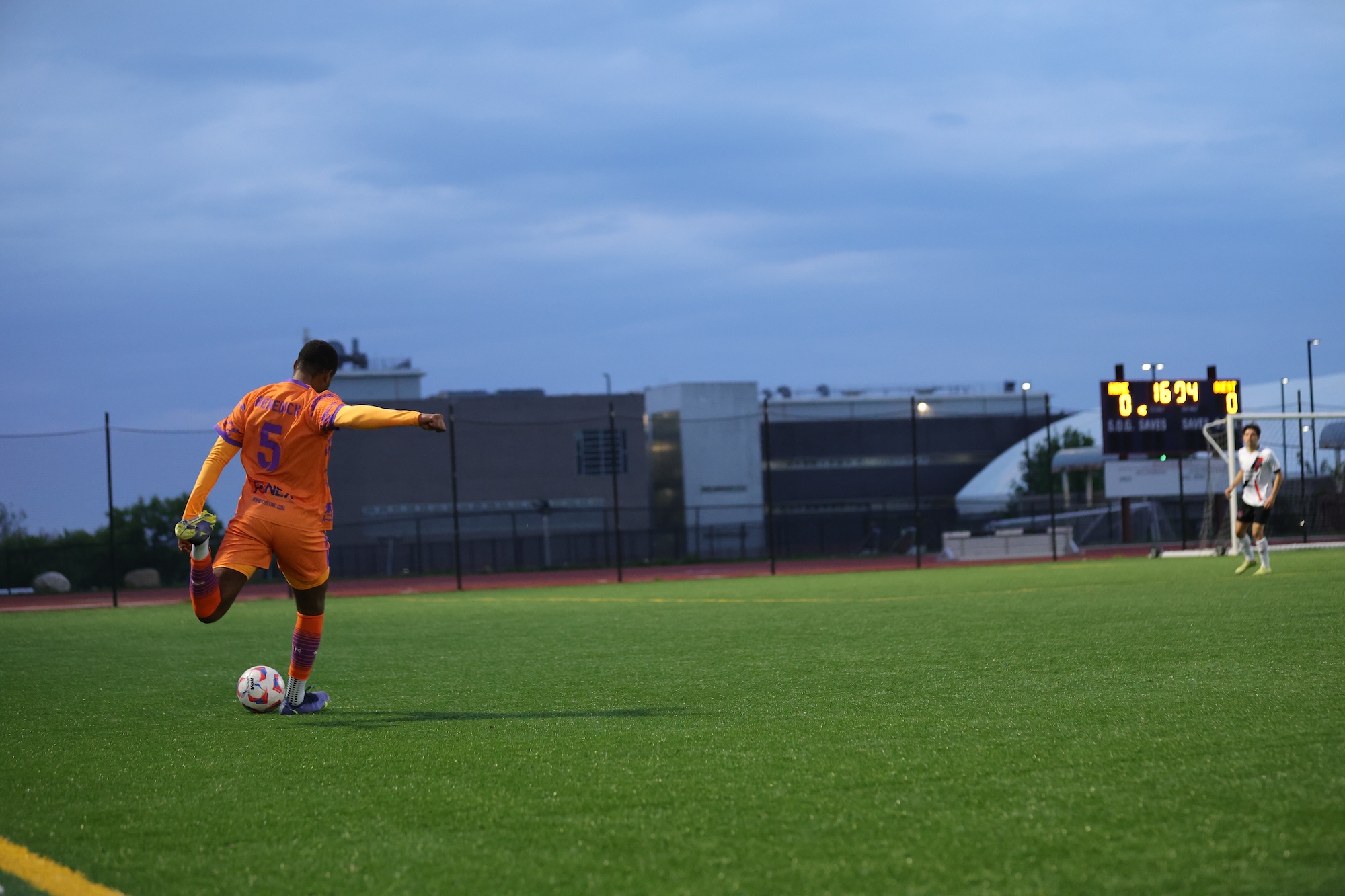
However, the recent travel ban has disrupted direct recruitment from Haiti. Instead, Nazaire has tried to bring Haitian players based in Florida, though some are hesitant to travel, even within the U.S., for fear of ICE detention. “One of them was too afraid to come at all,” he recalls.
An enduring team spirit
Last month, Haiti announced its final World Cup squad. It consists mostly of diaspora players and includes only one player from the Haitian league — Woodensky Pierre. The midfielder joined the rest of the squad a week late because of a delay with his visa. Last Wednesday he reunited with his teammates after Haiti’s World Cup warm-up victory over New Zealand in Florida.
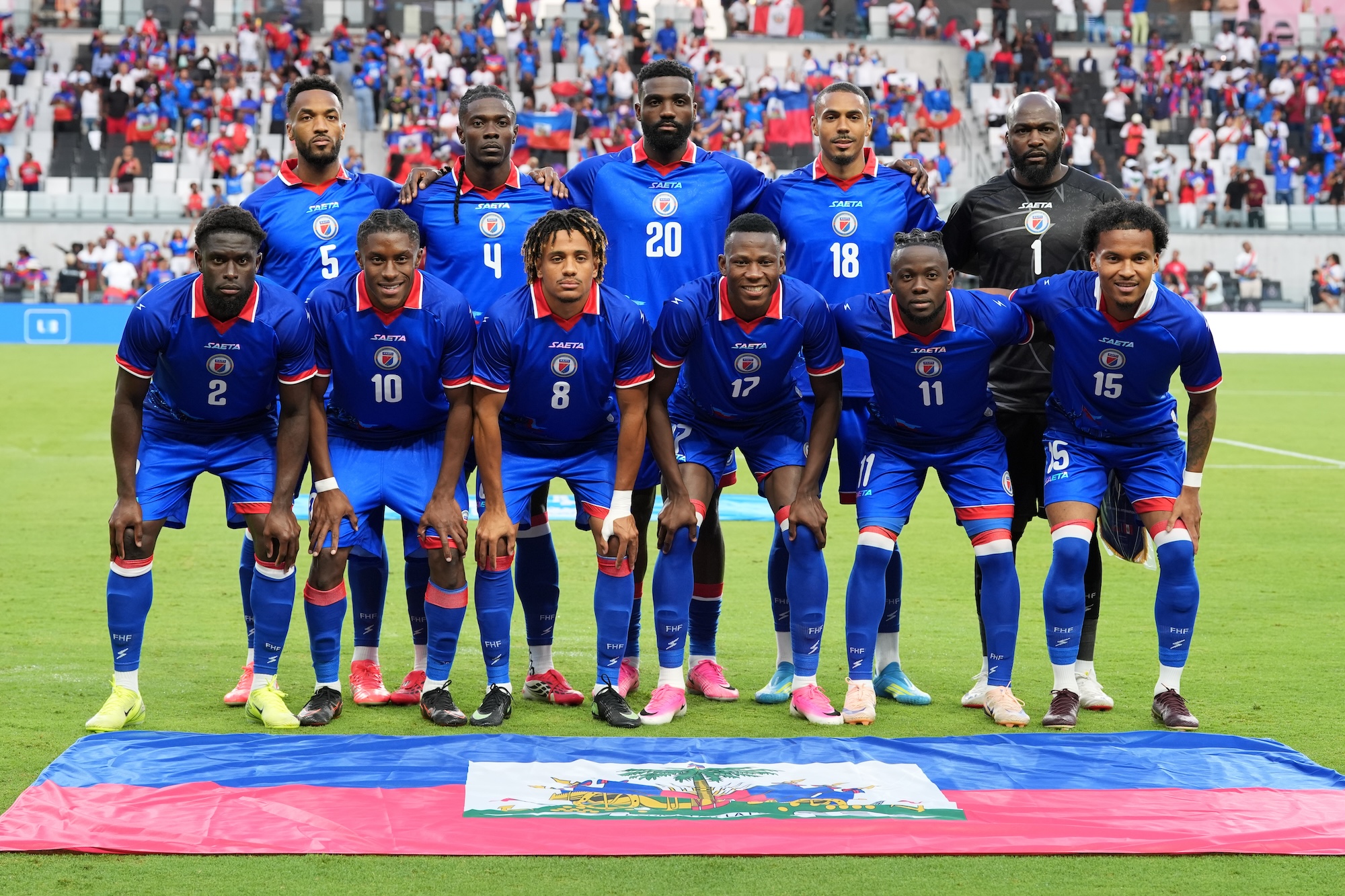
Les Grenadiers, as they are known, have become a source of great pride for the Haitians, both at home and abroad — including in New York.
Squad members Derrick Etienne Jr. and Duke Lacroix both grew up in New Jersey, with the former starting his career at the New York Red Bulls. Striker Wilson Isidor recently chose to represent Haiti after playing for France at the youth level. His decision came only a few months after Haiti secured qualification to the tournament — a major draw for attracting diaspora talent back to their home country team.
Haiti’s last World Cup appearance over 50 years ago still looms large in Haitians’ collective memory. “Since I was a kid, we were all told about the 1974 tournament,” says Augustin. “I used to watch all the old clips; it was something I could only dream of.”
“Trump has waged war on us, and made our lives really difficult. But we’re not going anywhere, we will find our voice again.”
—Pascal Antoine
This time around, Haiti hopes it can spring a surprise in a decidedly difficult group. They play their opening match against Scotland in Boston on June 13 before taking on Brazil and Morocco in Philadelphia and Atlanta, respectively.
Uncertainty and fear aside, there is still excitement ahead of the tournament. Pascal Antoine hopes that the World Cup can help revitalize New York’s Haitian community.
“Trump has waged war on us, and made our lives really difficult,” says Antoine. “But we’re not going anywhere, we will find our voice again.”