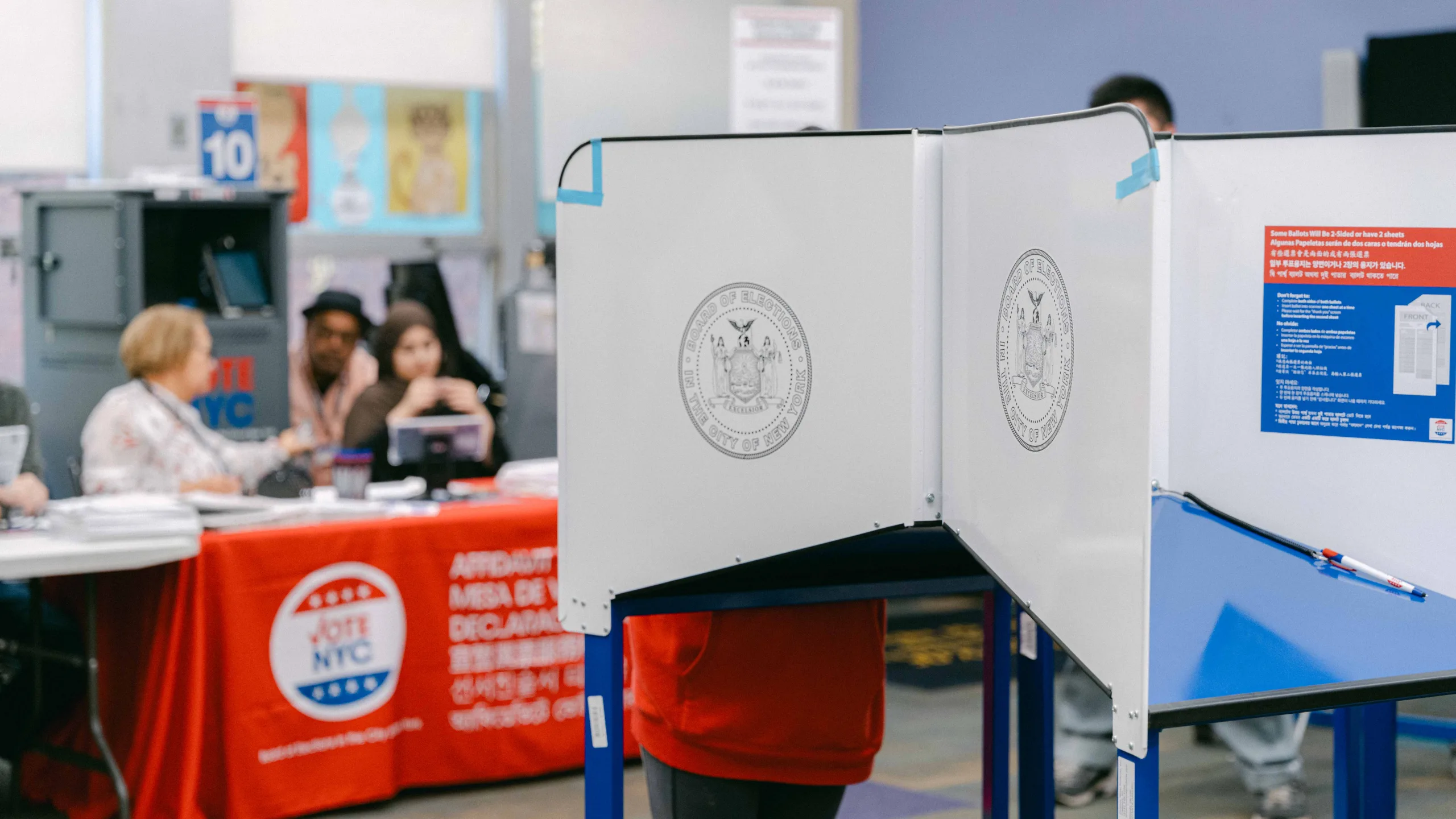


An estimated 2.7 million naturalized U.S. citizens in New York will be eligible to cast their ballot in the November midterm elections — but not everyone may feel safe enough to vote as the Trump administration broadens their attack on both immigrants and voting rights.
The president, along with senior administration officials and top allies, have made repeated claims in recent months that they may deploy Immigration and Customs Enforcement (ICE) agents to poll sites. While legal scholars have said that doing so would be illegal, voting rights experts told Documented that the escalating rhetoric may still have a chilling effect on turnout this fall.
Trump, who has falsely claimed the 2020 election was stolen, has issued calls to “nationalize” voting. In February, he said he has no “formal plans” to send ICE to polling sites. Then, iIn response to a journalist’s question last month, he said he would not rule out the possibility of deploying federal immigration agents or the National Guard to poll sites in November, adding: “I’d do anything necessary to make sure we have honest elections.”

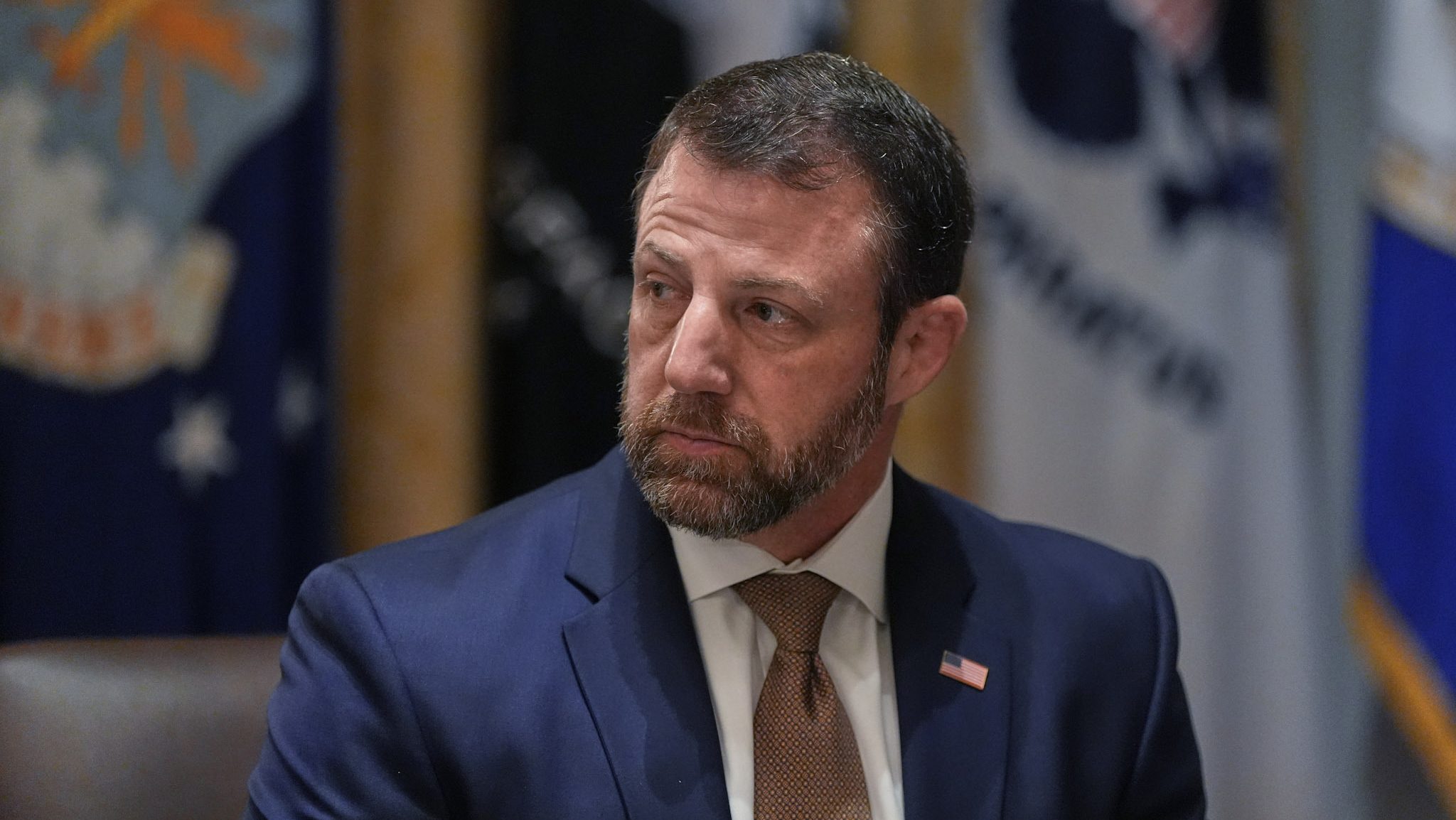
But Markwayne Mullin, the new Secretary of Homeland Security, did not rule out sending ICE to election sites during his confirmation hearing in March, nor did White House press secretary Karoline Leavitt while speaking to reporters the month prior.
Acting Attorney General Todd Blanche — who Trump has formally tapped to become the top prosecutor in the U.S. — endorsed the idea at the Conservative Political Action Conference in March, stating, “Why is there objection to sending ICE officers to polling places? Illegals can’t vote. It doesn’t make any sense.”
Together, these threats align a broader effort to potentially intimidate immigrant voters and discourage election turnout, experts told Documented.
Susan Lerner, executive director of Common Cause New York, told Documented that sending ICE to the polls would be a crime under federal law.
“I think the most important thing for new American voters to understand is that the federal government can’t take over our elections,” she said. “The U.S. Constitution firmly provides that states control our elections, federal and local, and it’s New York State that sets the terms for how people will vote.”
Even so, she is worried that the Trump administration’s threats will impact voter turnout in New York. Naturalized citizen voters make up 19% of the state’s electorate.
“One of the things that I’m most concerned about for immigrant New Yorkers is that they will be too frightened to vote,” she said.
Patrick Berry, counsel at the Brennan Center’s voting rights and elections program, also made clear that both federal and state laws will protect New Yorkers at the polls this November. Among them is the Federal Voting Rights Act, which prohibits voter intimidation.
“This means a voter, election worker or campaign worker who is intimidated by an ICE agent could go to court to get a court order to stop or prevent that intimidation, and then, depending on the factual circumstances, a voter might also be able to get relief under other federal laws,” he said.
Berry also pointed out that the state-level New York Voting Rights Act, which is not dependent on Department of Justice enforcement, protects voters and election workers from intimidation or other conduct that might obstruct, deceive or suppress voters.
Even with legal protections in place, the threat of ICE presence may still chill voter turnout in New York. Trump’s deportation drive has already caused many immigrants to reduce or avoid appearing in public spaces like schools and hospitals, as Documented previously reported, citing fear of encounters with immigration enforcement. Small businesses have also reported the financial impacts of ICE raids, saying they have witnessed drops in foot traffic and quieter streets in their communities.
Advocates say more must be done to close the gap when it comes to protecting voters in November.
Lerner said that Common Cause is working on a statewide voter protection program ahead of the general election to educate individuals on their rights, and to train volunteers at polling places to be eyes and ears on the ground.
“We are particularly careful in election protection, wherever possible, to recruit volunteers who are linguistically and culturally competent to help voters in all of the diverse communities that we see in New York City and throughout the state,” she said.
Lawmakers in Albany have also introduced legislation in recent months to strengthen voter protections.
Among them is a new law — folded into and enacted in New York’s FY2027 budget — that limits civil arrests carried out at polling sites, requiring federal agents to have a judicial warrant or court order. Another bill would make interference with voters, election workers, poll watchers, and physical polling sites a criminal offense. A third bill would prohibit members of the military or armed federal personnel from interfering with elections.
The sponsor of that bill, Assemblymember MaryJane Shimsky, told Documented that there’s still work to be done before November to ensure all New Yorkers feel safe in casting their ballot.
“I think it is going to be important for all of our local governments, I think it’s going to be important for local law enforcement, I think it’s going to be important for all of our advocacy groups to make clear that we will do everything we can to have immigrant voters’ backs,” she said. “We should make sure that immigrant communities have the full range of information on all the different ways to vote in New York State, including absentee voting and early voting, as well as voting on election day — that way they can make their own decisions.”
With midterm elections about half a year out, advocates also stressed that it is important to not only boost legal protections, but to also combat mis- and disinformation about voting coming from the Trump administration.
Lerner emphasized: “It is our right to decide our future. It’s our right to choose our leaders, and we’re going to do that in New York.”