


This article was co-published and supported by the journalism non-profit the Economic Hardship Reporting Project.
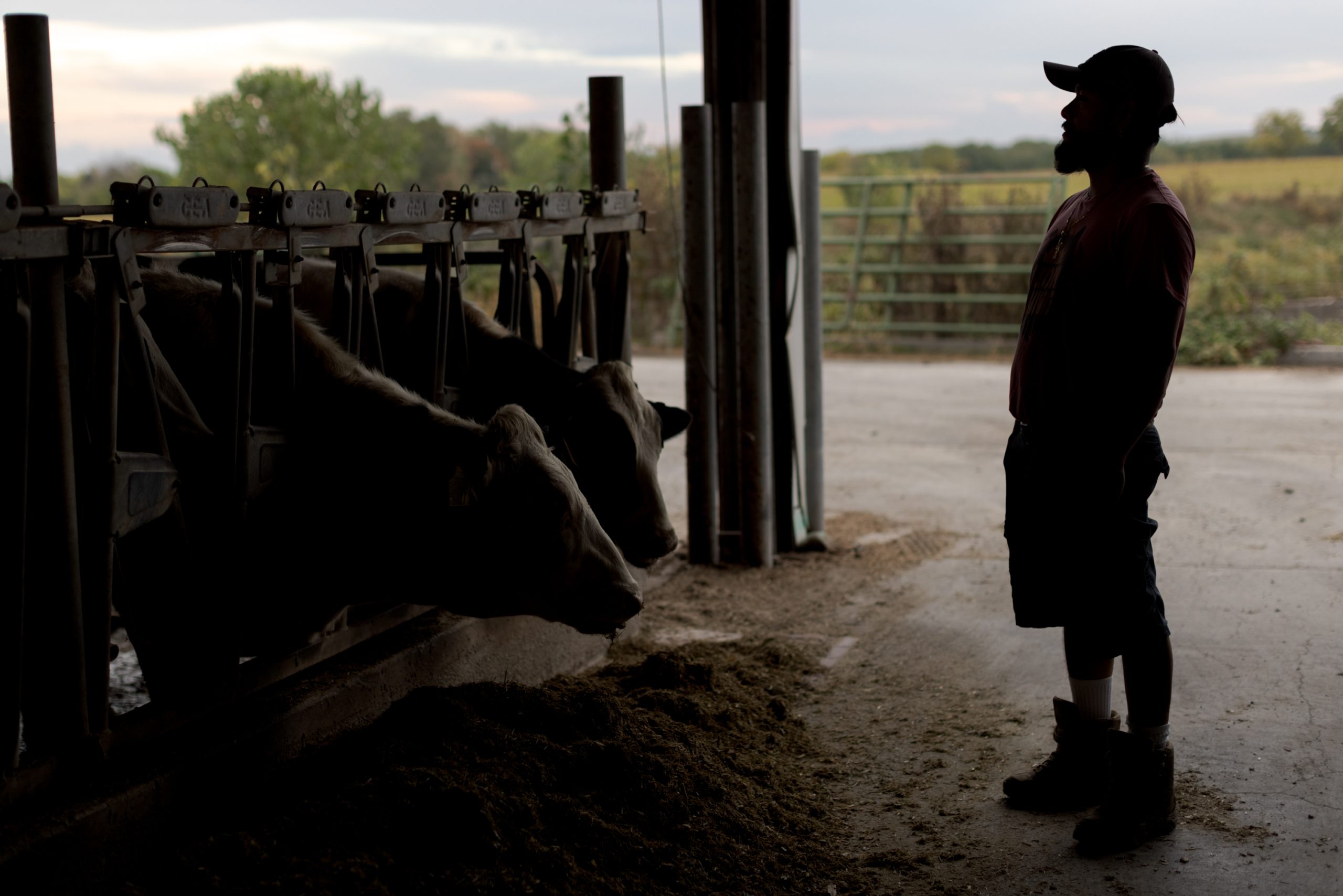
Lazaro, a 67-year-old dairy worker in New York, has hopped between 20 different farms in the 12 years he’s been in the United States. But his work on a dairy farm in western New York this fall was the worst he’s experienced, he said.
Eighteen people shared one house. He was paid the legal minimum wage of $15.50 an hour, but he worked about 70 hours a week and wasn’t given overtime pay. In the winter, he switched farms, and now works 52 hours a week at $16 an hour — the state’s current minimum wage. He also shares a home with 12 other people but has his own bedroom. He said the lower hours are better because working too much negatively impacts his health.
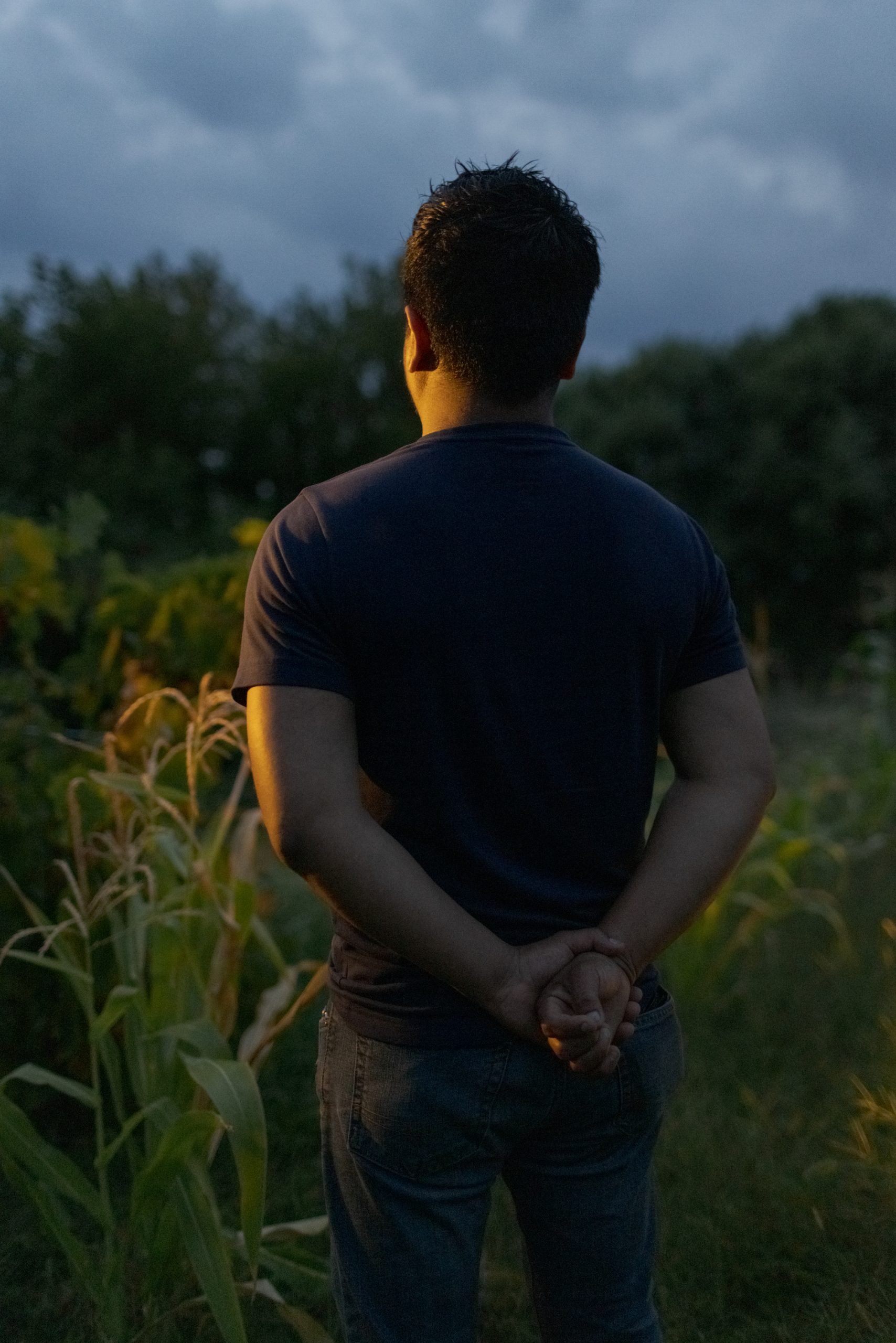
Like many of the dairy workers in New York who spoke with Documented for this article, Lazaro does not have legal status. They are part of the labor force powering the state’s $3.9 billion dairy industry, the fifth largest in the country. For years, this workforce has been trying to unionize to address what they see as rampant mistreatment in the industry, but under the second Trump administration, fear and suspicion have become more constant in the lives of immigrant dairy workers, hampering local efforts.
Now, Lazaro and other farmworkers have pivoted to rally around the New York for All Act, proposed state legislation meant to protect immigrants without permanent legal status, including farm and food workers, from immigration enforcement, which detained dozens since January 2025, including raids at a confectionery and a large-scale vegetable farm. The bill hasn’t moved out of committee.
“I have that fear that follows you everywhere of not knowing whether immigration is going to come,” Lazaro said in March. He was one of about 10 farmworkers who traveled to Albany in March to rally in support of the bill, holding up a sign and demonstrating near the capital. He asked to only use his first name only for fear of immigration enforcement.
In a letter last June, dairy workers in the state asked the New York Farm Bureau, the state’s industry lobbying group, to support the bill, warning that without an immigrant workforce, employers would have to pay higher wages and food prices would rise. That workforce paid more than $3 billion in New York State taxes in 2022, according to the letter.
“We came here to work with dignity,” they wrote. “And yet, despite being essential, we are kept invisible, underpaid, underprotected — and now, criminalized.”
In the letter, farmworkers asked the farm bureau not only to support the bill but to oppose a federal bill called the Farm Workforce Modernization Act of 2025, legislation designed to formalize and legalize the nation’s immigrant farmworkers. The bill would expand the U.S.’s distribution of temporary visas, known as H-2A visas, formalizing some of the farm-work process. Advocates argue the act would be detrimental for dairy workers, who work year-round and therefore don’t qualify for the seasonal H-2A visas. They also argue in the letter that the federal bill could lead to further exploitation, and that the H-2A program is rife with abuse, including wage theft, poor housing and physical abuse, which makes dairy workers weary to join.
The New York Farm Bureau did not respond to Documented’s requests for comment.
The federal bill, which remains in committee, would also require farmworkers to report their immigration status to the federal government and to remain working in U.S. agriculture for up to eight years. That’s an untenable prospect for many workers who have already been here for years or decades, who may dream of transitioning to a different career or returning to their families abroad.
That includes Lazaro, who came to the United States from Mexico 12 years ago. He had worked in the pharmaceutical industry in Mexico City for decades, but was laid off from his job at 40. With both of his children in university, he was desperate to figure out how to pay for their education, so he spent eight days walking through the Sonoran Desert until he crossed the border into the U.S. in Arizona, he told Documented. He quickly moved to New York City and then to western New York.
In 15 days he went from life in an office to working on a farm.
On dairy farms, like agriculture across the United States, more than half of laborers are immigrants, according to estimates from the National Milk Producers Federation. Like Lazaro, many of the farmworkers in New York State have been in the United States for years, and have become part of the farm communities in which they work.
Farmworker groups have pushed for more state protections for years. In 2019, organizing work led to the Farm Laborers Fair Labor Practices Act granting farmworkers rights like minimum wage, overtime pay, and the right to unionize. But intensifying immigration enforcement has complicated their organizing efforts. Progress by farmworkers faces pushback from farmers, stretched thin by tight agricultural markets and wary of increased regulation.
The lack of meaningful progress highlights the stubborn question of how to integrate a deeply rooted immigrant workforce into the legal U.S. labor landscape, especially during an administration that is leaning on detention and deportation.
‘I Didn’t Expect the Exploitation’
Dairy workers have grown more crucial to the industry as it has consolidated. Milk had become a globally traded commodity with fixed prices, putting farmers largely at the whim of the market. Farmers nationally had to buy more cows to stay in business. Others sold their properties to neighbors. Farmers began depending on workers from Mexico and Central America to run milking barns once managed by family members.
One worker in New York’s Livingston County, who asked to remain anonymous fearing identification by immigration enforcement officials, arrived in 2012 on a Mexican tourist visa during his third semester of law school in Mexico. He grew up on a family-owned farm, but the 3,000-cow dairy farm in Western New York where he landed a job was a world away. Like Lazaro, this worker faced grueling hours, no breaks or days off, and poorly maintained, cramped housing.
“I thought it would be the same as working on my family farm with oranges and lemons,” the worker said in September. “But it was completely different. I didn’t expect the exploitation.”
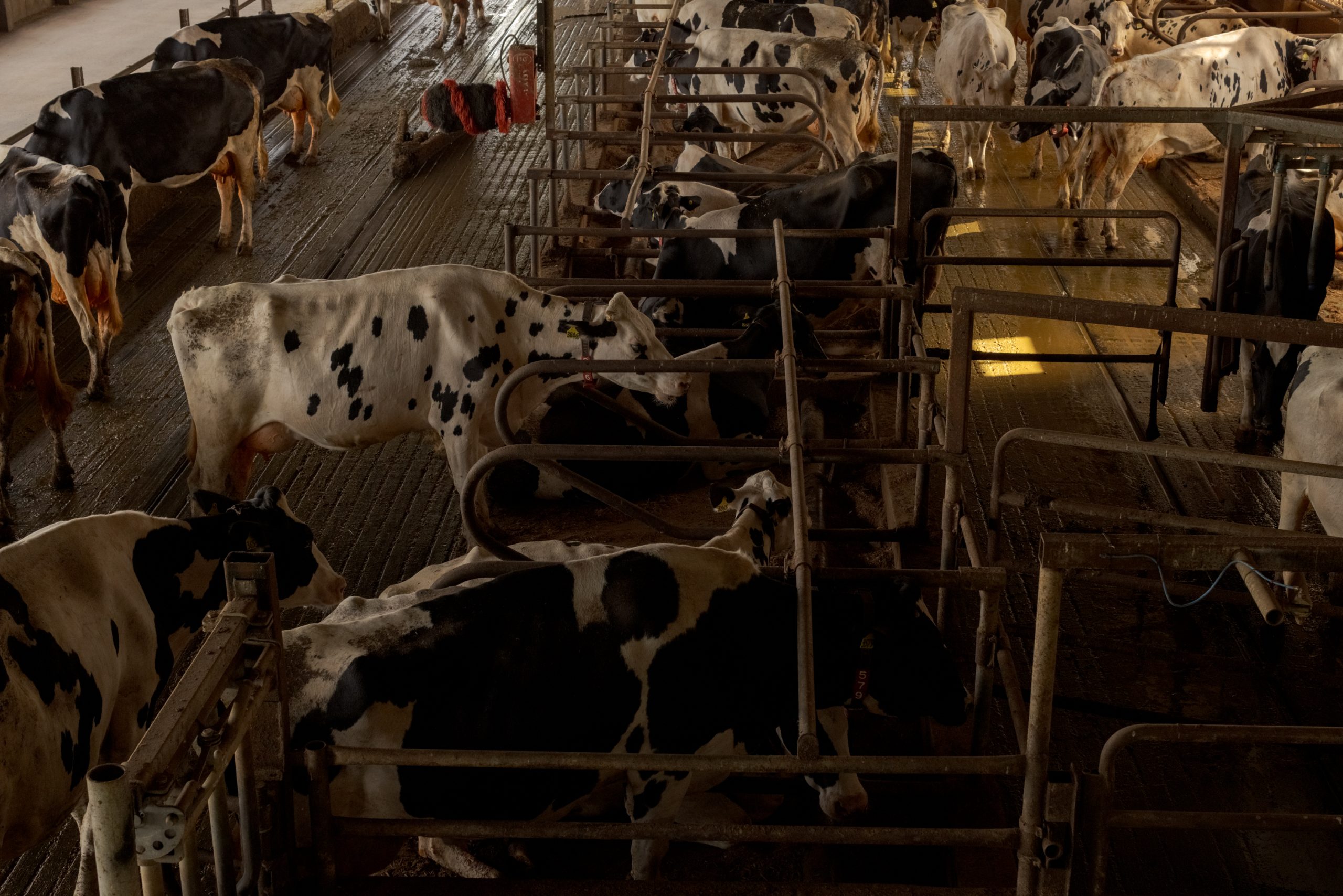
Until recently, the conditions for dairy workers were some of the worst in the industry, with high rates of workplace injury and illness, according to a study published with the U.S. Centers for Disease Control and Prevention. Without any regulations or rights for farmworkers, dairy workers also suffered from long hours and poor housing conditions. New York State dairy workers faced similar straits to dairy workers in neighboring states like Vermont and New Hampshire, often working 10- to 16-hour days, seven days a week, and sharing housing, and bedrooms, with many others.
Another worker in Livingston County, who also asked to remain anonymous fearing identification by immigration enforcement officials, said he’d previously worked two years straight without a single day of rest, accumulating up to 85 hours per week.
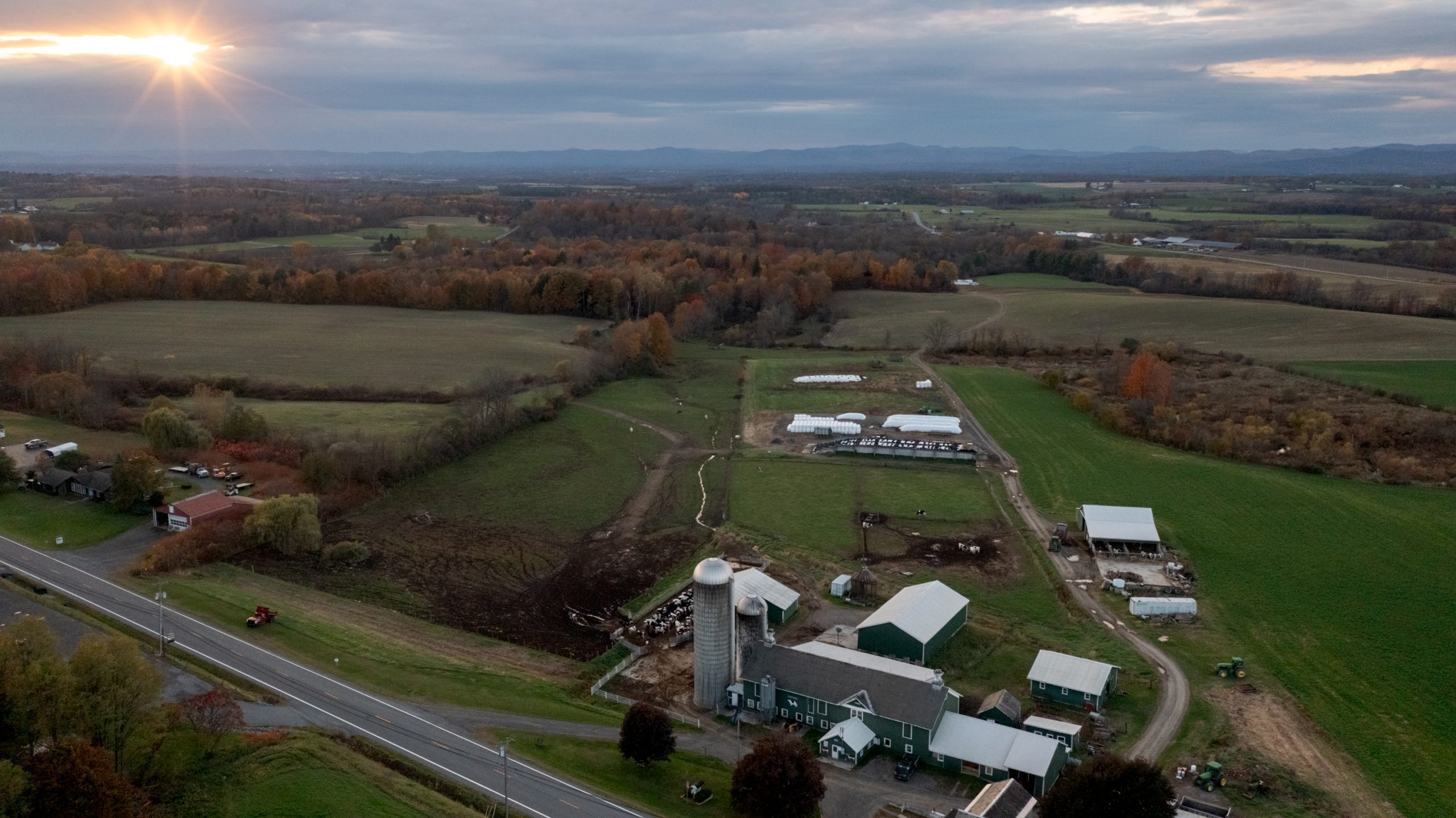
Despite other laws carving protections for foreign farmworkers on fruit and vegetable farms under the H-2A program, undocumented dairy workers continued to face challenges, in part because of the year-round work it required and because of the perishable nature of the product, which required selling milk regardless of the price, which could keep dairy farmers dependent on low wages.
In 2019, former New York Gov. Andrew Cuomo signed into law historic rights for farmworkers, regardless of their legal status: Farmworkers had previously been excluded from many of the workplace protections under the 1935 National Labor Relations Act. But the Farm Laborers Fair Labor Practices Act guaranteed similar rights to farmworkers as other state workers — like minimum wage, overtime pay, sick leave, and one day off per week.
On dairies and other farms in New York, farmworkers were suddenly working six days instead of seven. A third Livingston County laborer said he could now work fewer hours than he was before, only 12 hours a day, from 6 a.m. to 6 p.m., while other workers took the night shift. If he worked extra hours or if he worked on his day off, he was now paid time and a half. He also began making the state minimum wage for farmworkers of $15.50 an hour.
“We knew all along that [the law] wasn’t a guarantee change would happen but it removed a couple more barriers,” said Richard Witt, executive director of Rural and Migrant Ministry, a faith-based immigration advocacy group based in Cornwall-on-Hudson, New York, who’d spent two decades pushing for the legislation. “Real change would happen when people started organizing.”
The law also allowed workers the right to unionize, which members of Alianza Agricola, a worker-led organization for dairy workers in New York State, had been fighting for since 2016. Once such a law passed, they could start organizing dairy workers.
These workers spent years meeting in the basement of St. Michael’s Episcopal Church in Geneseo, New York. Before the pandemic, they attended a weeklong course hosted by the Cornell Farmworker Program at Cornell University to learn about collective bargaining. They planned to create a regional dairy workers collective modeled after a Washington State program, even flying to the Pacific Northwest to learn more about organizing efforts by workers there.
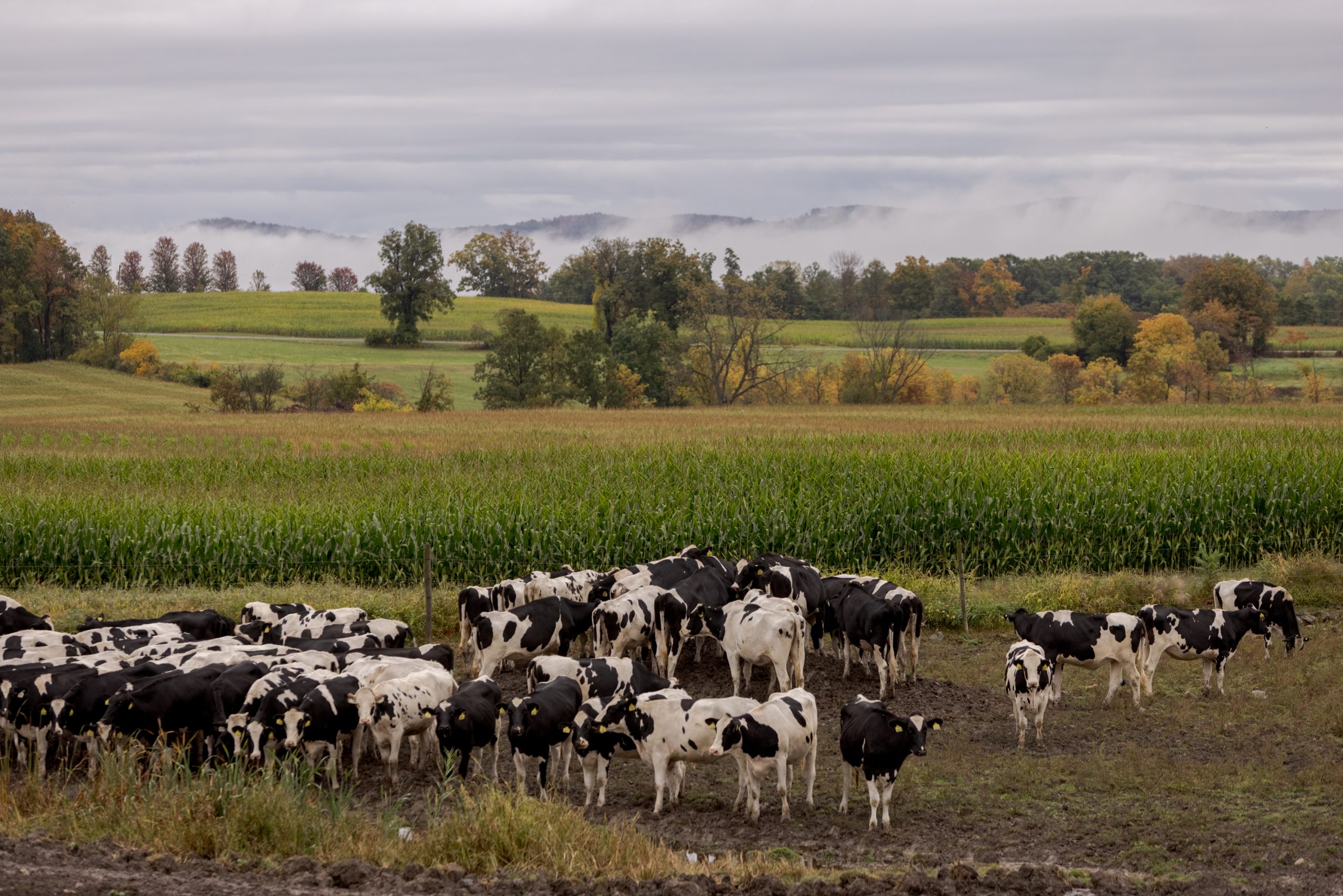
The Covid-19 pandemic, however, disrupted their already tenuous networks. Years later, just as the pace of worker organizing picked up again, the 2024 election brought President Donald Trump and his immigration enforcement policies back into office.
“We feared then, but in those four years [under the first Trump administration], we never felt the fear that we feel now,” said one member of Alianza Agricola, who asked to remain anonymous for fear of retaliation.
Dairy workers often live and work in rural regions, where it’s more difficult for advocates to alert farmworkers about potential immigration enforcement actions and prevent raids, Witt said. Their isolation also makes it harder to observe and document questionable behavior by authorities like their bosses, local police, or federal agents.
“There’s a shroud of terror across New York, and especially rural New York,” Witt said in September. “You can’t do organizing if people are too afraid to be out organizing.”
‘Fear Is What Drives Folks to Not Speak Out’
Diego, another dairy worker, and his wife used to drive their kids to the local Price Chopper in western New York for groceries once a week. But last summer, they saw a sign on the front door directing shoppers to call the U.S. Department of Homeland Security if they saw any suspicious activity. Now, the couple, who are originally from Guatemala, fear that local police could be collaborating with U.S. Immigration and Customs Enforcement. New York State currently has policies that allow for local governments to partner with ICE.
“We could be deported for being Guatemalan,” Diego tells his kids when they ask why they don’t go out anymore. Diego, who arrived in the United States 21 years ago, asked not to have his last name used because he fears being targeted by immigration officials. He’s been working on dairy farms in New York State since 2008.
A rapid response network set up by Alianza Agricola alerts people like Diego and Lazaro when immigration enforcement officials are seen in the state, especially near farming communities. Lazaro said he knew of three farmworkers who were detained in New York State, one at an immigration court date and another in the Walmart parking lot. The fear of detention and deportation has overshadowed unionization efforts.
“Nothing’s happening with unionizing right now,” Lazaro said in March. “The priority right now is keeping the community safe.”
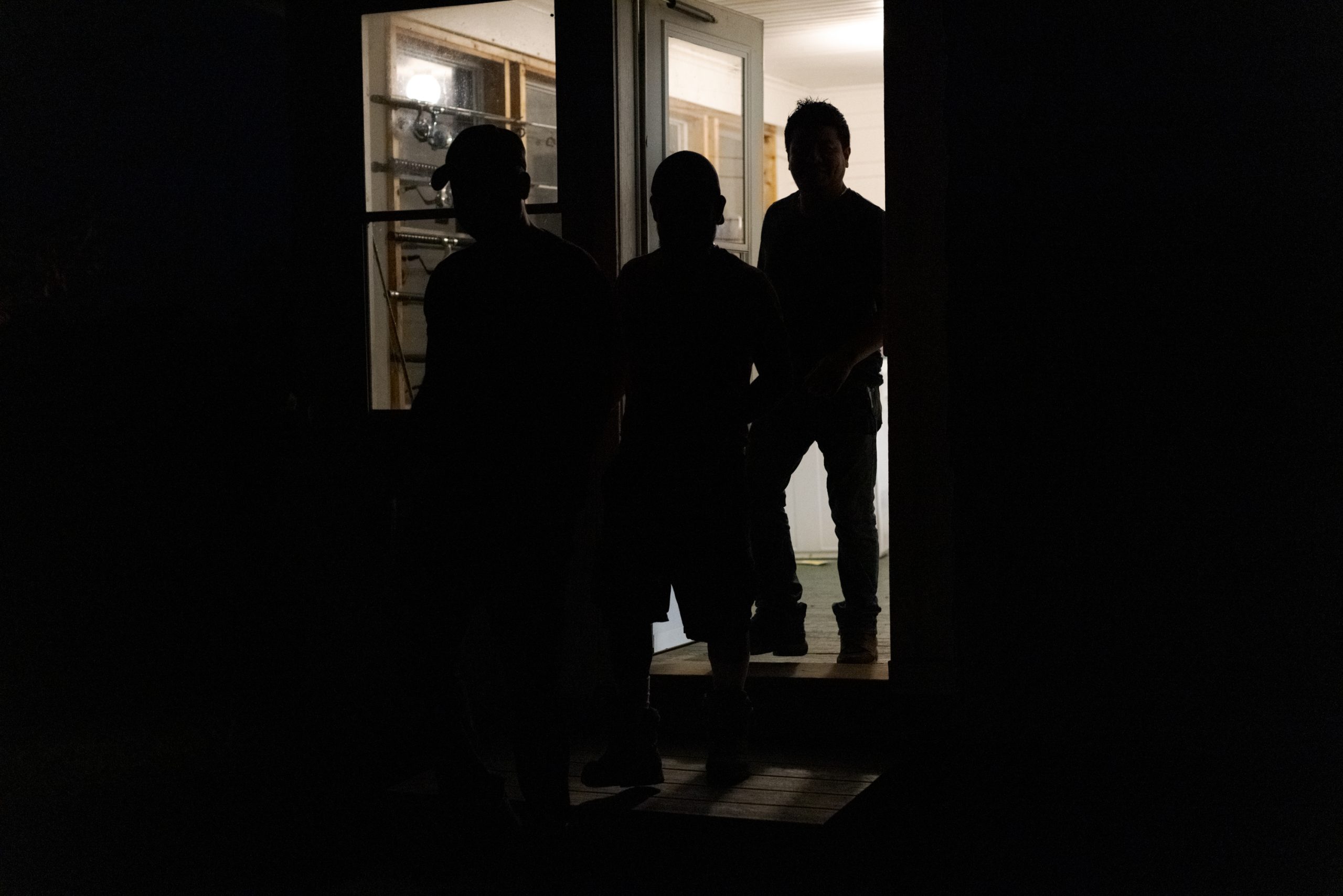
The anti-immigrant rhetoric by the Trump administration hurt nascent organizing efforts, according to farmworkers Those efforts have been more pronounced for farmworkers in the H-2A program, the agricultural visa program for foreign nationals. At least two orchards in New York State unionized in 2025, years after the 2019 law passed, but workers fear that continuing to organize could hurt their chances of returning on the same visa.
“In agriculture, fear is what drives folks to not speak out, especially in very rural areas like New York state, where workers are basically hidden away in orchards,” Armando Elenes, secretary treasurer of the United Farm Workers, told Documented in September. “Hanging over their heads is the idea that if you say something you’re not coming back.”
Tactics taken to push back against H-2A unionization in New York State have bled into the fight to organize dairy workers, Alianza Agricola members said.
“The farms have done a lot of propaganda talking a lot of bad about the union,” said an anonymous Alianza Agricola member. “Before we had more support, people were excited.”
The H-2A program could expand under the Trump administration as more employers are turning to the visa system to find legal workers, according to Mary Jo Dudley, the director of migrant advocacy and support at Cornell University’s Center for Transformative Action. Dudley said it could be one reason that the United Farm Workers focused on organizing H-2A workers in New York, because unlike dairy workers who lack permanent legal status, H-2A workers are not deportable.
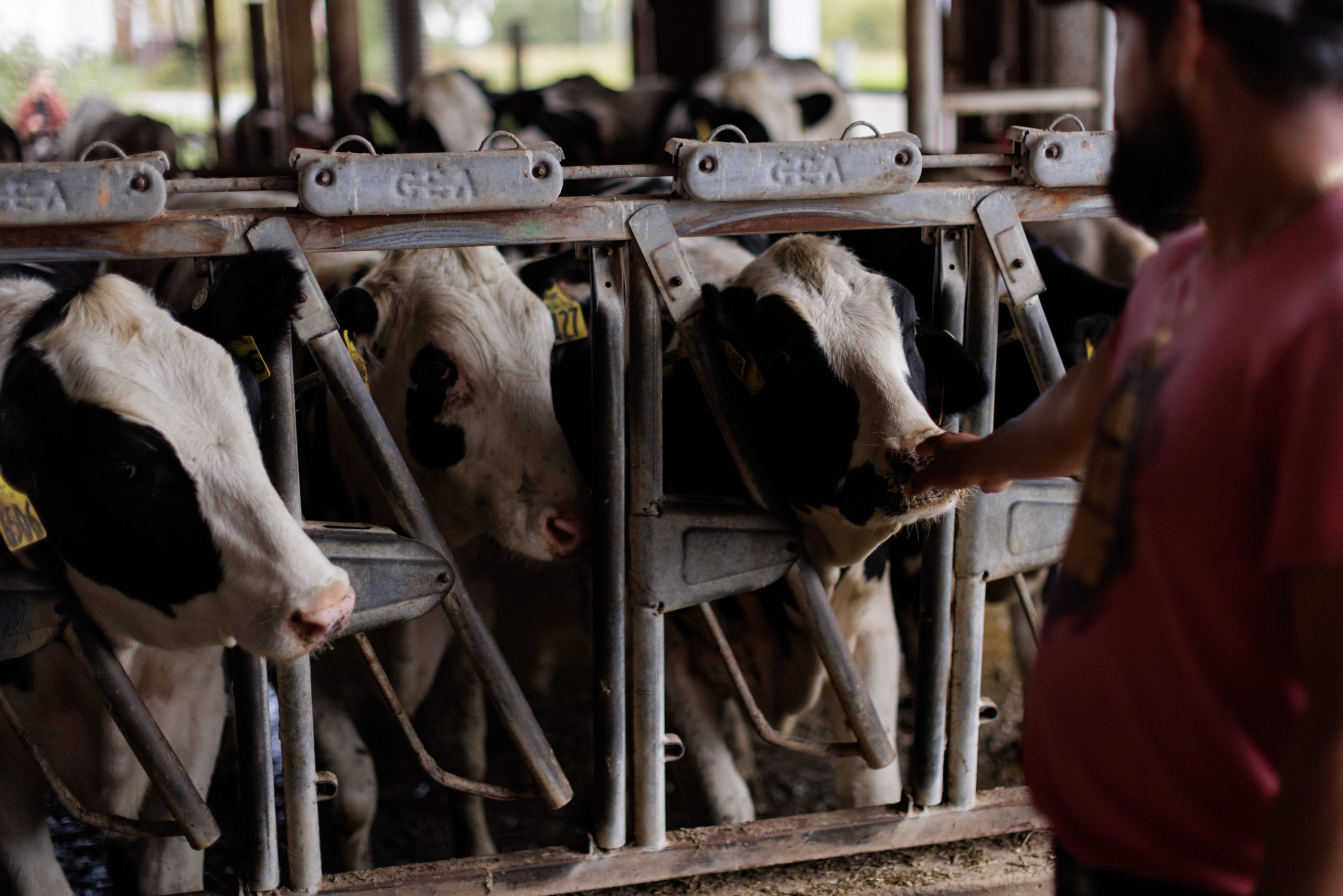
“There has been a gradual increase in farms turning to H-2A workers because of immigration detentions,” Dudley said. “Employers are trying to figure out how to navigate the labor situation with an understanding that if they’re relying on an undocumented workforce and those workers are picked up, they could be done farming.”
Workers themselves often oppose H-2A expansion. Members of Alianza Agricola and the Workers’ Center of Central New York, an immigrant rights group that includes dairy workers like Diego and Lazaro, along with Vermont’s Migrant Justice, an immigrant advocacy group founded in 2009 after the on-farm death of a dairy worker, oppose the expansion of working years and requirement to disclose their legal status to the federal government. They worry the problems of wage theft and poor housing would continue to expand if the program expanded.
Instead, farmworkers are hoping the New York For All Act could better protect their livelihoods in the U.S. while they continue organizing for increased workplace protections. Lazaro said he’s eager for dairy workers to form a union before he plans to return home to Mexico later this year to avoid immigration enforcement.
“This president is making a big mistake,” Lazaro said. “Every food and product that goes onto an American table comes through immigrant hands. He’s going to miss those hands.”