

The Justice Department is fighting to conceal information that would explain why Immigration and Customs Enforcement arrested five immigrant New Yorkers in courthouses despite a federal judge’s order halting the practice.
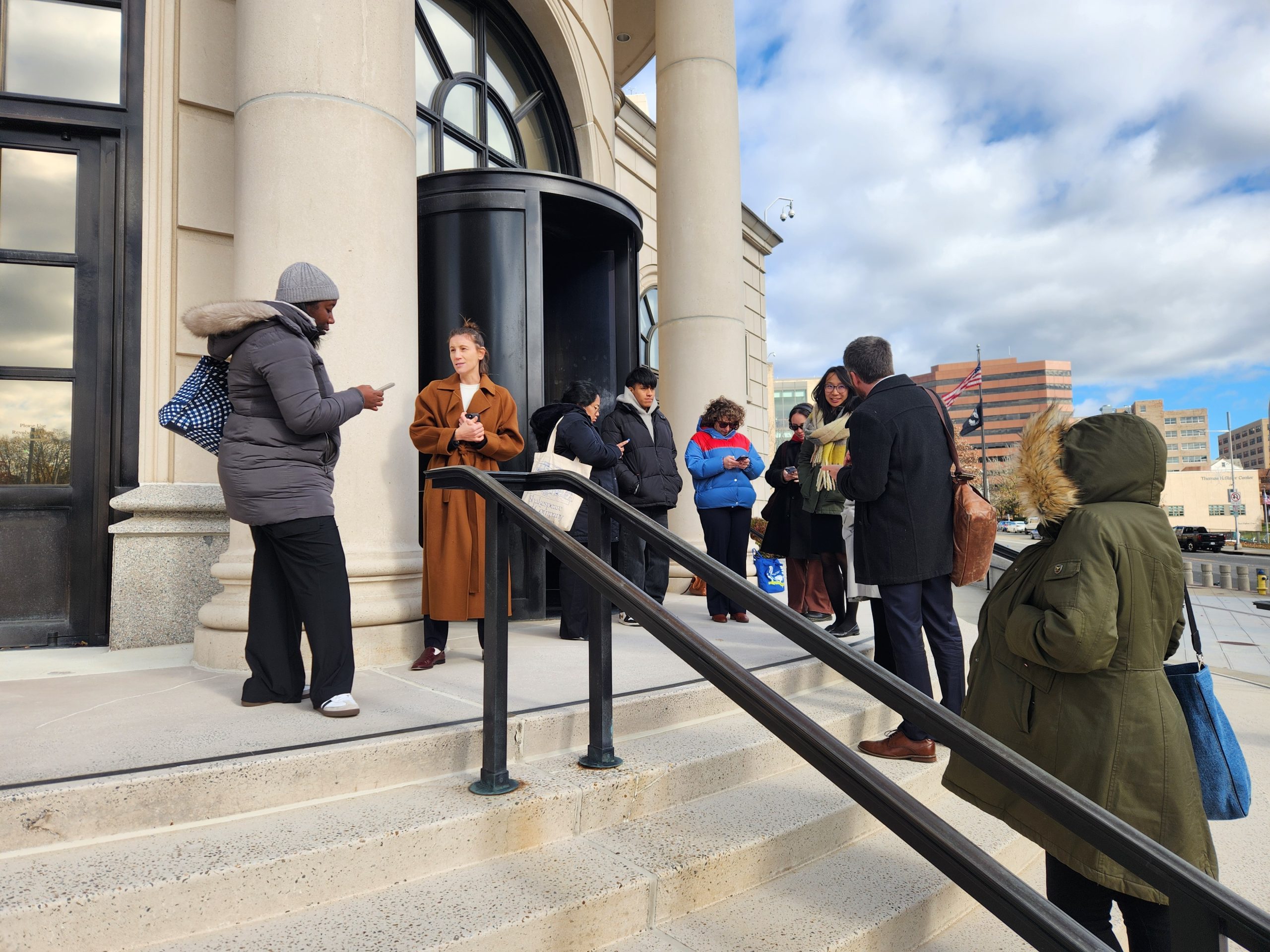
In a letter to U.S. District Judge P. Kevin Castel in federal court, DOJ lawyers pushed back on divulging ICE’s specific reasons for detaining the five people at 26 Federal Plaza after a judge ordered a stop to the arrests in May.
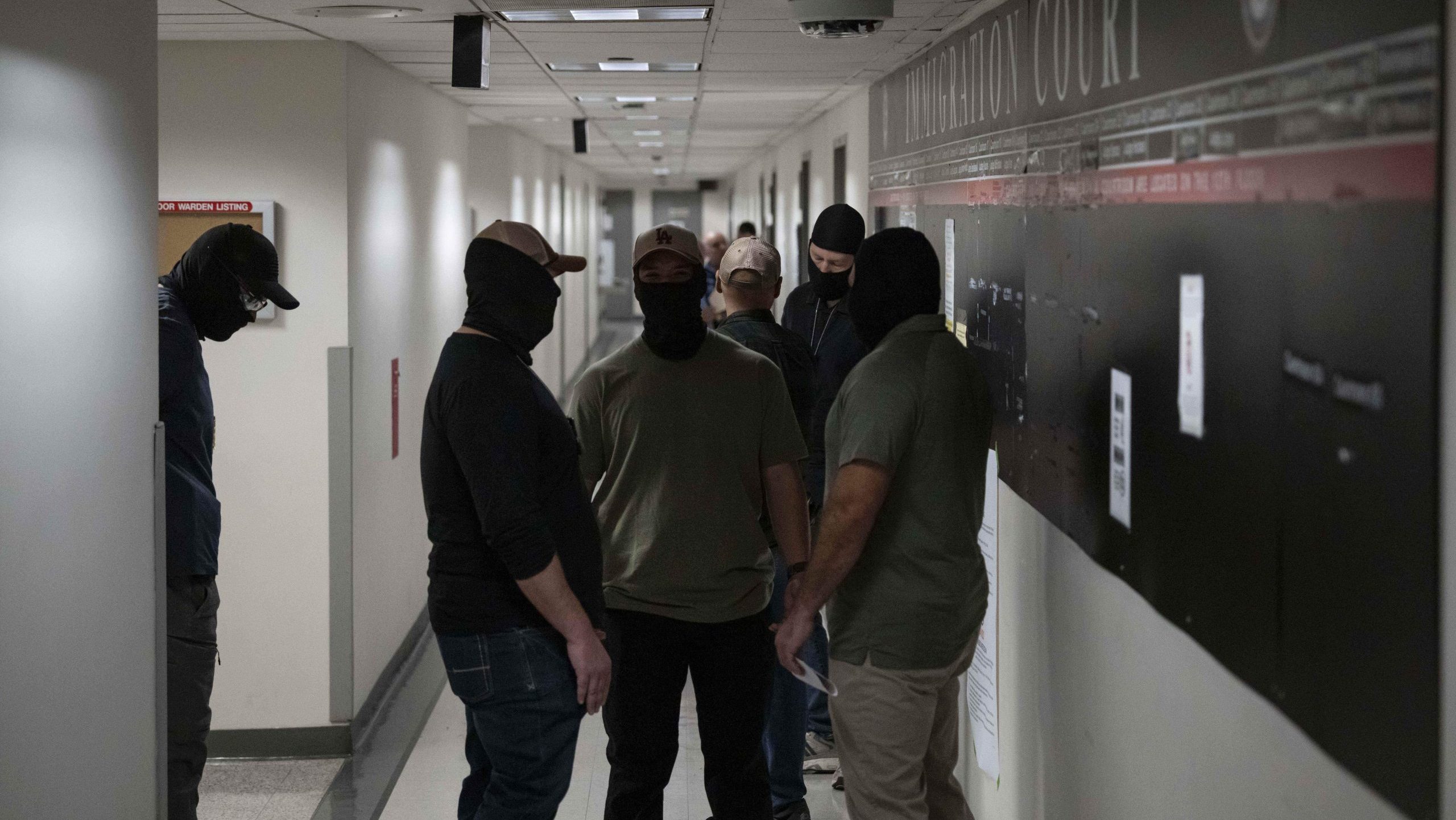
Additionally, an ICE supervisor defended the courthouse arrests as safer for officers than street arrests due to community efforts to impede immigration enforcement, according to a sworn declaration included in the Trump administration’s legal response.

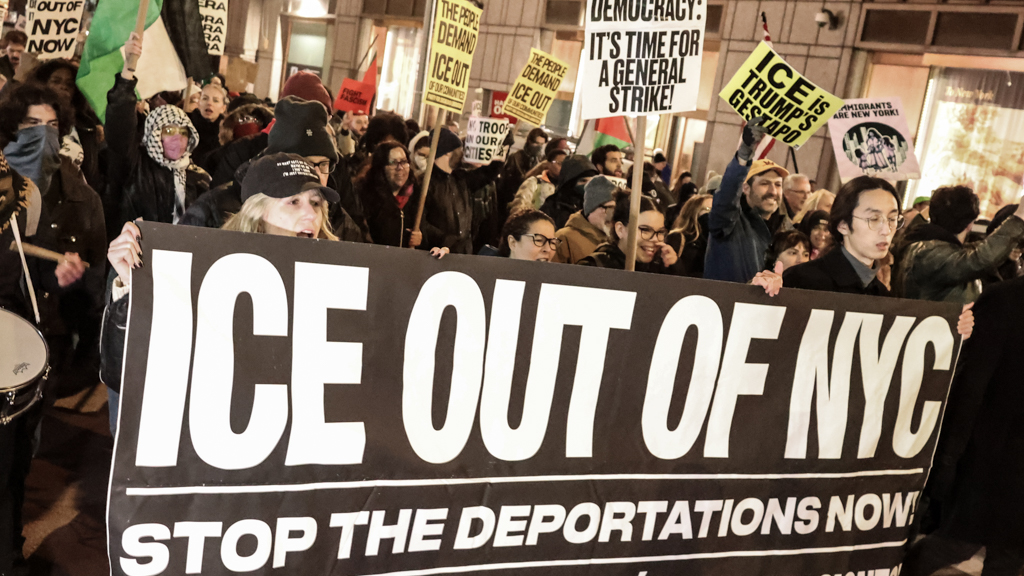
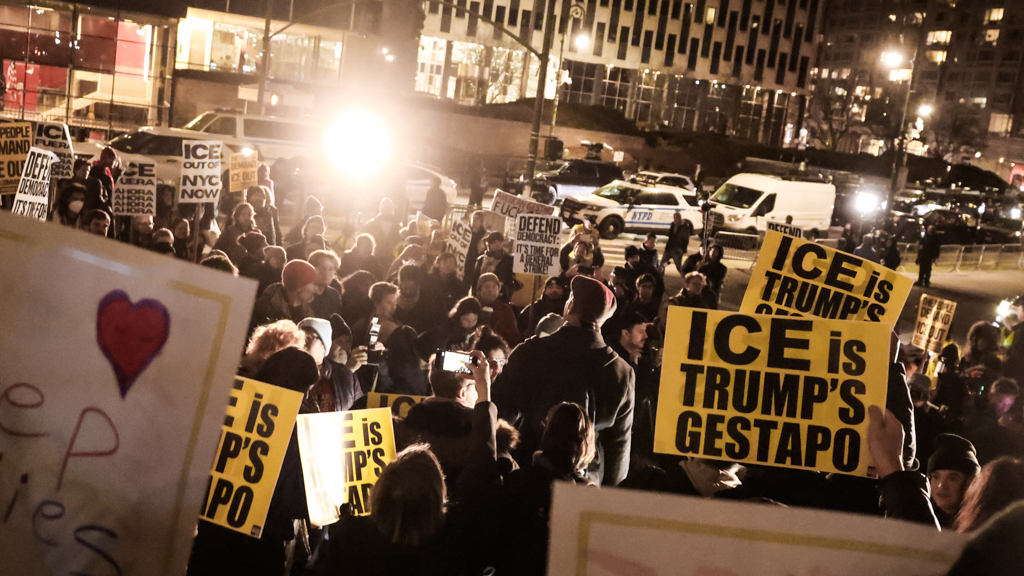
“At-large arrests in sanctuary cities like New York tend to trigger protests and intervention by agitators and bystanders, making alternative locations in New York unsafe and EOIR the safest location for the arrests,” wrote Roberto Rodriguez, acting supervisory detention and deportation officer at ICE, in the sworn declaration.
The documents were submitted Monday evening after immigrant rights nonprofits last week accused ICE of potentially acting in defiance of the court-ordered stay in arrests at 26 Federal Plaza.
There have been at least five arrests at the infamous immigration courthouse in lower Manhattan since the stay was ordered, lawyers for the nonprofits said in a letter to court last Tuesday.
The back and forth is the latest jab in a long-fought lawsuit challenging the validity of ICE courthouse arrests.
It was during the peak of ICE’s violent public arrests that tore apart families attending appointments at New York City immigration courthouses last summer that immigrant rights organizations African Communities Together and The Door filed the suit in federal court, seeking to halt the practice by asserting that the arrests chilled access to courts and impeded justice, among other allegations.
Initially, Judge P. Kevin Castel sided with the government — allowing arrests to continue as both sides made their arguments. But in a shocking revelation earlier this year, the DOJ acknowledged leaning on a policy memo to justify the arrests they said they had accidentally misinterpreted.
Because of that, in May Judge Castel enforced a preliminary halt on arrests as the case moved forward. But immediately after the stay, the courthouse arrests continued — albeit at a slower pace. Attorneys counted at least five arrests in documents submitted to the court last week.
Of those, three were immediately released without explanation by federal immigration authorities, according to court documents. Two of the men arrested in late June are still detained, awaiting the outcome of petitions of habeas corpus in federal court.
One immigrant New Yorker arrested was from the Dominican Republic and another hailed from Ecuador, according to the Department of Homeland Security.
ICE contended that the arrests conformed with the narrow exceptions to the stay — imminent risk of death and threats to national security or public safety that cannot be safely arrested elsewhere, among others, according to plaintiff’s court records.
“ICE did NOT violate any court orders,” said a statement by the Department of Homeland Security to Documented at the time. “These were lawful arrests.”
However, in documents submitted last week by plaintiffs’ attorneys stated that at least one person had no criminal history apart from a trespassing charge from when he crossed the border. They demanded that ICE provide proof of how such arrests complied with the May order, and how officers have been trained on the latest guidelines.
“The government cannot reasonably contend that an individual whose sole criminal history stems from a charge arising from his entry into the United States poses a threat to public safety, particularly when he has been fully compliant with immigration authorities since that time,” the letter said.
The sworn declaration by Rodriguez said that the May 19 arrest of an immigrant New Yorker was made after reviewing the man’s criminal history and deciding that the courthouse was the safest place for his arrest — without providing any further details.
For the other four arrests, Rodriguez stated that ICE “assessed their threat to public safety” and the arrests were approved by the Field Office Director prior to taking each person into custody.
Attorneys for the Trump administration also said that ICE had sent email communications to New York immigration officers reminding them of the new guidelines under the stay. But they balked at any further need for explanation for the arrests.
“Plaintiffs’ request for discovery is not necessary and therefore should be denied,” read the letter penned by Jay Clayton, a United States Attorney.
A response by lawyers for The Door and ACT is expected by Thursday, according to the federal court website.