

When Sam Ghaleb moved to the Bronx in 2021 at age 12, he saw Yemeni restaurants lining the streets and heard the call to prayer echoing down Rhinelander Avenue each Friday afternoon. His family had immigrated to the United States from Ibb, Yemen, when he was a baby, but for the first time, Ghaleb felt he belonged.
Now, Ghaleb is a member of Bronx Community Board 11 and the vice president of the Little Yemen Neighborhood Council, an organization dedicated to preserving Yemeni heritage, advocating for residents and strengthening neighborhood ties in the East Bronx. At 18 years old, he is among the youngest voices representing the community in its push for recognition.
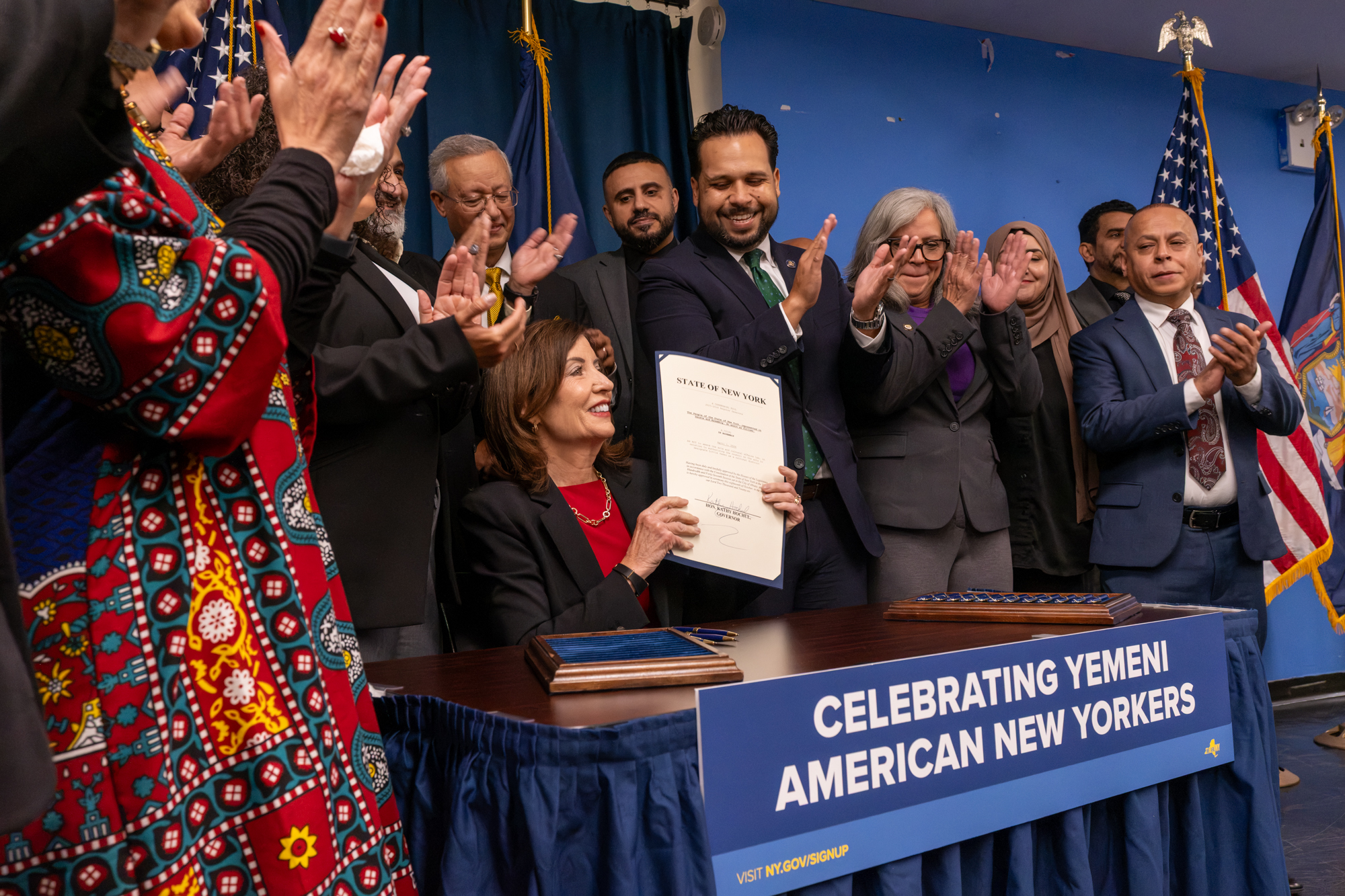
Last week , that effort culminated in a major victory. New York Gov. Kathy Hochul signed legislation on Oct. 18 officially designating the Yemeni enclave in Van Nest as the “Little Yemen Cultural District.” The designation formalizes decades of community growth and organizing and opens up state grant funds for cultural organizations within the district.

“This is a dream come true. It’s a lot of hard work — decades of hard work from the community — to have Little Yemen recognized, and it’s based on what Yemen has given to civilization,” Yahay Obeid, founder and president of the Little Yemen Neighborhood Council, told Documented. “I’m glad the elected officials and the governor are recognizing the importance of Yemeni culture.”
The victory comes after months of opposition from a local neighborhood group whose campaign to block the designation was marked by anti-Muslim rhetoric online and at community board meetings, leaving many Yemeni residents feeling targeted in their own neighborhood.
“After all these racist thoughts, [the designation] changed my perspective on how people actually think,” Ghaleb said. “It felt like a dream come true.”
Little Yemen, Decades in the Making
Little Yemen’s roots date back to 1993, when a small congregation of Arab immigrants began holding prayer services together in a tiny room on Rhinelander Avenue. That room soon became New York’s biggest mosque, the Bronx Muslim Center, which became the focal point around which the Yemeni community grew.
Yemeni families were also drawn to the neighborhood due to more affordable housing and lower commercial rents compared to older, congested Arab enclaves like Bay Ridge and Astoria, said Zaid Nagi, president of The Alliance of Yemeni Americans, a Bronx-based organization that empowers Yemeni Americans through education, business, and community support.
Nagi also attributes the community’s growth to worsening conditions back home, where the 2014 outbreak of the Yemeni Civil War displaced millions and served as a major catalyst for the recent wave of Yemeni migration to the Bronx. Seeking refuge from the conflict, families fled to New York, where relatives already established in the United States helped bring them to safety.
By 2020, more than 18,000 Yemenis called New York City home, making them the city’s second-largest Arab population, after Egyptians, according to census data.
Little Yemen’s Economic Renaissance
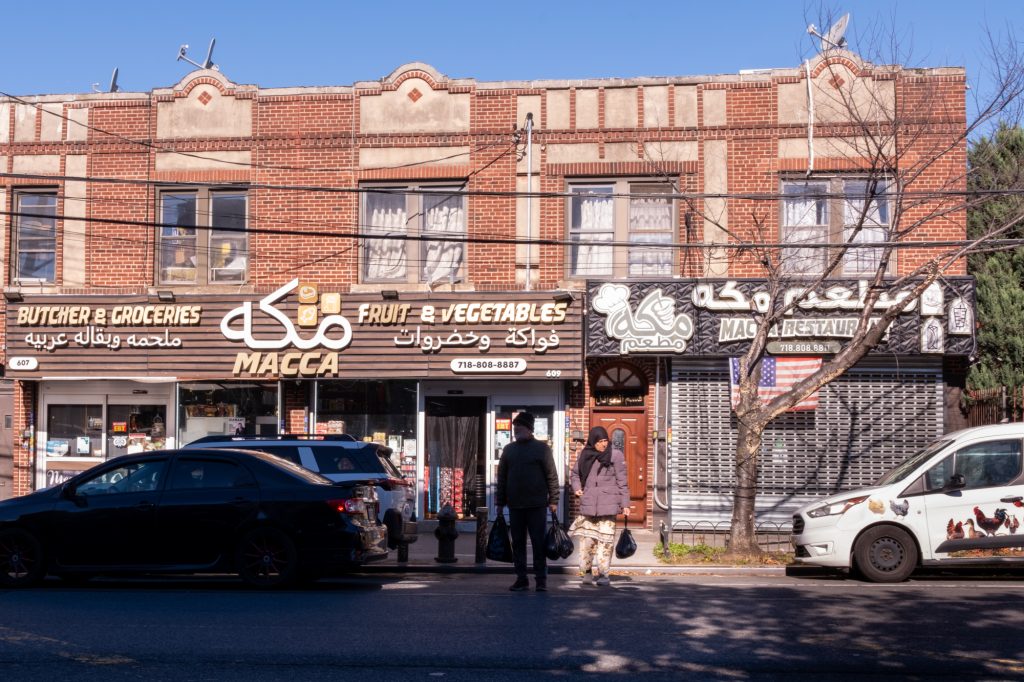
Today, halal markets, Arabic attar perfume shops, iconic Yemeni cafes, and shops selling traditional clothing and goods line the streets of Morris Park Avenue.
There’s even a street named after Ibrahim al-Hamdi, Yemen’s former president, remembered fondly by many Yemenis for his vision of a more stable, prosperous country before his assassination in 1977.
New York’s Yemeni American community has a long-established history of small-business ownership, particularly in the city’s many bodegas. Yemeni Americans operated as many as 5,000 of the city’s roughly 12,000 bodegas by 2019, according to an estimate by the Yemeni American Merchants Association.
“I’ve seen firsthand the contribution of Yemeni families, small businesses, faith leaders and community organizations that have made this area their home and strengthened the economic and cultural life of the Bronx,” State Senator Nathalia Fernandez, who sponsored the legislation to officially recognize Little Yemen, said at a Bronx Community Board 11 meeting last month.
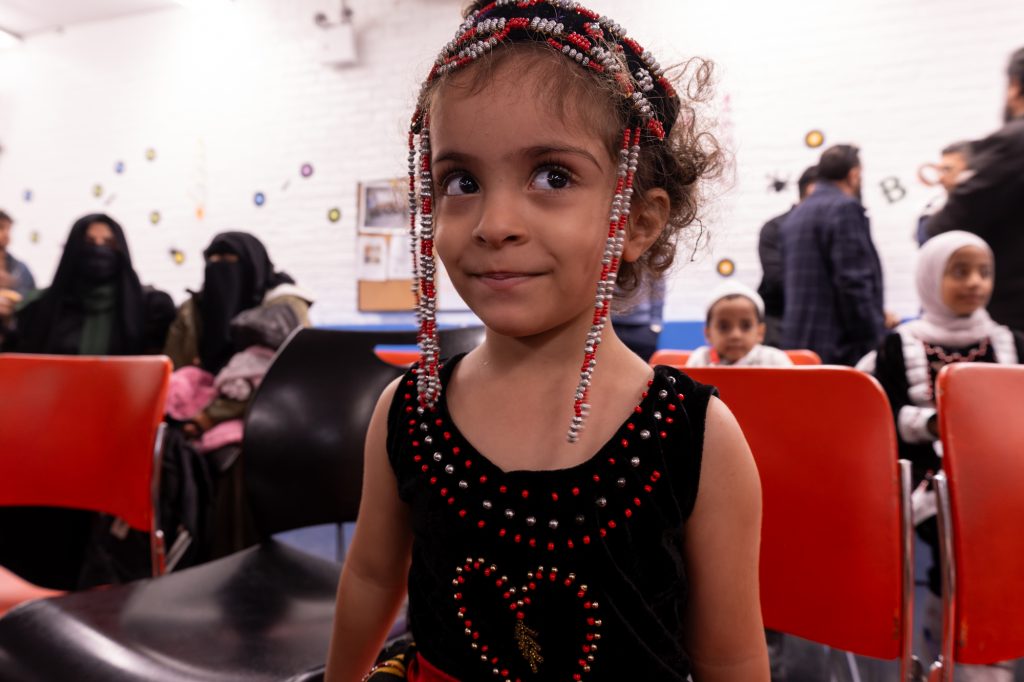
The Yemeni American community is credited in part for the economic revitalization of the Van Nest community. When they arrived, the neighborhood was filled with vacant storefronts and the streets were lacking life, but now, there are more than 500 Yemeni-owned businesses in a one-mile radius, according to the governor’s office.
The campaign to formally recognize Little Yemen began in 2019, when Obeid led a campaign to get the neighborhood included in Google Maps. That led to the push to seek official state recognition.
What began with parades and merchant organizing became a push to turn the commercial corridor into a cultural destination. Nagi says he pitched the idea to state lawmakers as a way to draw visitors and investment to the Bronx. Assemblymember John Zaccaro Jr. and State Senator Fernandez co-sponsored the bill, which, more than a year after its introduction, passed both chambers.
But for months leading up to the bill’s signing, the Van Nest Neighborhood Alliance, a neighborhood association advocating for residents’ concerns, campaigned against the designation, petitioning Gov. Kathy Hochul not to sign the bill and challenging the proposal at community board meetings.
Leaders of the neighborhood association argued that the legislation had been pushed through in secret and would erase the neighborhood’s history. “I don’t for the life of me understand why it was never, ever brought to our attention,” said the group’s president, Bernadette Ferrara, though records show the bill had been discussed at a community board meeting in 2025.
Much of the association’s critiques were seen as racially motivated and built on some members’ reactions to the growing Muslim population in the neighborhood. At a September meeting of Bronx Community Board 11, Sharlene Jackson-Mendez, vice president of the Van Nest Neighborhood Alliance, sat in the front row wearing a button with the bill number crossed out in red and holding a sign that read, “Van Nest is not for sale.” At the microphone, she addressed Yemeni Americans in the room directly. “Just because you have a lot of smoke shops, hookah stores, and restaurants,” she said, “that doesn’t mean you deserve the honor of having a cultural district.”
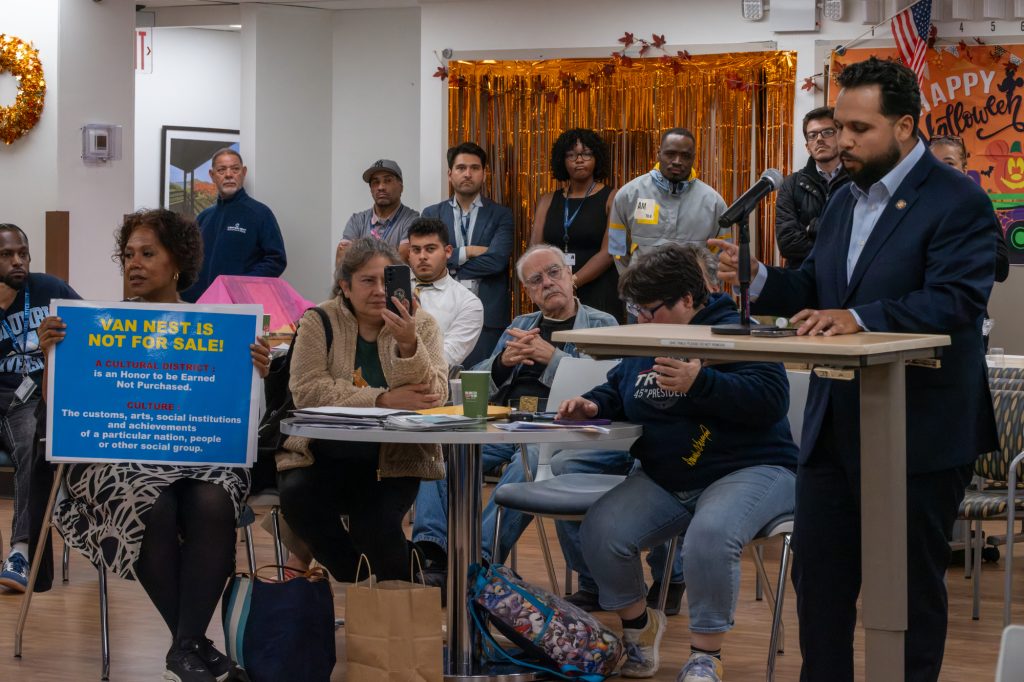
Online, the campaign unfolded alongside anti-Muslim rhetoric, with Ferrara sharing a post that warned of an “Islamic takeover” of the Bronx. For Yemeni residents, the months of opposition fostered a growing sense of hostility. Ghaleb, then 17, sat at the board member table in these meetings, feeling unwelcome in a neighborhood where he had once found belonging. “I felt targeted… I felt not welcomed here. I never felt that before,” he said.
Residents said the backlash against Little Yemen reflected a broader climate of Islamophobia in New York, where Mayor Zohran Mamdani and other Muslim politicians have faced anti-Muslim attacks.
Still, the community persisted, and Gov. Hochul signed the bill into law last Sunday. Soon, the small corner of the Bronx will bear the name of Nagi and Ghaleb’s homeland.
“I am a Bronxite as much as I am a Yemeni American, and I don’t want tourist money to go to Bay Ridge instead of coming to Little Yemen,” Nagi said, on why he proposed the legislation. “Anyone who comes to the city interested in understanding Yemeni culture, Arab culture, Muslim culture, it should become a must-visit destination for them to come to the Bronx.”
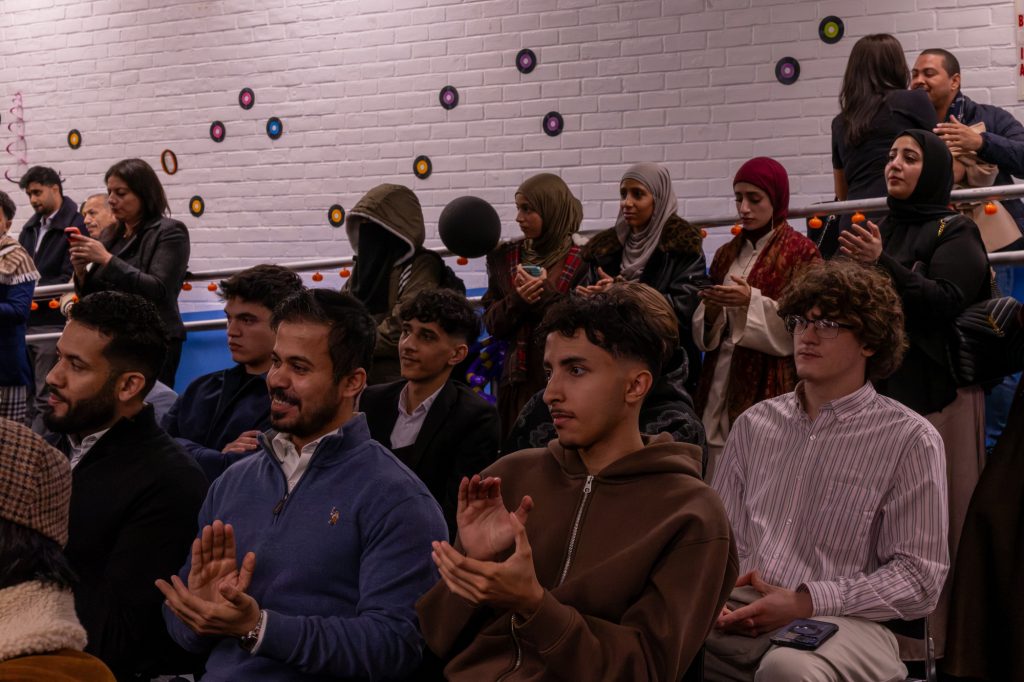
Now that the legislation officially establishes Little Yemen as a state-recognized cultural district, this opens the door to grants and technical assistance through the New York State Council on the Arts. Any qualifying cultural group or organization within the district’s boundaries may apply; the grant isn’t exclusive to Yemeni organizations.
A ‘Taste of Little Yemen’ tour will mark the cultural district’s first event after its official recognition, taking place in November, showcasing the flavors of the community.
“We were always a minority in places,” Ghaleb told Documented. “But now we have the chance in a beautiful country like this that we can show people how great of a community we are.”