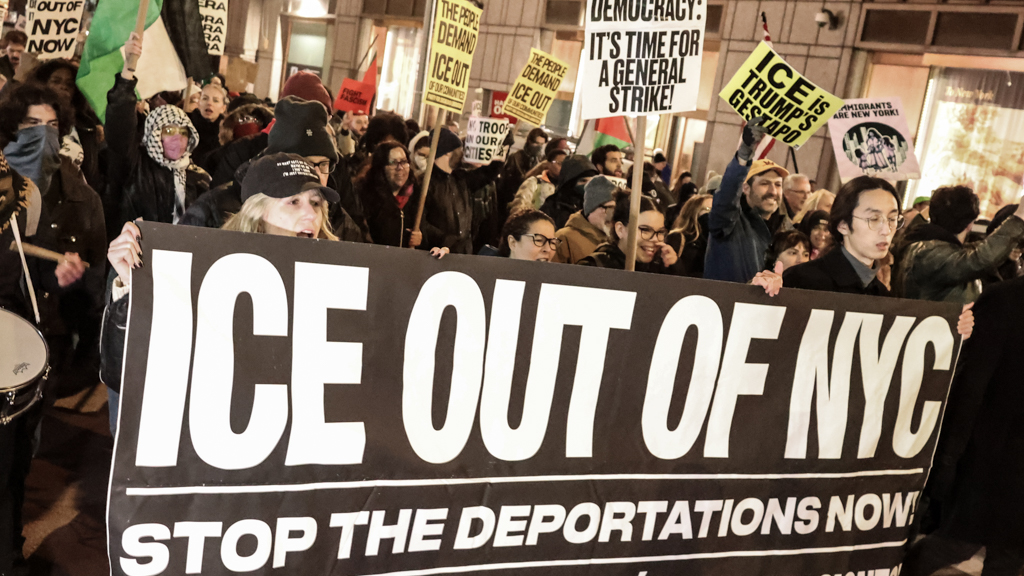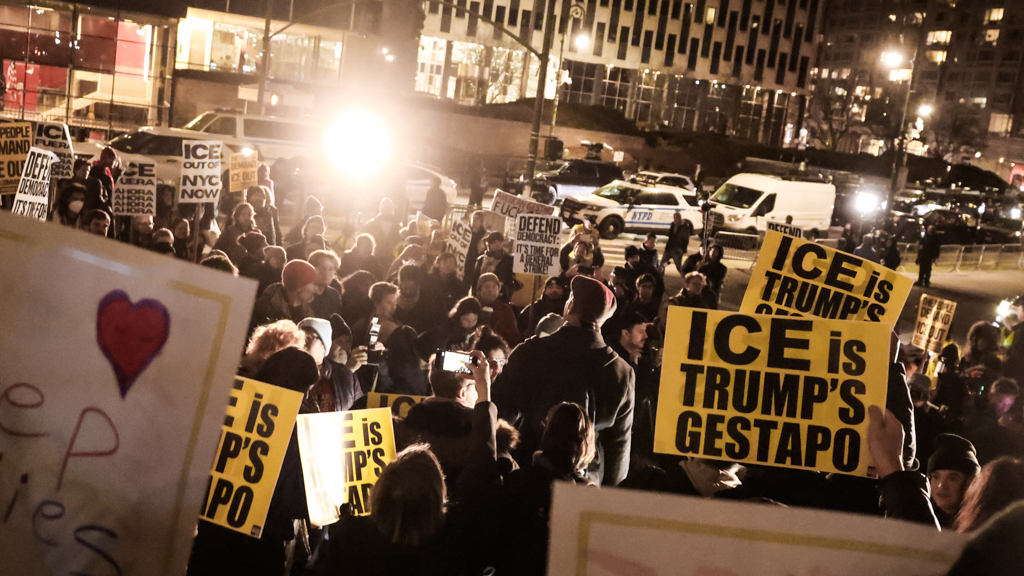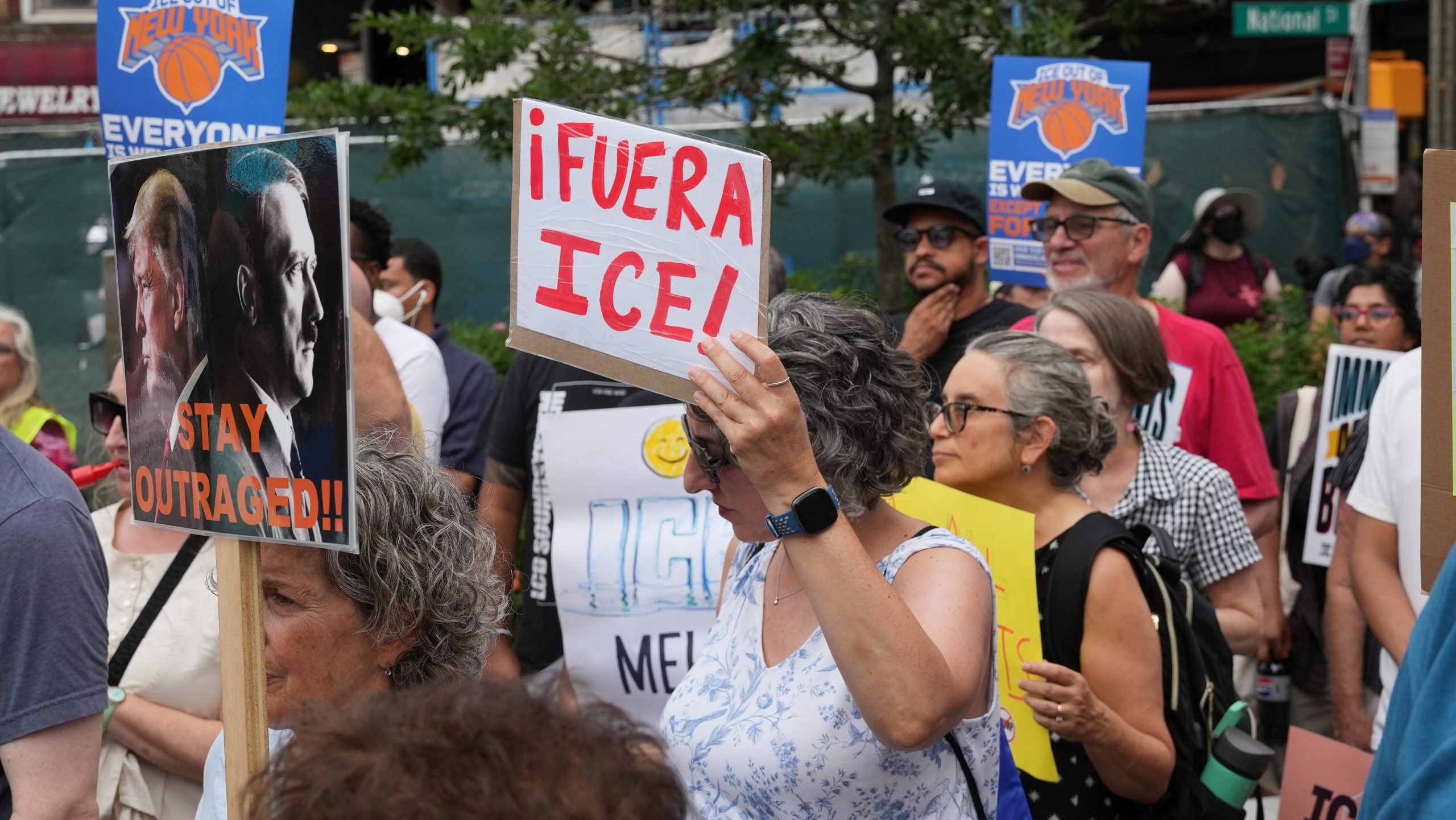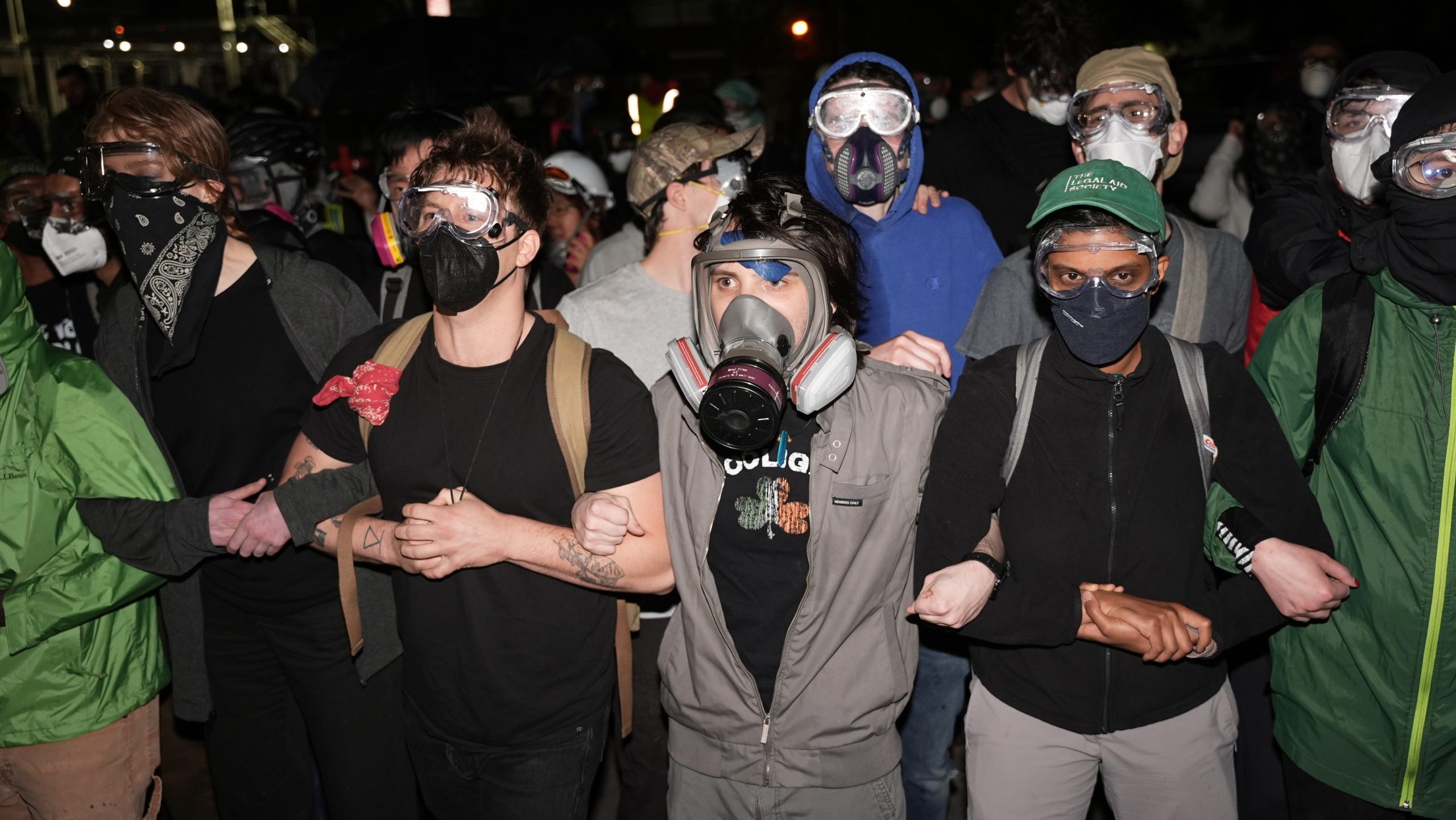


Tensions flared between protesters and law enforcement outside of New Jersey’s Delaney Hall Thursday amid reports of the alleged mistreatment of detainees, leading to at least six arrests and renewed calls to shut down the facility.
A week after conditions inside a Newark immigration detention center launched tense showdowns between protesters and law enforcement, family members say the treatment of Delaney Hall detainees is deteriorating.
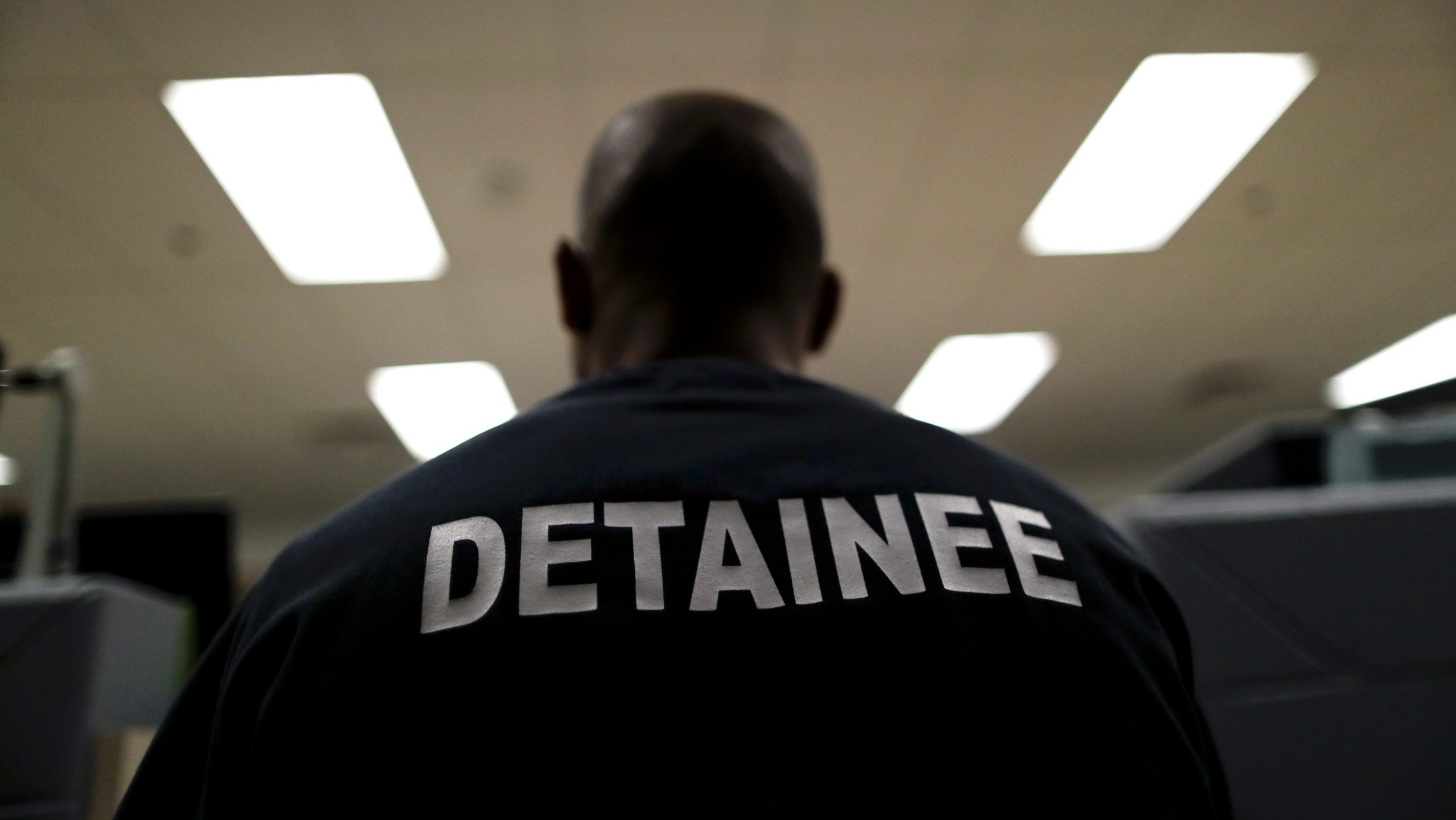
As a hunger and labor strike inside the facility stretches on, relatives and advocates are alleging that detainees have called them to say they face mistreatment ranging from beating with batons to being sprayed with chemicals. Since Saturday, Delaney Hall staff have prevented detainees from having visitors – leaving many family members increasingly desperate to see their loved ones.

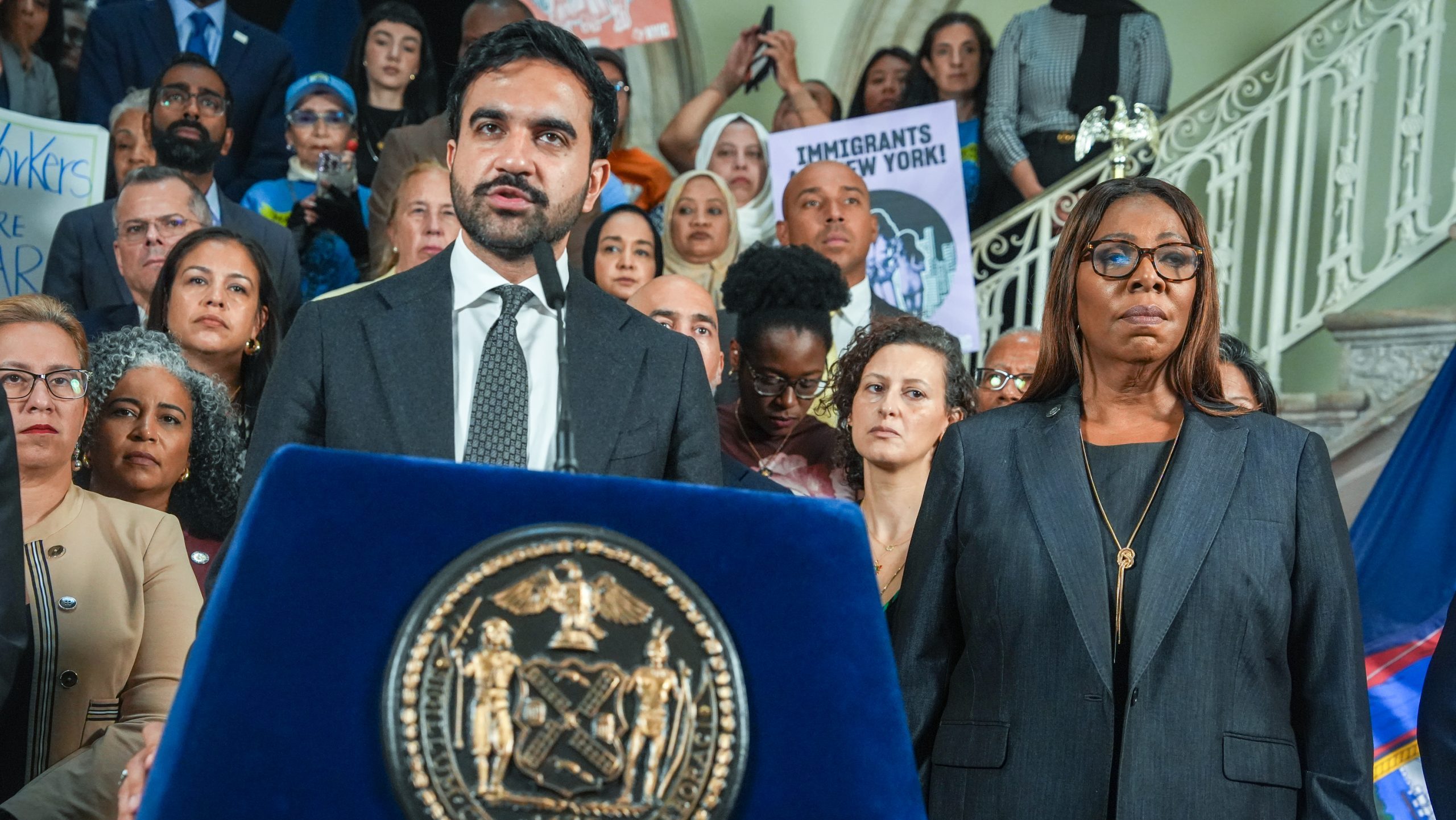
Meanwhile, N.J. Gov. Mikie Sherrill said an inspector from the state’s Department of Health was denied entry to the facility on Thursday and called for the facility to be shuttered. “Refusing to provide full access raises serious questions about what ICE is trying to hide from public view,” Sherrill said.
The strikes and protests stem from complaints by detainees of insufficient medical care for months; in December, a 41-year-old man from Haiti died the day after he was moved to Delaney Hall. In a letter released this week, detainees wrote they experience significant delays in medical care, and limited care when they receive it. They are calling for a meeting with Sherrill and demanding the release of all detainees, especially the young, old, and medically vulnerable.
The situation escalated May 24 when a participant in the strike, Martin Soto, was transferred to the ICE facility in Elizabeth, causing an uproar among families and protesters who viewed it as an attempt to end the strike. His wife, Gabriela Soto, who is four months pregnant, has frequently joined protesters over the past few months.
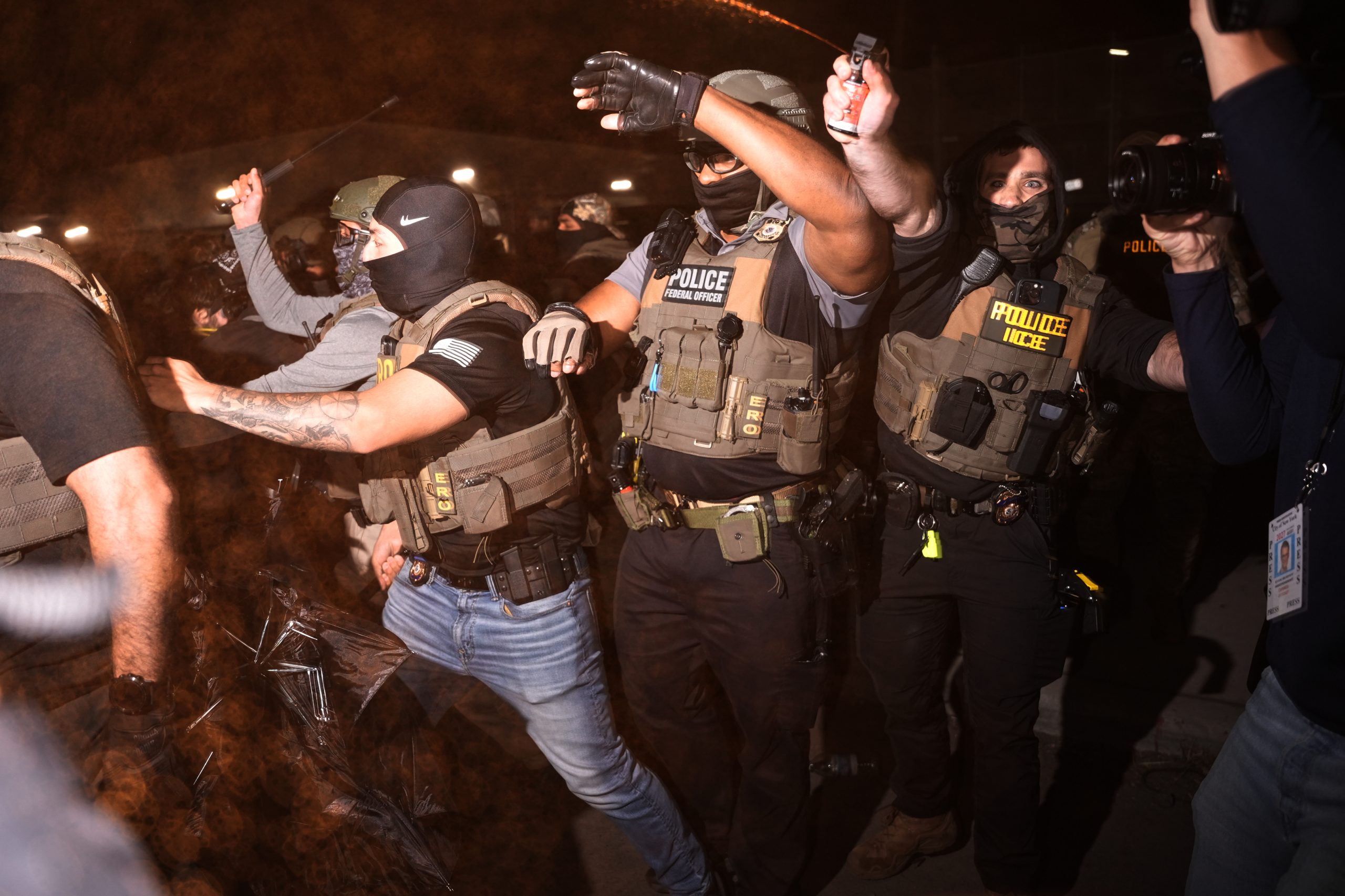
Over the past week, hundreds of protesters, family members, and other advocates have gathered in support of the detainees, attempting to block ICE from transferring any other striking detainees to other facilities. The protests have erupted into violence several nights, with ICE agents backed by armored vehicles and wearing military-style clothing using batons and pepper spray and, on occasion, tasers on protesters and journalists.
A spokesperson for GEO Group, the private prison company that operates Delaney Hall, confirmed to Documented Thursday that staff used chemical agents at the facility following “a physical altercation involving detainees.” “In accordance with established policies and protocols approved by U.S. Immigration and Customs Enforcement, staff implemented appropriate response and control measures to safely resolve the situation, including the limited use of chemical agents,” the spokesperson said.
The unrest has attracted politicians from across the New York metro area, including Sherrill, who visited the facility on Sunday and was denied access to detainees.
The Department of Homeland Security did not reply to Documented’s request for comment but has previously denied that there is a formal hunger strike. On Tuesday, DHS Secretary Markwayne Mullin tweeted, “This is nothing more than a political stunt by New Jersey sanctuary politicians for fundraising clicks. There is NO hunger strike at Delaney Hall. There are no subprime conditions.”
Later, he wrote, “ICE law enforcement officers were assaulted by anti-ICE rioters who sprayed law enforcement with an unknown chemical substance.” Documented did not witness protesters spraying law enforcement that night.
DHS also contends that the medical care at the facility “is the best healthcare [detainees]they have received their entire lives.” […] There are NO subprime conditions or abuse at the facility.”
In reference to the allegations of abuse against detainees Thursday, DHS told WHYY in a statement that there was an altercation between detainees and “staff used the minimum amount of force to safely deescalate the situation.” They said the detainees were evaluated and none had serious injuries.
Throughout the unrest, many families have kept vigil outside the barbed wire and tall fences of Delaney Hall. On Tuesday, Tatianna Barrera was among them, clutching the stroller carrying her 10-month-old twins.
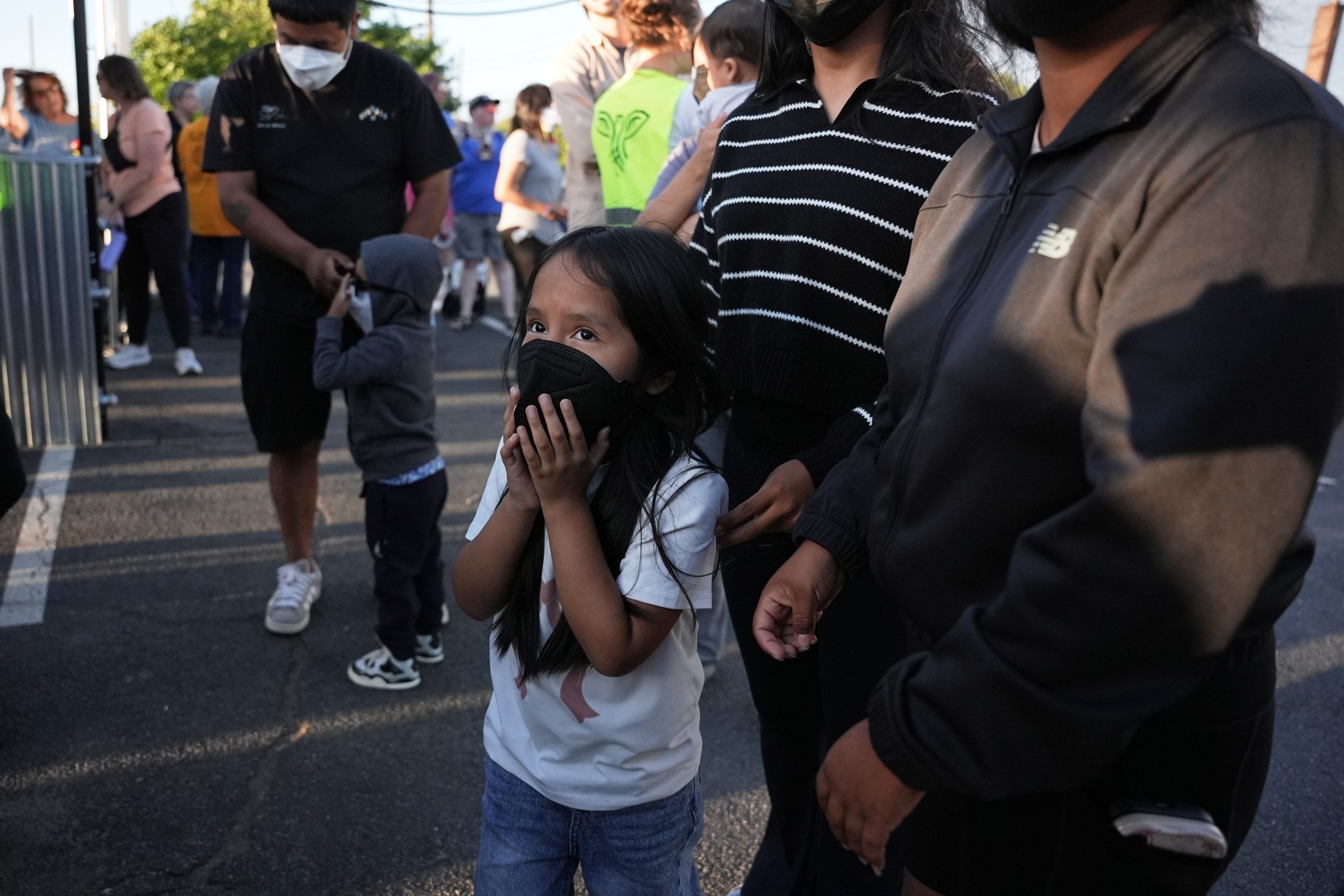
She’d driven from Trenton hoping to see her husband, one of hundreds of detainees participating in the hunger and labor strike since last Friday. But officials told her that the site’s visitation hours had been cancelled.
“It’s really unfair, what’s happening,” Barrera said to Documented, speaking in Spanish. Her husband came to the United States from Guatemala 20 years ago, when he was 17. In March, he was detained while at a fingerprinting appointment for his U Visa, a visa reserved for victims of violent crime in the U.S. who are helping law enforcement. “The person handling his case personally called to have him detained. They told him that they were resetting the computers while they waited for the officers to arrive to pick him up,” Barrera later wrote in a text to Documented.
“He is a very hardworking man who is the provider for my family,” Barrera said. “He works day and night to support our household. It’s a really difficult situation.”
In response to the labor strike, which is now entering its eighth day, advocates in touch with detainees say that GEO Group employees have been assigned to cleaning and other duties that were previously covered by detainees.
Sally Pillay, an advocate with Eyes on ICE, said recently released detainees allege guards have been particularly intimidating during the strike: turning lights on and off at night, searching rooms more frequently, intermittently shutting off water, cutting off calls at random, and patrolling the facility with rubber bullet guns and batons visible.
Also Read: Standoff at Delaney Hall
On Sunday, according to Pillay, administrators blocked detainees from using the commissary — meaning the continuing strikers are only eating the snacks they have stored, as they are refusing to eat the facility’s meals.
One man who had been participating in the strike, who spoke with Documented under the condition that he remain anonymous, was released from the facility on Tuesday after three months of detention.
“The strike began because there is no just process, no due process. And also because of abuse by the guards,” he said, citing an incident on May 20 during which a guard allegedly pushed an elderly detainee to the ground.
“It wasn’t the idea of one, of two, of three people,” he added. “All of us joined the strike together.”
Facility administrators have prevented families from visiting their detained loved ones since Sunday, blaming the protesters outside, according to numerous family members who spoke with Documented after being denied entry.
Several families and advocates told Documented that Delaney Hall staff blaming the protests for cancelled visiting hours. Still relatives expressed support for the protesters. “It’s good in the sense that they are supporting immigrants and the people who are detained,” said one man who had come to visit his cousin, but had been turned away. “The only bad thing is that we can’t see our family. And that’s what we want — to be able to see him and speak to him.”
Another woman had travelled with her son for two hours on Tuesday day to visit her detained husband. He had been detained five days prior, and has lived in the U.S. for 30 years. “We never thought we would end up like this, but we have to keep going so we can support him,” she said in Spanish, her voice breaking. “He’s sad, because it’s rough in there.”
The man was detained during a mandatory probation meeting, his son said. “He was following what they told him to do and then they just got him, like behind his back,” he said. “We’re trying everything we can do to get him out. All our family, we’re just heartbroken right now.”
ICE agents have arrested protesters throughout the week. On Tuesday night, agents arrested Adam Marshall, a medic and protester, and released him later that night on the side of a road about a mile away.
Earlier that day, as protesters stood off against ICE agents at the facility’s southern exits, families and recently released detainees received food and other supplies in the large tent at the northern entrance, which has been repurposed since its installation in January to protect visitors from the freezing cold.
“We’ve been in battle. And we say this is not the way to go forward. Violence is not the way to solve anything,” said William Chan, an Iraq War veteran who was attending the protest. “They’re playing Call of Duty right now.”
Correction, June 1, 2026: An earlier version of this article misspelled the name of the governor of New Jersey. It is Mikie Sherrill.