


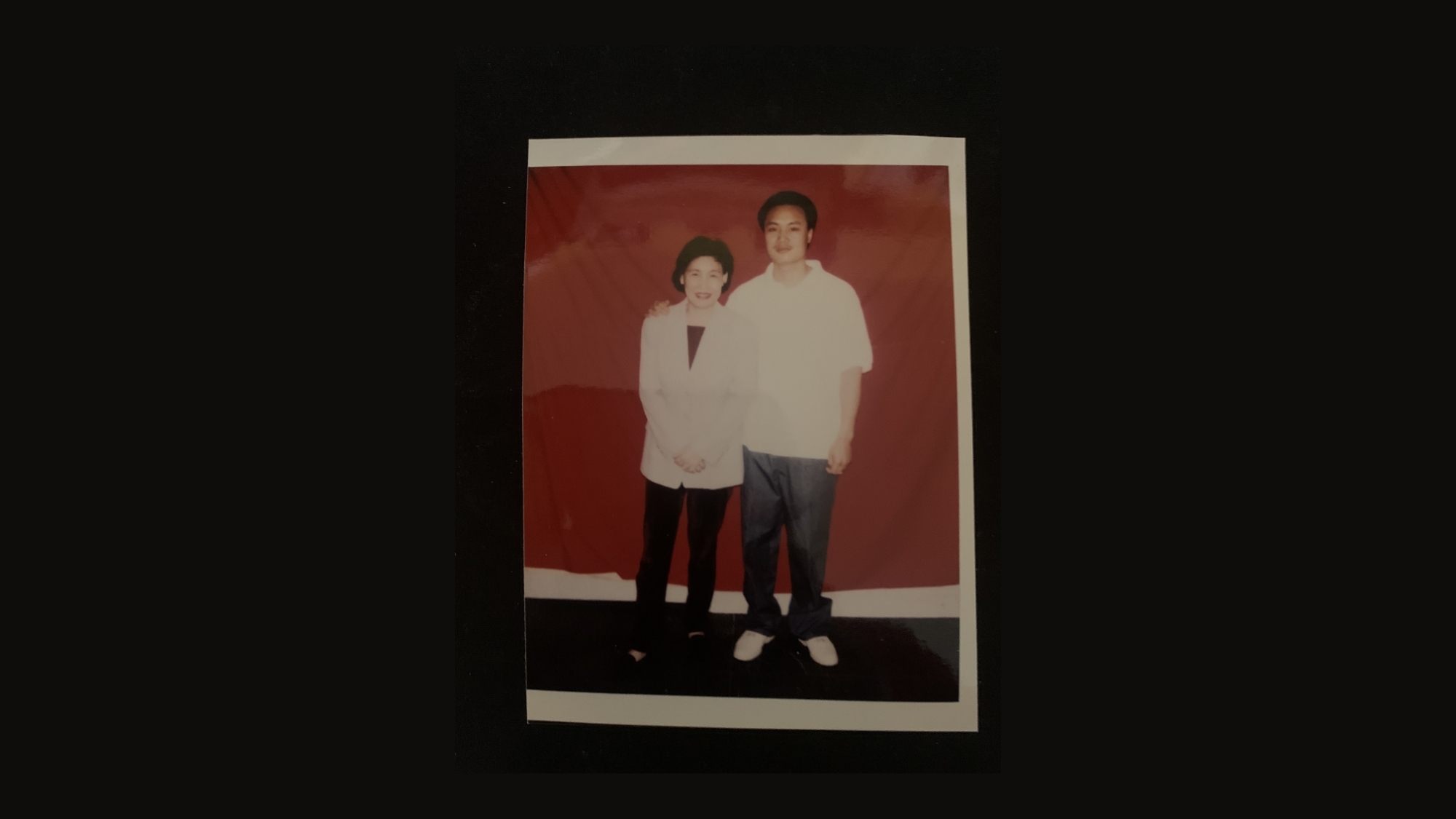


With his hands cuffed behind his back, Yanghao Lu was escorted through a side door into a courtroom at Kings County Supreme Court on June 11. The courtroom was so quiet that as he walked toward the bench, he could hear his heart pounding. After nearly three decades behind bars, a hearing would determine whether he would spend the rest of his life in prison — or finally have a chance to return home.
Lu, who is originally from China, was 24 years old when he was given a sentence of 75-years-to-life for his role in a 1995 kidnapping case tied to the wave of migration and organized crime that reshaped Chinatown in the 1980s and 1990s.
Now 52, and having served more than 28 years of his sentence, Lu shuffled into court. He had spent the past three hours on a bus from Green Haven Correctional Facility in Upstate New York. Despite feeling carsick from the journey, he tried his best to concentrate on Judge Sharen D. Hudson, listening carefully to her words through a Chinese interpreter.

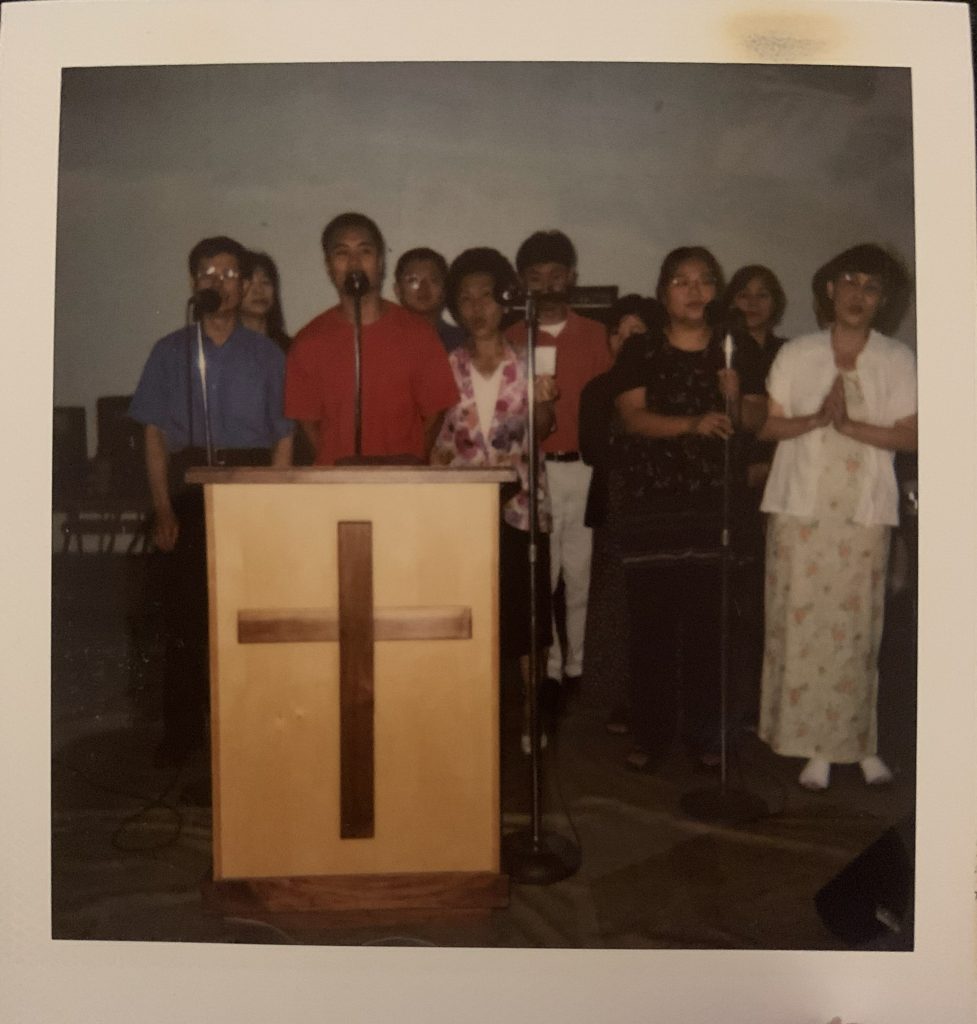
The judge asked him to turn around to face the gallery. His eyes widened before breaking into a smile. About 10 people had come to support him. None were relatives. Instead, most were volunteers from the New York Chinese Prison Ministry, a faith-based organization that for years had visited Lu and other incarcerated Chinese immigrants. Some lawyers from the Legal Aid Society came to show their support as well.
For decades, the New York Chinese Prison Ministry has been advocating leniency for long-incarcerated undocumented Chinese inmates like Lu. The group has become, for many Chinese inmates, the closest thing they have to family in the United States.
Minutes later, Judge Hudson vacated Lu’s original sentence after he pleaded guilty to a lesser included offense and resentenced him to an indeterminate term of eight and one-third years to 25 years, with credit for time served.
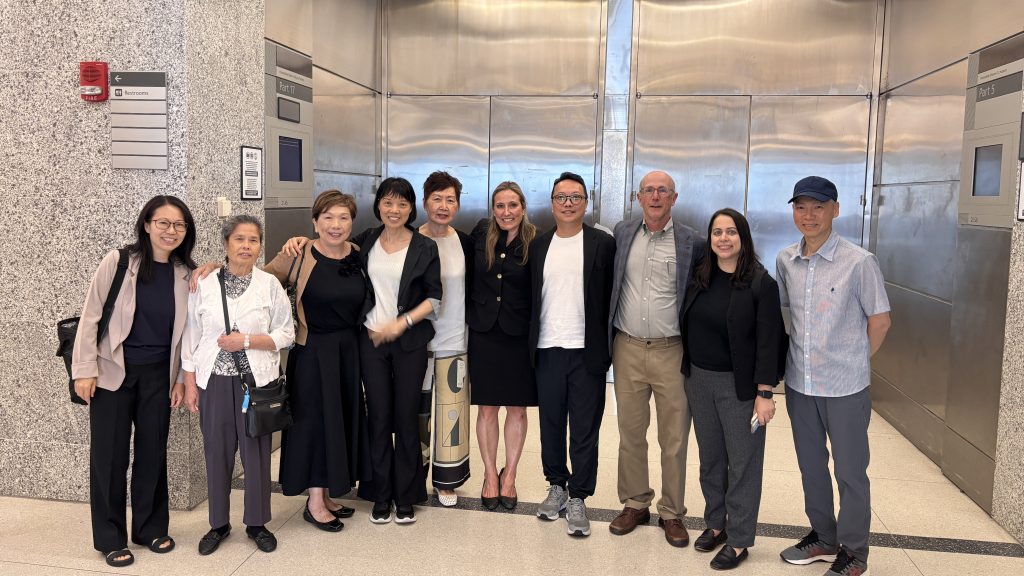
After hearing Hudson’s announcement, Lu’s eyes filled with tears. He turned toward the gallery and nodded repeatedly to thank the people who had stood by him for years.
“I’m grateful for God’s grace,” Lu told Documented in Mandarin. “I’m so happy that I finally have the chance to go home, return to my roots and see my family again.”
Many Chinese prisoners serving lengthy sentences share the same dream, he said. “They’re all waiting for the chance to have their sentences reduced and to reunite with their families — that’s their only hope.”
Lu is one of dozens of Chinese men who had been serving decades-long sentences in New York’s prisons for crimes tied to Chinatown’s gang era. These men, advocates argue, were often low-level footsoldiers coerced into criminal rings as part of their migration to the United States, but given disproportionately harsh sentences in part because of language barriers and the tough-on-crime policies of the era.
Many of them have asked to have their sentences commuted so they may be deported back to their home countries and reunite with their families once more, leaving the American dream behind.
Back in the gallery, Polly Wong, who leads the New York Chinese Prison Ministry, embraced Shui King Poon. Poon, a 74-year-old volunteer, wiped away her tears. “God answered my prayers,” Poon said. “Ah Hao [Lu’s nickname] can finally go home.”
Having completed his state sentence, and following the hearing, Lu was officially discharged from Green Haven Correctional Facility on July 6 and transferred to ICE custody for deportation proceedings. There, he will wait for the Chinese government to confirm his citizenship before he is deported back to China.
For Lu, the hearing ended nearly three decades behind bars.
For advocates, it marked one of the first major resentencing victories for a group of at least 20 Chinese immigrants still serving lengthy prison terms for crimes connected to the kidnapping rings that flourished alongside human-smuggling trade in the 1990s.
Many of the men came from Fujian Province during a surge in unauthorized migration. As human-smuggling networks expanded, kidnappings became a common method of collecting unpaid smuggling debts.
Lu’s story followed a similar path.
Raised in a poor farming family in Changle, Fujian Province, he came to the United States seeking the “American dream.” But, his journey to the U.S. that was supposed to offer a better life became one marked by violence, exploitation, grief, and lasting regret. He said he was sexually assaulted during his journey to the U.S. After arriving in New York in 1990, he said he was sold by smugglers to a Long Island restaurant and forced to work without pay to repay his smuggling debt. He recalled being physically abused before fleeing and eventually joining Chinatown gangs, including the groups known as Ghost Shadows and Flying Dragons, in search of protection and belonging.
According to court records, Lu and three other armed men forced their way into an apartment, stole valuables and abducted a man and a pregnant woman, who prosecutors said were held for ransom for two weeks. Prosecutors also alleged the woman was stabbed and repeatedly sexually assaulted by two kidnappers, including Lu.
Lu disputes key parts of that account. He said he only helped gain entry to the apartment and later transported the victims, and has consistently denied sexually assaulting the woman.
In 1997, prosecutors charged Lu for his connection with the kidnapping.
His family consulted a fortune teller in China, who urged him not to plead guilty and said the fortune teller predicted that 11 out of 12 jurors would find him not guilty. Ultimately he was convicted of three counts of first-degree kidnapping. Although prosecutors dropped the sexual assault and rape charges before the verdict, he received a sentence of 75 years to life.
Looking back, Lu said his biggest regret was rejecting a plea offer.
“I was very naive at the time,” he told Documented in a previous interview.
Lu said he believed the crime was financially motivated and did not understand how severely kidnapping is punished in the U.S. He also cited language barriers, limited legal knowledge, and poor legal advice.
Over the next 28 years, Lu filed appeals, wrote numerous letters seeking help and searched for anyone willing to revisit his case. Eventually he found support from the New York Chinese Prison Ministry, the CUNY School of Law’s Second Look Project and the Legal Aid Society.
David Crow, associate appellate counsel at the Legal Aid Society, helped handle Lu’s case. Lu’s original sentence, effectively life in prison without any chance for parole, was “so harsh and excessive, and without any understanding of who he was as a person and what led to his actions,” Crow said in a statement. “When we were finally able to tell the whole story, we found that the prosecutor and the judge were open to listening, and ultimately, to reduce his sentence in light of the new information.”
Crow said the kidnapping cases in the 1990s generated widespread public outrage, which drove authorities to impose severe punishments on those arrested, including many defendants who played smaller roles in the crimes. He said language and cultural barriers also made it difficult for some defendants to receive individualized consideration during their cases.
“I think that today, most people, if they hear the whole story, would agree that they have been imprisoned long enough,” Crow said in a statement.
Crow cautioned that resentencing remains difficult under New York law. A defendant cannot simply return to court after years of good behavior or express a willingness to be deported and receive a sentence reduction. Instead, defense attorneys must demonstrate that a constitutional violation occurred during the original sentencing process.
“There are also still language and cultural barriers to overcome,” Crow said. “I hope Mr. Lu’s case will be an example for others to follow.”
For Wong, the ministry leader, Lu’s release is about more than one man.
“God opened a door,” she said. “It gives hope to the other Chinese prisoners and to all of us who have been advocating for them.”
She pointed to over a dozen Chinese immigrants still serving decades-long sentences, including the case of Haiguang Zheng, whose case resembled that of Lu’s, as Documented previously reported. Zheng, who is serving a sentence of 84 and two-thirds years to life, spent years appealing his conviction and seeking resentencing, maintaining that he did not commit the rape he was accused of and that he was unknowingly drawn into the kidnapping.
“When it came to Haiguang Zheng, I once thought there were only two possible outcomes,” Wong said. “Either he would see me die first, or I would see him die in prison. How many people have another 20 or 30 years to wait? We want to give these prisoners hope.”
Over the years, Wong said, the ministry has watched many of the incarcerated men transform themselves. Some learned English and developed new skills, while others maintained exemplary disciplinary records.
According to records obtained by Documented, Zheng has had no disciplinary violations since 2014, and Lu has maintained a clean record since 2005. In 2010, Zheng donated one month’s prison wages, $30, to support victims of the Sichuan earthquake.
As President Trump pushes to deport undocumented immigrants with criminal records and New York pursues criminal justice reforms, the group says voluntary repatriation is a humane and practical solution.
“Everyone deserves a second chance,” Wong said. “My dream is that, over the next 10 years, I’ll see this group of prisoners finally return home.”
Lu’s attorney, Melanie Hammer, said she hopes Lu’s case will open the door for others. “I’m so happy for Mr. Lu, and I hope it can help other people who are similarly situated,” Hammer said. “The community’s support has made a really big difference.”
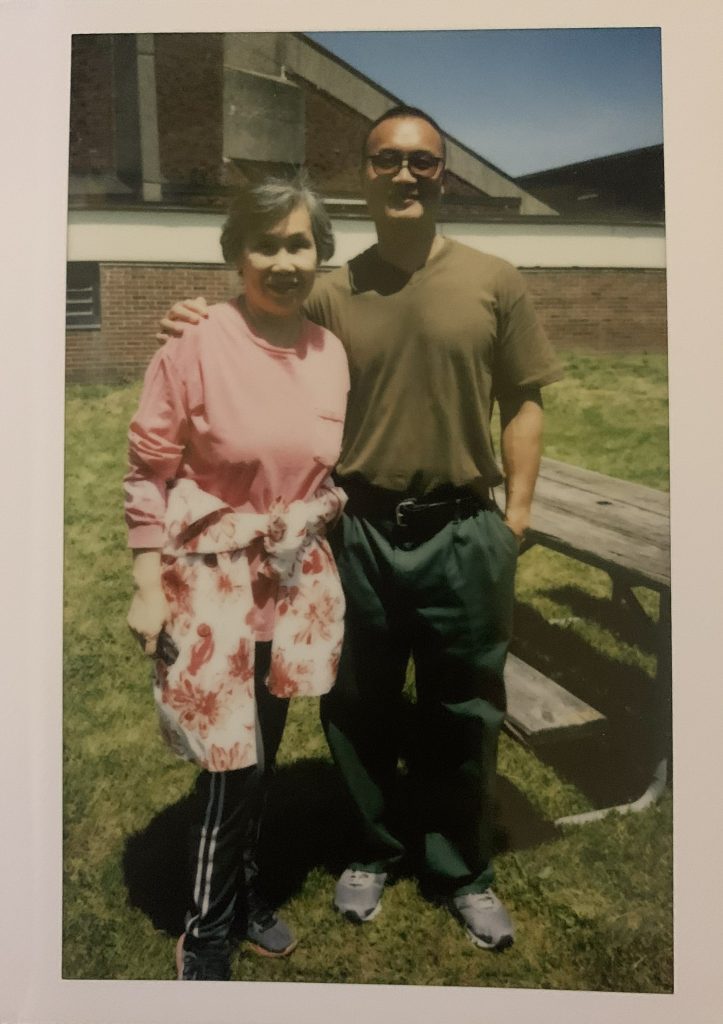
Once he is deported to China, Lu hopes to care for his 81-year-old father, whose health is declining, and to continue the family’s farming work — the life his parents once hoped he would escape by coming to America.
He also plans to visit his mother’s grave, who died by suicide in 2020 after prison restrictions cut off Lu’s ability to make international phone calls during the Covid-19 pandemic. Lu said his mother eventually believed he had died and blamed herself both for encouraging him to come to the U.S. and for trusting a fortune teller’s advice that he reject a plea deal.
“When I visit her tomb,” Lu said, “I’ll tell her, ‘I’ve come home safely. You don’t have to worry about me anymore.’”