

This article was published in partnership with The City Reporter.
A house cleaner, a certified nurse’s assistant, a hair braider, and a home health aid.
These are some of the women who have been called into 26 Federal Plaza in recent weeks and arrested by Immigration and Customs Enforcement, according to advocates and a review of a half a dozen federal habeas corpus petitions filed over the past two weeks.

The women — all immigrants from West African countries — had lived in New York City for decades. Each held a legal status which shields them from deportation to their home countries, after immigration judges determined they would be in danger if they returned.
But due to a new Supreme Court decision released last Tuesday they could be vulnerable to speedy deportation to another, third country.
Advocates fear the recent arrests of the women point to an attempt by the Trump administration to ramp up third country deportations, with the Supreme Court slated to consider the matter later this year. It’s the latest move by the administration to sidestep protections which halt deportations for people’s safety.
Asked about the recent arrests, a spokesperson for the Department of Homeland Security called third country removals, “an essential public safety tool that remove the most dangerous criminal illegal aliens from our streets.”
“Additionally, if an illegal alien chooses to file a claim in court refusing to go to their home country, they should not be surprised when we find a safe and secure nation for them to go to,” the spokesperson said.
Of the half a dozen cases reviewed by The City Reporter and Documented, only one mentioned any criminal history, which was a 2008 disorderly conduct conviction.
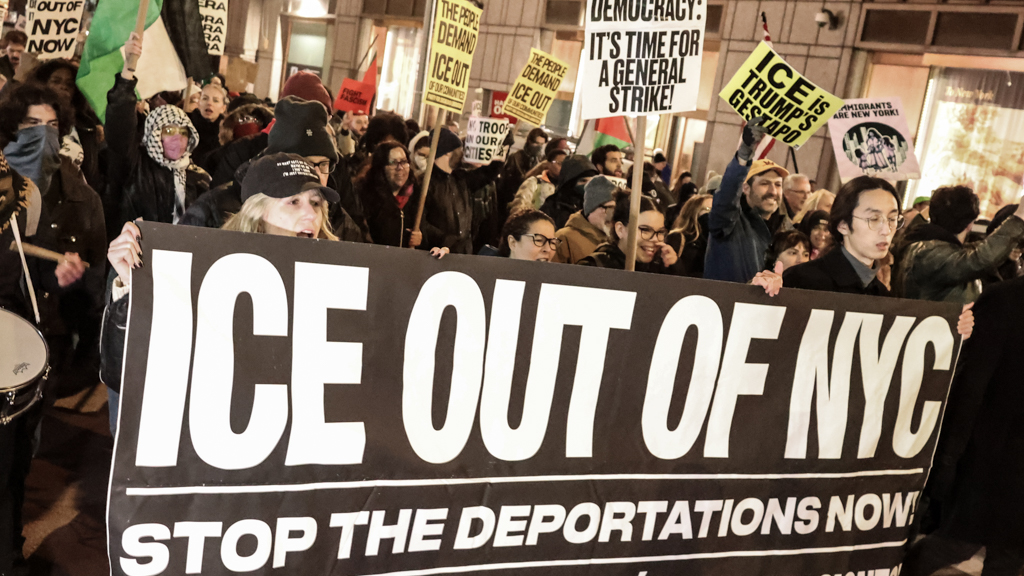
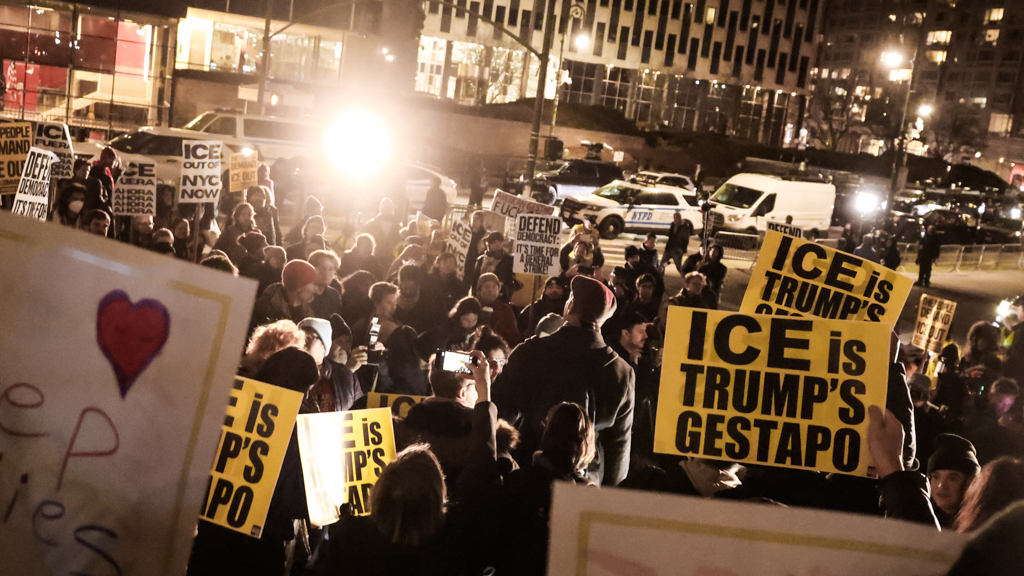
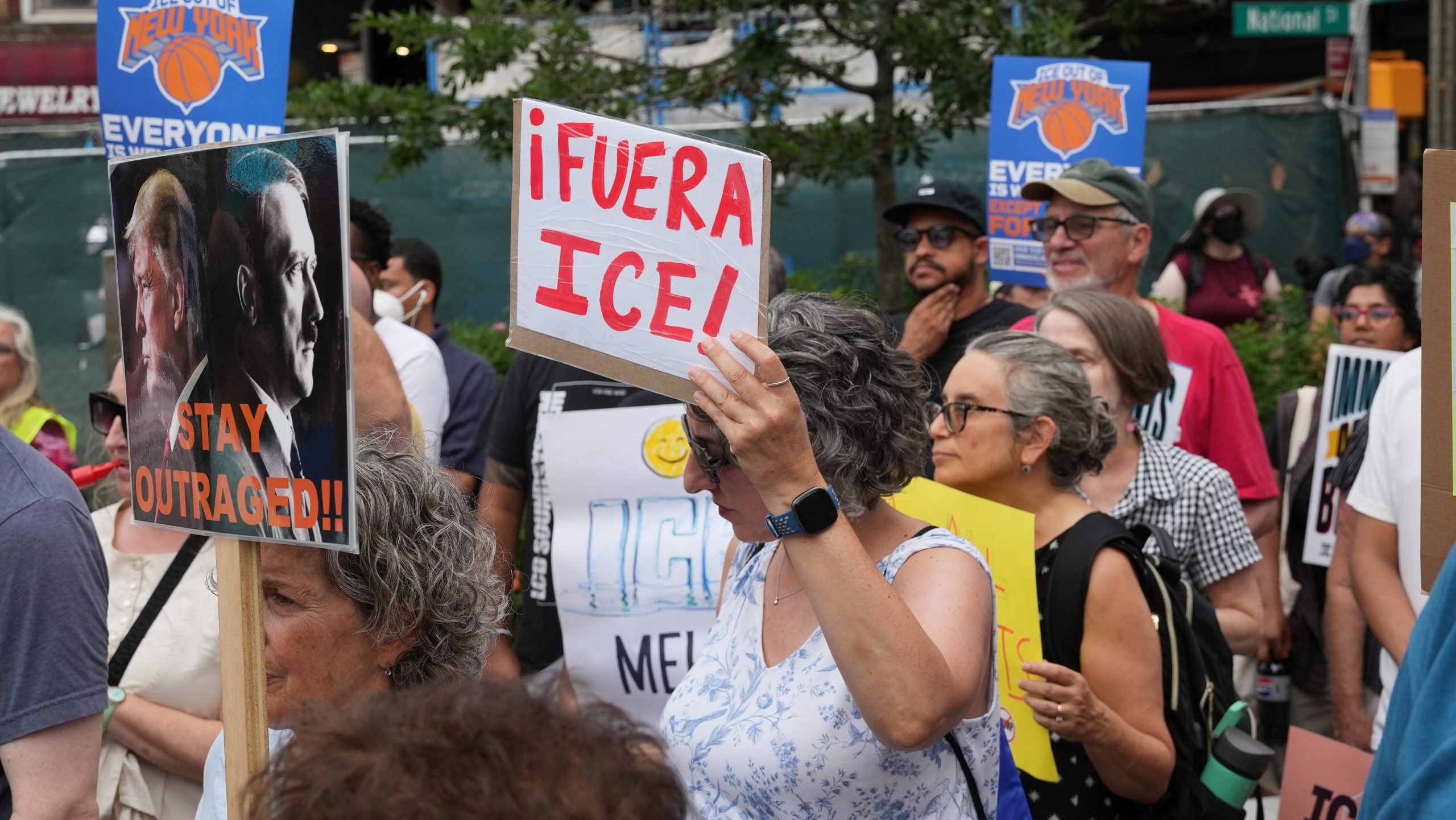
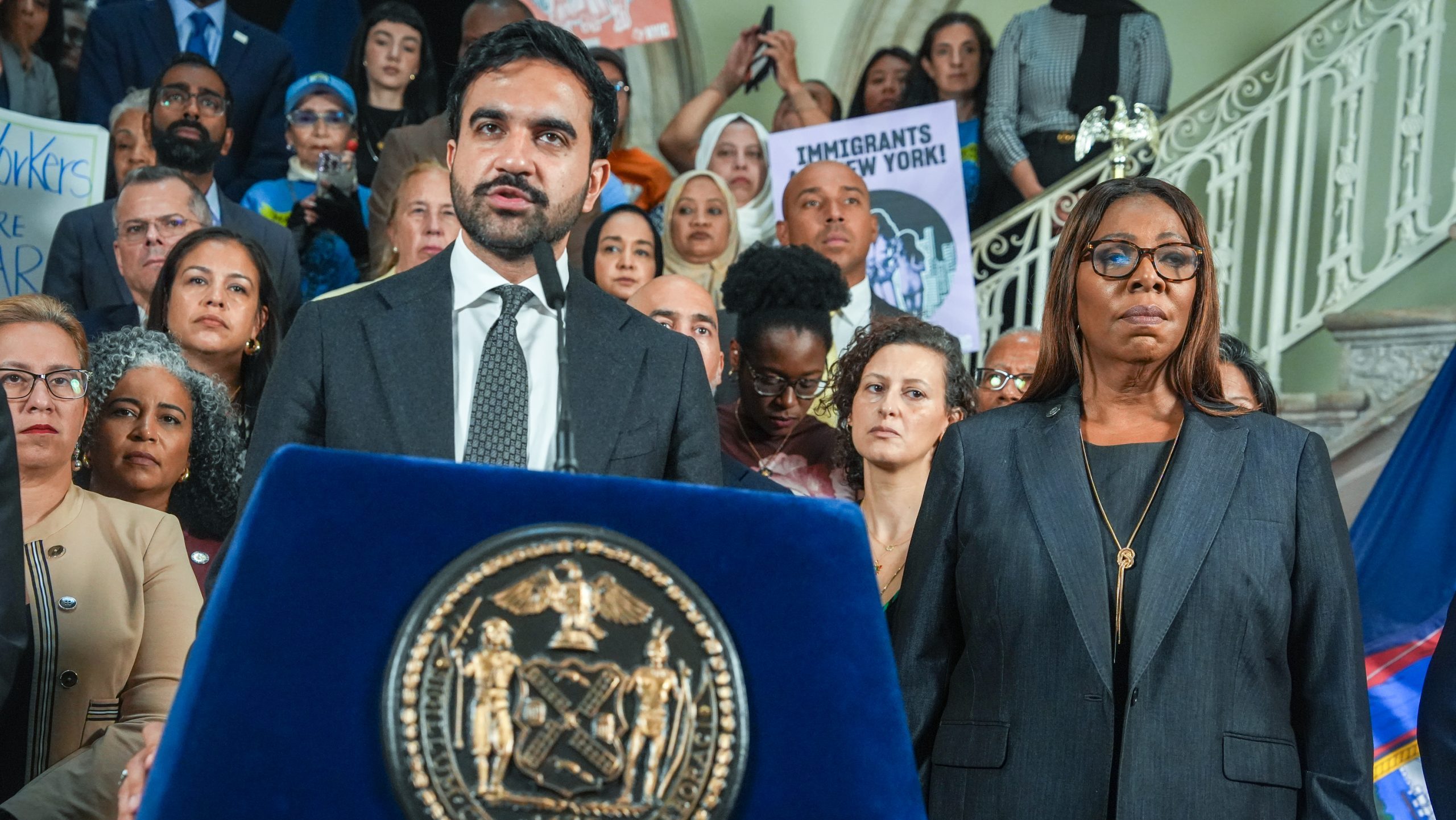
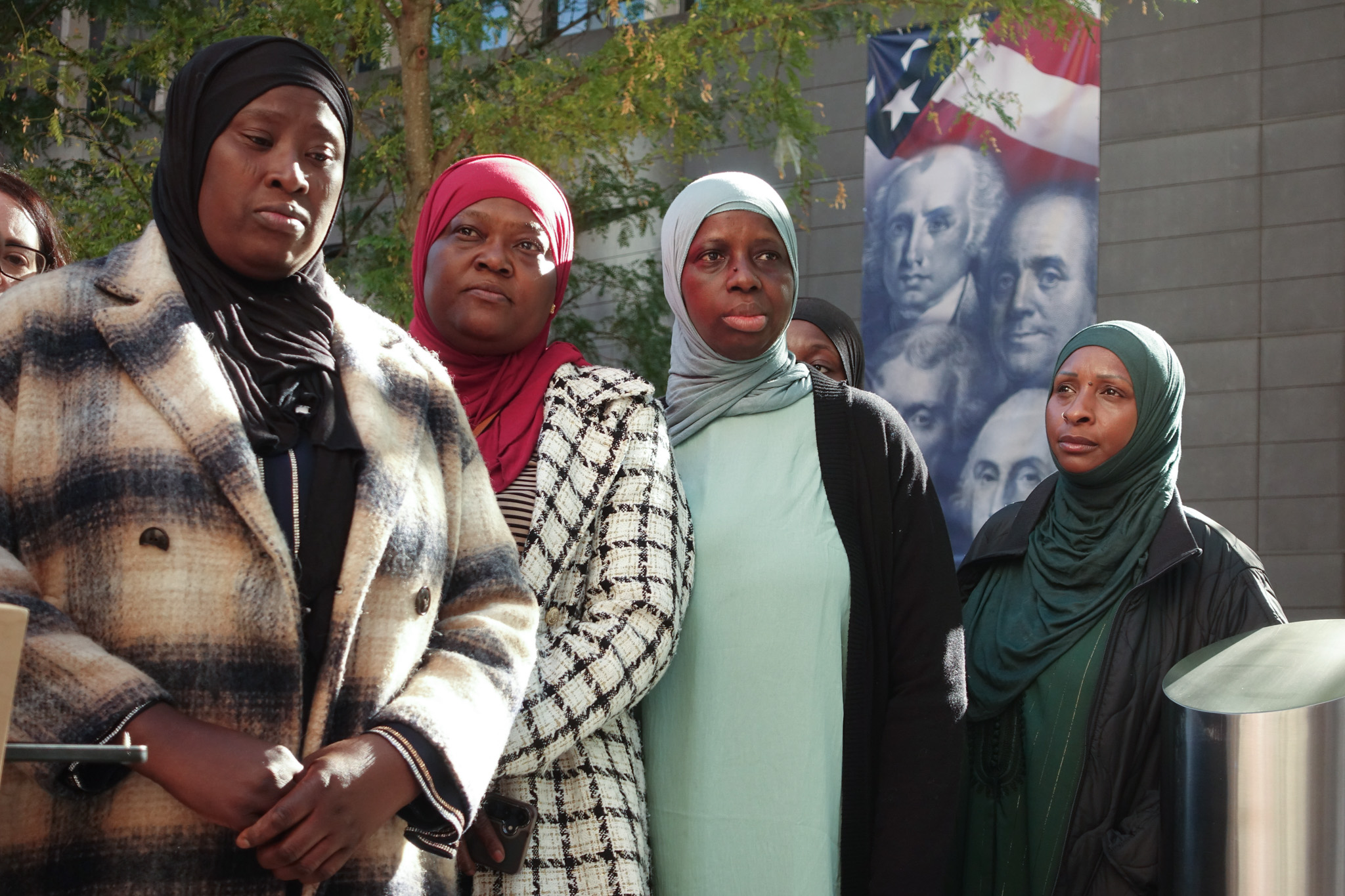
At a press conference Wednesday morning outside 26 Federal Plaza, immigrant advocates and family members of those detained gathered to raise awareness about the recent arrests. They urged immigrant New Yorkers who have received a “call-in letter” from the Department of Homeland Security to get legal help before their appointment.
The letters, reviewed by The City Reporter and Documented, offered scant details other than telling the recipient to report to 26 Federal Plaza on a specific date or time. They offered no warning of possible arrest. Under “reason for appointment” one letter simply read “DOCUMENT ISSUANCE.” In another letter, the reason given was “ICE CHECK IN.”
Adama Bah, the founder of Afrikana, a Harlem-based nonprofit that advocates for and provides direct relief to immigrants mostly from West Africa, said that about two weeks ago she started receiving a barrage of calls.
“Two weeks ago, my phone was flooded with calls and text messages,” said Bah.
“It’s a very scary moment, where you’re following the law, you haven’t been to court in 20, 40 years,” she said. “There was a woman who reached out to me, who’s been in this country since 1987. I wasn’t even born. [She] got the letter, trusted her government, walked into this building and was handcuffed.”
After answering Bah’s frantic, 1 a.m. phone calls, advocates at the New York Legal Assistance Group, along with the Amadou Ly Foundation, UnLocal, and Make the Road New York, among other groups, have been triaging the requests for legal help, filing a slew of habeas corpus petitions in recent weeks on behalf of recently detained West Africans.
‘Withholding of Removal’
The recent arrests appear to be targeting people like Madeliene’s mother, who had immigrated from the Gambia in 2003. Madeliene, 20, reached out to advocates last week and tearfully recounted the arrest of her mother.
Madeliene’s mother had a legal status called “withholding of removal,” which allows people to work legally, get permission to travel out of the country, or petition to bring family members into the country. Legal advocates asked that her mother not be named because of her pending legal case.
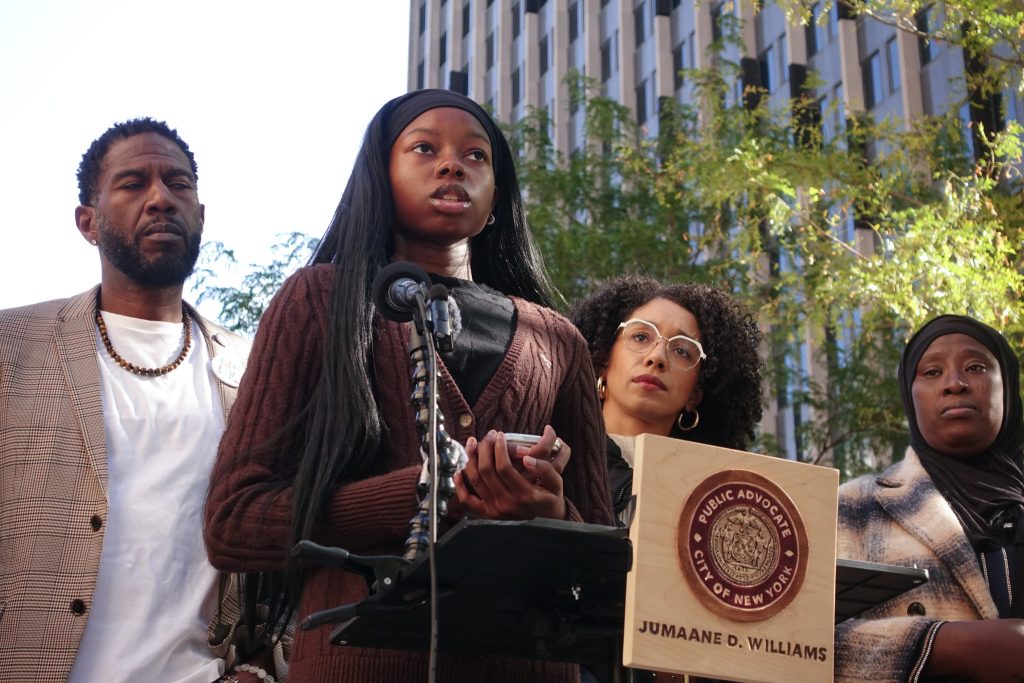
“My mother is not only my best friend, but she’s the glue of our family. Having her being taken away from us was devastating,” Madeliene later told a crowd of onlookers, tears rolling down her face as her father fell into sobs.
“Withholding of removal” has an even higher burden of proof than asylum, and an immigration judge must find a high likelihood that an immigrant would be persecuted if returned to their home country. It offers less protection than being granted asylum, but you can apply for it any time after your arrival, whereas you have a strict one-year window to apply for asylum after your arrival in the U.S.
While this status has barred the federal government from deporting some immigrants to their home countries, the Trump administration has argued it can still forcibly send them to any number of other countries it has agreements with and argued it’s a “public safety tool.”
A federal court in Massachusetts had halted third country removals in February, requiring that immigrants get a chance to contest their deportations if they were afraid to be sent to those third countries, but on Sept. 24, the Trump administration turned to the Supreme Court seeking an emergency stay and on Tuesday the justices granted it, overturning the lower court’s order, allowing the administration to continue the rapid deportations.
In New York City, third country deportations had been relatively rare. However, data from the Deportation Data Project, indicates they ramped up this year. By early August, the Trump administration had deported 147 people to third countries who were arrested in New York City, up from 86 during the same time last year.
Madeliene told Documented that when her mother received a letter telling her to report to 26 Federal Plaza the previous week, she wasn’t concerned, but planned to call out of work anyway and accompany her. The two hopped on the 5 train and her mother went in for her appointment while she waited outside.
The Harlemite had many plans for later that day: attend college class and then get her hair re-done by her mother, a decades-long New Yorker who founded a home and family while working as a hair braider along Harlem’s 125th street.
After her mother entered her appointment inside the giant building in downtown Manhattan, Madeliene waited for hours, expecting her mother to emerge.
“Every single minute, my worries got worse.”
Family members called her mother’s phone and Madeliene tried to reach her on WhatsApp to no avail. Eventually just after noon, five hours later, her mother called to tell her she was being detained.
Madeliene’s younger brother Moussa and father Mboye, all U.S. citizens, stood beside her on Wednesday as she recounted the family’s recent ordeal.
“The people love to come here, to have a dream. We have a dream, and now we’re gonna make it a dream they want to take away,” Mboye told Documented and The City Reporter, about his wife. He asked that his last name be withheld as well.
“How you can separate this family?” he said. “Take our mom away from us. What we gonna do? You don’t understand what I’m feeling, but now I cannot walk. I cannot eat. I cannot sleep.”
After her detention, the family received more jolting news.
“She called me, she was like, they said they’re gonna hold me here, and in one week they’re gonna send me to Ghana,” Madeliene said.
In June, human rights lawyers sued the government of Ghana for sending deportees from the United States to their home countries within hours or days of arriving there — which lawyers alleged was a violation of international law protecting people like Madeliene’s mother from persecution.
Madeliene’s mother had fled to the U.S. over two decades ago after facing gender violence in The Gambia, said her family. Through the Amadou Ly Foundation, the family was able to connect with pro bono counsel who quickly filed a habeas corpus petition on her behalf the same day as her arrest on Sept. 22. A day later a federal judge ordered that she not be moved out of New York and New Jersey but ICE on the same day sent her to Atlanta, and then Louisiana, before returning her to New Jersey, her family said.
“Every time she would get transferred, it was like she would just vanish from the website,” Madeliene told Documented and The City Reporter.
A day after Madeliene spoke to reporters outside 26 Federal Plaza, a federal judge ordered her mother’s release, after prosecutors didn’t oppose her request for release. Madeliene reunited with her mother at the Delaney Hall immigration detention center in New Jersey on Friday morning, ten days after her arrest.
‘I’m Never Gonna Forget This’
The City Reporter and Documented reviewed five similar habeas corpus filings describing longtime New Yorkers now facing deportation to third countries.
One described the arrest of a certified nurse’s assistant who lives in the Bronx from Burkina Faso with three U.S. citizen children under the age of 12. In another case of a Gambian home health aid with no criminal record, the government wrote in legal filings, they intended to send her to Sierra Leone, according to Deportation Officer Mincheol So.
Assistant U.S. Attorney Brandon Waterman argued in a legal brief in her case that ICE can remove immigrants to any “country whose government will accept the [noncitizen] into the country.”
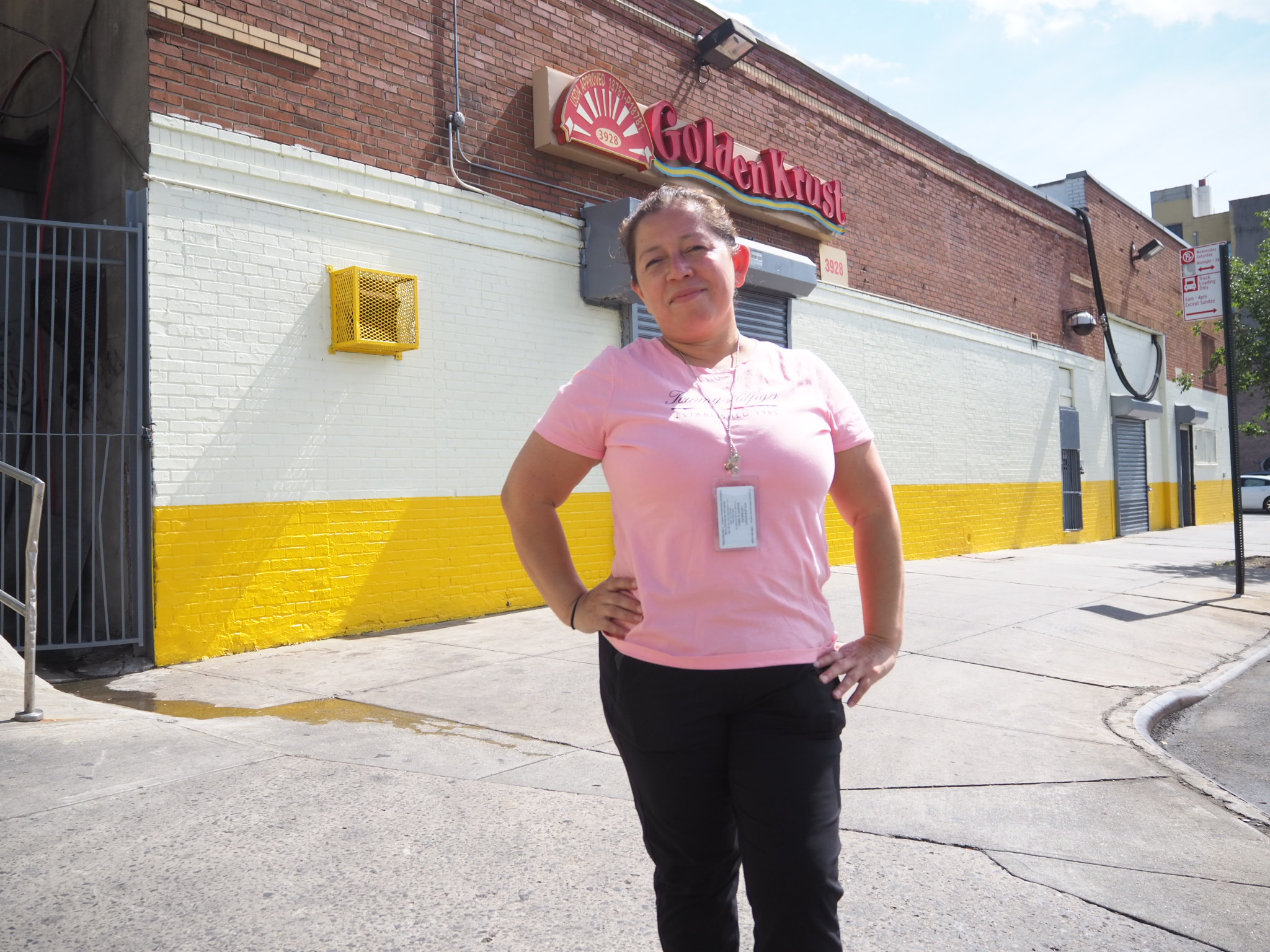
Another woman snatched up in the recent arrests was a 52-year-old housecleaner who had immigrated to the U.S. in 1993. The Bronx resident received Withholding of Removal to her home country of The Gambia in 2013, but was called into 26 Federal Plaza by ICE and arrested on Sept. 23.
While she was locked in a holding cell inside 26 Federal Plaza, ICE agents told the Bronx woman she would be sent to Ghana right away, she told Documented and The City Reporter. The City Reporter and Documented are withholding her name because of her pending legal case.
Her account was also corroborated by a habeas corpus filing filed in federal court reviewed by Documented and The City Reporter.
“‘You ready to fly to Ghana?,” an ICE agent asked her, the woman recalled.
“But I’m not from Ghana,” she replied. “How am I going to fly to Ghana? I don’t know nobody there.”
She spent almost a full day inside holding cells at 26 Federal Plaza, and then was shackled on her arms and legs and moved to Elizabeth Detention Center in New Jersey. Each morning around 4 a.m. several women from her dorm would be taken out by guards and new women would come in. She spent a week fearing she’d be put on a plane and shipped off to a country she’d never set foot in.
After her attorney filed a habeas corpus petition on her behalf, ICE released her. She could hardly believe it.
“Everybody’s telling me, ‘You are a hero,’ They were clapping,” she said, adding she’d been cheered on by other detainees as she walked out. Her time in detention had shaken her, she said, leaving her unable to sleep since her release. “I’m never gonna forget this my entire life.”
Haidee Chu of The City Reporter contributed reporting.