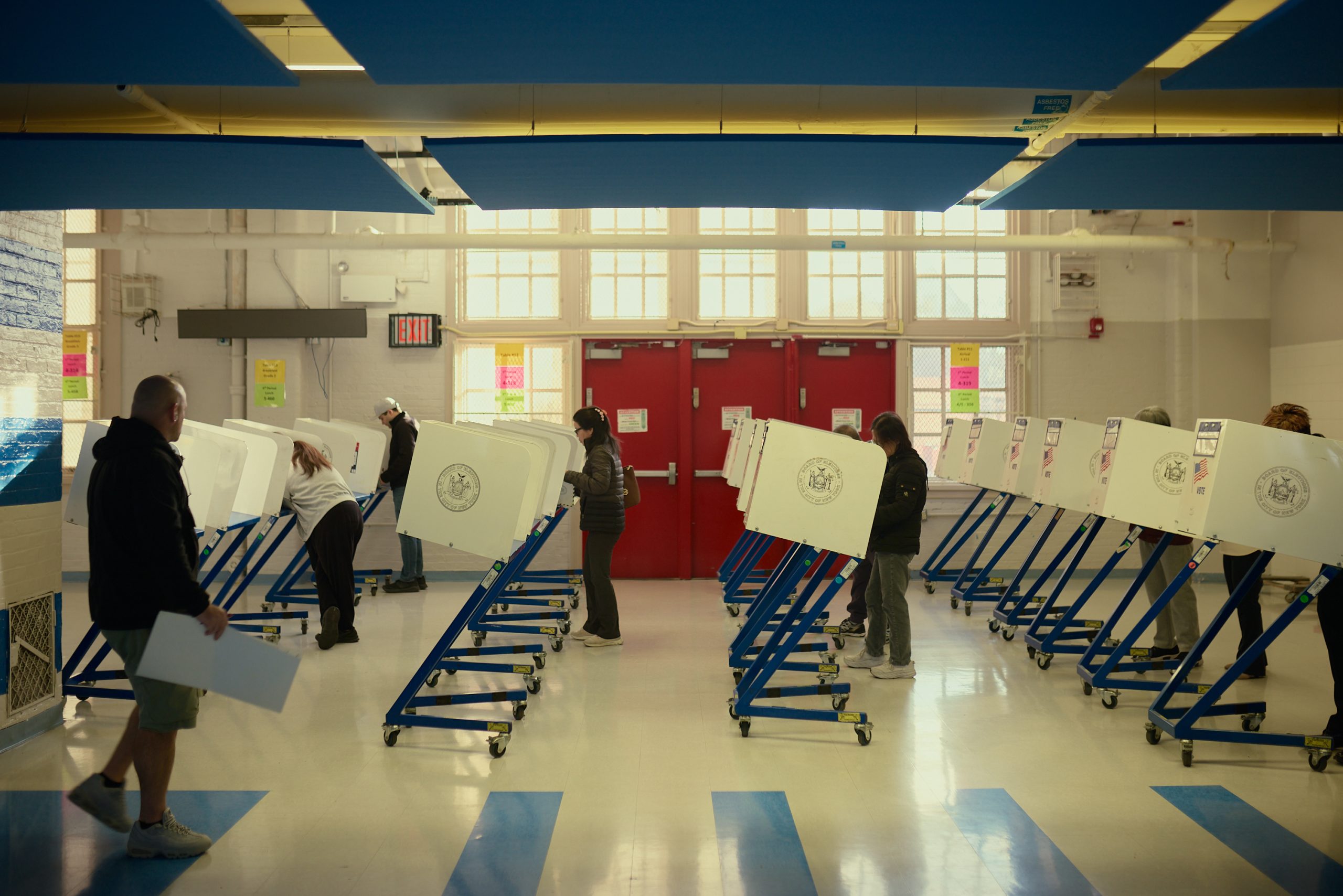


In a gubernatorial race that hinged on two opposing visions of the state’s cooperation with ICE, immigrant communities in New York City voted overwhelmingly to re-elect Gov. Kathy Hochul.
Hochul, a Democrat, captured 73.08% of votes in New York City’s immigrant neighborhoods, while Nassau County Executive Bruce Blakeman, the Republican challenger, received 26.9%, according to Documented’s preliminary analysis of Election Board and U.S. Census Bureau data. (As of the latest vote count Wednesday morning, Hochul has received 60% of the votes statewide.)
At the center of the race has been the candidates’ response to immigration enforcement operations across New York. Since President Trump re-entered office last January, a federal immigration crackdown has ripped through immigrant communities. Earlier this year, Gov. Hochul responded by signing a set of immigrant-protection laws, including the Local Cops, Local Crimes Act, which limits collaboration between local law enforcement and federal immigration enforcement agencies through what are known as 287(g) agreements.

Blakeman, by contrast, has been a vocal supporter of 287(g) agreements and Trump’s immigration policies, increasing collaboration with ICE in Nassau County and expanding powers of local police to ask about immigration status and make immigration-related arrests. He has also been an open critic of “sanctuary” policies, and earlier this summer resisted — and later yielded to — Hochul’s ban on ICE collaboration.
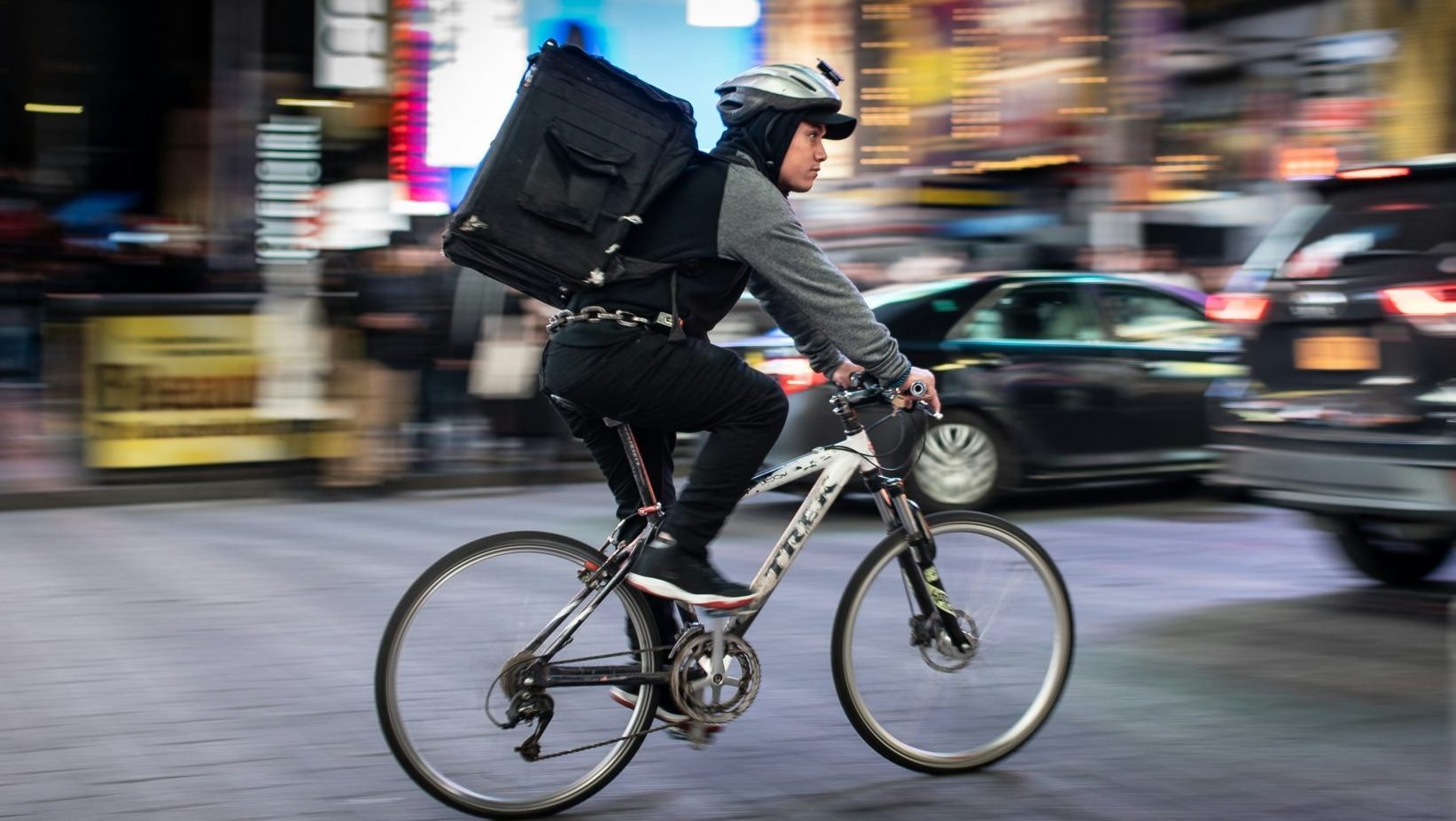
The chaos of the past 22 months has informed how voters in immigrant neighborhoods made decisions at the ballot box in the 2026 midterms. Months of ICE raids, undercover street arrests, violations of due process in immigration courts and most recently, an ICE shooting in Manhattan’s neighborhood of Marble Hill have upended the lives of immigrant families and imperiled immigrant businesses across the city.
As Documented’s on-the-ground reporting on Election Day revealed, some immigrant New Yorkers who formerly supported Trump swung their support behind Democrats this election in response to immigration enforcement and the rising cost of living.
This seismic shift toward Democrats was apparent in races across the state, but especially pronounced in immigrant neighborhoods across New York City, many of which had previously swung rightward during the 2024 election. Documented’s analysis of preliminary election data found that immigrant-majority neighborhoods overwhelmingly supported Hochul’s re-election.
In this analysis, immigrant neighborhoods are defined as any areas where more than half of the population was born outside of the U.S. An estimated 294,135 people voted in those areas, approximately 17.5% of the 1.68 million people who voted across the city, according to a count of total check-ins by 6 p.m. on Election Day from the New York City Board of Elections. Across these areas, Hochul gained over two times the number of votes as Blakeman.
Still, Blakeman had a stronghold of support in several dozen census tracts in South Brooklyn where over half the population is foreign-born. Gov. Hochul, meanwhile, captured broad support across immigrant communities in Queens.
A previous Documented analysis of the 2025 New York City mayoral primary, where now-Mayor Zohran Mamdani beat out former Gov. Andrew Cuomo by about seven points in immigrant neighborhoods, also shows overlap between the mayor’s base of support in Queens, and where Hochul gained a concentration of votes in this year’s gubernatorial race.
Sam Rabiyah contributed analytical code to this story.
About the analysis:
To compare election results with demographic patterns, we apportioned votes from election districts to census tracts using an “Area-Weighted Intersection Analysis”. Each election district’s total votes were distributed across the tracts it overlaps, in proportion to the share of the district’s area that falls within each tract. This method ensured that every vote counted once in our analysis, and that tracts partially covered by multiple districts received a fair share of votes based on geography.
Demographic statistics on foreign-born populations came from the American Community Survey’s 2018-2023 estimates from the Census Bureau. Primary election votes by election district came from the NYC Board of Elections.