

This story originally appeared in New York Focus, a nonprofit news publication investigating power in New York. Sign up for their newsletter here.
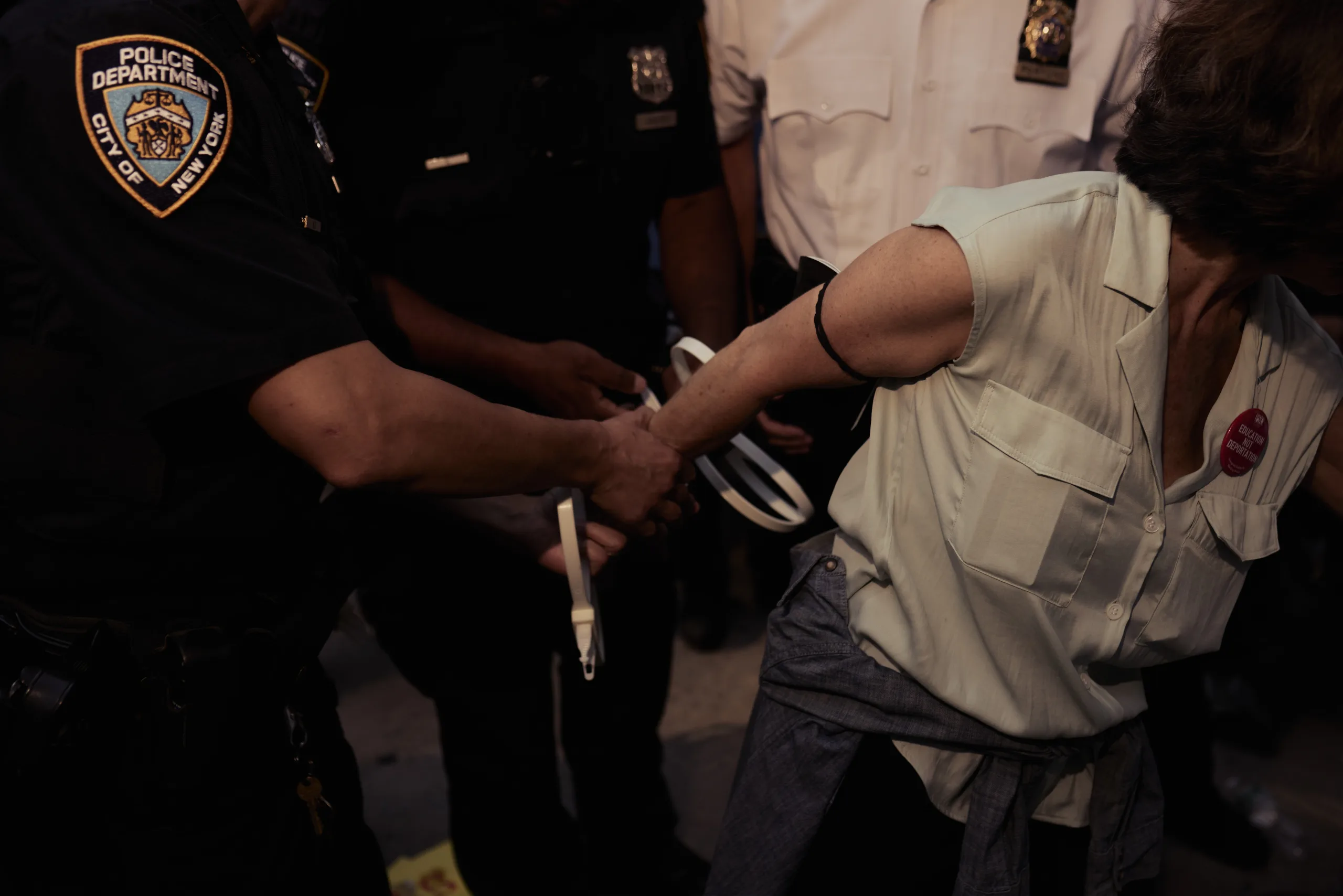
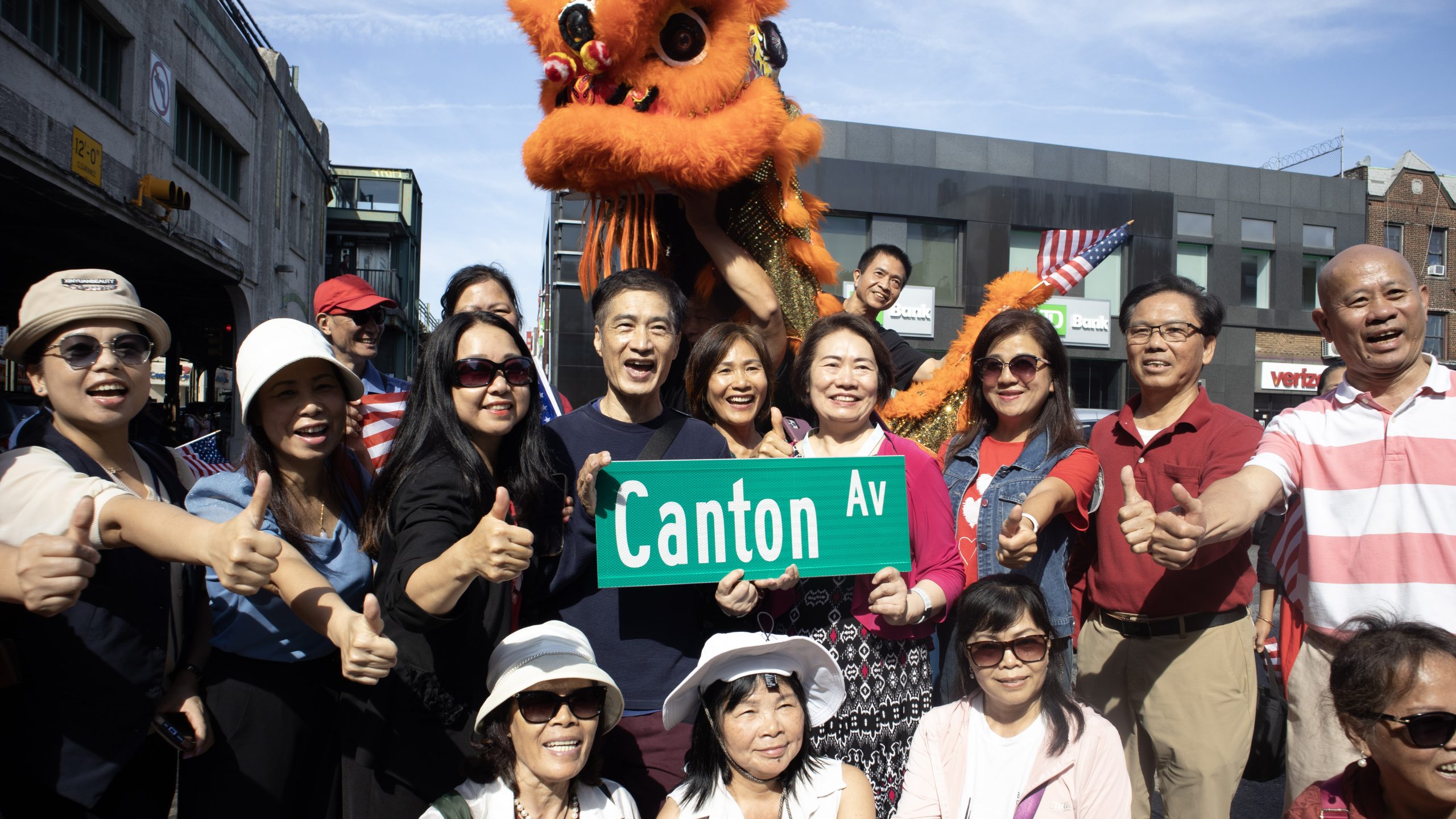
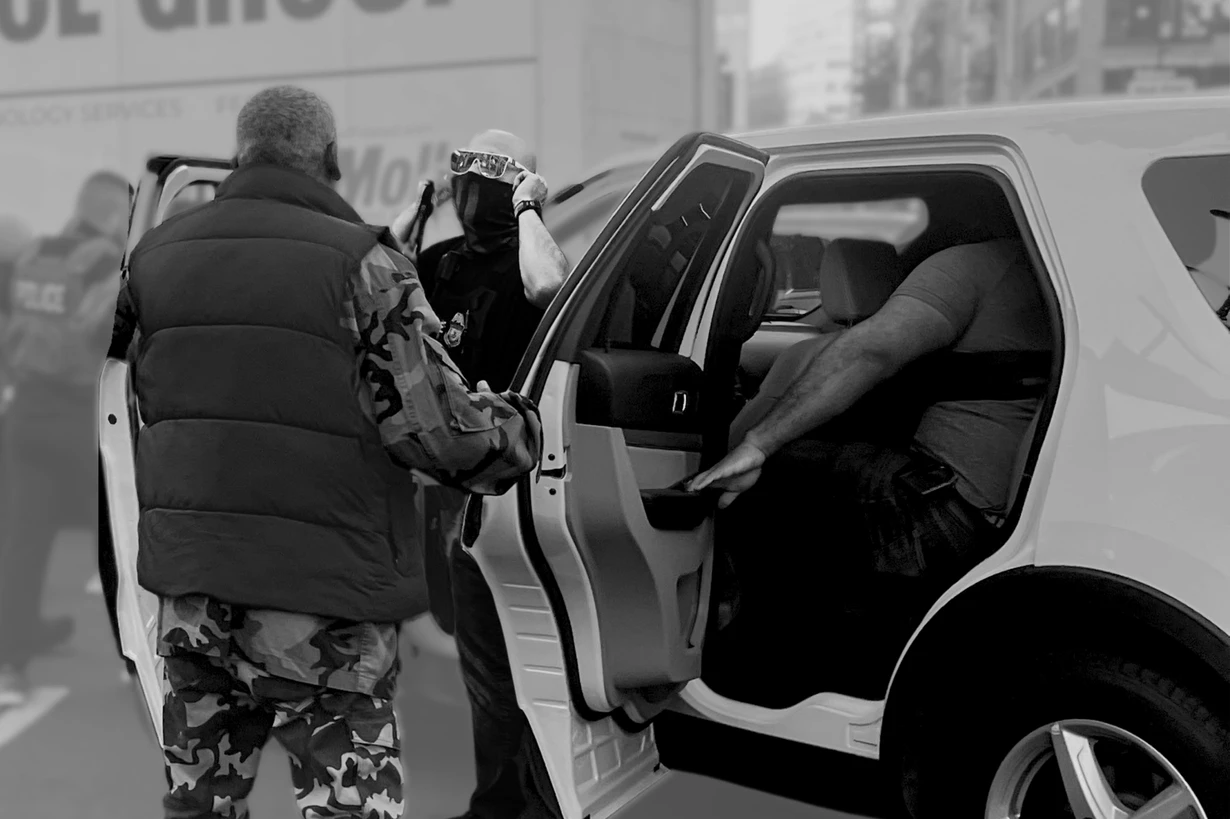
On Tuesday afternoon, New York City Councilmember Christopher Marte was setting out for a walk with a community group, looking for ways to create more shade in a park in his lower Manhattan district. Then his office got a call from a constituent: Federal law enforcement agents in masks and bulletproof vests were amassing on Canal Street in Chinatown. By the time Marte hopped off a Citibike at the scene, street vendors were fleeing and arrests were underway.
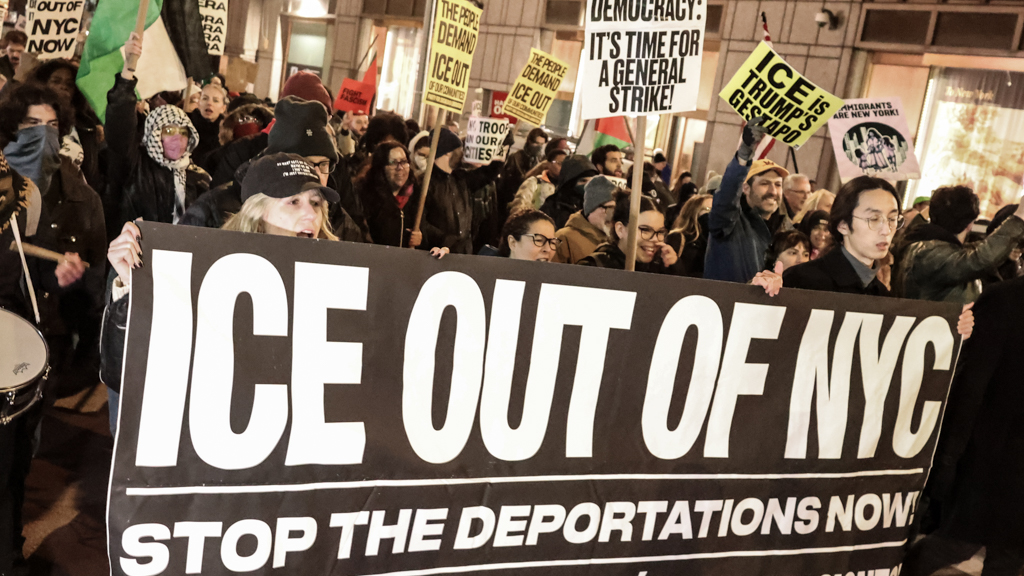
Marte watched as agents arrested immigrants for deportation, while communicating with other elected officials about what was happening and how to get the word out. As the crowd followed the federal agents to a nearby federal building, other councilmembers arrived, blending in with a mass of ordinary residents who had gathered to protest.

The militarized raid, which took place in a neighborhood crowded with tourists, commuters, and businesses, was one of the biggest and most publicized in New York City since President Donald Trump’s nationwide immigration crackdown began earlier this year. Murad Awawdeh, president and CEO of the New York Immigration Coalition, called it “a clear escalation.” Immigration and Customs Enforcement’s acting director said Wednesday that New York “will see an increase in ICE arrests” going forward.
“It looked like a practice, to figure out how to do this in New York City,” Marte said.
The raid highlighted the challenge facing local officials who have vowed to protect immigrant New Yorkers, but who have limited tools to resist immigration arrests once they’re underway.
In recent months, city councilmembers and other elected officials have expanded services offered to constituents fearing ICE arrest. The city has boosted funding for immigration legal services, while legislators have watched for ICE agents in their districts, taken calls from the family members of people arrested, referred constituents to lawyers, offered know-your-rights trainings, and hosted free legal clinics in their offices.
When federal agents show up in their neighborhoods, however, there’s little local officials can do to stop them. New York City law forbids local government cooperation with immigration enforcement, but federal agents have broad authority to make arrests.
“There’s not much you can do,” said Barry Friedman, a professor at New York University School of Law and an expert on policing. “The federal government has the authority to engage in federal law enforcement and make sure it isn’t interfered with in doing that.”
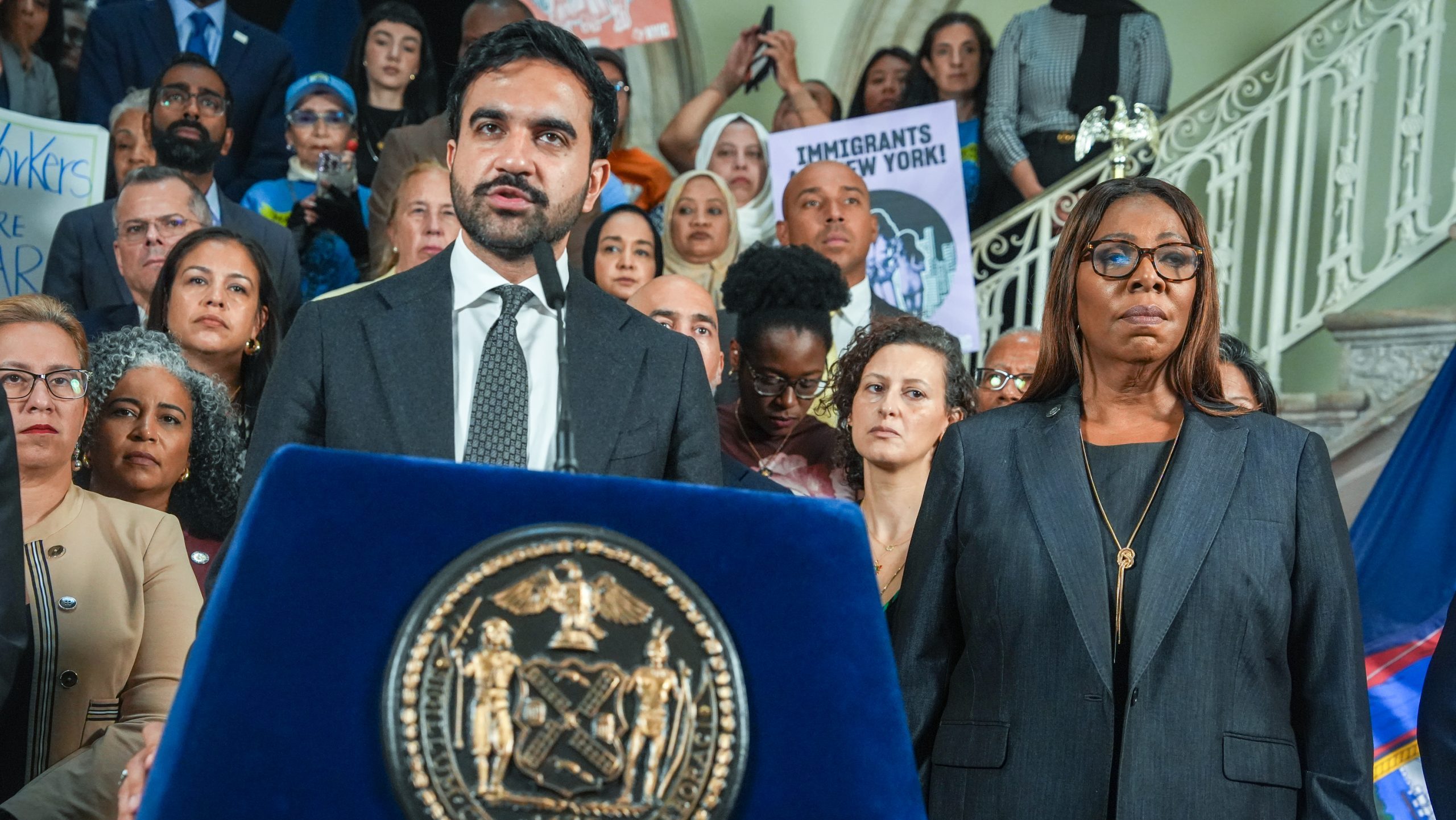
Marte said New York leaders are trying to learn from other cities’ experiences. About two weeks ago, he and other members of the City Council’s Progressive Caucus joined a call with Chicago alderpeople and Los Angeles city councilmembers to learn how they’ve handled the deployment of federal troops and law enforcement in their cities.
“Fighting against the federal government is no easy feat in a system we have very little control over,” Alexa Avilés, chair of the New York City Council’s immigration committee, told New York Focus the day before the Chinatown raid.
For councilmembers representing large immigrant communities, the raid deepened their fear of what the coming months might bring. Some are trying to lay low.
Prior to the raid, New York Focus spoke with staff of a city councilmember who has been trying to get ICE to release two local business owners whom agents had recently arrested. Staff have gathered statements of support and contacted congressional representatives. This week, they were planning a rally for one of the people arrested, a former office volunteer who’s now in an ICE detention center in Louisiana.
After Tuesday’s raid, however, the office wasn’t sure whether they should move forward with it. Staff asked that the office not be named in this story, fearing that the district could become an ICE target.
In Chinatown, witnesses said dozens of agents rapidly descended on the immigrant vendors. Mor Ndiaye, 39, a native of Senegal, told New York Focus he was on Canal Street when he was swarmed by agents, who pushed him to the ground and detained him until he showed them identification. As the crowd grew, agents from ICE and Customs and Border Protection tussled with protesters. Demonstrators, including Marte, then streamed toward the nearby federal building where agents took those they arrested, and an armored ICE vehicle blazed down the street.
When the masked officers and unmarked cars dissipated, local officials were unsure of even basic details of the raid. By Wednesday, Marte didn’t know how many people had been arrested or who they were. The Department of Homeland Security released a statement saying it had arrested nine immigrants it accused of living in the country illegally and five protesters for allegedly interfering in the raid.
The feds rarely share information with local elected officials, said Simone Kanter, a spokesperson for Representative Dan Goldman. Even though Goldman has federal oversight powers as a congressperson, ICE often won’t respond when his office sends questions about operations in his Manhattan and Brooklyn district.
Kanter said much of the representative’s district staff now focuses on responding to immigration arrests. Their office sits across the street from Manhattan’s 26 Federal Plaza, where ICE has been arresting people after their immigration hearings. When someone gets arrested, court watchers often bring their family members to the office, where staff assess ways to help. Kanter said the office is working to set up a kind of “triage unit” to track detentions and connect people with resources. But victories are hard-won.
“Quite candidly, I want to say for 90 percent, 95 percent of the people we deal with, there’s not much we can do,” Kanter said. “ICE categorically refuses to work with us.”
Local officials’ efforts to aid immigrant constituents are complicated by the fact that New York City doesn’t know who its next mayor will be. At Wednesday night’s mayoral debate, all three leading candidates condemned the raid. Former Governor Andrew Cuomo said he would have had the New York City Police Department “step in and stop” the federal agents. Frontrunner and state Assemblymember Zohran Mamdani called to “end the chapter of collaboration between City Hall and the federal government, which we’ve seen under Mayor [Eric] Adams.” Republican Curtis Sliwa said the raid should not have happened, but also criticized “citizens attacking our federal law enforcement forces in the street.”
Progressive city councilmembers are eagerly awaiting the departure of Adams, who has been mostly silent on ICE activity in the city. “He still maintains his bargain of not doing much for immigrant New Yorkers that he traded to keep himself out of jail,” immigration committee chair Avilés said. The federal Justice Department moved to dismiss corruption charges against Adams earlier this year, after a DOJ official claimed that the prosecution was preventing the mayor from assisting with the president’s immigration crackdown.
On Tuesday, Adams issued a statement saying the city never cooperates with civil immigration enforcement and was not involved in the raid.
“Mayor Adams has been clear that undocumented New Yorkers trying to pursue the American Dream should not be the target of law enforcement, and resources should instead be focused on violent criminals,” the statement said.
Goldman has called for the NYPD to arrest federal officers who illegally assault or detain New Yorkers, something Kanter said would be important if the Chinatown raid does herald an increase in street-level arrests. The NYPD said in a statement to New York Focus that members of the department “were in the vicinity of the operation after it already started to monitor the situation.”
Similarly, state Attorney General Letitia James has asked New Yorkers to submit videos and other documentation of ICE actions via a web portal and said her office would review them for legal violations. That could potentially inform a lawsuit against the federal government, said Josh Parker, deputy director of policy for the Policing Project at the New York University School of Law.
After Tuesday, the best path forward in the face of a federal escalation remains unclear to some elected officials. A staffer for the city councilmember whose office is avoiding publicity said the days since the raid have been consumed by conversations about what to do next.
“We are spending most days trying to anticipate what could happen next and what repercussions there could be for any of our actions,” the staffer said. “No one has a playbook.”