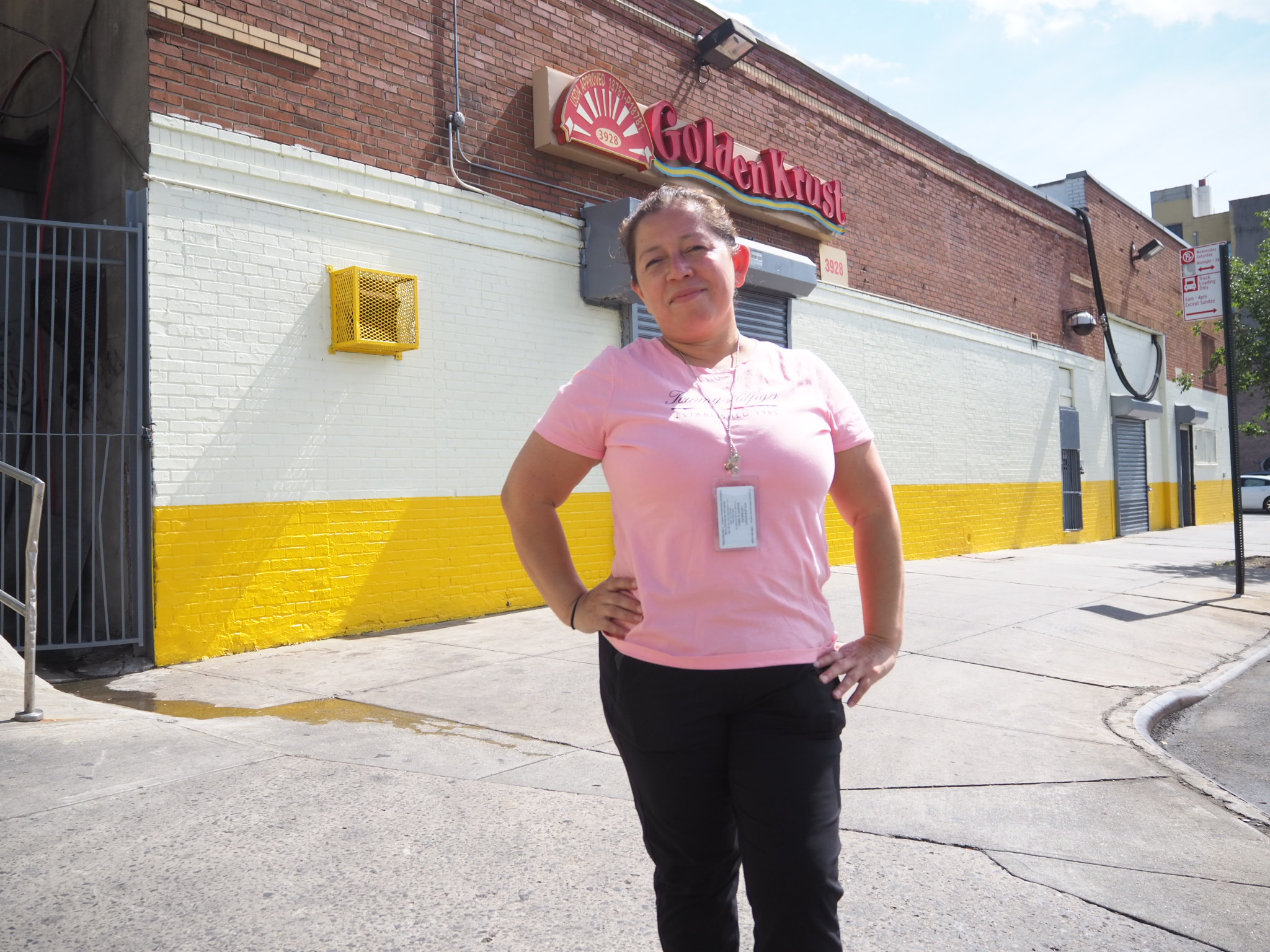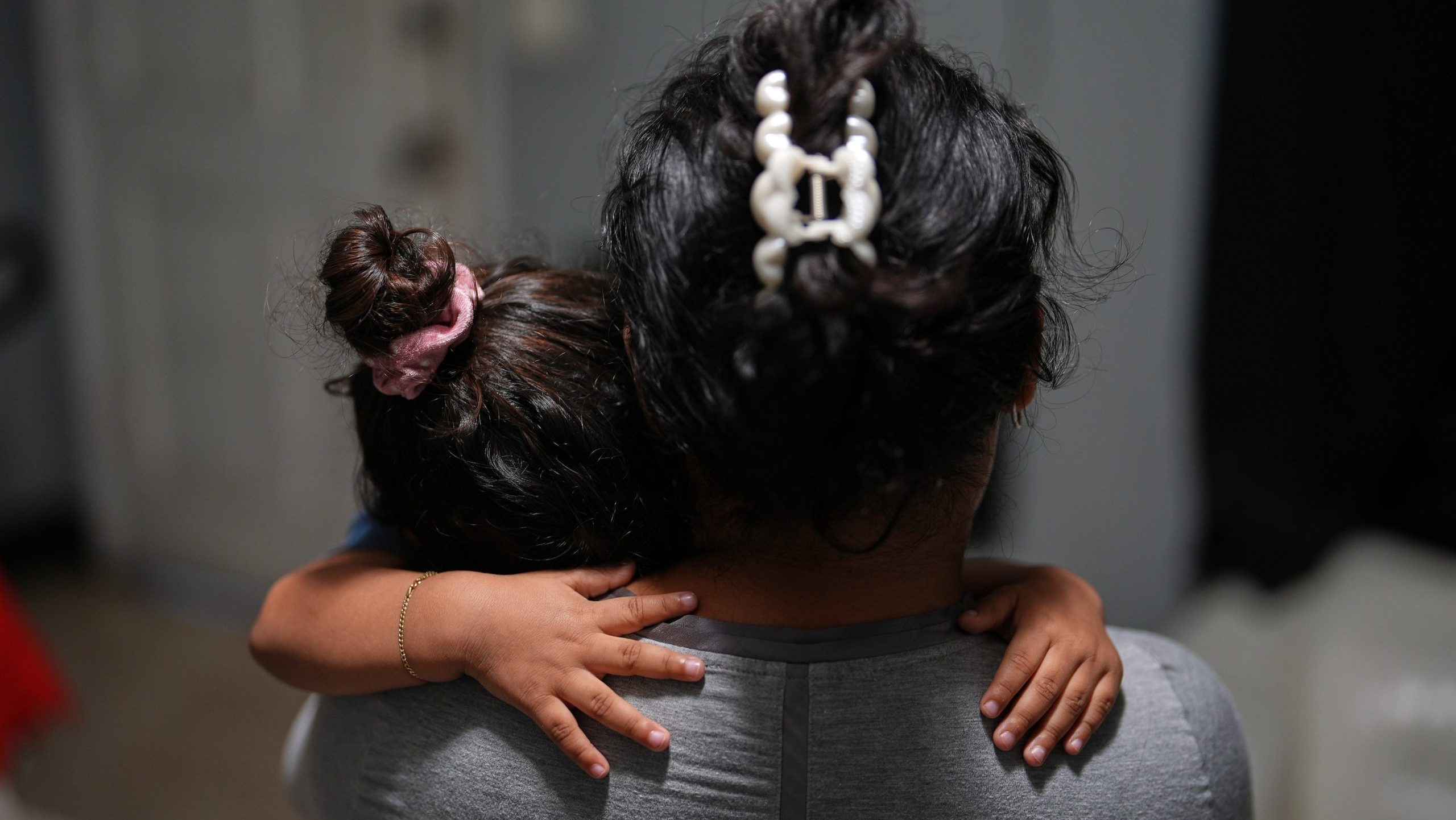


For Kimberly Alvarez, memories of federal agents whisking her husband away at 26 Federal Plaza last fall come back in jarring flashes.
The couple had just finished their first court appearance as asylum seekers from Venezuela when immigration agents arrested him, then turned to her and simply said, “you can leave.” She remembers the chaos, the confusion, how no one would answer where her husband was being taken.
“All I was doing was crying,” Alvarez said months later in her Brooklyn apartment. “At that moment, all I was doing was praying and saying goodbye, asking him to come back, to bring him back.”

But Alvarez was not just crying for herself; she was six months pregnant.
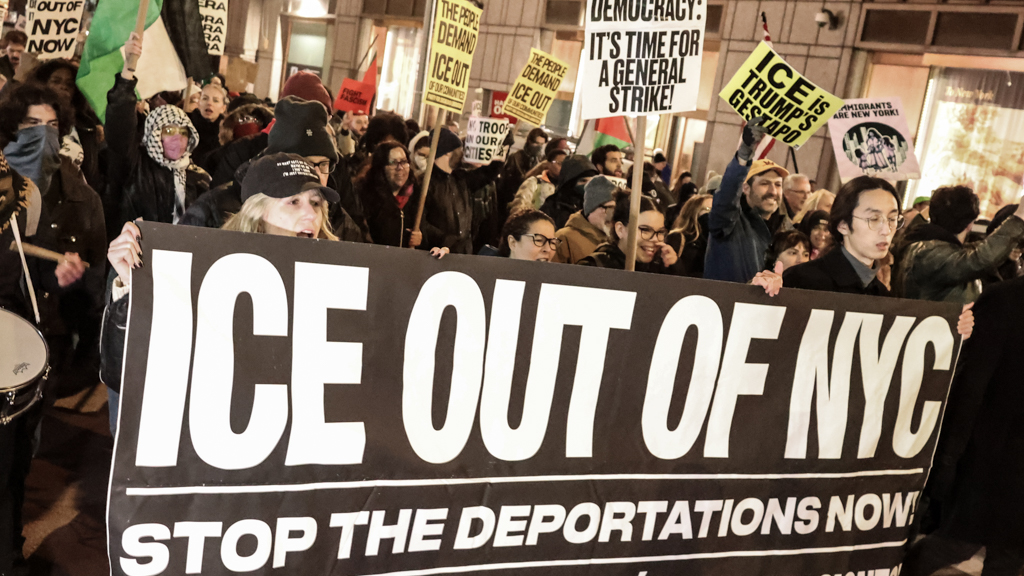
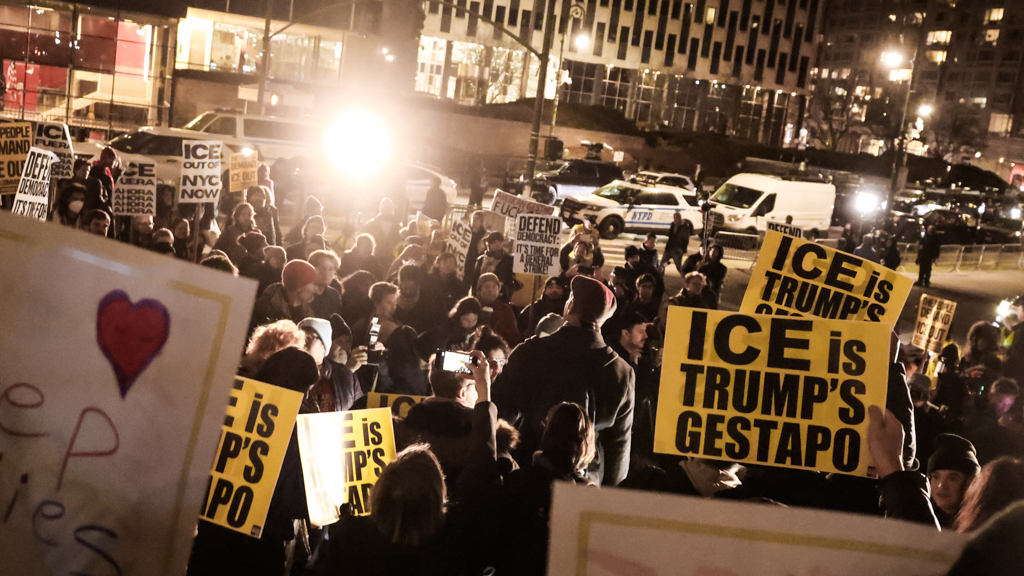
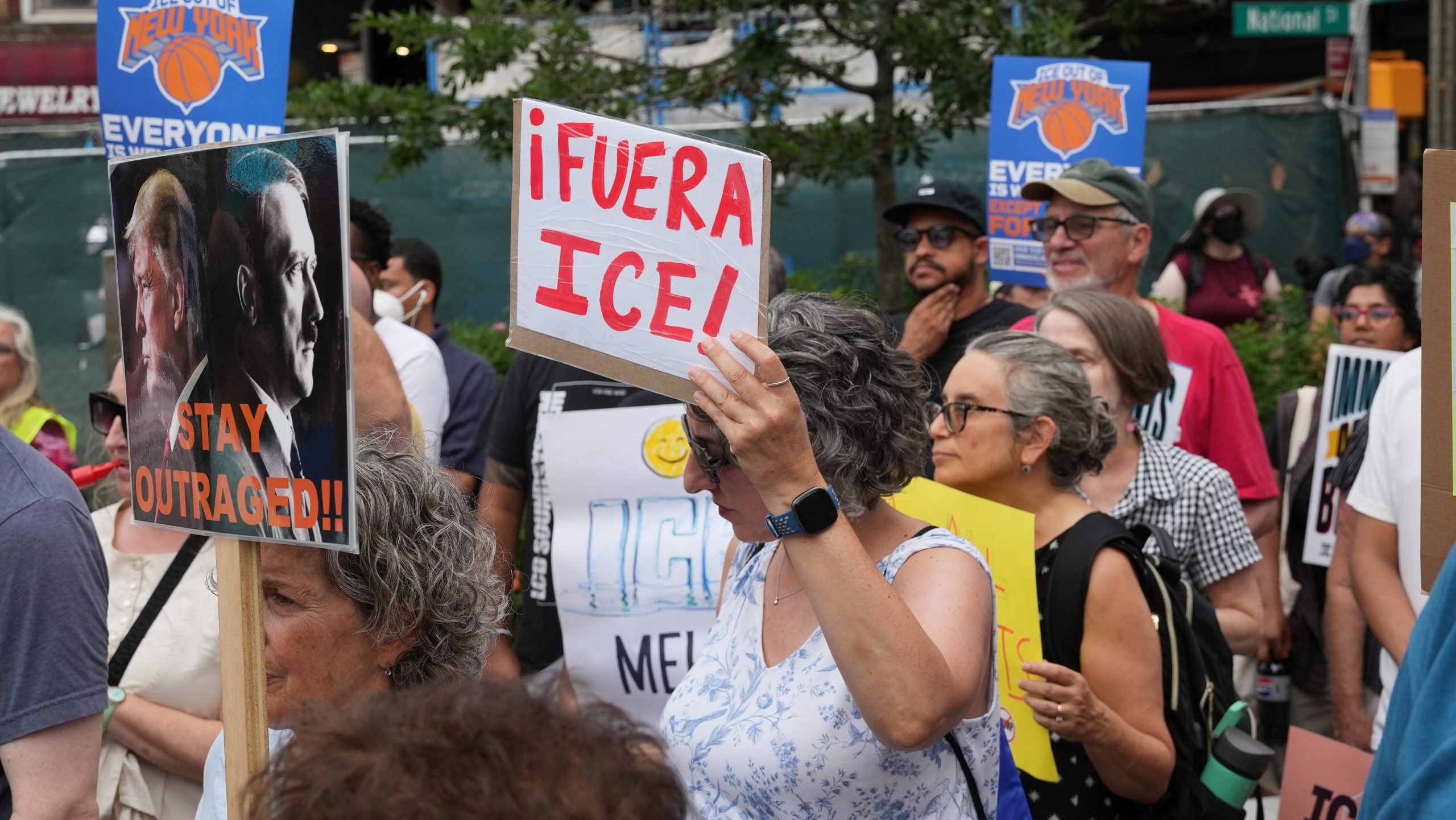
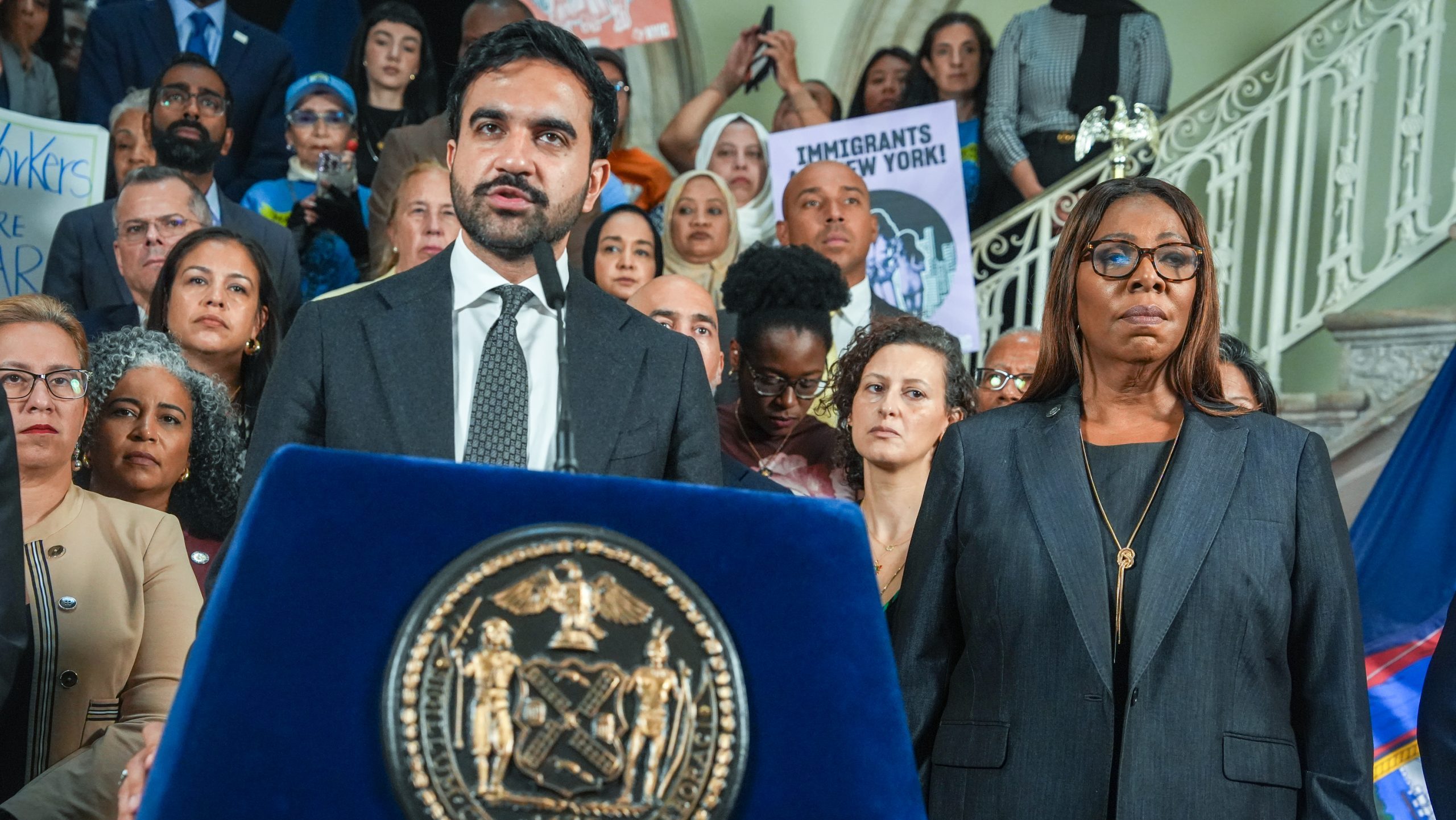
In the first year of President Trump’s second term, the number of arrests by Immigration and Customs Enforcement (ICE) has more than quadrupled, according to a report by the Deportation Data Project. Across the country, ICE street arrests have skyrocketed, and in New York City, they increased by roughly 212% over the previous year, according to data analysis by Documented. The crackdown has created a looming fear among many of New York City’s immigrant communities — and created even more concern for the city’s pregnant immigrant population.
As mothers and immigrants, scores of women are bringing children into a country that, in the last year, has placed a record number of people — including 500 babies and toddlers — in ICE detention. On top of that instability, immigrant mothers and families now face the potential dismantling of birthright citizenship — a constitutional protection that, for 158 years, has granted anyone born in the U.S. full citizenship.
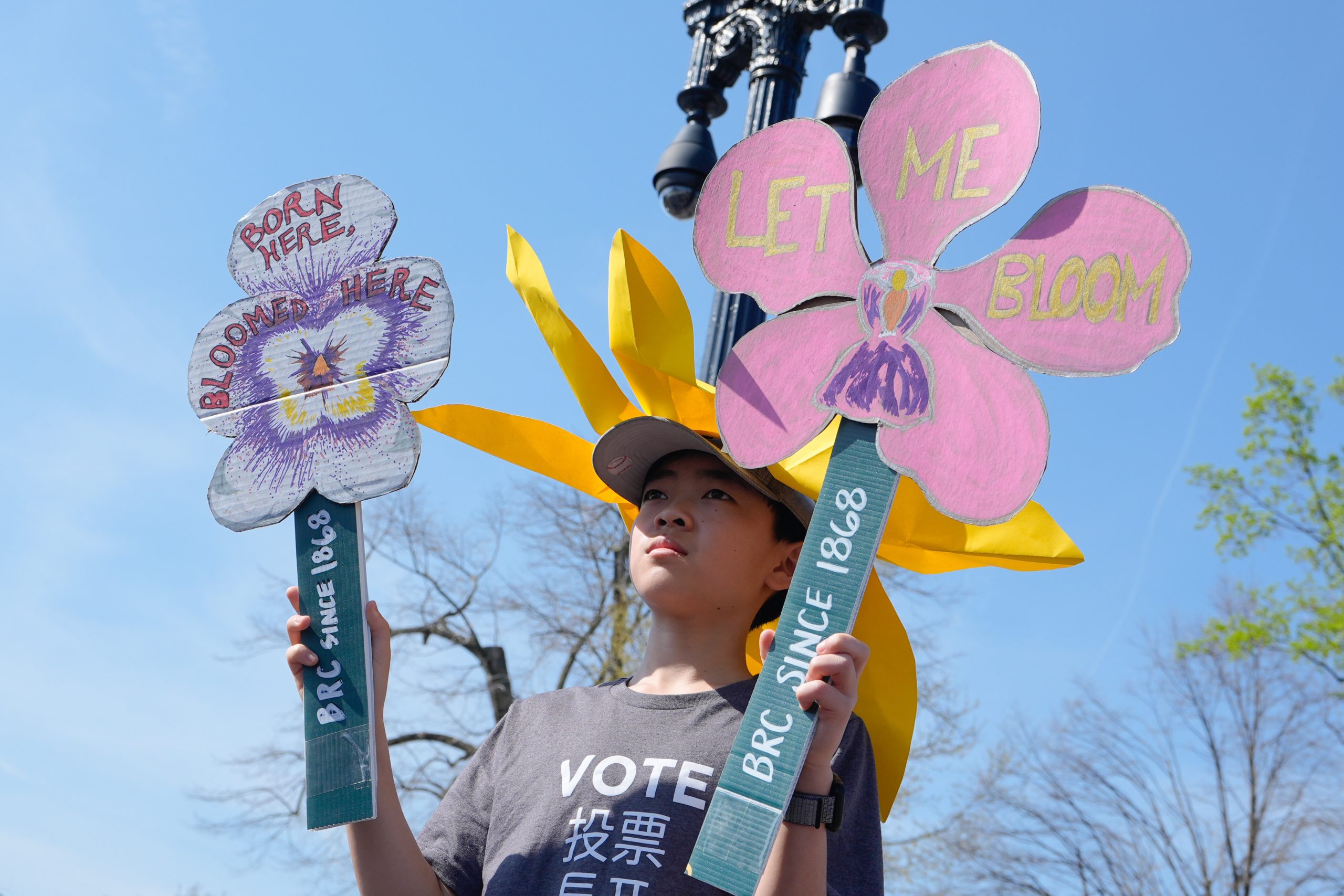
In April, the Supreme Court heard oral arguments in Barbara v. Donald J. Trump, a lawsuit filed by the American Civil Liberties Union arguing that Trump’s executive order to withhold birthright citizenship from children of non-citizens is unconstitutional. Nearly 10% of all births in the U.S. were to non-citizens in 2023, according to a March analysis by the Pew Research Center.
The Supreme Court is expected to announce its decision in the coming weeks, exacerbating fears of some immigrant mothers already experiencing the intense emotions and anxieties that often come with pregnancy and giving birth.
Historically, immigration crackdowns have had significant adverse health impacts on pregnant women. Specifically, a 2021 study in North Carolina found that the uptick in ICE arrests and deportations during the first Trump administration led to worse health outcomes, including decreased birth weight, for children born to immigrant women.
These impacts go beyond the individual — and can actually impact entire communities, according to Teresa Janevic, an associate professor of epidemiology at Columbia University Mailman School of Public Health.
“Even if you yourself are not, say, an undocumented immigrant, it still affects you because it could affect your community,” says Janevic, who studies the social determinants of maternal and child health. “That would impact your life and, in general, the social fabric of your community could be harmed, and certainly, a strong community is healthy for mothers and families.”
M.C., 31 years old
In early April, as the Supreme Court was hearing the first arguments in its birthright citizenship case, M.C. — a Venezuelan asylum seeker who asked that Documented withhold her full name — was already eight months pregnant with her second child.
“Whether [my son] does have nationality or whether he doesn’t have nationality, it’s going to be a problem,” M.C. said in Spanish.
M.C. has lived and worked in the U.S. since November 2023. She came in through the Texas border with her then-2-year-old son. While she began the journey with her child’s father, he abandoned them mid-way through the Darién Gap, taking all of their supplies with him.
“We didn’t have anything,” M.C. said. “We didn’t have the food, we didn’t have the diapers, everything I had bought.”
They made it to New York City, and she has since taken care of her baby on her own, working as a home attendant in Queens. A year and a half ago, M.C. met her now-husband, an immigrant without legal status from Ecuador.
“I don’t know what’s going to happen.”
—M.C.
While she has always wanted more kids, her husband thought he was incapable of having children. When the couple found out she was pregnant, they were both surprised. But her joy and shock quickly turned into confusion and fear.
“I don’t know what’s going to happen,” M.C. said. “If the parents are undocumented and are deported, the baby would end up with them in a country where they were not born and without any document proving where the baby was born.”
M.C. has not retained a lawyer but worries about who would care for her baby in the U.S. if she, her husband and her older son are all deported.
On May 13, M.C. underwent a C-section and delivered a healthy baby boy. She named him Kaleb Asher after the biblical character Caleb, known for his loyalty and capability.
Despite her long-term concerns about her child’s citizenship, for now M.C. says she is relieved to have Kaleb’s social security information and birth certificate in hand. While her concerns remain, Kaleb’s birth has also reminded her of the beauty of motherhood.
“Kids always bring joy to your life,” M.C. said smiling. “They won’t let you get depressed.”
Luz Nuñez, 34 years old
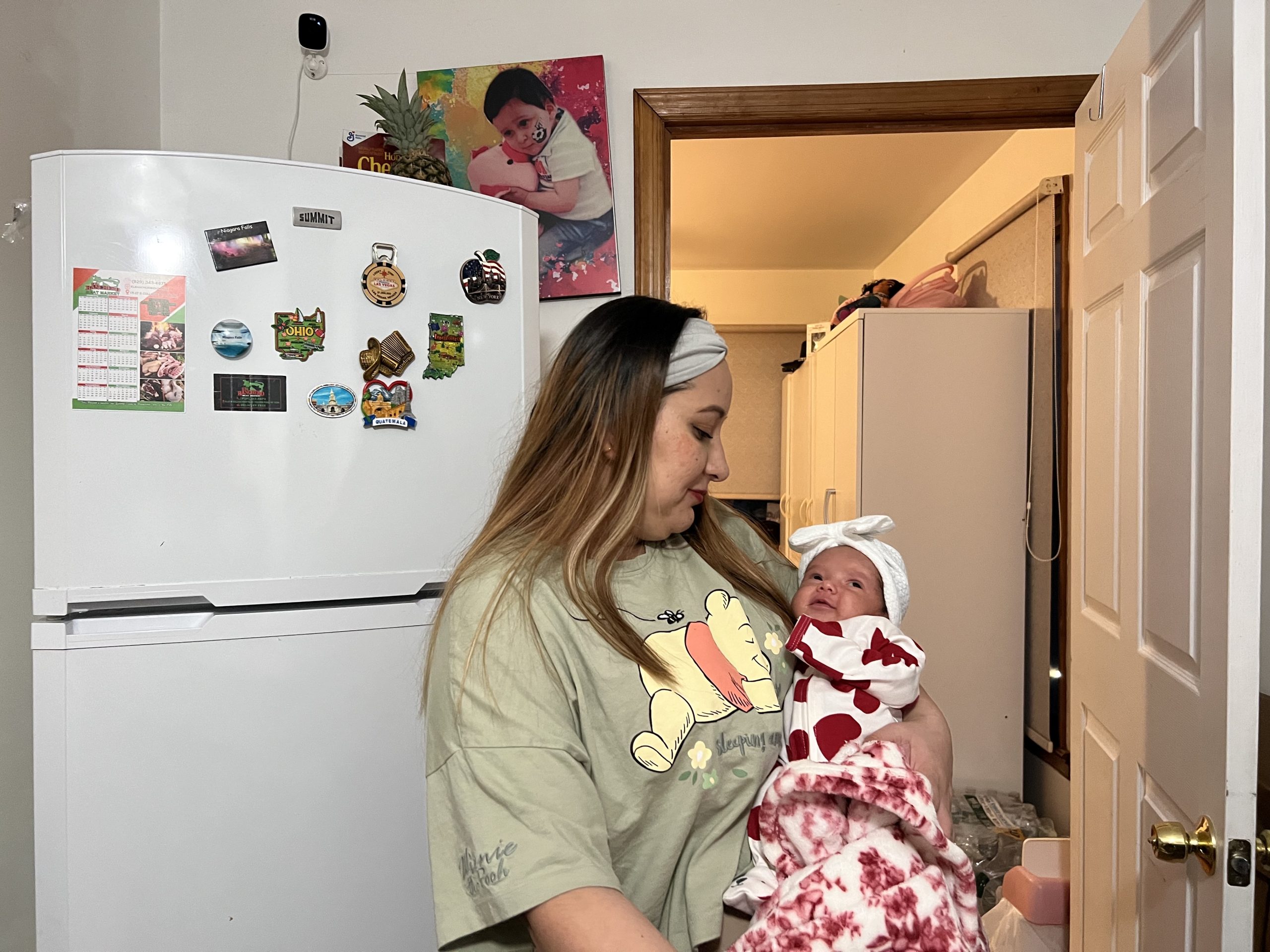
Two weeks before she was due to give birth this winter, Luz Nuñez’s baby bump was rapidly growing in size — and so were her feet. When she arrived to work as a home health aide one Saturday in January, her elderly patient took one look at her ankles and became concerned. The patient promptly sent Nuñez home, suggesting she not work until the baby arrives.
“I feel like I could do it,” Nuñez said a week later. “I feel that I am capable of working to the end.”
The truth was, she needed the money. In 2022, Nuñez said she left Colombia and crossed the U.S.-Mexico border, fleeing an abusive partner with her now-12-year-old son Johan Borja Nuñez. In 2024, Nuñez married a U.S. citizen, Allahrakha Quershi, and is now on a waitlist to attain green cards for her and her son using the I-130 visa, which allows relatives, including those through marriage, to obtain permanent residence. But even that process is under higher scrutiny — in May, the U.S. Citizenship and Immigration Services published a memo reminding officers that adjustment of status be for “extraordinary” cases only.
Still, their current legal fees, she said, are in the thousands.
Despite the love she has for her husband and son in the U.S., Nuñez says she deeply misses her family in Colombia. But until her visa paperwork gets approved, she cannot leave the country. In February, Trump banned Colombians from entering the country, which also means none of her family has been able to visit her. She has not seen her family since she departed, four years ago.
That includes her grandmother, who Nuñez said was like a mother to her. When her grandmother died last year, Nuñez couldn’t return for the funeral — and instead was only able to see her grandmother’s coffin through a phone screen.
“You miss your family, you go through your physical pain alone. There’s no one else supporting you. No one knows how you feel,” Nuñez said. “Sometimes I feel like I’m in a prison.”
“Sometimes I feel like I’m in a prison.”
—Luz Nuñez
Nuñez’s immigration status, along with her homesickness, lack of a job due to her pregnancy and dwindling funds, weighed heavily on her mind when she left for Flushing Hospital Medical Center Feb. 7. She was eight months pregnant and her feet had swelled to a concerning degree. Doctors promptly diagnosed her with preeclampsia, a life-threatening condition marked by persistent high blood pressure during pregnancy or soon thereafter. Stress and anxiety can put pregnant women at higher risk, according to Janevic.
“Mothers who deliver an infant too early, or too small, are also at an increased risk of cardiovascular disease and other kinds of chronic diseases throughout their life, so it’s a critical time that can program health for both the infant and the mother,” Janevic said.
Nuñez’s doctors induced her labor, which lasted through the night. The next day, on Feb. 8, Nuñez gave birth to a baby girl, three weeks before her estimated due date.
Shortly after the birth, Nuñez’s blood pressure dramatically dropped, and she suffered from a postpartum complication called retained placenta that can lead to life-threatening blood loss. She underwent a blood transfusion. Quershi was by her side. Her mother was on FaceTime.
She says she doesn’t remember much, but she and her baby spent five days in the hospital with round-the-clock care.
Nuñez named her newborn Aisha, an Arabic name, a moniker that her husband would call Nuñez’s grandmother through video calls. It means “life.”
“I look at my son and think about my daughter and it makes me think that I should continue, I will continue.”
—Luz Nuñez
One month later, on the second floor of her cozy home in College Point, Nuñez continues to adjust to her new life as a mother of two. While she talks lovingly of her husband and smiles graciously at her children, Nuñez’s mind is split between longing for her family in Colombia and the long process of becoming American.
“There are a lot of things that sometimes you feel that you cannot do it anymore,” Nuñez said. “But then I look at my son and think about my daughter and it makes me think that I should continue, I will continue.”
Kimberly Alvarez, 25 years old
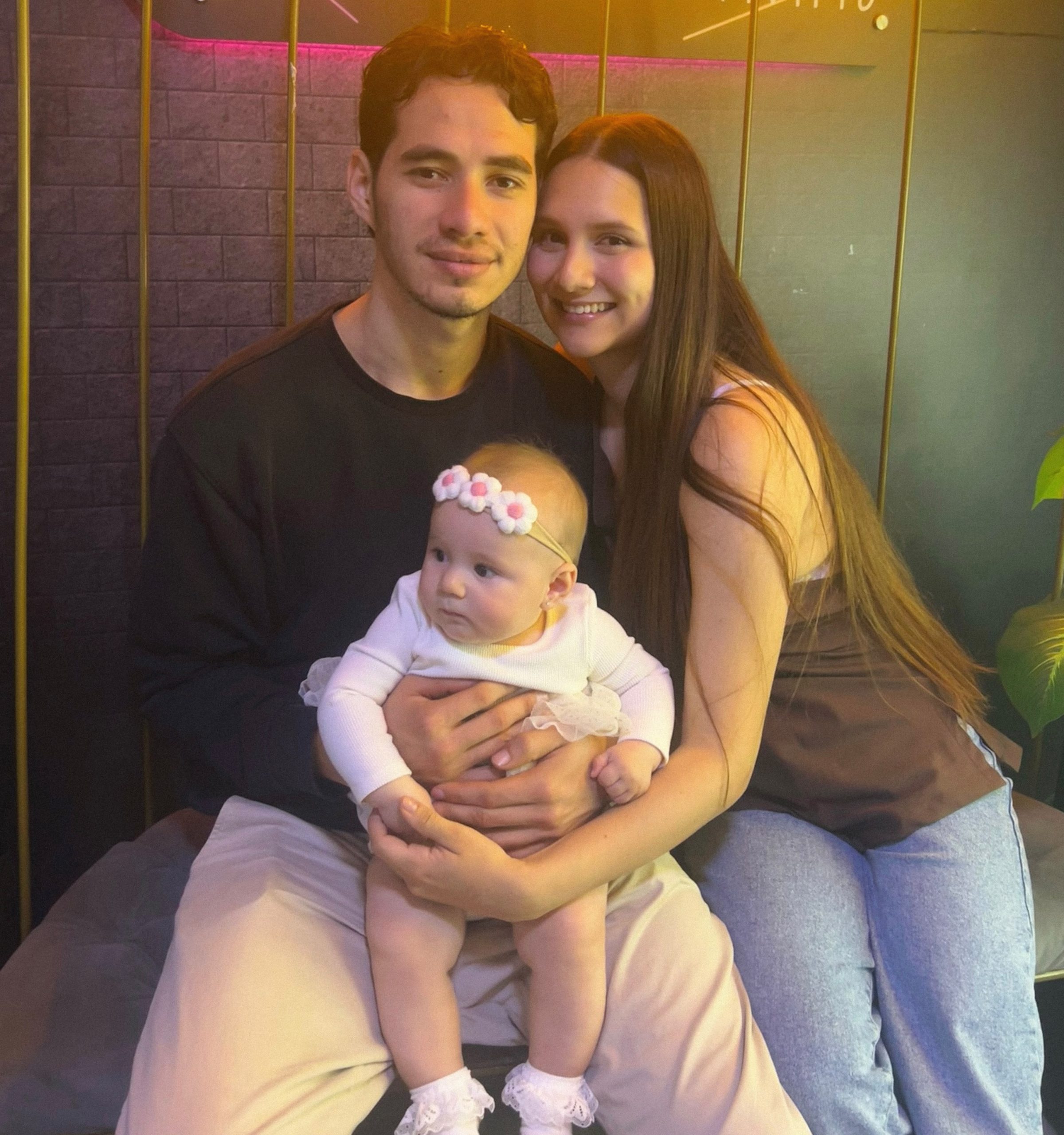
Alvarez arrived in New York City in February 2024 with her husband John Alvarez as asylum seekers from Venezuela. In April 2025, Alvarez found out she was pregnant with her first child, a baby girl. Her first reaction, she said, was fear.
“How am I going to keep her alive?” she said. “That’s what I was thinking. ‘How am I going to be able to take care of her?’”
At the beginning of Alvarez’s pregnancy, she said she was aware of the immigration enforcement occurring around the country, but vowed not to let it deter her from showing up to her doctor’s appointments.
“When you went out, you were always on alert because you didn’t know if [ICE] might be around. I never saw anything suspicious,” Alvarez said. “But of course, you feel scared.”
In October, when Alvarez was six months pregnant, her husband was detained by ICE agents at 26 Federal Plaza. When the immediate shock wore off, she obsessively checked the Online Detainee Locator System to find out where her husband went. A day later, she discovered that he was being kept at Delaney Hall detention center in New Jersey. Alvarez quickly set up an account to pay for phone calls, and every two days, she would pay about $10 for a one-hour call, updating her husband about the baby, her appointments and how she was doing.
“Crying was the only way for me to release the tension,” said Alvarez, who worried that her lack of sleep and bad diet were impacting her baby.
“Crying was the only way for me to release the tension.”
—Kimberly Alvarez
That tension built up day by day, week by week following her husband’s arrest. Alvarez had stopped her work as a cleaner in the neighborhood’s synagogues two weeks before her husband’s detention because of her pregnancy. The plan, she said, was to rely solely on his income as a maintenance worker for “the food, the rent, everything.”
Left with few choices, Kimberley had to rely on her mother’s income as a cleaner. The older woman had moved to New York from North Carolina to assist with Alvarez’s pregnancy.
“I feel like I’m supposed to help my mom, not the other way around,” Alvarez said. “I felt powerless because I couldn’t do anything.”
On Dec. 9, Alvarez gave birth to a daughter, Evangeline. While her baby was healthy, Alvarez’s anxieties did not go away. While she returned to cleaning synagogues a few months after Evangeline’s birth to help make ends meet, Alvarez and her daughter rarely left home. Alvarez said she felt paralyzed, getting frequent alerts from a neighborhood WhatsApp group when ICE was spotted nearby. One day, she said, ICE arrested her friend’s husband in Sunset Park, in an area where she would sometimes take Evangeline for walks.
“I’m so afraid that I’ll go out and run into one of them and that they’ll take her away from me,” Alvarez said. “That’s my biggest fear, that someone will take her away from me and I won’t know where my daughter is.”
In March, her husband decided to voluntarily remove himself from the United States and move back to Colombia, where he is originally from. It was a family decision, but it was not a happy one — hiring immigration lawyers was too expensive, Alvarez said, adding that staying in the U.S. felt too uncertain.
“I’m so afraid that I’ll go out and run into one of them [ICE agents] and that they’ll take her away from me.”
—Kimberly Alvarez
The stress and the loneliness of life without her husband pushed Alvarez and the then-three-month-old Evangeline to leave the country and join him in Colombia. The family has since reunited — but Alvarez misses New York City and the life that could have been.
“I have dreamed many times that I will return,” she said. “At the same time, I am calm because I am with my family.”