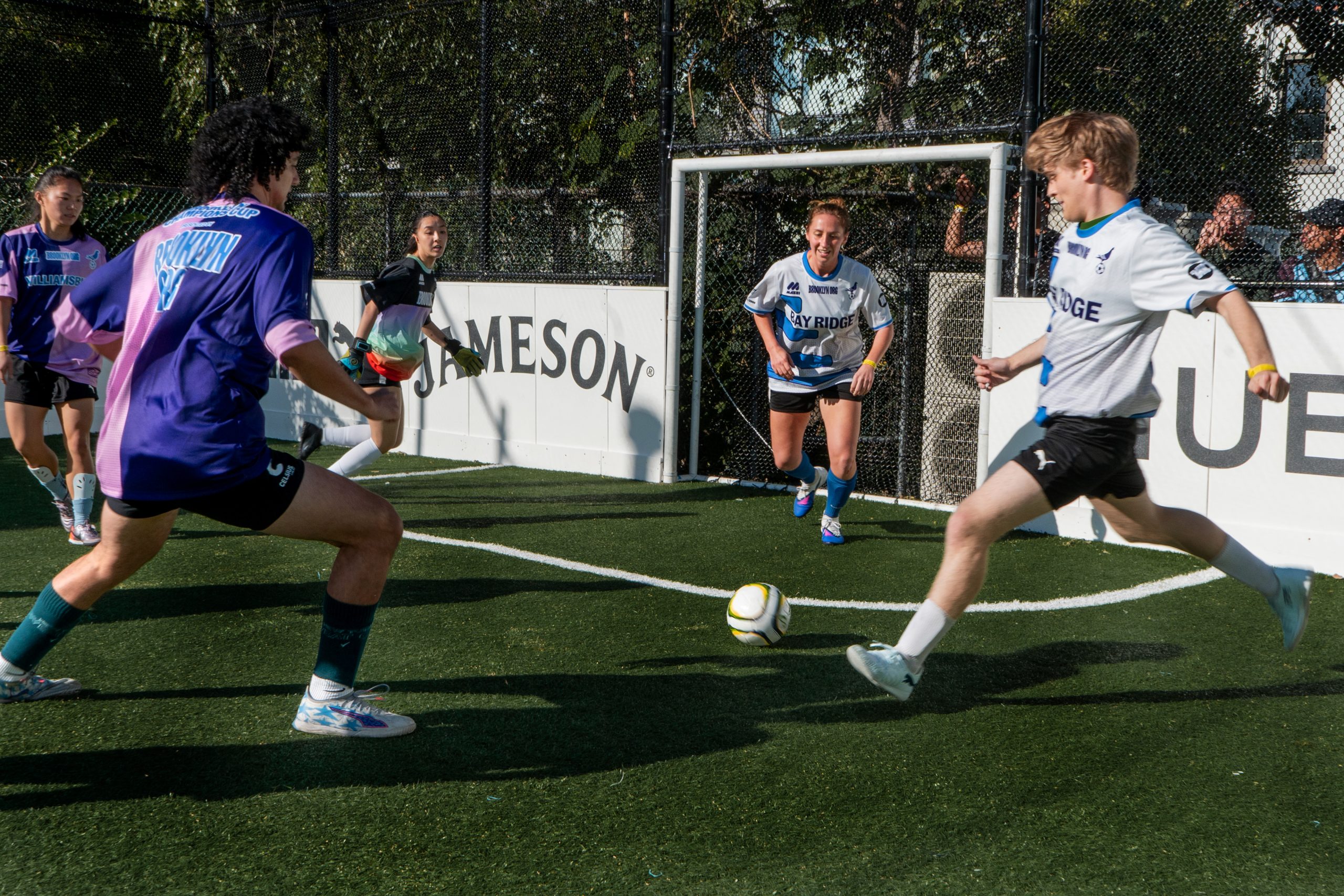


As the last gasps of the late-summer sun shone over Brooklyn, one Williamsburg rooftop was abuzz. Wall-mounted flat screens telecast the England vs. Spain game, throngs of people clad in bright colored jerseys greeted each other, and the speakers blared “Can I Kick It?” by A Tribe Called Quest. The crowd was gathered for the Brooklyn Champions Cup, where players representing 10 neighborhoods across Brooklyn faced off in a tournament to determine one local champion, complete with bragging rights.
And yes, they could all, in fact, kick it.
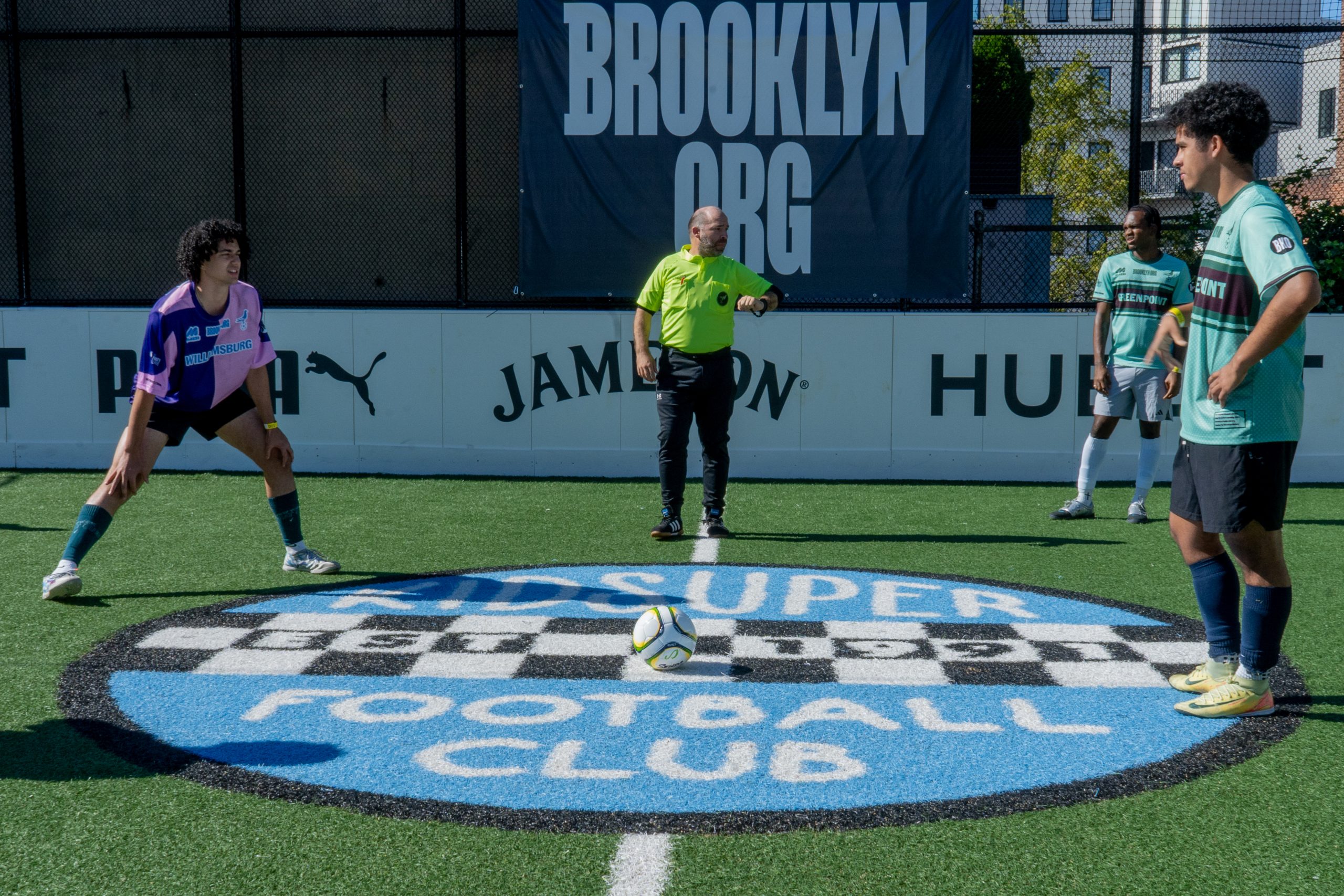
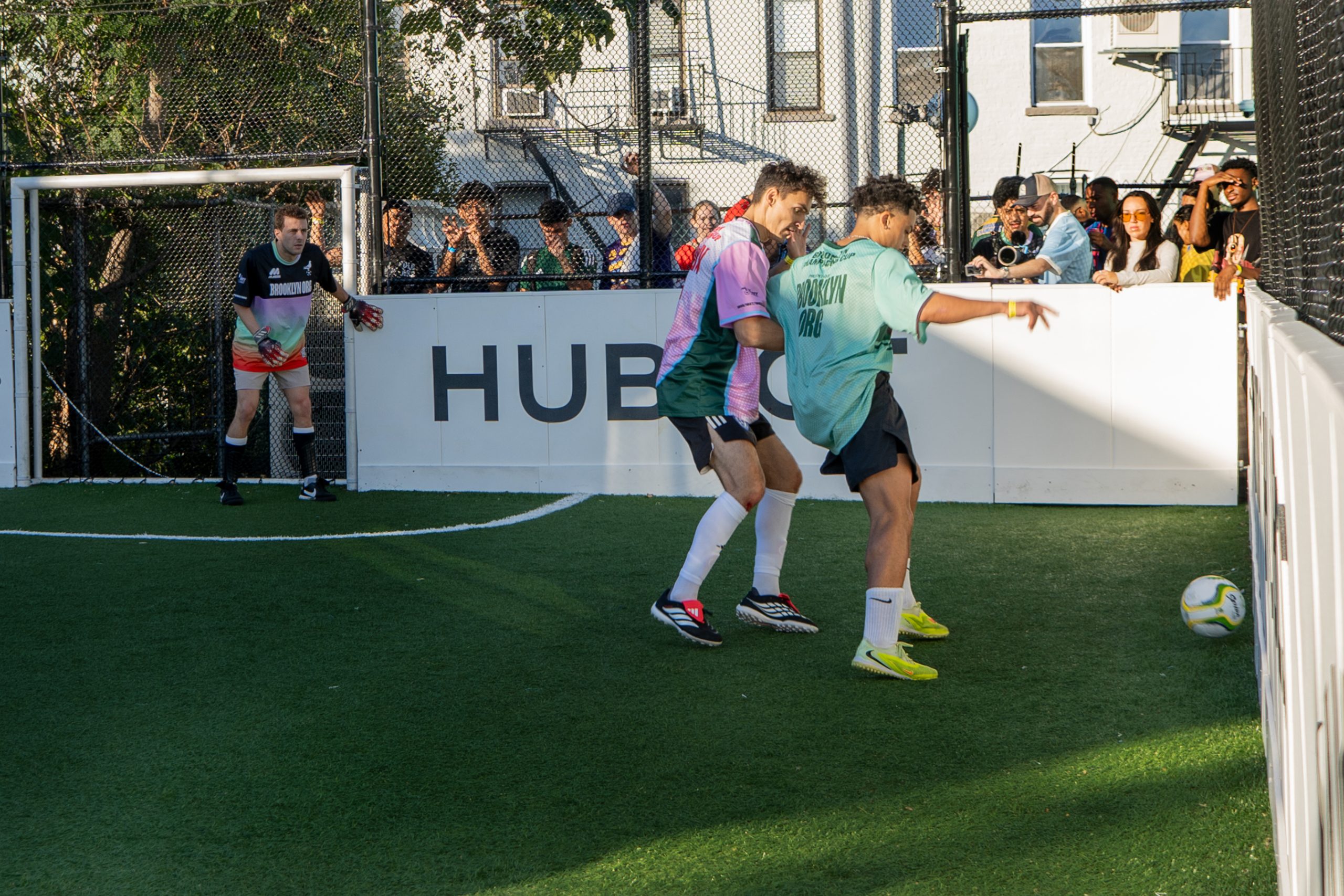
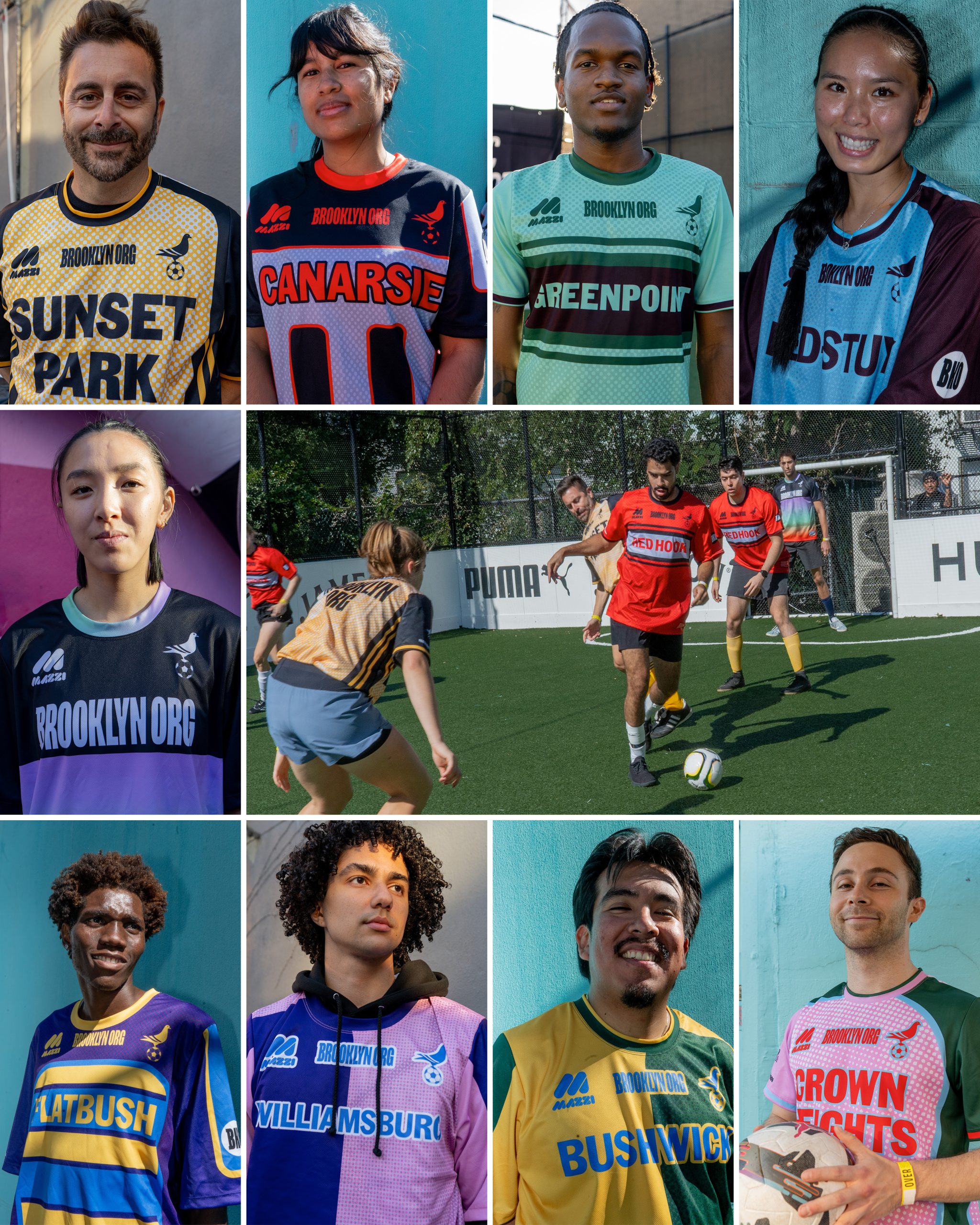
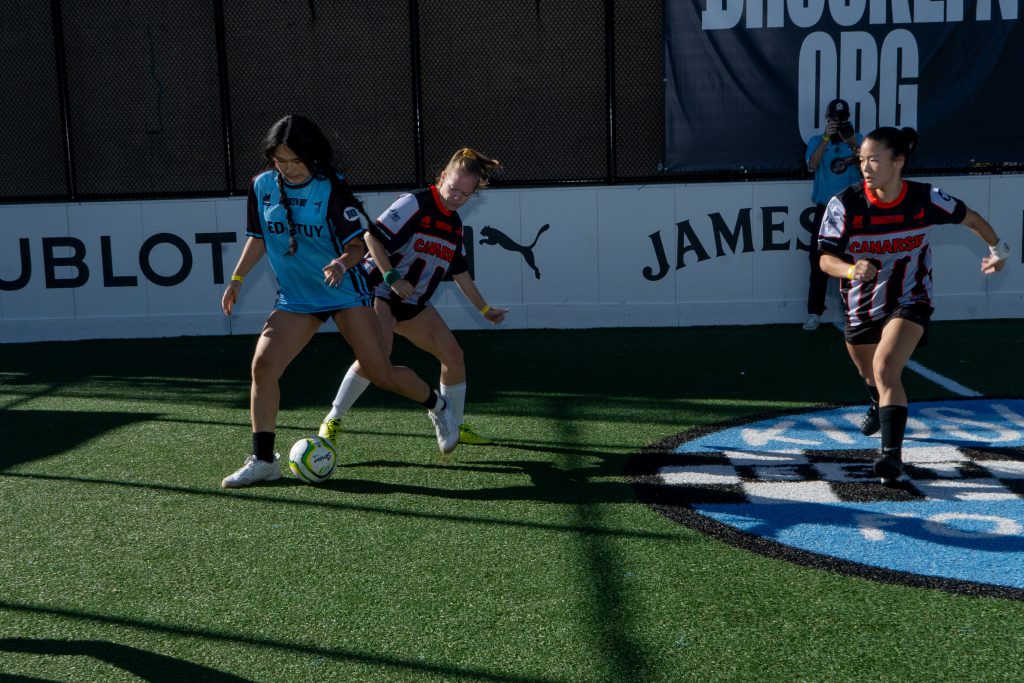
Hosted by Brooklyn Org, the tournament was held on the rooftop pitch at the home of Colm Dillane’s fashion brand, KidSuper and featured players from NYC Footy, the largest co-ed adult soccer league in the country. The ten teams contending for the cup represented Bay Ridge, Bed Stuy, Bushwick, Canarsie, Crown Heights, Flatbush, Greenpoint, Red Hook, Sunset Park, and Williamsburg. Four players from each team faced off in five minute rapidfire games, followed by a set of playoffs. Crown Heights and Greenpoint went head to head in the finals, and Greenpoint ultimately emerged victorious.

Las Canillas de Maziquey
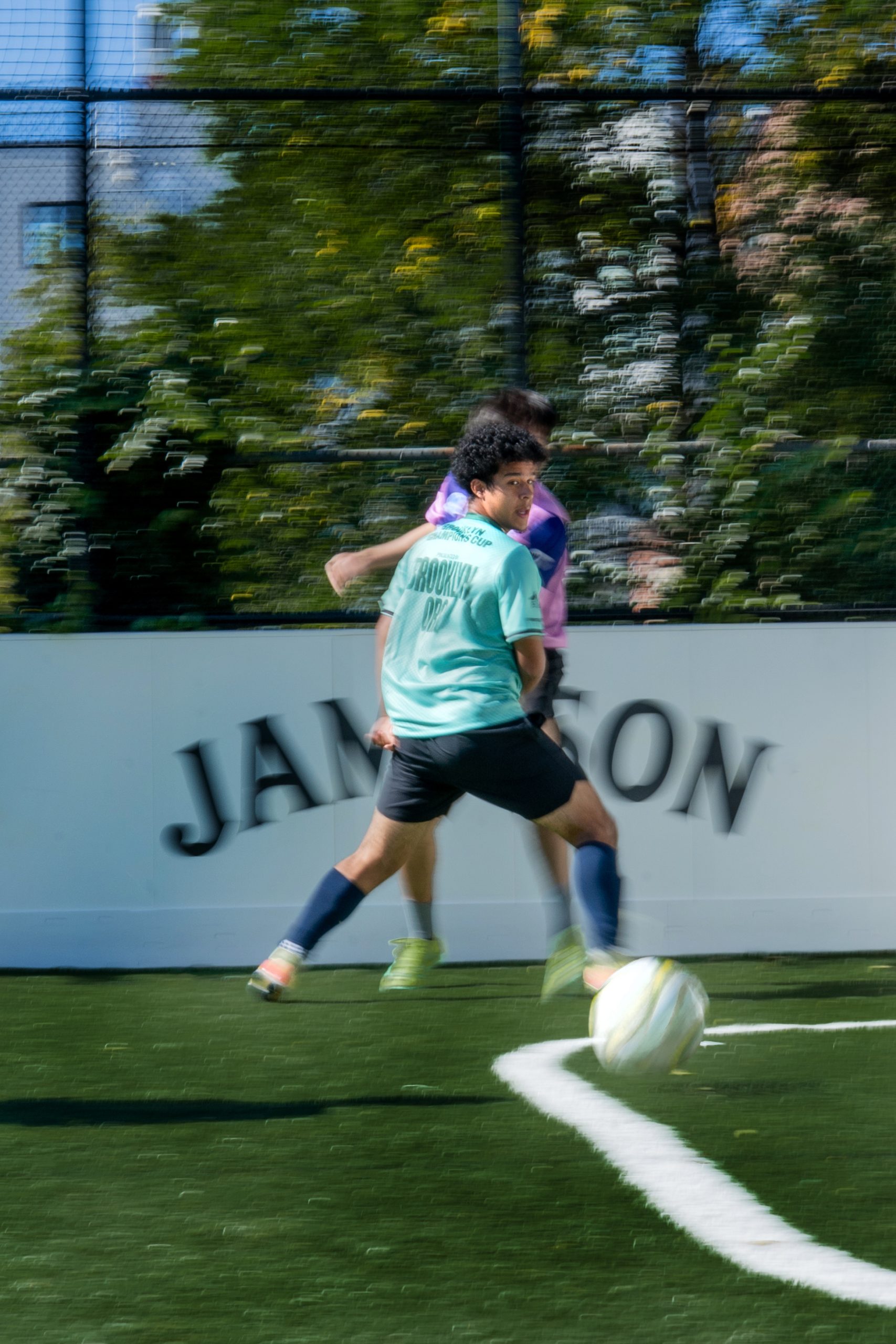
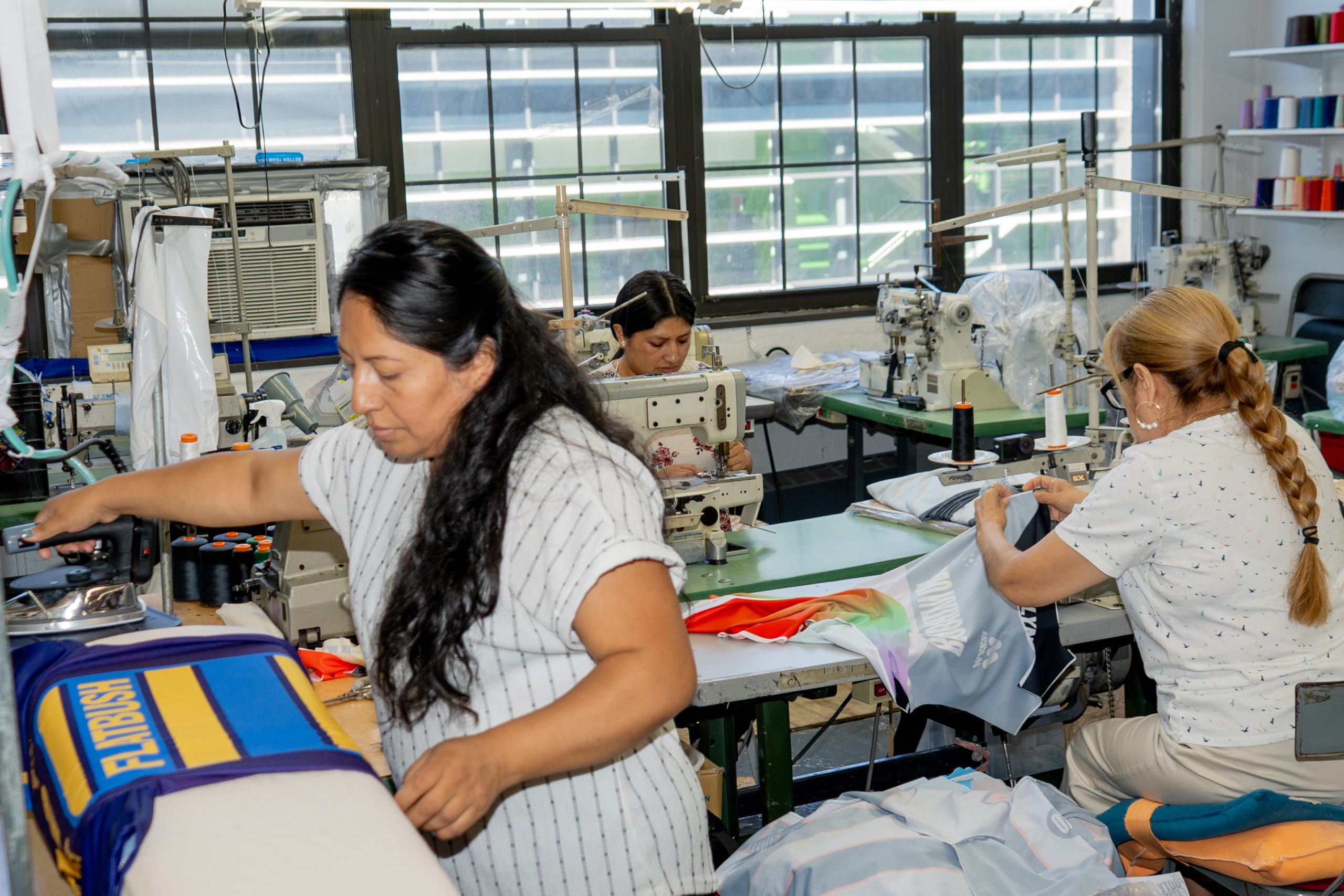
On the pitch, the players each carried a piece of Brooklyn on their backs. Designed and made by the family-owned, Brooklyn-based manufacturer Mazzi Sports — an outfitter, which recently enjoyed a surge in popularity when they were tapped to make New York City’s official World Cup jerseys this past summer — the Brooklyn Champions Cup jerseys featured imagery distinct to each neighborhood.
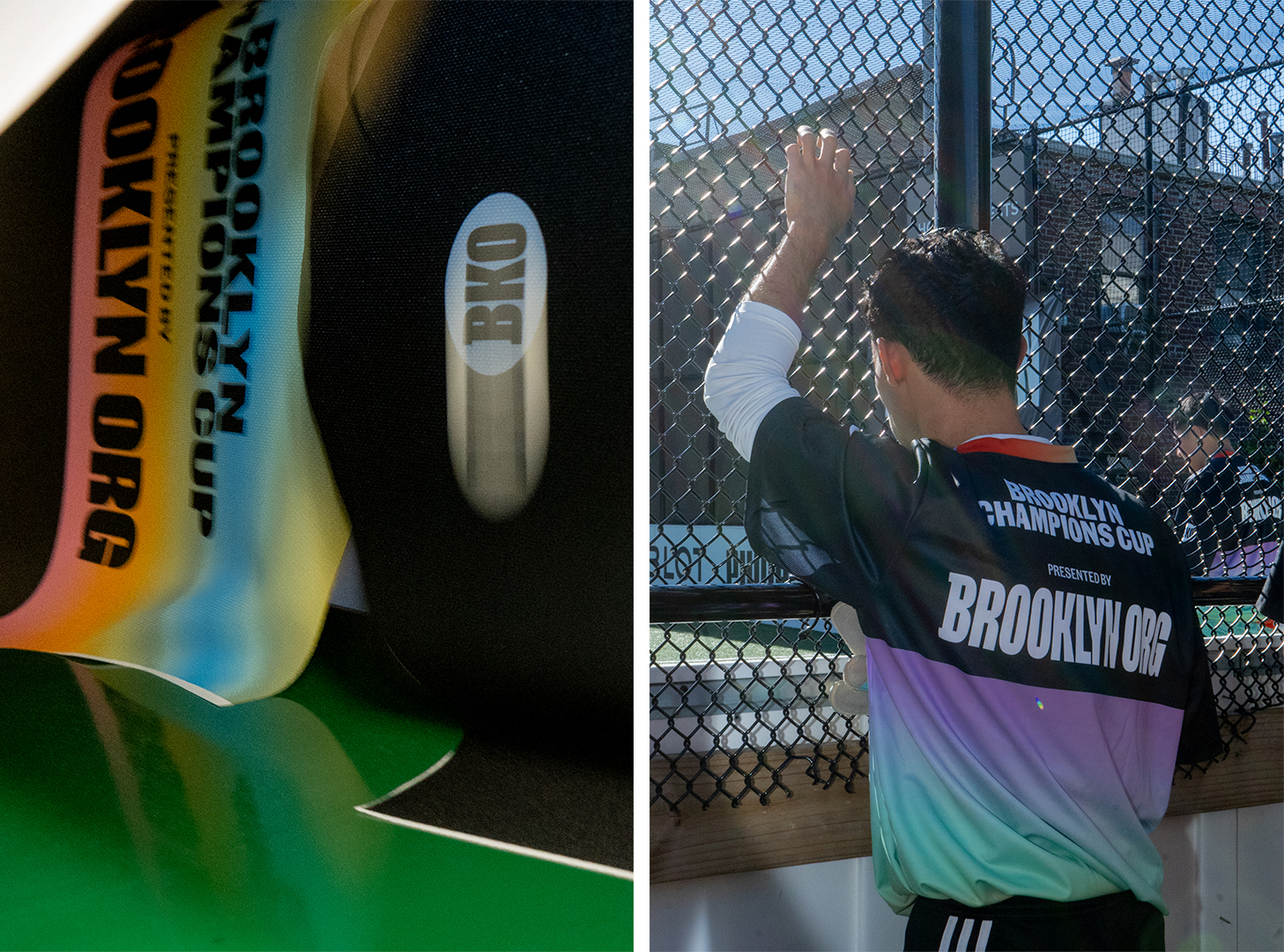
“We wanted to revisit the things we see everyday through the context of history,” said Alex Campaz, founder and owner of Mazzi Sports.
Campaz and his team used archival images of important local structures as the basis for the patterns on each of the neighborhood jerseys. The Crown Heights jersey, for example, featured an enlarged image of the historic Weeksville houses established by James Weeks and other free Black settlers in the mid-19th century, in order to secure land and voting rights, and a safe community for Black people. “Nowadays, people are consuming imagery but not trying to understand them,” Campaz said. “That was a major part of the choice of design for these jerseys.”
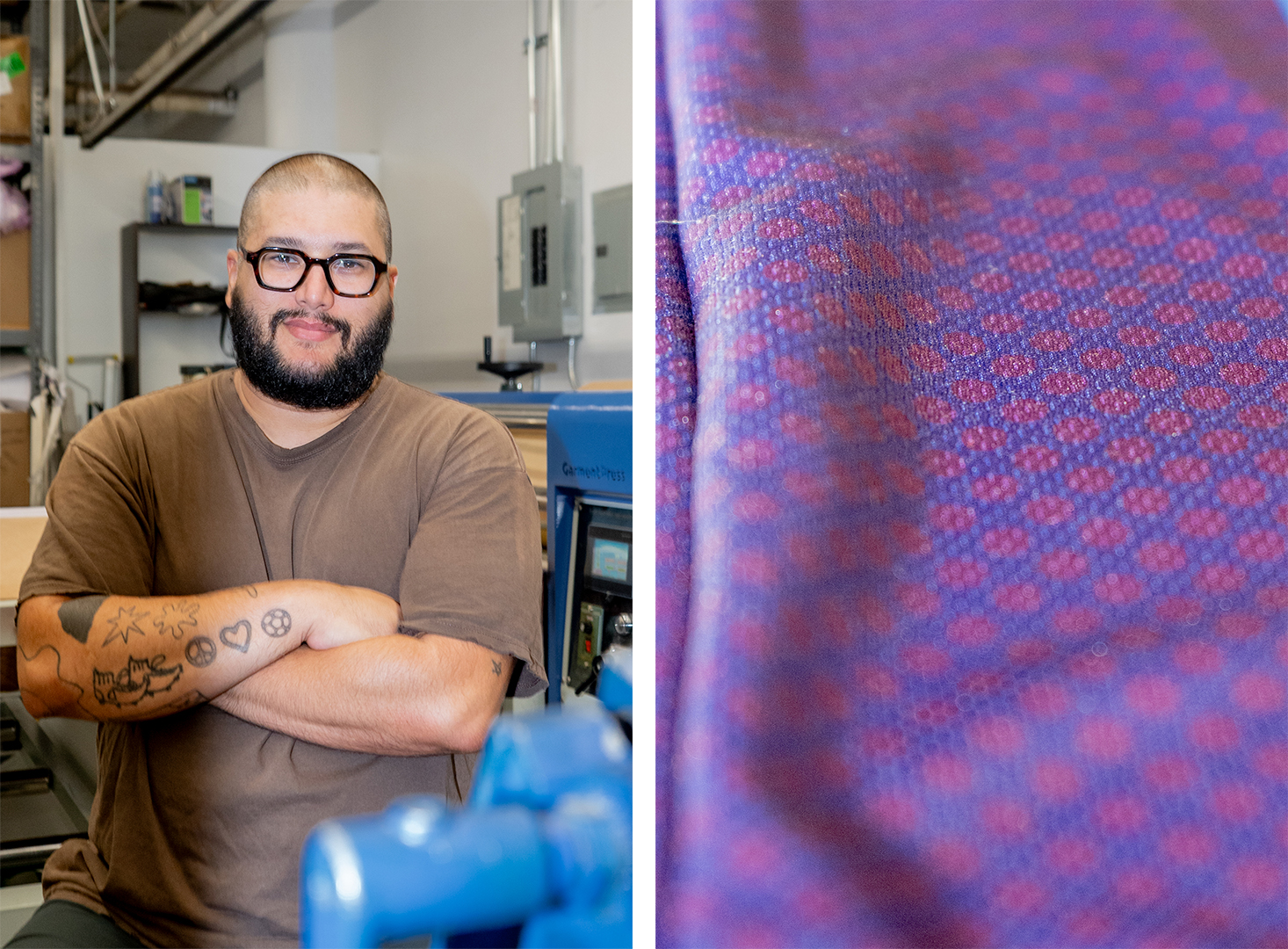
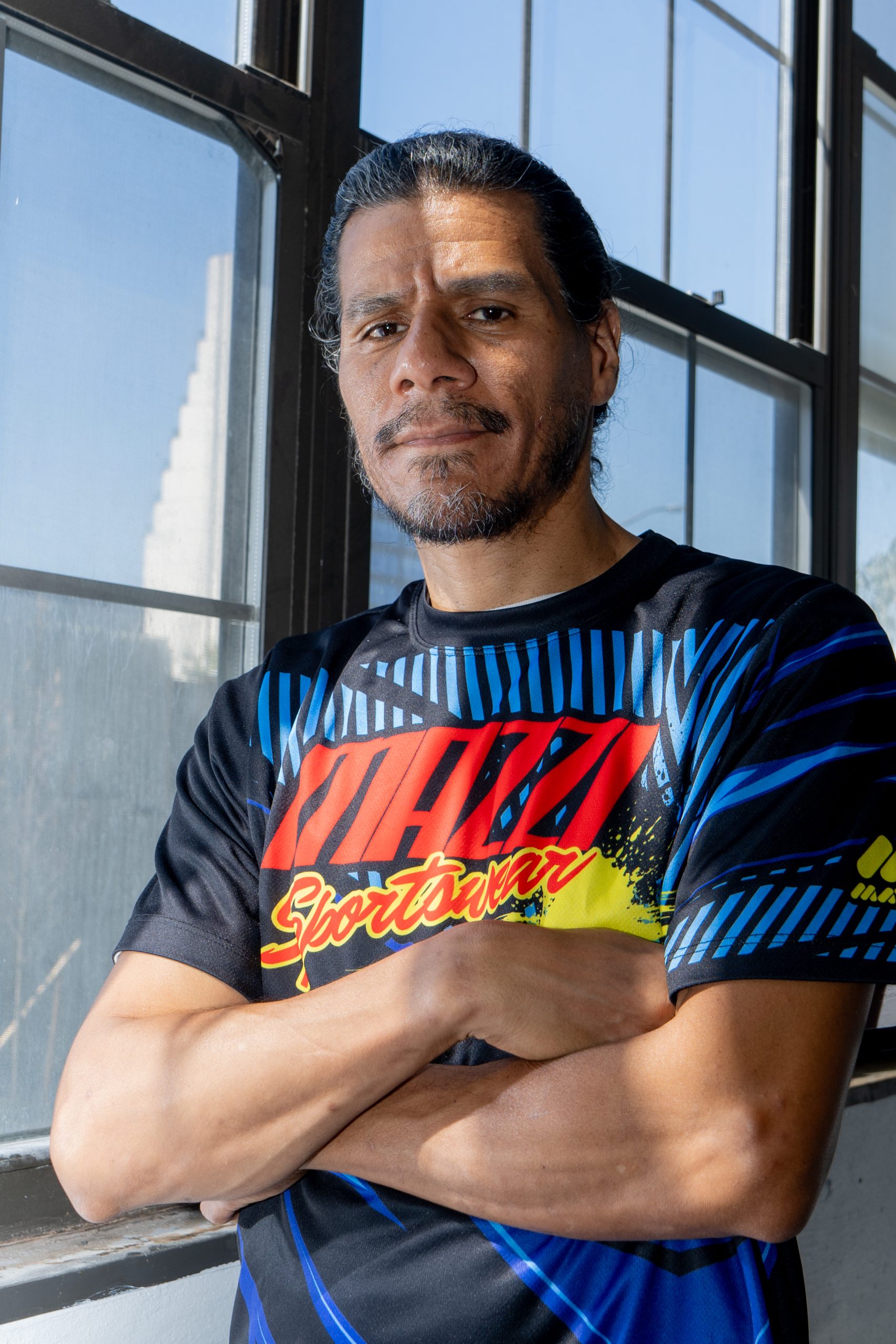
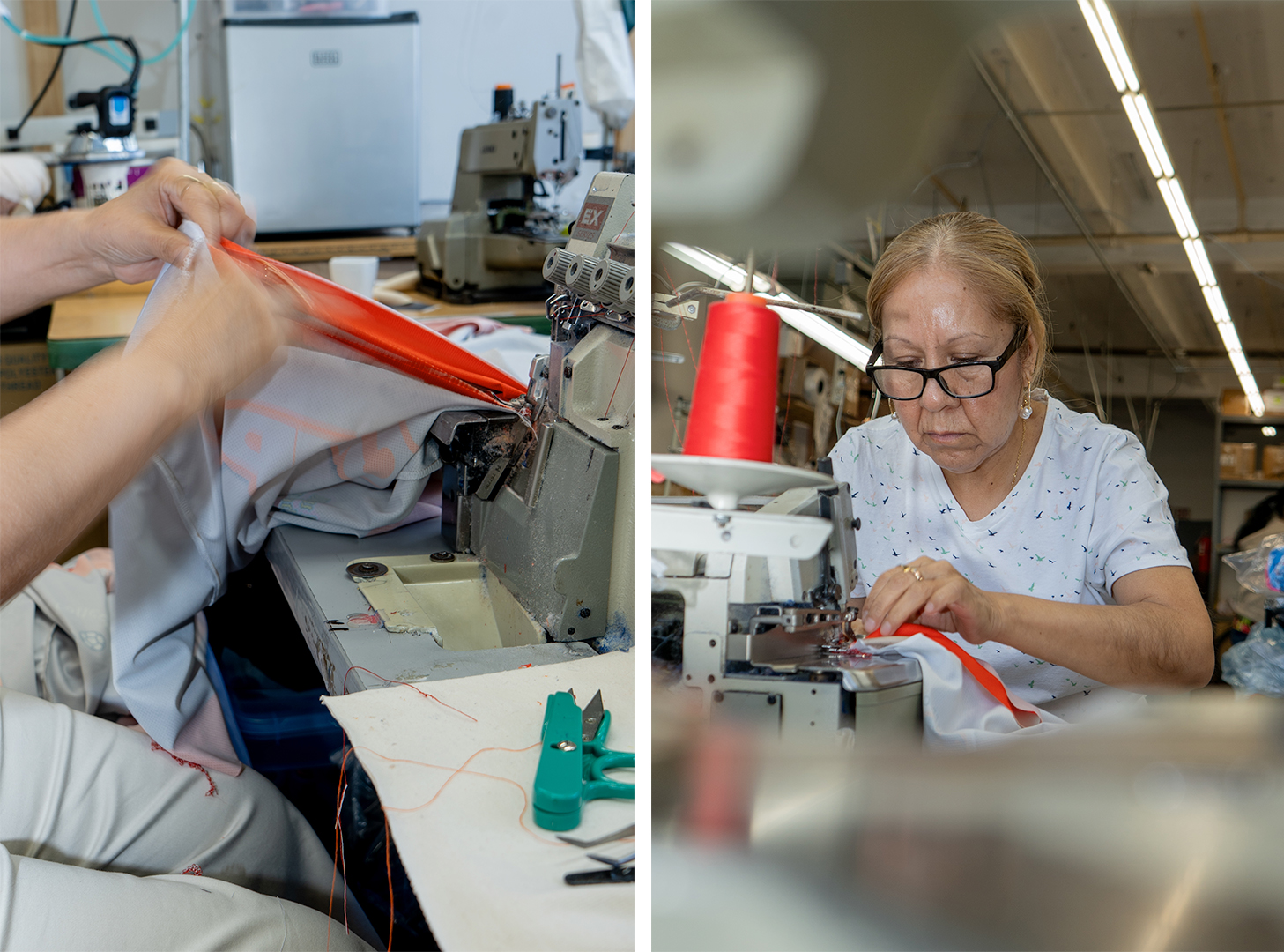
Soccer and garments are sewn into the fabric of Campaz’s DNA. His father, Alexander Campaz, grew up playing soccer in Buenaventura, Colombia. When he was younger, kids teasingly called him “las canillas de maziquey” or Hard Shins. As he got stronger and faster, the nickname changed to Maziquey, and then just Mazi. Campaz’s father originally worked in an import-export business in Cartagena, in Colombia. After retiring in his early forties he combined the things he knew well — soccer and people who played soccer — to begin a garment company that designed soccer shirts and jerseys.
Immersed in the family garment business from a young age, the younger Campaz has been designing uniforms and screen-printing since he was just nine years old. After getting the greenlight from his father to start his own company, Campaz decided to name it “Mazzi”, as an ode to his father. The rest is history.
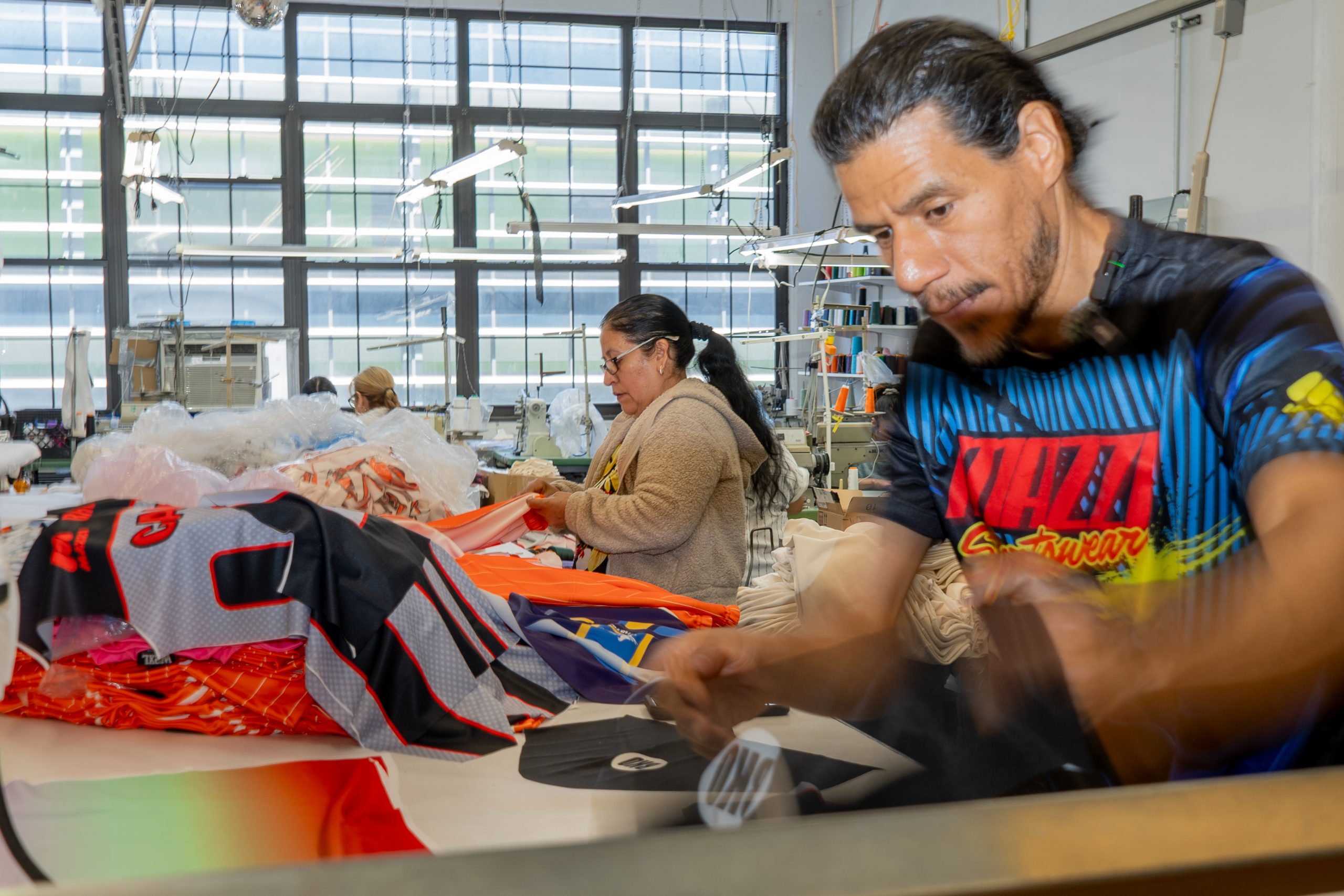
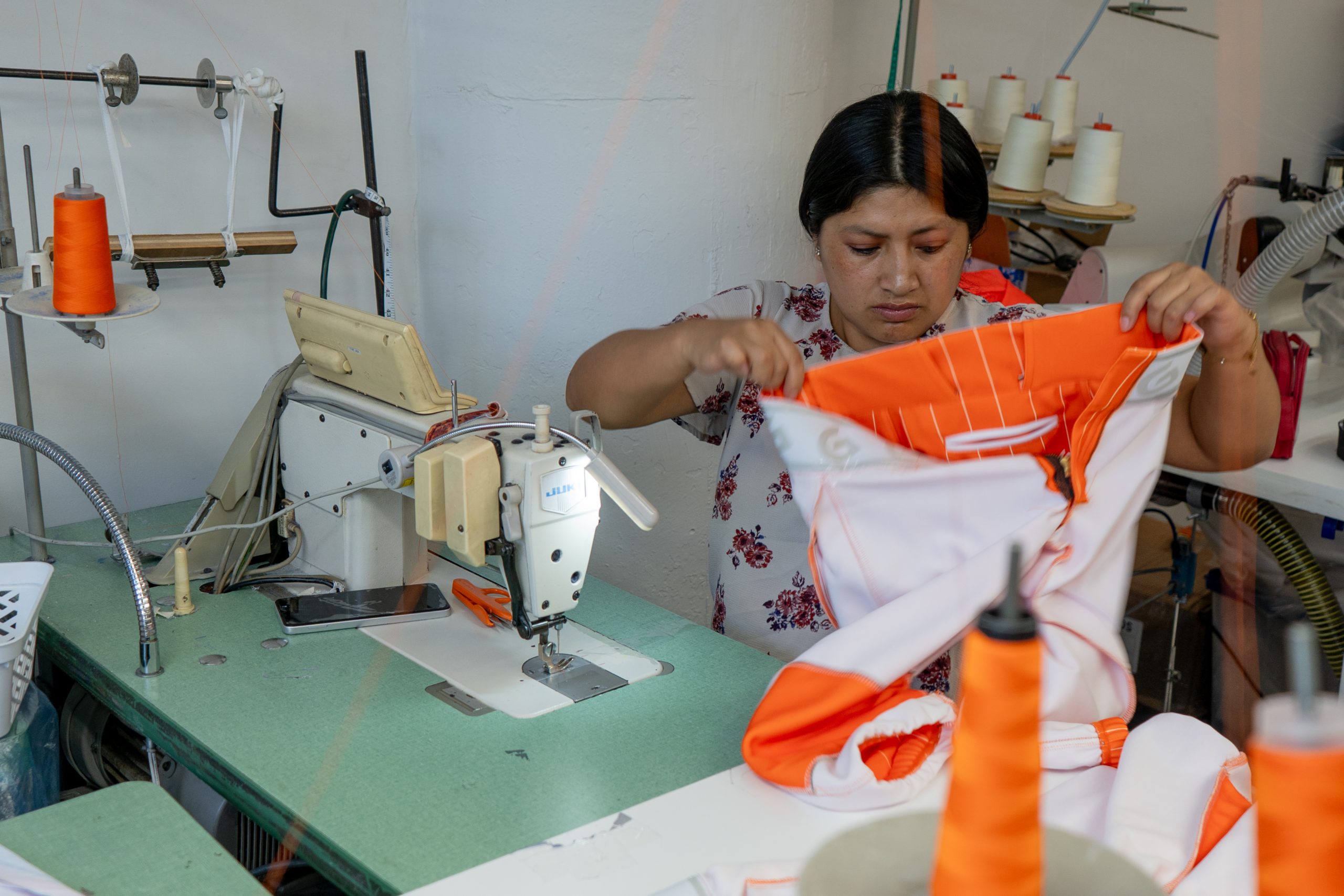
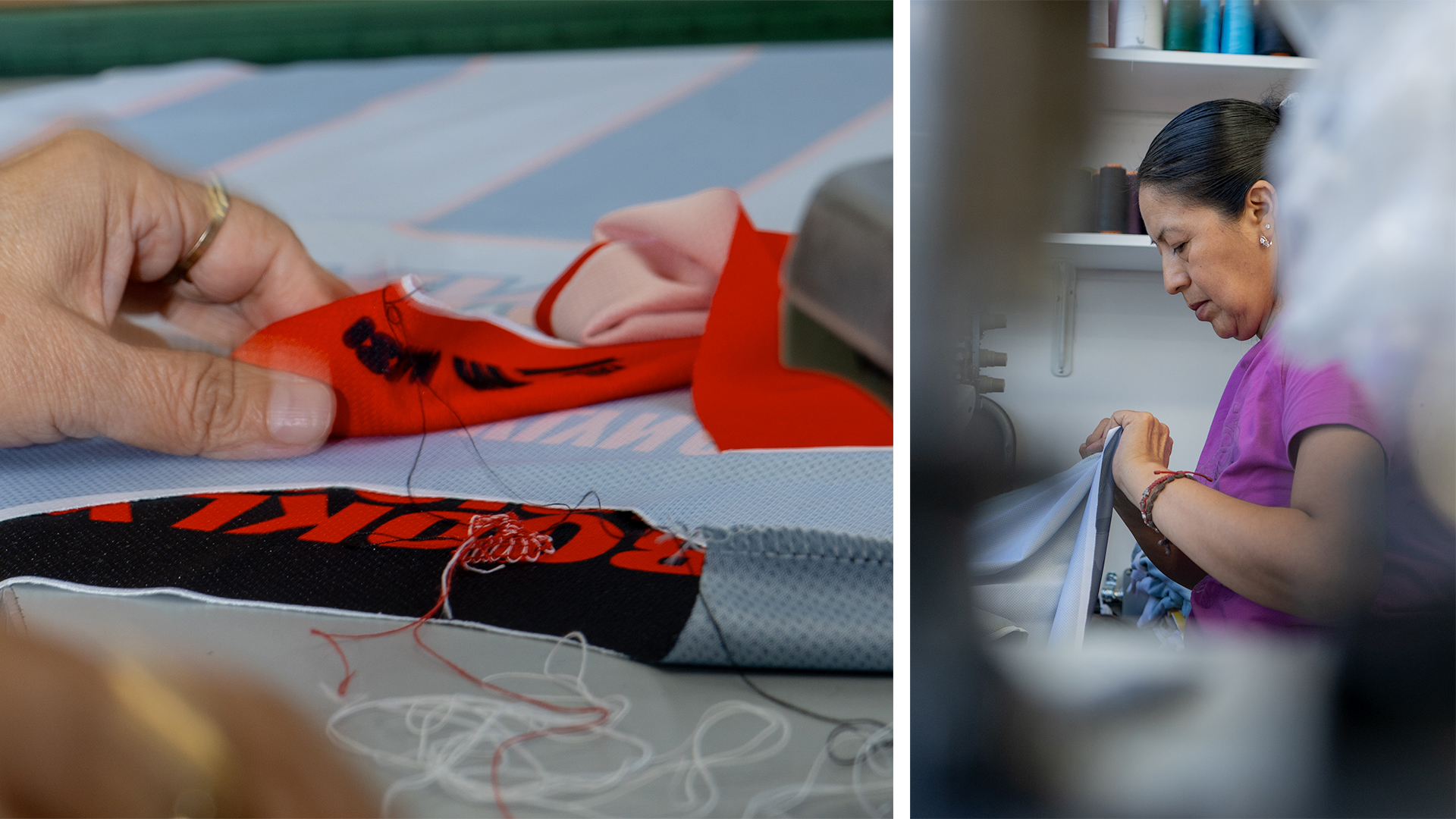
Today, the Mazzi workshop is a great equalizer. A team of largely immigrant designers, printers, and seamstresses create jerseys for athletes and fans from all walks of life. Multicolored scraps of little league uniforms and adult soccer jerseys litter the floor by each workstation, where hundreds of the city’s official World Cup jerseys had been assembled just a few months ago.
“The shirt really isn’t what this was about,” Campaz said, about the World Cup jerseys. After the shirts dropped, lines wrapped around the NYC CityStore, as hundreds tried to buy a limited edition shirt. At the same time, Campaz noticed that people hung around, talking to each other, long after the shirts had sold out.
“I said, ‘I’m so sorry you didn’t get one’, and they said, ‘no don’t be, we made new friends!’” Campaz recalled. That conversation, he said, made him view his work differently.
As many immigrants around the city have grown more fearful in the wake of increased ICE arrests and detentions, Campaz said that holding onto the joy and unity from his customers has become a throughline in his work. “This is who we are, this is how we celebrate, and there’s nothing [anyone] can do to take that away from us,” Campaz said.
‘It’s magic’
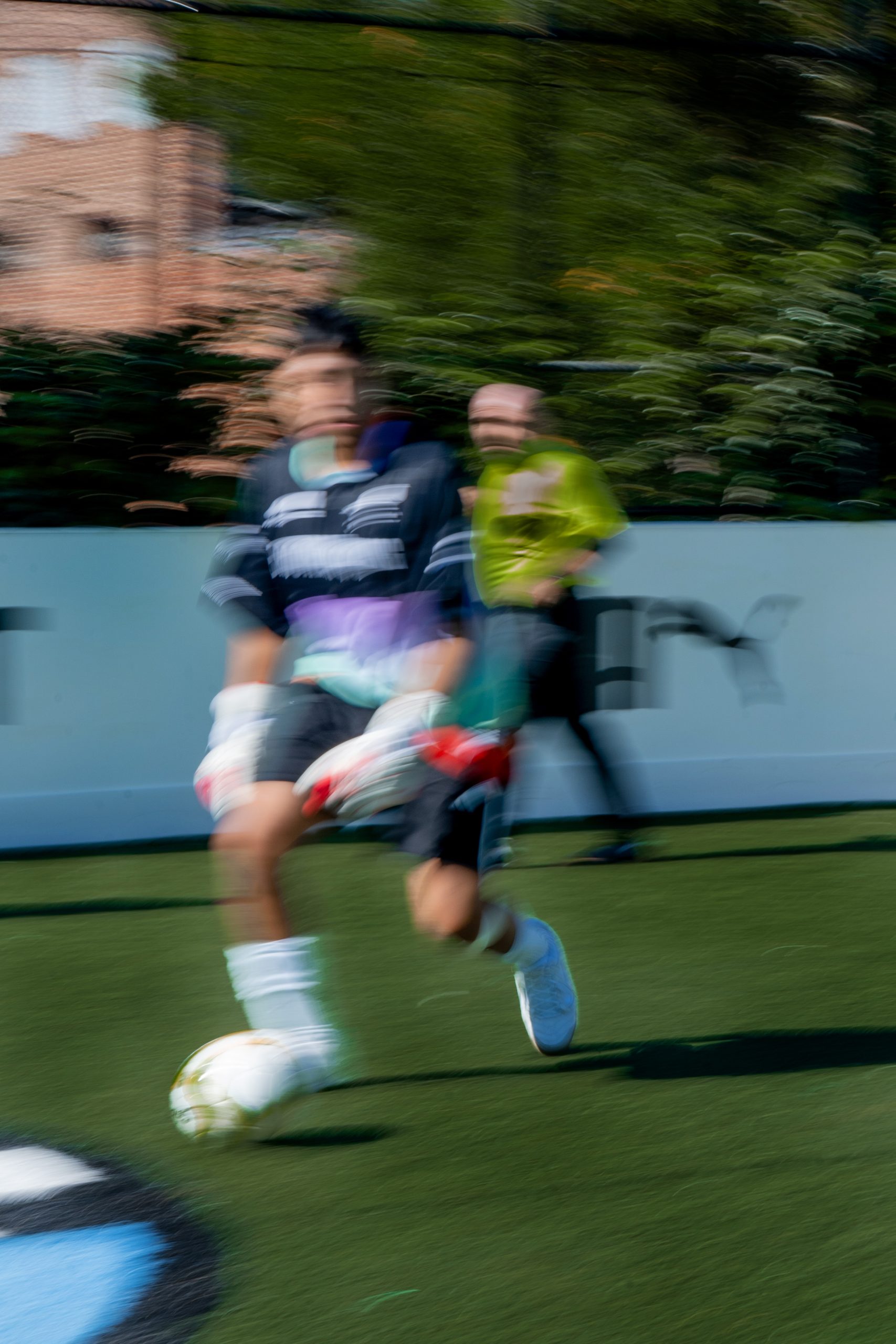
On the day of the Brooklyn Champions Cup, the KidSuper pitch was reminiscent of the floor of Mazzi’s, as a flurry of colorful jerseys mingled while the referee and NYC Footy organizers explained the rules of the tournament.
The air was thick with frenzy and excitement. The ref’s shrill, staccato whistle periodically interrupted the hushed discussions of team strategies and the loud, enduring cheers from teammates on the sidelines.
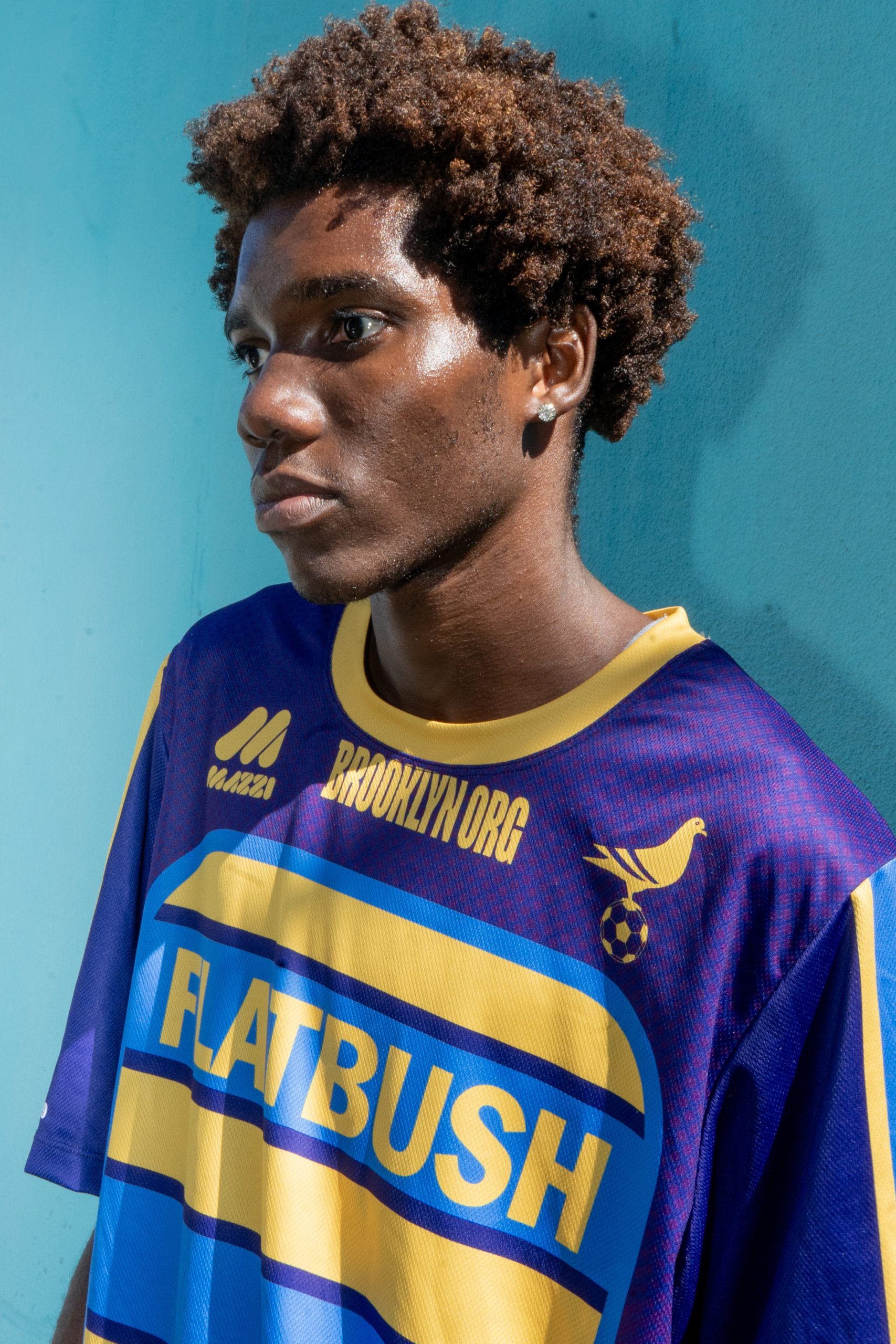
Clad in the purple, yellow, and blue Flatbush jersey, Peter Sanon waited eagerly for his turn to play. “Flatbush, born and raised,” he said with a smile, shaking his jersey lightly. Sanon’s parents had immigrated from Haiti to New York, and Flatbush’s Little Haiti provided Peter and his family a Haitian community.
“I learned to speak Creole and made friends in the neighborhood. It made it a lot easier to get in touch with my Haitian roots,” Sanon said. “There are a lot of other Caribbean communities there too. Being a Haitian and growing up in Flatbush was so much fun!”
The immigrant roots of East Coast soccer
Immigrants were not incidental to soccer taking hold in the east coast, they were essential to it. In the 1860s, when the Clark Thread Company moved part of their manufacturing from Scotland to Newark and Kearny, NJ many of the Scottish textile workers brought soccer with them.
Away from home and country, immigrant workers found new communities and friends through the beautiful game. As the number of mills grew and expanded to neighboring towns, including in New York’s garment district, so too did the local soccer teams. The explosion of these teams across the region led to the formation of large national and even transnational soccer leagues, like the North American Soccer League (NASL).
The New York Cosmos, a professional soccer club based in the greater NYC area, were founded in February 1971 and had a storied run in the NASL, until the league folded in 1985. In 1975, just a few years after their founding, they began commissioning star players from other countries, such as Brazilian soccer pro Edson Arantes de Nascimento — better known as Pelé. Many say Pelé revolutionized the sport by incorporating speed, fluidity, and acrobatic movements, which elevated the game to international audiences. Before joining the Cosmos, Pelé played for Santos Football Club and the Brazilian national team — where he still holds the record as the only player, globally, to win three World Cups. Immigrant players like Pelé, and eventually Franz Beckenbauer of Germany, Giorgio Chinaglia of Italy, and several others who joined the New York Cosmos drew crowds in the tens of thousands to every game, which invigorated fans and the sports economy in the U.S.
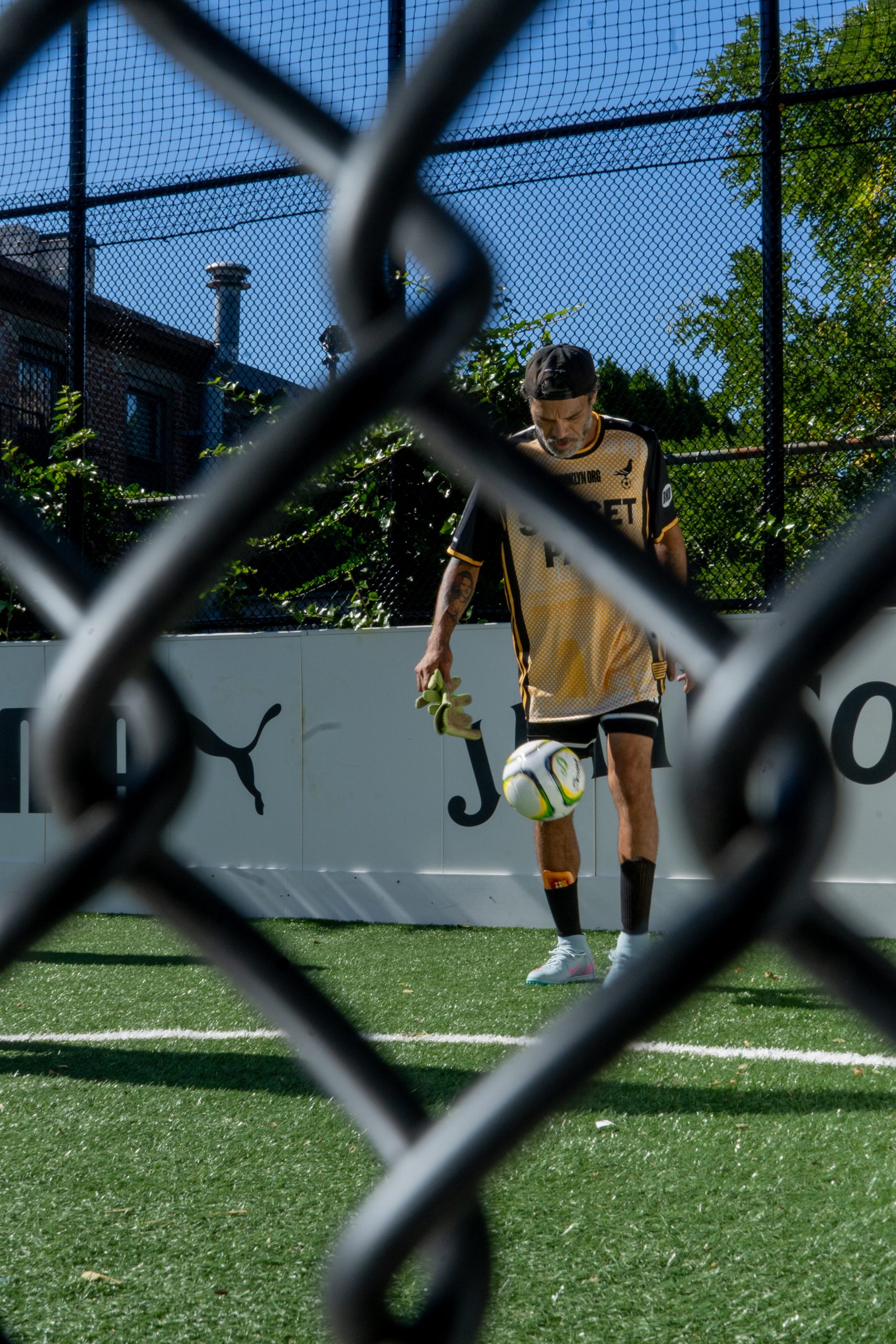
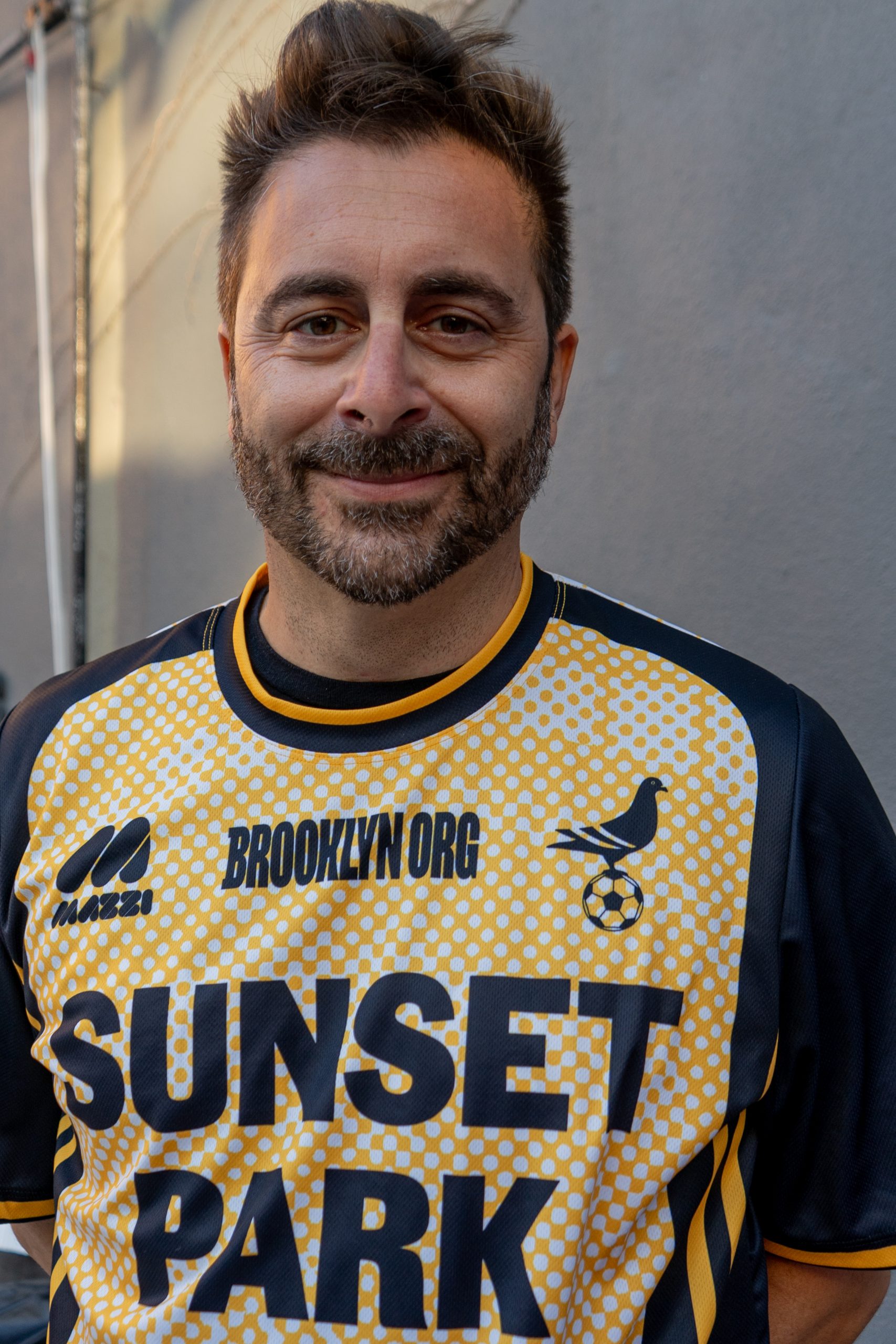
The Brooklyn Champions Cup tied together what has always been part of New York’s rich soccer history: immigrants, labor, and community. And, large leagues like NYC Footy have helped keep soccer alive in the city by bringing people together for the love of the game.
Still, everyone has their favorite places to play.
Deroy Peraza, a member of NYC Footy who played for Sunset Park in the tournament, explained that his teammates come from Queens, New Jersey, and other parts of Brooklyn just to play soccer. “There aren’t a lot of fields where we can all meet,” he said, “Sunset Park is where we can go and play with our friends after work. It’s there for us every week, it’s magic.”