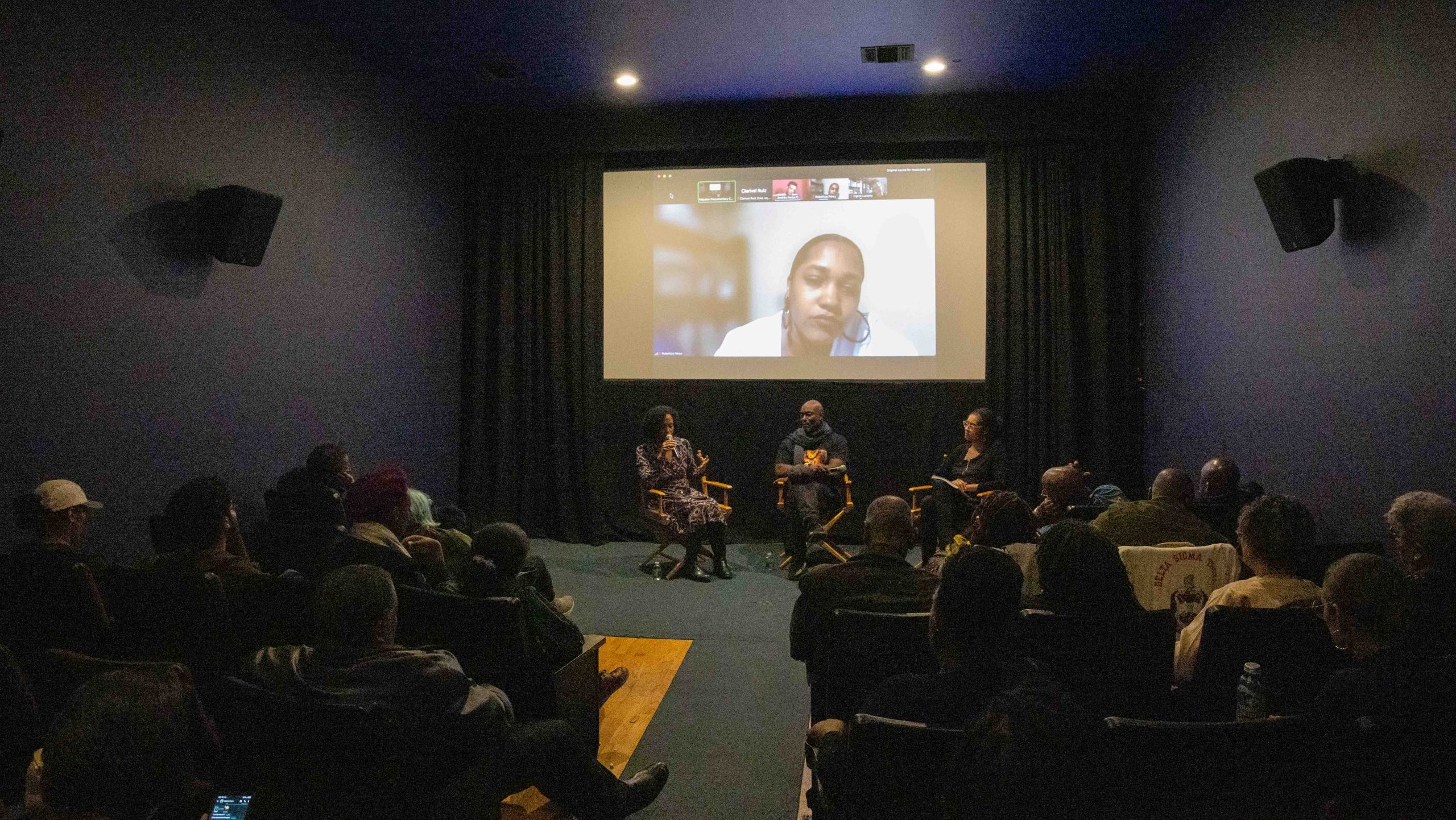


In the film “Testigo,” a Dominican woman whose home was raided by Dominican immigration agents crosses the Dominican mountains toward Haiti in search of her child who was deported. On her journey to the Haitian border, she meets people who share their stories as immigrants in hopes of being heard.
The film — only 17-minutes long — draws on testimonies from a 2025 report by Dominican-based non profit organization HaitianosRD that details the impact of mass deportations in the Dominican Republic. It was one of two films featured Oct. 12 at the Maysles Documentary Center in Harlem as part of the Nou Akoma Nou Sinèji Haitian Dominican Transnational Film Festival (NOU).
The festival, now in its fourth year, uses film and storytelling to examine the Dominican and Haitian communities’ shared history and encourage greater understanding, while also speaking to the longstanding challenges surrounding migration, deportation and tensions between the two countries.

“We saw the festival as an opportunity to embed ourselves in history, share stories, build relationships and foster cultural pride,” Clarivel Ruiz, founder and executive director of the Dominicans Love Haitians Movement, which organizes the festival, told Documented. “It’s a way to bring people together, expand our work beyond New York City and give hope to those who share similar experiences but don’t know how to express them.”
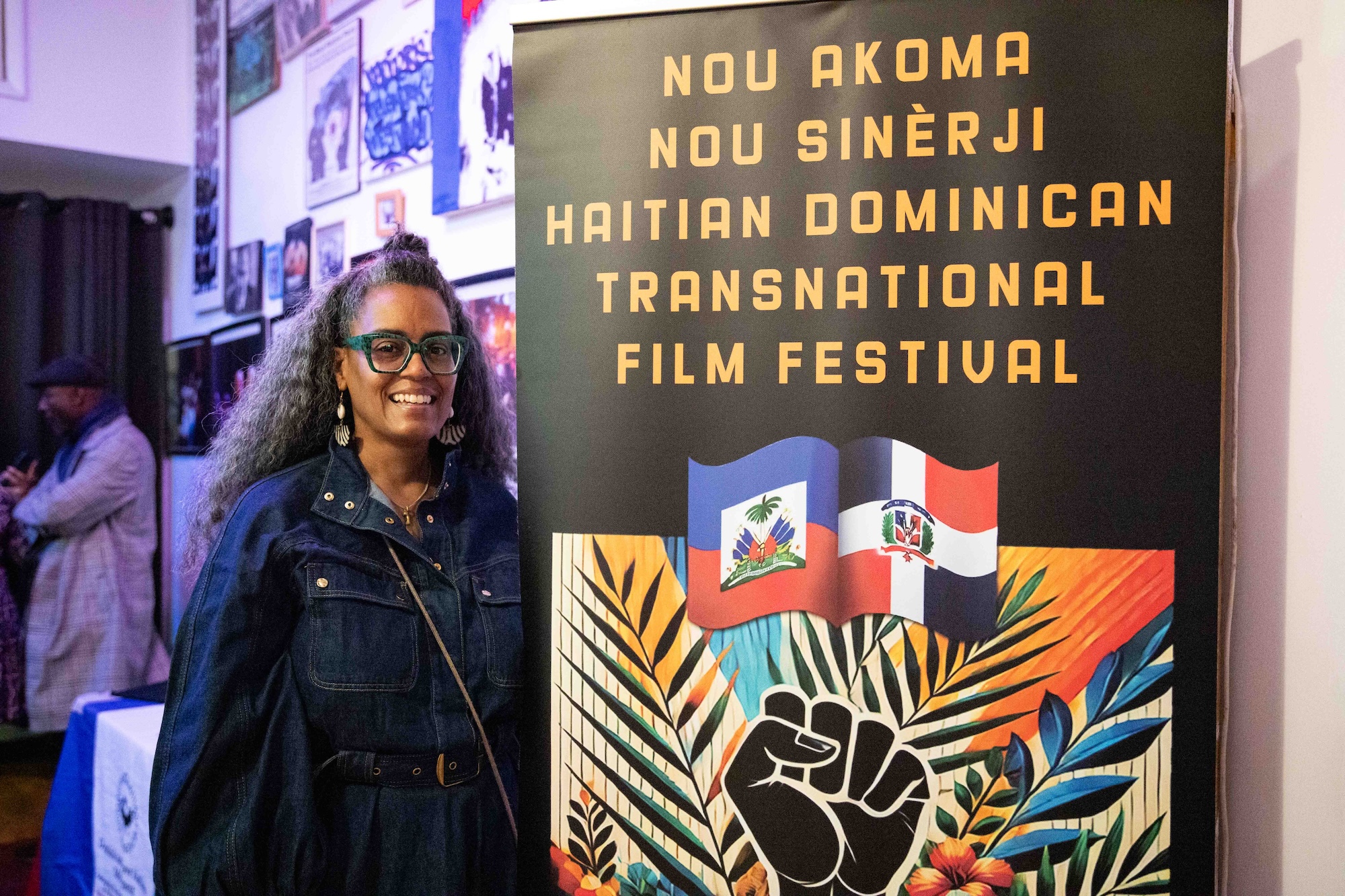
The festival showcased films and art by emerging and established artists from Haitian and Dominican, African and Indigenous diasporas. Its October 2026 program paired panel discussions with films ranging from dramas and documentaries to experimental works and shorts.
The second film of the day, “Melodrama,” follows Sonia, a recently widowed Dominican woman forced to sell her longtime home following the death of her husband and start over in an apartment overlooking the Caribbean Sea. There, she meets Aimé, a Haitian construction worker. Their relationship challenges racial and class prejudice against the backdrop of tensions between Haitians and Dominicans.
The film, selected as the Dominican Republic’s official submission for the 2027 Academy Awards, is more than just a love story. It explores themes of discrimination and national identity and exposes how attitudes toward migrants shape relationships not only on Hispaniola but also among Haitians and Dominicans living in New York.
Ruiz said the festival is meant to give people the space to examine history, and share experiences while building relationships.
Historical strains between Haitians and Dominicans have deep roots in racial prejudice that have played out in modern day political disputes. These tensions were recently reignited during New York’s Democratic primaries, when a senior adviser to U.S. Rep. Adriano Espaillat, who is the first Dominican American to serve in the U.S. House of Representatives, made controversial remarks in Spanish-language media claiming that progressive challenger Darializa Avila Chevalier, a community organizer of Dominican descent, intended to “replace Dominican New Yorkers with Muslims and Haitians.”
The remarks triggered a public backlash and Mayor Zohran Mamdani condemned the use of “Haitian” as a racial slur. Espaillat disavowed the remarks and urged his supporters to stop questioning Chevalier’s Dominican identity.
With the belief that history informs the present, Ruiz explained that using film to shine a light on the history of discrimination against Haitians in the Dominican Republic is an important way to prevent similar discrimination elsewhere and in the future.
“Thinking about what happened in the Dominican Republic with the stripping of citizenship [from those in the Dominican with Haitian descent], we knew that was coming [in the U.S.],” they said. “We needed to raise the alarm because you get one human being in the right place at the right time, and they will do the same thing. And here lies Trump.”
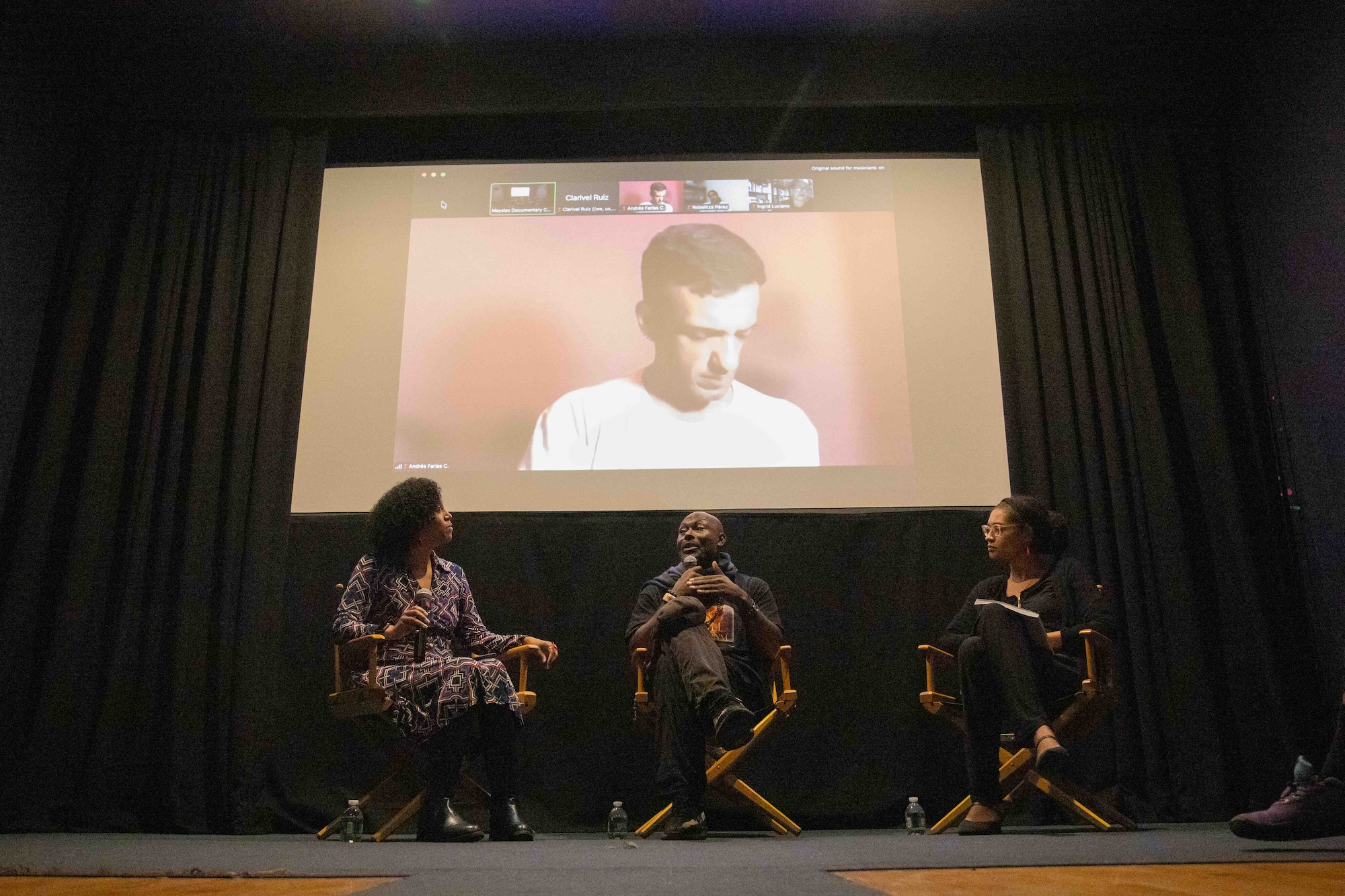
Following the two films, organizers held a post-screening discussion where attendees were encouraged to share their thoughts and stories. For Wallace Jean, a Bronx native with a Haitian mother and a Dominican father, the discussion was enlightening and also personal. Jean said his mother, who is light-skinned, and his father, who is dark-skinned, shaped his understanding of colorism and family identity.
Growing up in New York also shaped his sense of belonging while he identifies as American with Caribbean roots. He connected immigration enforcement in the Dominican Republic with what he’s been seeing in the United States with ICE raids and arrests, saying his own Dominican cousin fears stepping outside without papers.
“When you go to DR, when you’re in DR, you’ll see the same behavior as here with ICE. It’s the same tactics that they do over there. It’s the same policy because again, it’s learned behavior,” he said.
One of the participants, Haitian-American and historian Ayanna Legros, connected the films’ themes to policing and immigrant communities in New York. People can carry racial prejudices from one country into another, she said, and argued that officers of color can also be participants in a system that harms Black people. “When someone migrates to another country, they carry those thoughts and ideas with them into a new place.”
Other participants discussed how to challenge these cross-generational patterns. They suggested a number of ideas to start: learning about one another’s histories, discussing the films with friends and family, sharing them through schools, churches, community organizations and social media, and supporting groups that work directly with migrants.
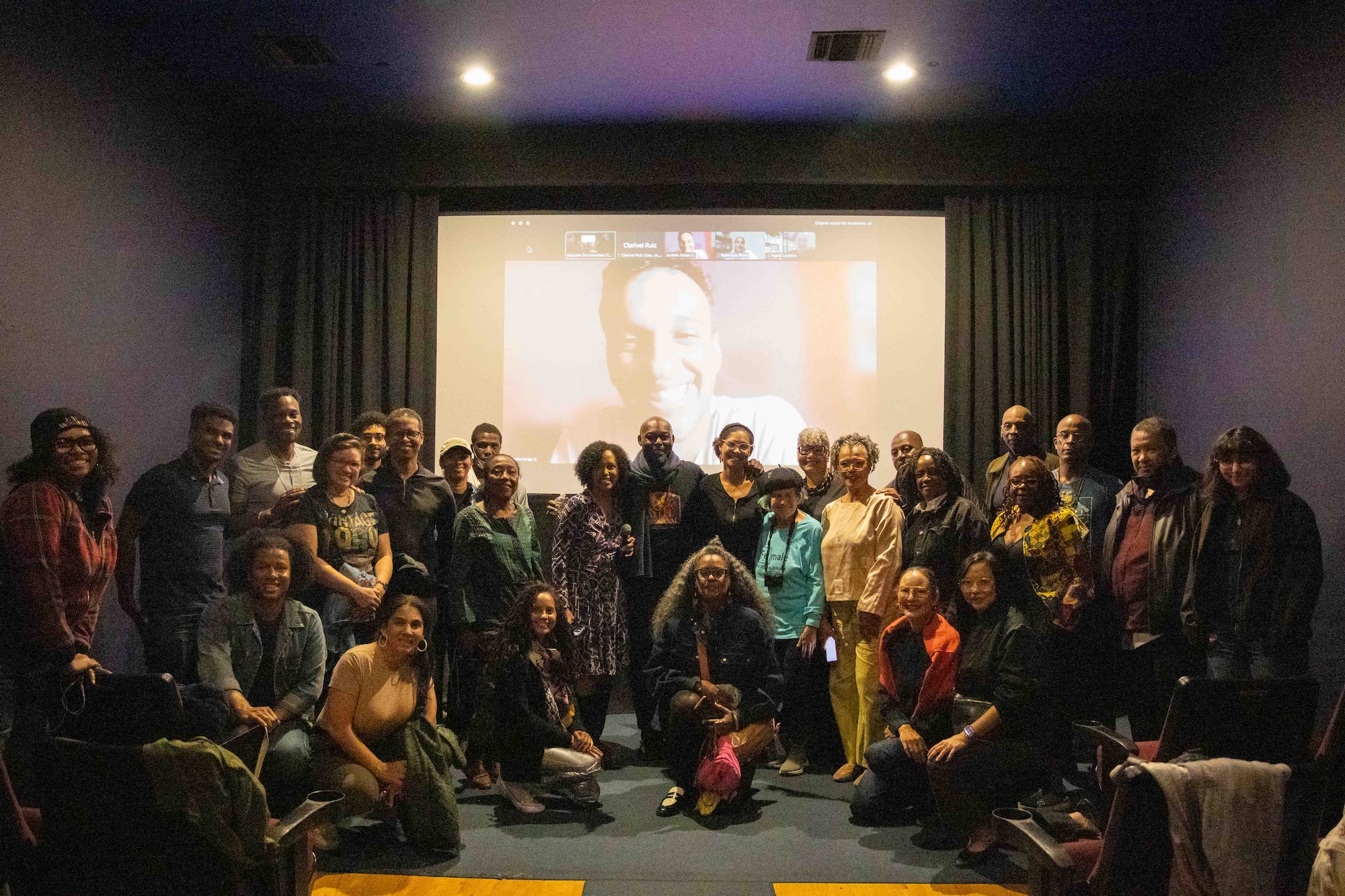
“The simple fact that we can speak about it [the tension between the two communities] to your friends’ families is one step,” said panelist Jimmy Jean-Louis, the lead actor who played the character Aimé in “Melodrama”.
For Ruiz, the goal is to take the conversations beyond the screening room. By sharing stories and supporting those affected by discrimination and deportations they hope Haitians and Dominicans can build relationships that challenge inherited prejudice and strengthen solidarity in New York and beyond.