

This article was published with support from URL Media.
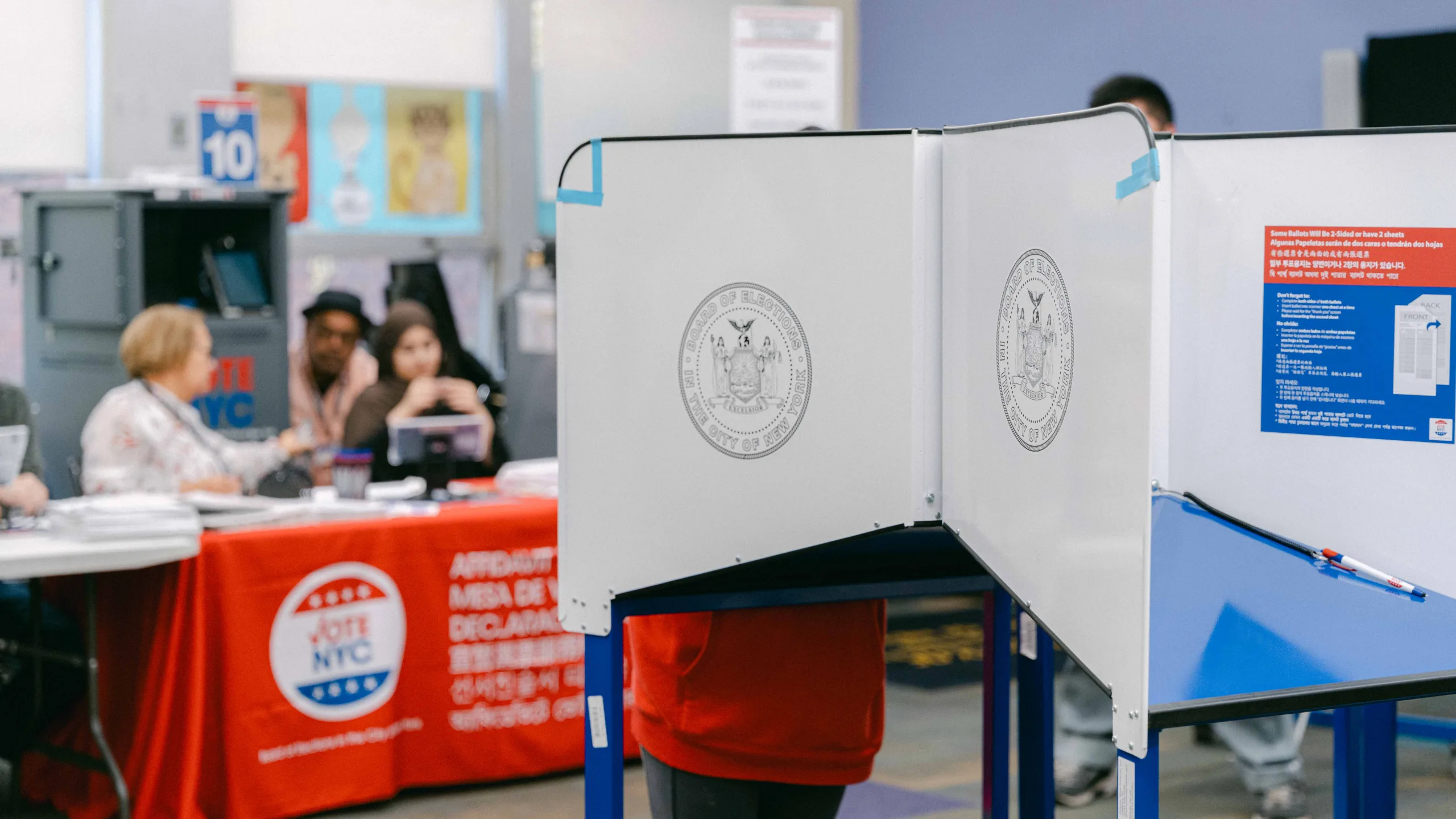
Election day is Nov. 3 in New York City, and early voting is already underway.
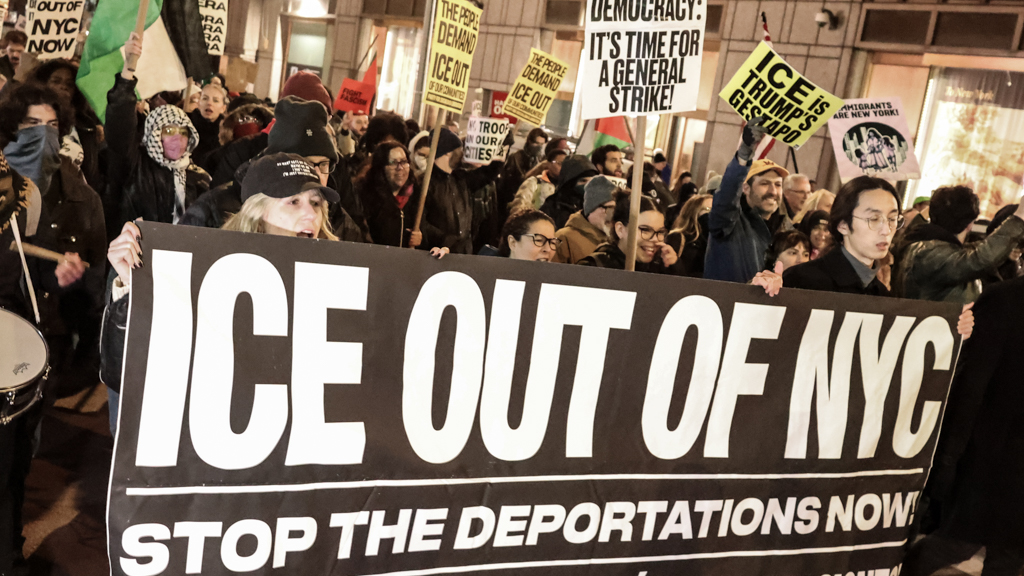
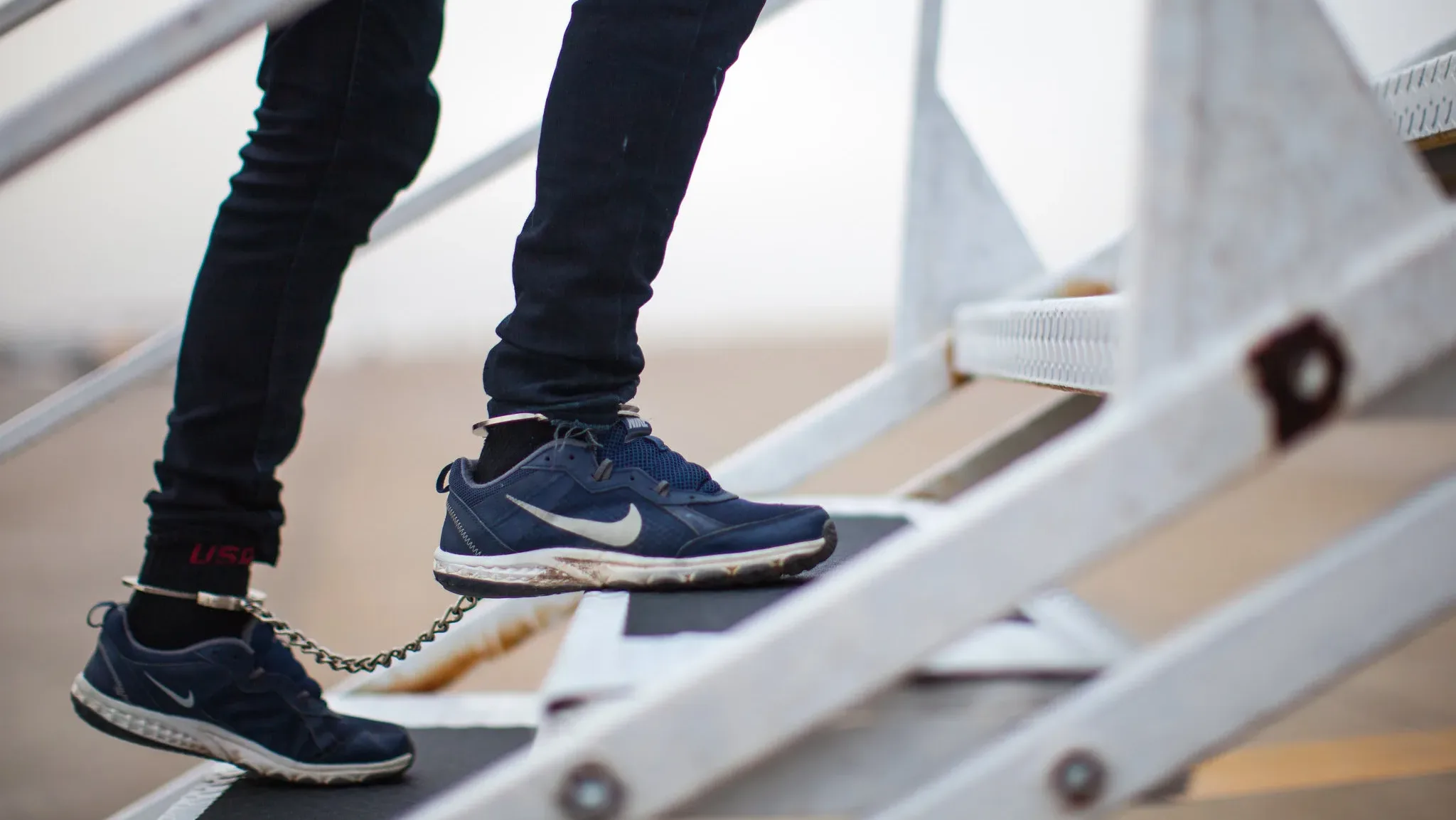
For New York’s immigrant voters, the stakes are high. Many have witnessed their communities torn apart in ICE raids and are feeling increasing concerns over immigration authorities showing up to the polls.

Particularly in the wake of Mayor Zohran Mamdani’s win last year, which was heavily buoyed by a voter surge among young people and South Asian New Yorkers, many of whom had never voted in an election before, this election also holds more meaning as a test of their continued electoral engagement in the country of their chosen citizenship.
Documented spoke with South Asian immigrant voters, including one who voted for the first time ever to elect Mamdani last year, ahead of this year’s midterm elections. They told Documented how they were planning to approach the elections, and what they cared about this election cycle. Affordability and ICE overreach continue to remain major concerns, though several also addressed the lack of voter engagement in South Asian communities, and the crucial need for immigrant voters to get their voices heard.
Manzoor Bhatti, 68, moved to the U.S. from Pakistan in the 1980s. He said he went from voting for Trump in 2024 to campaigning for Mamdani during the mayoral election last year, and said he felt conflicted about his Republican vote in 2024. “Mr. Trump said he’s going to stop the wars … our tax money is still [funding] wars,” Bhatti, a former cab driver and construction contractor who is now retired, told Documented.
He said that in his close to 40 years of voting in the U.S., he had never seen his community energized around a candidate like they were around Mamdani — New York’s first Muslim mayor — adding that he believed the participation from last year could lead to sustained political engagement from Pakistani New Yorkers.
Bhatti said that the local mosques in the Midwood, Brooklyn, neighborhood he lives in and which also houses a plurality of Pakistani New Yorkers, were increasingly focusing on political education of the community and helping attendees get more involved with the democratic process in the United States. “There is more education and awareness,” he said, adding that community-based voter registration drives have helped add more non-voters to the electorate.
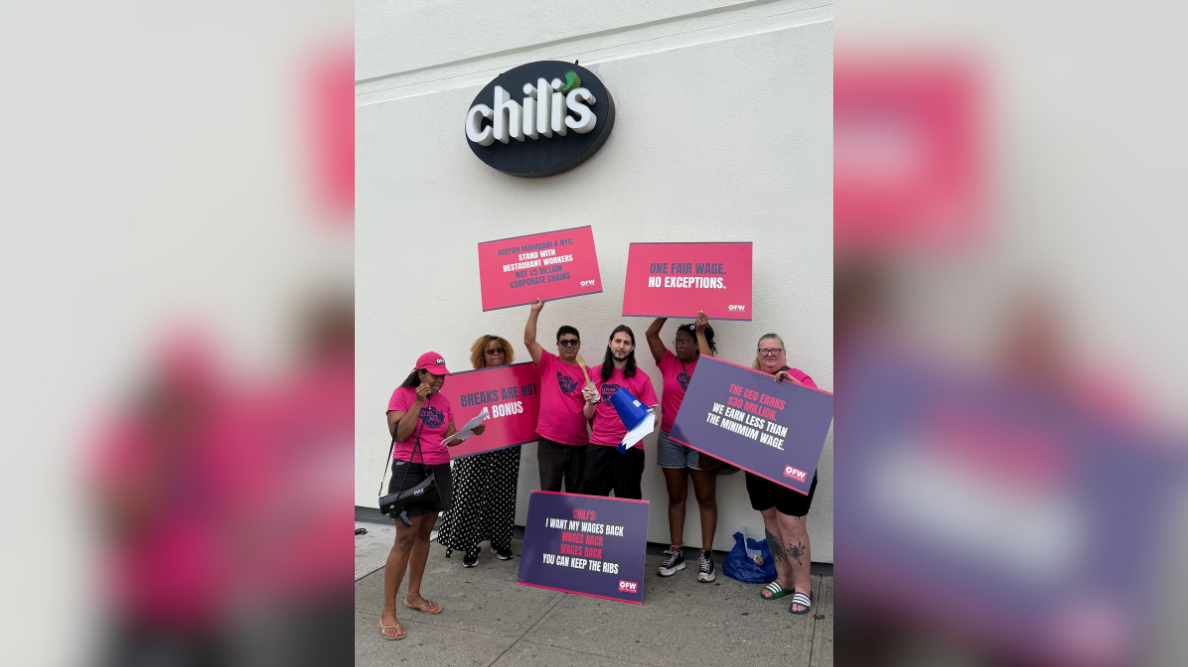
Bhatti said affordability and the needs of working class New Yorkers are central to how he plans to vote this November.
Other South Asian voters were galvanized by last year’s election. Eknoor Kaur, a 30-year-old legal professional, said voting for Mamdani last year — her first time voting in a U.S. election — made her recognize the power of casting her ballot as she looks toward voting in the midterms.
“I was the kind of person who always thought, ‘It’s just one vote, what is it going to change?’” Kaur said. “But it does make a difference. Like if you only have 99 cents, it doesn’t make it a dollar. You still need that one cent.”
Kaur, who moved to the United States with her family from India when she was five years old, and lives in Richmond Hill in Queens, talked at length about understanding how impactful her vote can be and that although she is planning to vote Democrat, she was looking deeply into candidates’ backgrounds to decide her vote before the midterms.
“Since I came into this country, [affordability] is the biggest change I’ve seen in quote unquote what America is,” she said. “Everything is just so expensive. It’s so difficult for even individuals that are very highly educated to maintain a good living right now.”
Madhav Shanmugam, a 36-year-old healthcare worker in East Harlem, said he voted for the first time in the 2024 Presidential Election after moving to the U.S. from India in 2018. In that election, he said he decided to remain independent and vote for the Green Party candidate, citing his disappointment with “Centrist Democrats.” Shanmugam emphasized that candidates need to “earn their votes” and cited Kamala Harris’ refusal to term the killing of Palestinians in Gaza as a genocide among the reasons he withheld his vote in 2024.
Shanmugam said he wanted more investment in community policing, infrastructure and housing in the neighborhood. As a resident of New York’s 13th Congressional District, he said he was looking forward to voting for Darializa Avila Chevalier, a progressive candidate and organizer who defeated five-term incumbent Rep. Adriano Espaillat in June’s Democratic primaries. Like Mamdani, Avila Chevalier is endorsed by the Democratic Socialists of America, or DSA.
“Unfortunately, DSA did not run a progressive candidate against Governor Kathy Hochul,” Shanmugam said about this year’s New York governor’s race. He added that the high cost of living and ICE’s presence in the city were his key issues for the midterms.
“My only humble request: Please go and vote. Don’t just sit and skip voting. That’s the only thing that we have,” he said.