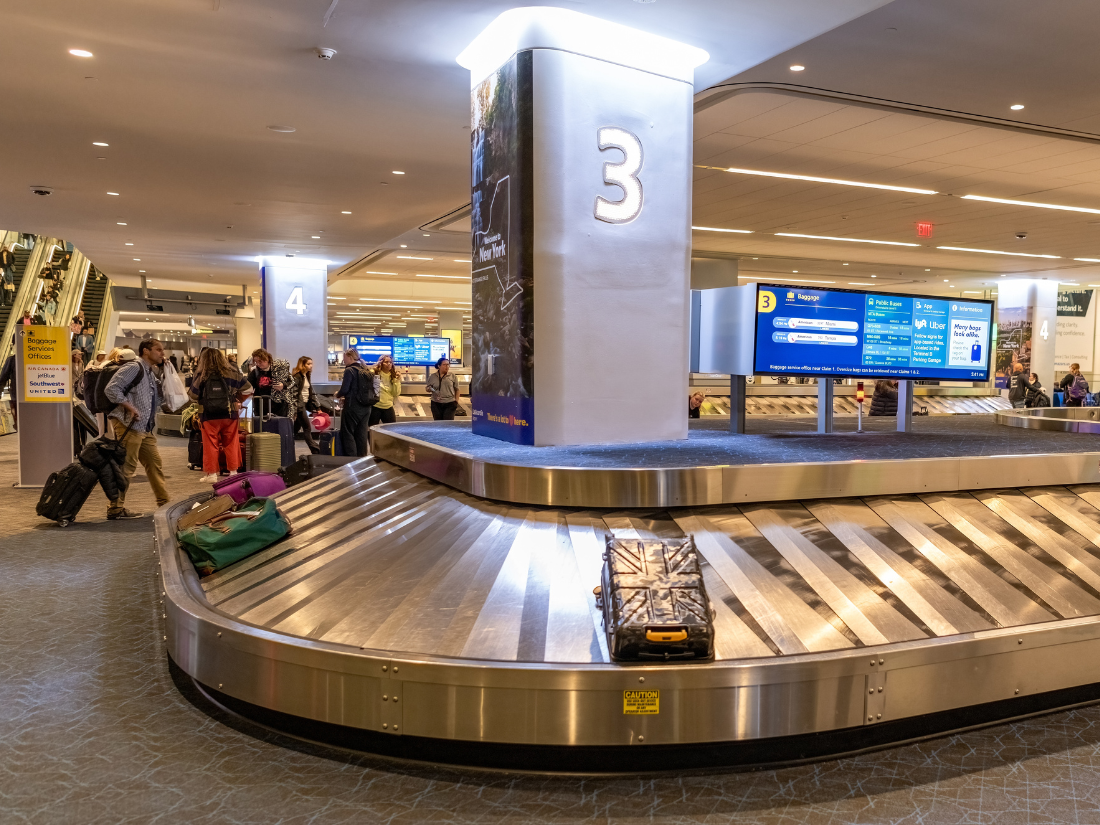


LaGuardia Airport ground crew workers employed by Alliance Ground International are demanding access to the company’s workplace safety logs in the face of increased safety issues. The union 32BJ SEIU, which is organizing the workers to increase labor standards, says AGI has failed to share with the Occupational Safety and Health Administration (OSHA) injury and illness records as required by law.
Sometimes known as the “Log of Work-Related Injuries and Illnesses,” the OSHA 300 form includes detailed data regarding workplace injuries. Federal regulations require that employers of establishments with at least 20 workers submit the form to OSHA annually. The deadline to submit data for 2024 was on March 2, 2025. OSHA data shows that AGI has failed to submit its data for dozens of worksites across the country, including LaGuardia Airport.
Submitting workplace injury and illness data to OSHA helps employers, workers, and OSHA track workplace hazards. Once hazards are identified, they can lead to the implementation of new worker protections that could prevent future injuries and illnesses. Revelations of high injury or illness rates can trigger increased OSHA inspections.

Publicly available data from OSHA, reviewed by Documented, shows that AGI failed to submit OSHA 300 logs for its operations at LaGuardia Airport for the past three years. AGI did submit the required data for nine operating airports across the country, including both New York’s John F. Kennedy Airport and Newark-Liberty Airport.
Also Read: Workers at LaGuardia Airport Demand Heat Protections Amid Rising Temps
However, based on the company’s map of locations in the United States, the data indicates that AGI has failed to submit dozens of OSHA 300 logs in 2024. Employers who fail to file their injury report to OSHA can face a penalty of $16,550.
When asked about AGI’s failure to submit its report for the past three years, as well as if it has issued AGI any penalties, OSHA did not say, but instead directed Documented to the data available on its website.
Although the law requires that employers submit the OSHA 300 form, a 2021 report by the U.S. Government Accountability Office (GAO) found that more than 50% of eligible employers failed to report OSHA 300 data for the years 2016 to 2018.
The GOA found that OSHA had limited procedures for encouraging employer compliance. In 2019, OSHA identified nearly 220,000 employers who failed to report their data. OSHA only cited 255 employers for failure to report their data from mid-December 2017 through September 2019 after OSHA conducted on-site inspections.
This limited enforcement, GAO found, hindered OSHA’s ability to conduct targeted inspections at work sites with the highest injury and illness rates. The study concluded that “OSHA has taken limited steps to ensure compliance” regarding injury and illness data reporting.
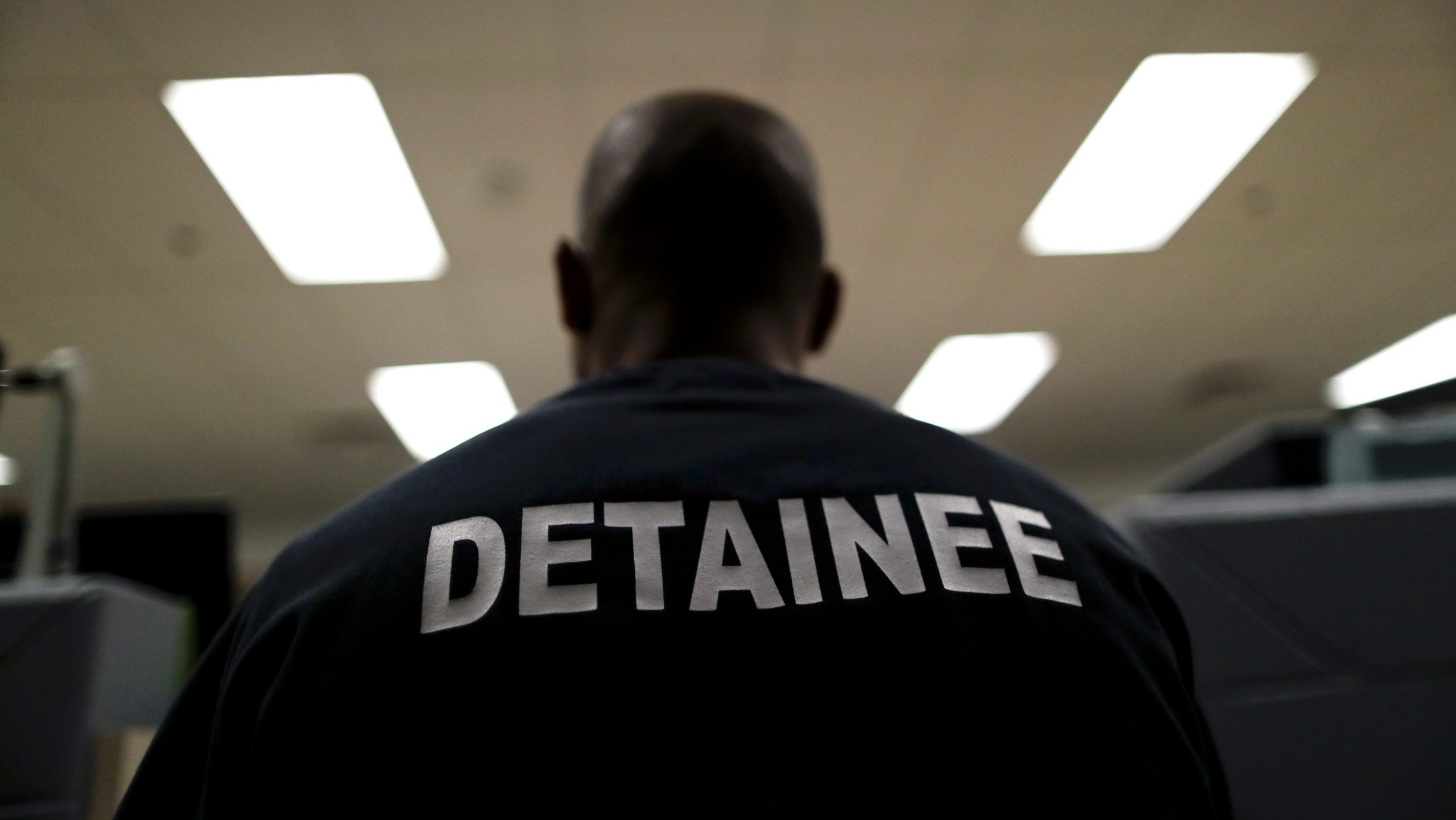
On Wednesday, workers submitted a formal request to AGI directly for the OSHA 300 logs from the past five years. According to OSHA’s regulations, an employer must provide workers with the data within one business day upon request. As of Thursday, AGI failed to share the data with the workers.
Roxana Rivera, 32BJ SEIU assistant to the president, told Documented that AGI’s failure to file the necessary injury reports is indicative of the company’s failure to protect workers on the job from hazards like extreme heat. By fighting to make the data transparent, the workers themselves would be able to advocate for a safer working environment.
“In addition to demanding basic protections on the job, workers at LaGuardia Airport are calling on AGI to fulfill its requirement to report on-the-job injuries and illnesses to federal regulators,” Rivera said in a statement. “This reporting is critical to tracking health and safety issues and in keeping workers safe.”
Also Read: Airport Union Alleges Newark Cargo Contractor AGI Violating Federal Labor Law
Workers like John Mosquera, a 25-year-old Dominican cargo worker, say that working on the LaGuardia Airport tarmac during hot days can be punishing to the body. During a 10-hour shift on a 98-degree day in mid-May, Mosquera fainted while he was loading heavy baggage in the plane’s cargo hold.
“All of a sudden, I started seeing spots in my eyes, like when you push your hands against your eyes really hard,” he said in a statement to Documented. “I passed out for a second. When I woke up, I was breathing hard.”
When he woke up, Mosquera said his supervisor sent him on a break, but no report was filed.
“It’s scary, but I’m also young,” he said. “Most of my co-workers are older. I worry about what could happen to them. We need better protection for when it’s so hot. I don’t want anyone else passing out or getting sick.”
It’s not the first time AGI workers at LaGuardia Airport have struggled with extreme temperatures. As Documented previously reported, on July 8, 2024, Garvey Barrett, a 68-year-old Jamaican baggage handler for AGI, was allegedly suspended for asking for water while on the job. His claim is currently being investigated by the National Labor Relations Board (NLRB).
Sarah Andrews, vice president of marketing, communications and government relations for AGI, denied Barrett’s and the union’s claims when Documented asked for their response to the accusations in May.
“Due to lack of evidence to support 32BJ’s claim, there was no action from the NLRB,” she said in a statement. “This did not happen, and we vehemently refute any accusation to the contrary.”
AGI was also accused in July of violating federal labor law for failing to pay over 100 workers at Newark Airport $2 million in benefits supplements.
In 2024, OSHA issued the company an additional $1,210 penalty for possibly exposing workers at a Miami warehouse to “infectious diseases” while they used unclean bathrooms.
AGI’s failure to file OSHA 300 data is of particular importance to the workers, given the company’s workplace safety record. From 2016 to 2024, OSHA cited AGI with 18 workplace safety citations across multiple states, totaling $338,881 in penalties. The penalties were later reduced to $169,440.
AGI did not respond to Documented’s multiple requests for comment.