

In the sparse visiting room at the Delaney Hall immigration detention center in Newark, N.J., Rabbi Anne Laurent sat across from a man from Burkina Faso who was being detained in the facility.
Fluorescent lightbulbs drowned out what little sunlight streamed in through the window, the frosted glass too thick to clearly see the winter day outside. The man’s eyes wandered as he spoke.
“What are you most looking forward to, when you get out?” Rabbi Laurent asked the detainee in French.

“I just want to walk in a straight line for five minutes,” he said.
At the time, he had been sharing a small cell with six other men, where each night they slept fitfully on bunk beds. This July, marks nearly a year since he first arrived at Delaney Hall, and a year and seven months since he first arrived in the United States. His wife and two young children stayed behind with her parents. In the time since, his wife gave birth to their baby daughter who has yet to meet him.
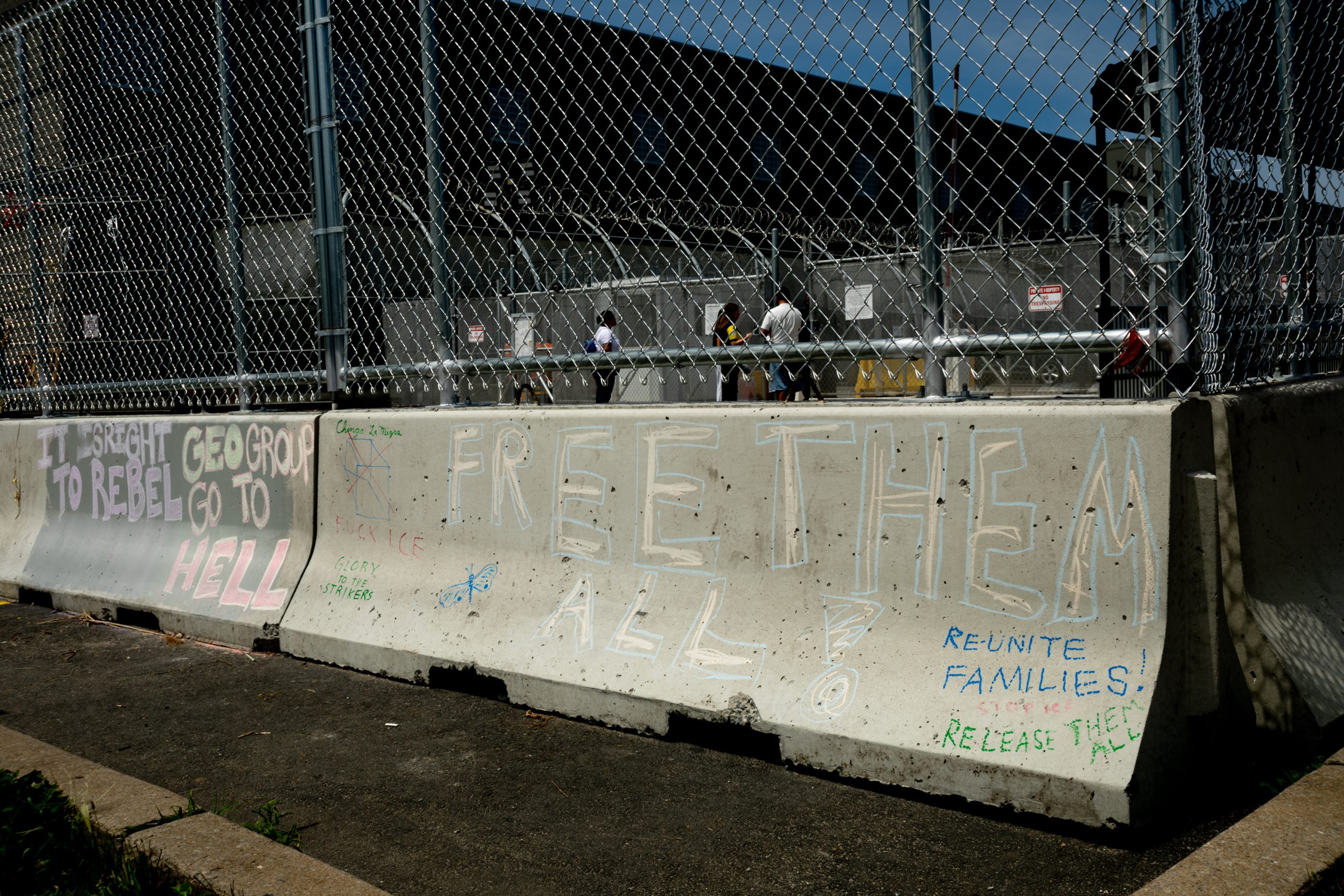
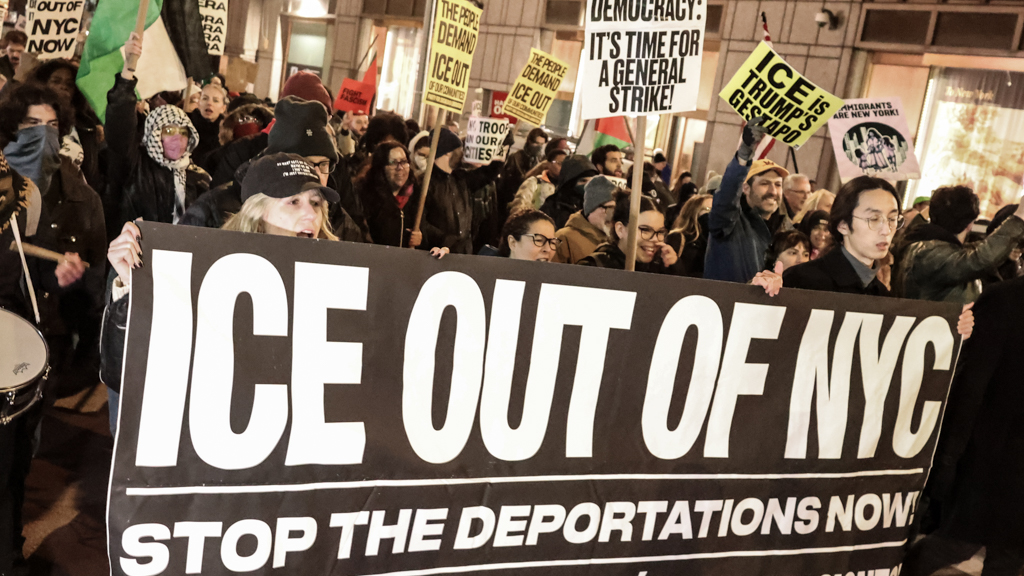
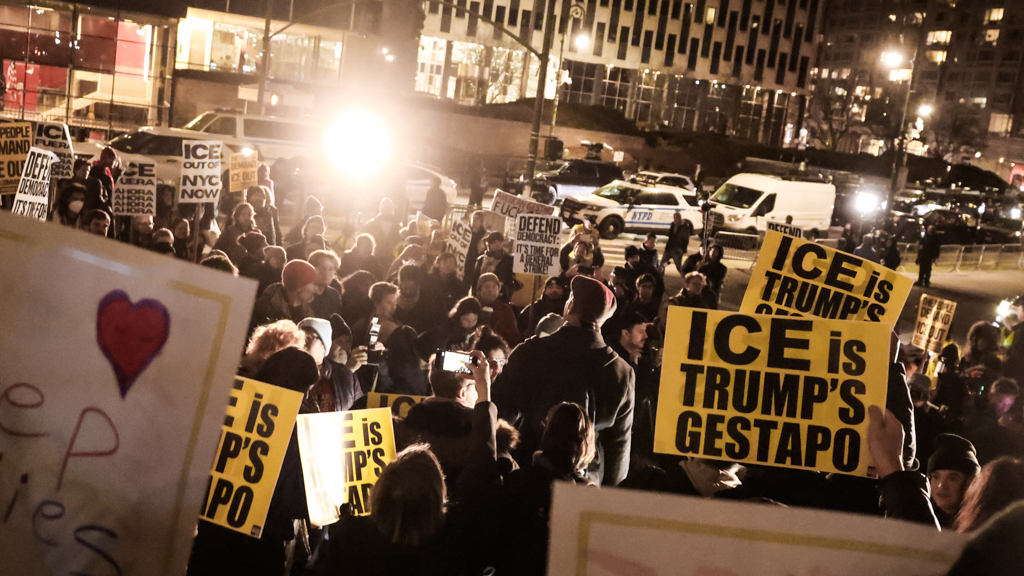
The man, who requested to speak anonymously for his safety, met with Rabbi Laurent months ago and since that meeting, an estimated 300 men and 40 women participated in a coordinated hunger strike and work stoppage. While these efforts have reportedly come to an end after what detainees and advocates have termed retaliatory action from ICE and The GEO Group, which operates Delaney Hall, the strikes and protests in support of them drew national attention.
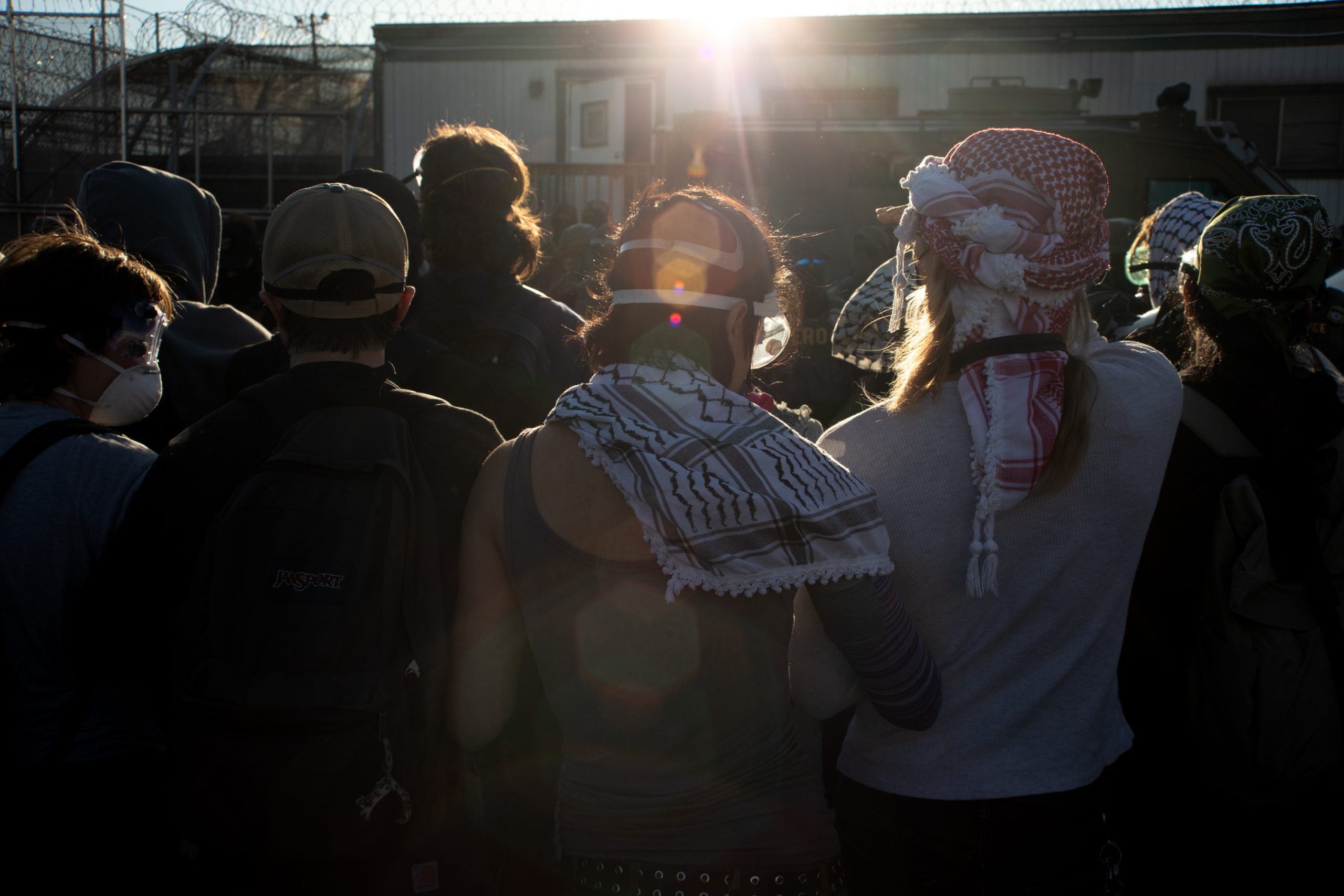
Still, the walls enclosing many detainees, including the man from Burkina Faso, are still standing. And he is still unclear on when he will be released.
A devout Muslim and a father of three, he had arrived at the U.S. border hoping to claim asylum after escaping terror attacks in his home village, and to find work in the U.S. But because of a change in ICE policy, triggered by a memo issued by Acting Director of ICE Todd Lyons on July 8 of last year, he and other undocumented immigrants are not only increasingly subject to being detained, they also face a narrower path to release.
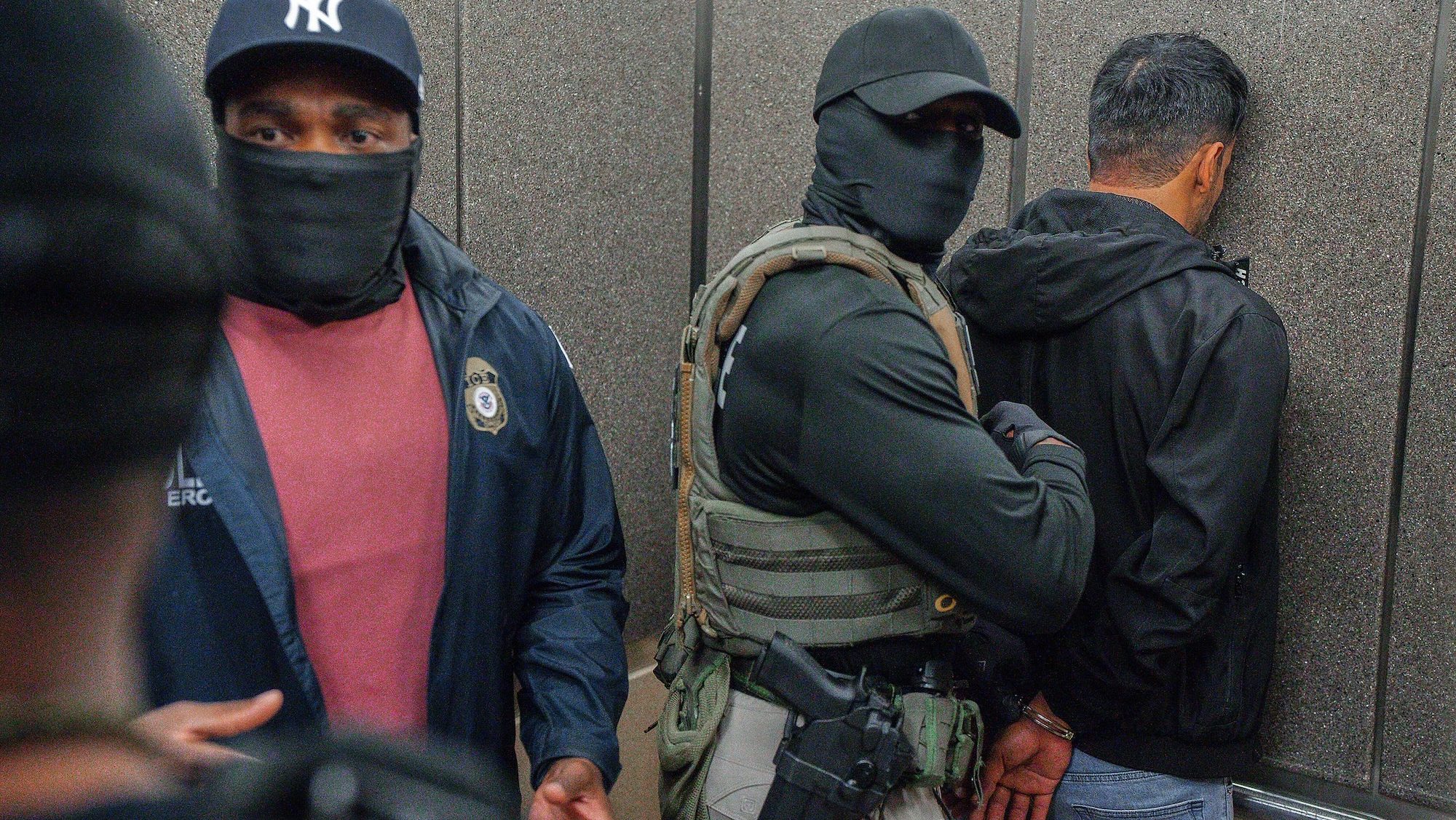
The memo outlined a new, harsher interpretation of the Immigration and Nationality Act (INA), subjecting millions of undocumented immigrants (including those already present in the U.S. and those without criminal backgrounds), to “mandatory” detention without the option to request release on bond.
According to experts, the unprecedented rule change issued in the first year of Trump’s second term, has led the population of people in ICE custody to jump — from 39,000 to 71,000.
According to Stateline, the Supreme Court will hear a related case, Genalo v. Black, settling the future of the contested policy in October, when the court’s next session begins. Meanwhile, federal appellate courts have handed down conflicting rulings on whether or not the current interpretation of the INA is constitutional. As recently as July 2 the Fifth Circuit ruled against the policy, and then reversed that ruling shortly afterwards.
“This ground has been shifting really rapidly,” said Leena Khandwala, managing attorney for the Detention and Deportation Defense Initiative (DDDI) at Rutgers Law School’s Immigration Rights Clinic. If a circuit court rules against mandatory detention, she explained, it wouldn’t necessarily prevent people within that circuit’s jurisdiction from being detained. Instead, it would enable more detainees to request a hearing to be released on bail.
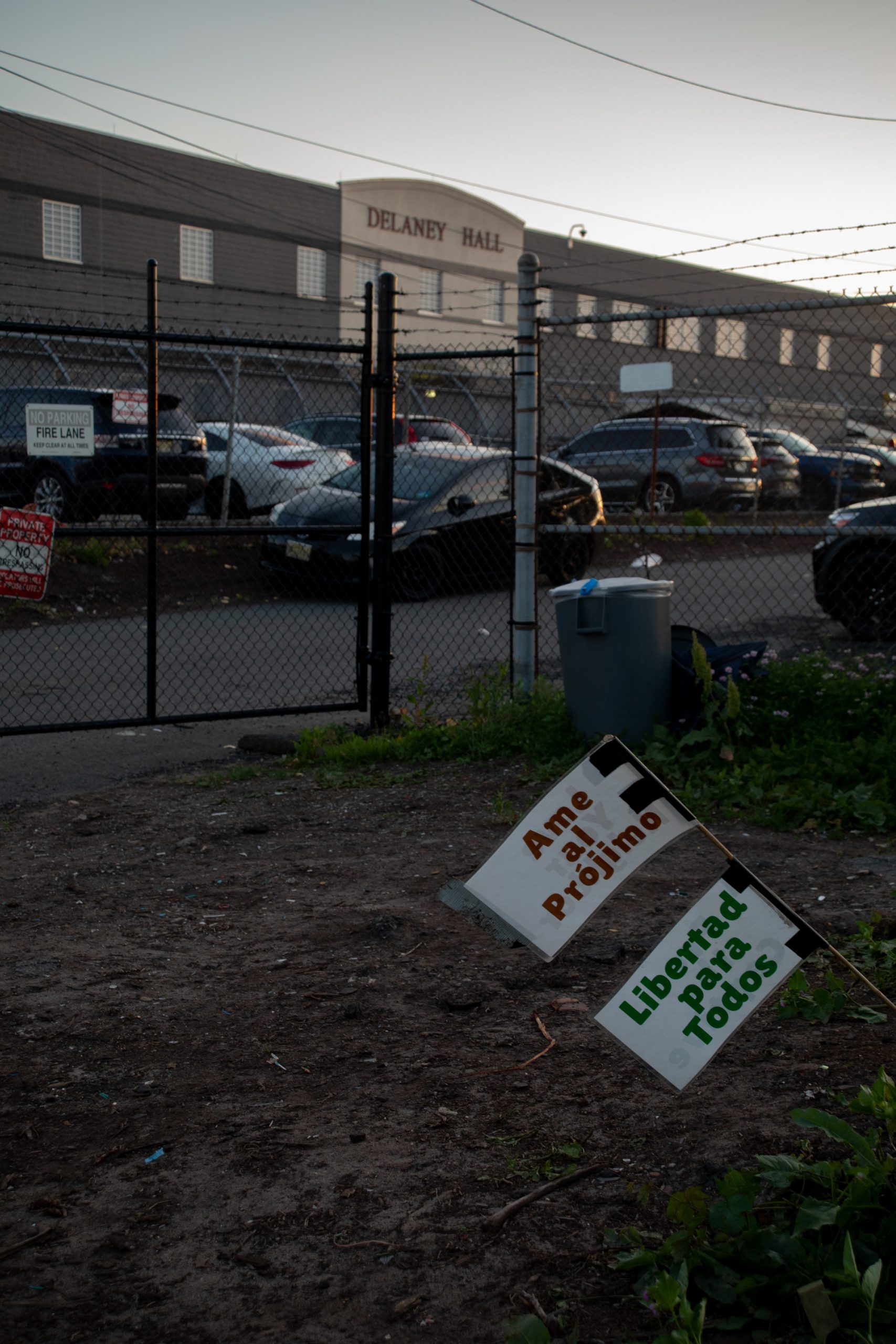
Many of the approximately 10,300 immigrants who have been arrested by ICE and held at Delaney Hall between May 2025 and March 2026 — over 70% of whom have no criminal history — remain in the country with no end to their detention in sight. And, 90% of ICE detainees are held in facilities operated by private contractors, particularly Core Civic and The GEO Group, which won a government contract worth $1 billion in February 2025. The One Big Beautiful Bill Act passed in July 2025 allocated $170.7 billion for immigration and border enforcement, with $45 billion earmarked specifically to expand detention capacity.
“The whole thing makes absolutely no sense,” said Reverend Robin Tanner, a Unitarian Universalist minister in Summit, New Jersey, who has visited a number of people in Delaney Hall. “We are signing these massive contracts to these for-profit companies to hold and detain people who are absolutely no threat to their community, and now you’re taking them out of their community so their families are at risk for losing housing, [and] for needing all kinds of crisis intervention.”
Life on the inside
One morning in late April, Documented went to Delaney Hall to visit the detainee — Rabbi Laurent came along and interpreted for him. It had been more than a month since she had last seen him. His face had begun to look more “closed,” she said. “Every time I meet him, I feel like he looks more and more tired, more and more weary.” Visitors waited anxiously for the detained loved ones to be let into the room. About 20 minutes after the scheduled visiting time was set to begin, a couple dozen men in baggy pants and polo shirts filed in, awkwardly hugging family members.
People were crammed along cafeteria tables in the “Visitation Chapel” and only allowed to sit across from the person they were visiting for a little under an hour. Visitors strained to hear their loved ones over the echoes of other conversations.
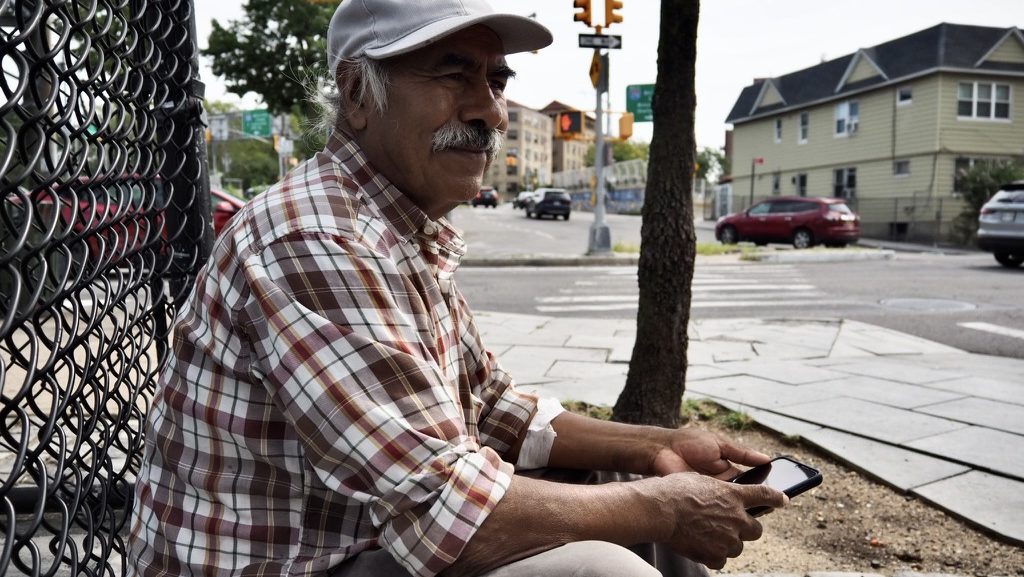
The man from Burkina Faso and Rabbi Laurent leaned forward on their elbows to hear each other better, and he crossed his arms in the drafty room, his hands tucked into his armpits for warmth. Although he was soft-spoken, he was eager to share his story.
He said the food at Delaney Hall was sometimes moldy, and served cold Friday through Sunday. He never got a full night’s sleep, he said. Guards summoned the detainees to be counted four times daily, including at two in the morning. He said he passed his time learning Spanish from the only reading material made available to them: rule books for the detainees published by GEO Group.
Back home, he worked as a truck driver. He relished the job, breezing down roads alone: “I’m a very independent person,” he said.
He left his village in Burkina Faso in May 2024 after an armed terror group threatened the lives and homes of residents who did not vacate their village within two days. After flying to Brazil, he traveled alone to the Texas border, moving mostly on foot through South and Central America, including through the infamous Darién Gap. He had temporarily joined a group of other migrants for that crossing, and recalls being held at gunpoint four separate times in the forest. He made contact with immigration officers almost immediately after crossing the border from Mexico to Texas, and asked to apply for asylum.
This July, 19 months have passed since he entered the U.S. He hasn’t spent a single day in the U.S. outside of an American detention center.
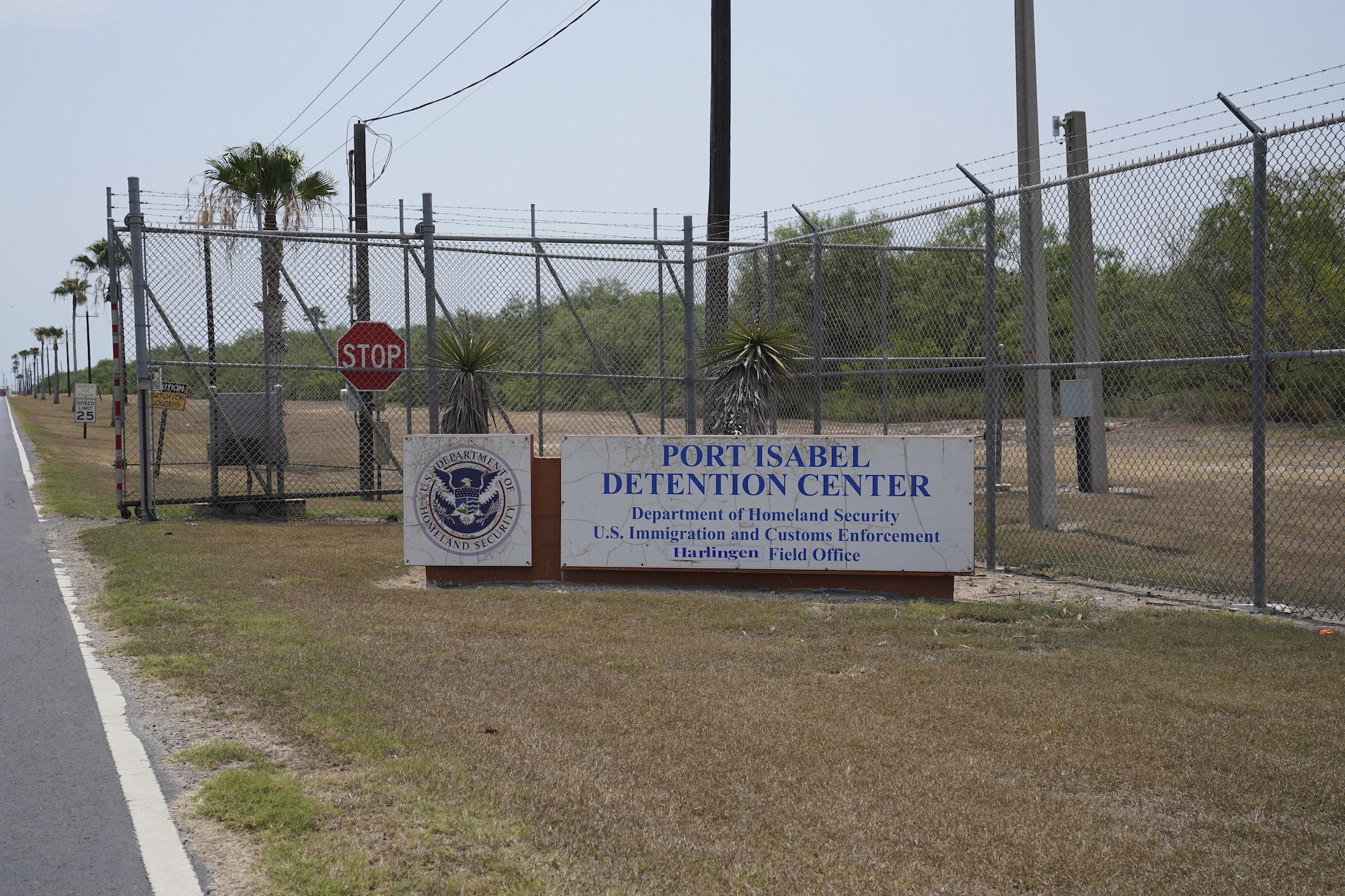
Before he was transferred to Delaney Hall, he spent seven months at Port Isabel, a notoriously unsafe detention center in Los Fresnos, Texas. Compared with Port Isabel, he says conditions at Delaney Hall are a little better — except for access to medical care. It took him a week to see a doctor for a bad toothache, which he said was a standard wait time no matter the illness. “If you’re so sick that you’re going to die within a week,” he said, “then you’re going to die.”
When Documented reached out to ICE, they directed the inquiry to DHS. GEO Group did not respond to requests for comment.
When Documented received a DHS response concerning the detainee’s allegations, they alleged that most of his claims were not true, writing in an email to Documented that basic living conditions in the facility were adequate, the center was not overcrowded, and that detainees were afforded contact with family and lawyers. The statement also denied that any detainees were beaten, and claimed that those in Delaney Hall have access to “full due process,” “a variety of reading materials,” recreational space, mental healthcare, and religious accommodations. The message urged detainees to self-deport, continuing that, “Being in detention is a choice.”
The DHS spokesperson did not specifically deny that people in their custody have been tear gassed and pepper sprayed indoors with vents off, have been awoken every night to be counted, are uninformed about their cases if they are without legal representation, or that detainees who have signed “voluntary deportation” orders have sometimes been held against their will up to months afterwards.
Still, the detainee Documented met with wasn’t alone in the conditions he described.
Letters from Delaney Hall
Between February and May 2026, Delaney Hall detainees released five letters, detailing dangerous conditions inside the detention center. They protested widespread lack of due process, including denial of requests for release on bond or habeas corpus petitions, rushed case decisions, and coerced signings of deportation or voluntary departure agreements.
In the second letter smuggled out of Delaney Hall to advocates last spring, signers wrote that “judges inform the detainee that they can purchase a plane ticket to return to their country of origin, but the ICE officer denies that possibility, evidencing contradictions among government officials themselves.” The letter continued, “there are cases of individuals who already have their voluntary departure signed and deportations approved by judges, waiting 2 or 3 months to be sent to their country of origin.”
It was amidst these conditions that detainees began a hunger and labor strike on May 22.
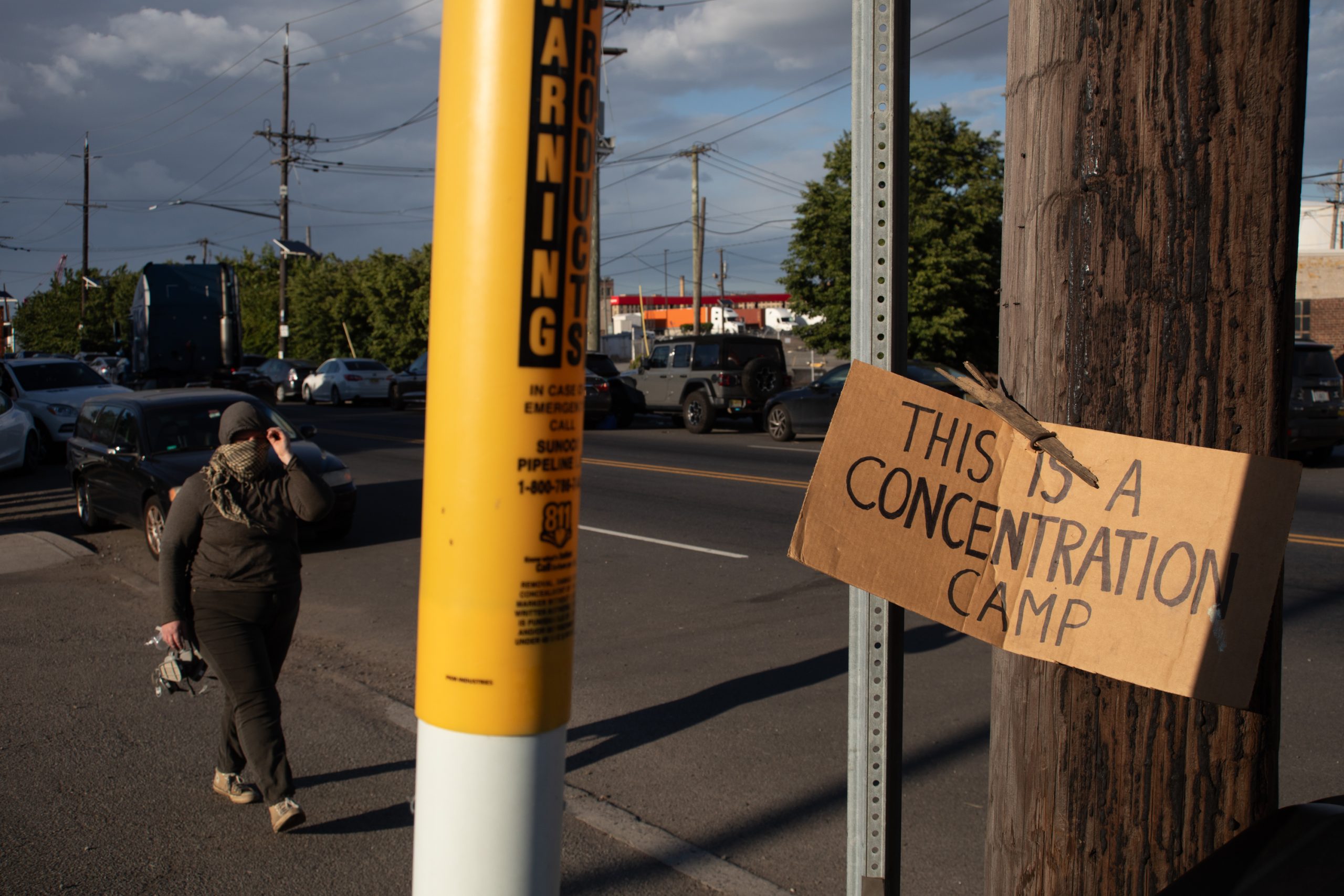
After the strike began, Rabbi Laurent was unable to visit her acquaintances in Delaney Hall. In what advocates suspect is retaliation for the strikes, prospective visitors to Delaney Hall must now be immediate family members. Detainees are also responsible for submitting a visitor’s full name, birthday, home address, and phone number to GEO Group before a visit.
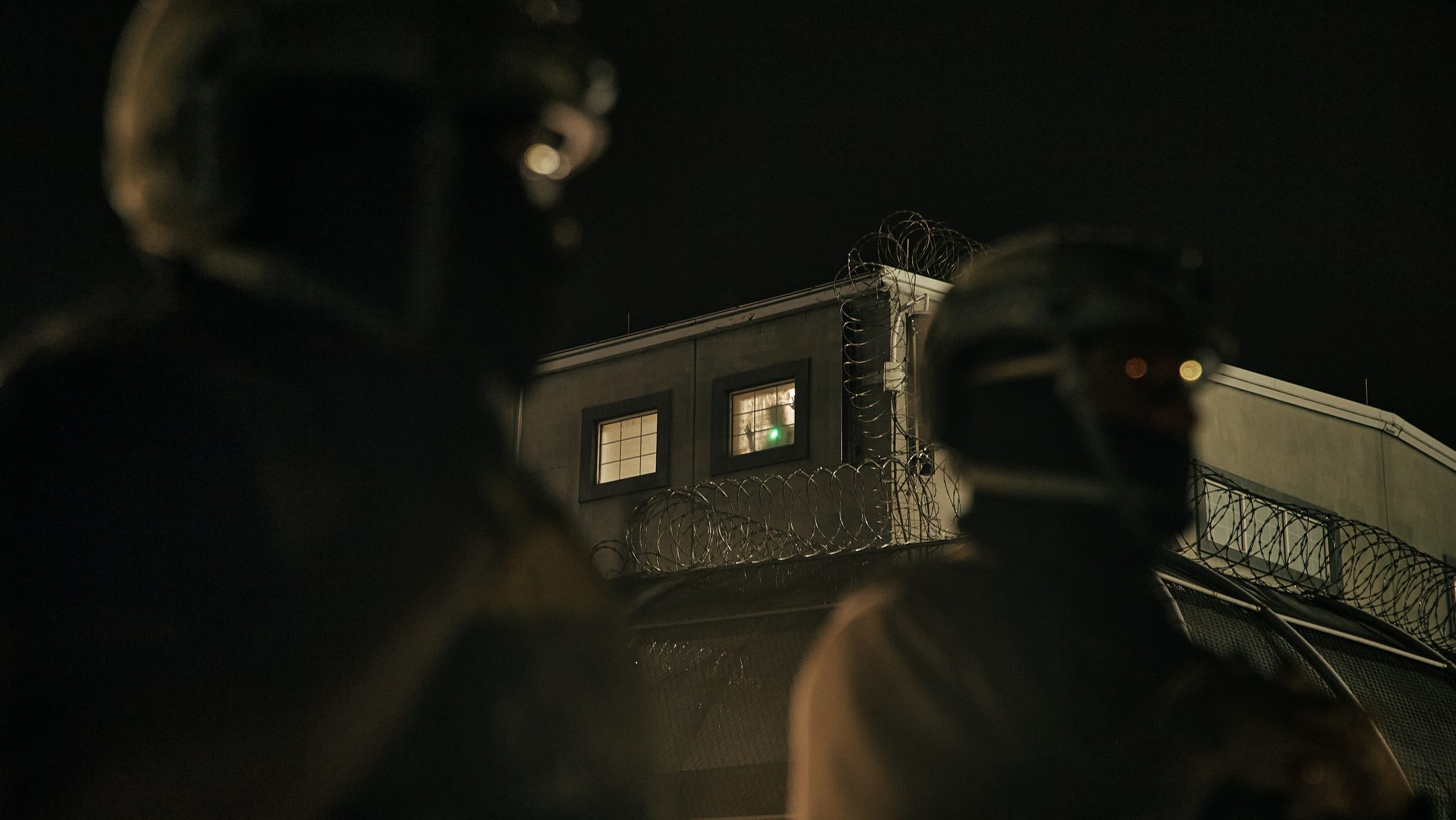
It’s unclear when the man from Burkina Faso will receive a decision on his case. But even after he is issued a decision, including a possible final removal order, it could still take months before he exits the barbed wire fence enclosing the driveway of Delaney Hall.
‘Why am I still here?’
Recent reports have indicated some people are held by ICE for months indefinitely without bond, even after a final decision on their deportation has been issued, or they have agreed to “voluntarily depart.”
Rev. Tanner observed, “more and more I’m seeing the situation where they pressure folks to sign a voluntary deportation order, they sign it, and then they’re still there.”
Like Rabbi Laurent, Rev. Tanner is among the faith leaders who have attempted to provide a compassionate presence for those locked inside. “I’ve met with several folks who are like, ‘Why am I still here? I did what they wanted. They said I was going to be able to at least get out of this place and begin to try to figure out what’s next for me.”
The future of the man from Burkina Faso in the U.S., and many others, remains murky. He hasn’t had an update on his asylum application or when he could be released, and has no lawyer. “I don’t have anybody taking care of me or looking after my case,” he said. (TRAC data through May shows that 79% of detained people across the country are unrepresented.)
Unfortunately, all of this is typical. “In criminal proceedings, you have a constitutional right to a state-appointed attorney,” Khandwala said. “So you actually cannot — and should not — represent yourself in criminal court without counsel. In immigration court, that constitutional right does not exist.”
“Removal proceedings are hard enough to navigate without a lawyer, even if you are not detained and you have all the time in the world,” she added.
In addition to being detained and cut off from support systems, the inability to work, enduring punishing conditions, language barriers, and having no access to phones or documents needed to prove one’s case, can all compound the immense difficulty of maneuvering through an immigration legal system. Incentivized to “resolve these cases as quickly as possible,” Khandwala says, adding that judges’ “performance matrices are measured by how many cases are denied.”
After the Fifth Circuit ruling against Trump’s policy of mandatory detention, detainees in that circuit were entitled to bond hearings until the same court reversed their ruling. But Khandwala said even that brief respite was tempered by the reality of Trump’s overhaul of immigration courts.
Now, Khandwala says that even when a bond hearing is held, it can be denied for reasons that were “never, never, never found in the past.”
A week after the ruling, a judge denied a client of Khandwala’s bond because of their alleged flight risk, even though they had no criminal past, she said. Many Trump-appointed judges are conducting what amounts to “a mini-trial on the asylum application in a bond hearing,” she said, calling it “unheard of.”
Meanwhile, the man from Burkina Faso awaits a decision on his own asylum application. “The isolation will drive you crazy,” he said. But he draws strength from his faith: “You have to believe in God if you want to make it … Because I’m a believer, I know I’m going to get out.”