


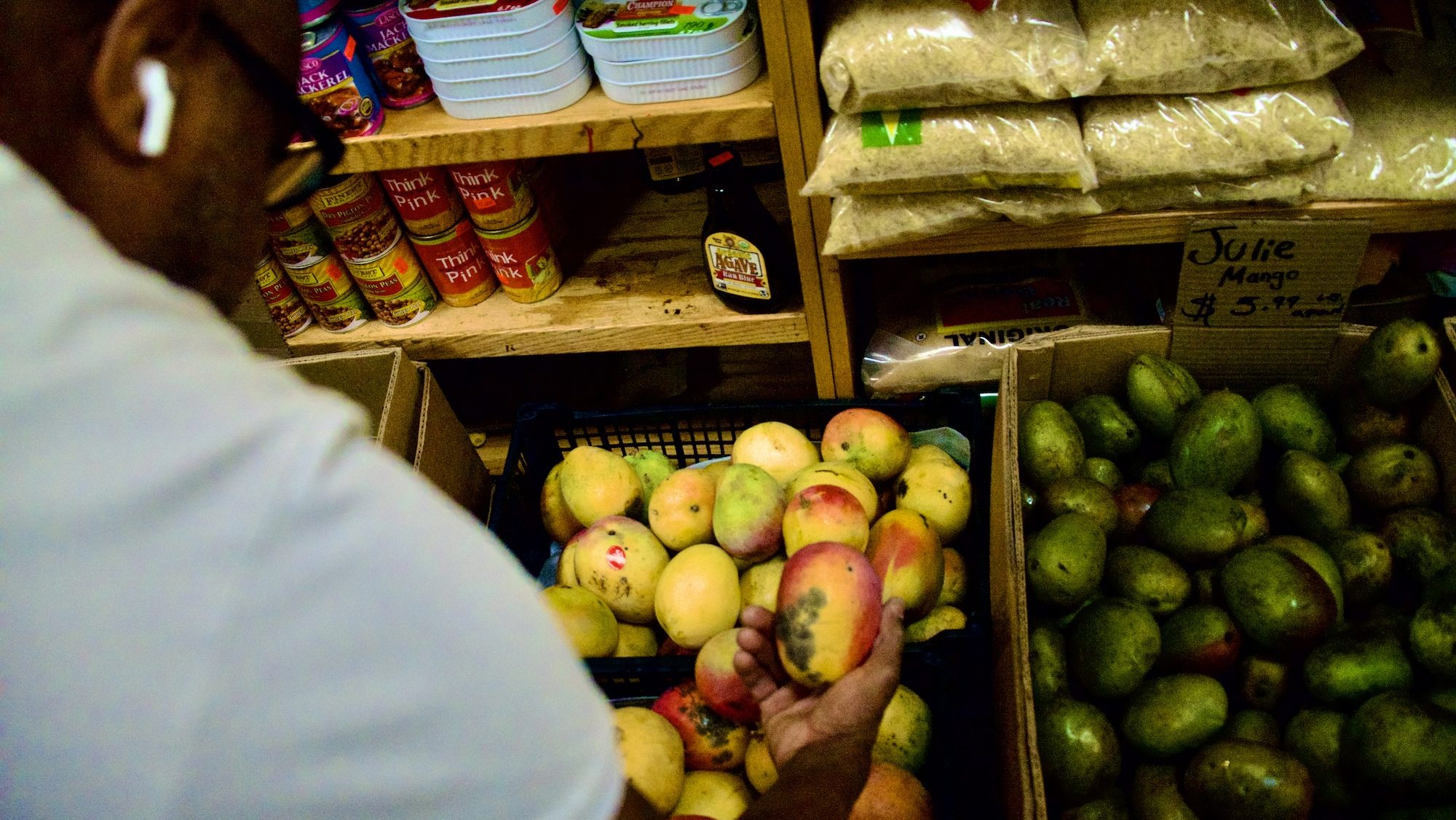


As a child in Pakistan, the only way Shahrukh Ali said he could endure the scorching summer heat was to eat three to four mangoes a day. The life-giving, juicy stone fruits were carted to his town by donkeys or horses.
To get his hands on peak quality mangoes these days, Ali needs only to step outside his restaurant, Kabab King, in Jackson Heights, Queens. “It is in our daily routine,” said Ali, who frequents Apna Bazaar and Mannan Halal Supermarket.
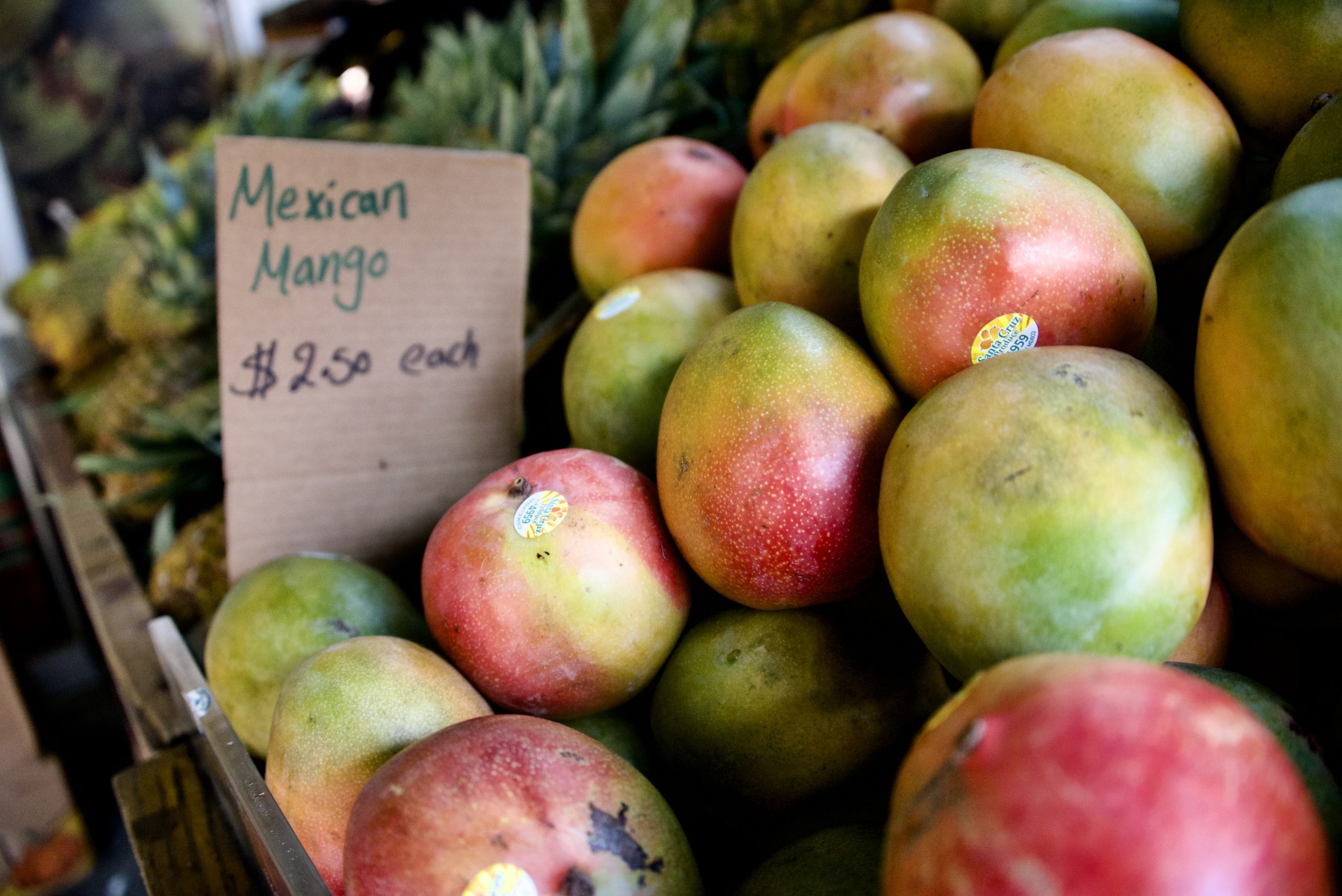
Each year, New Yorkers eagerly await mango season, which generally starts in May and runs through autumn. But this year, locals — especially those in Queens — say mango mania has been even greater, as U.S. demand for the tropical stone fruit continues to hit all-time highs.

But not all mangoes are created equally. Some varieties of the fruit — ones that are more challenging to find in the U.S. — have caused a frenzy at fruit stands and small grocers across the city. Certain kinds of Indian mangoes can fetch upwards of $60 a dozen — with increased demand and price fueled by popular social media trends, a more culturally-diverse consumer base and nostalgia for home.
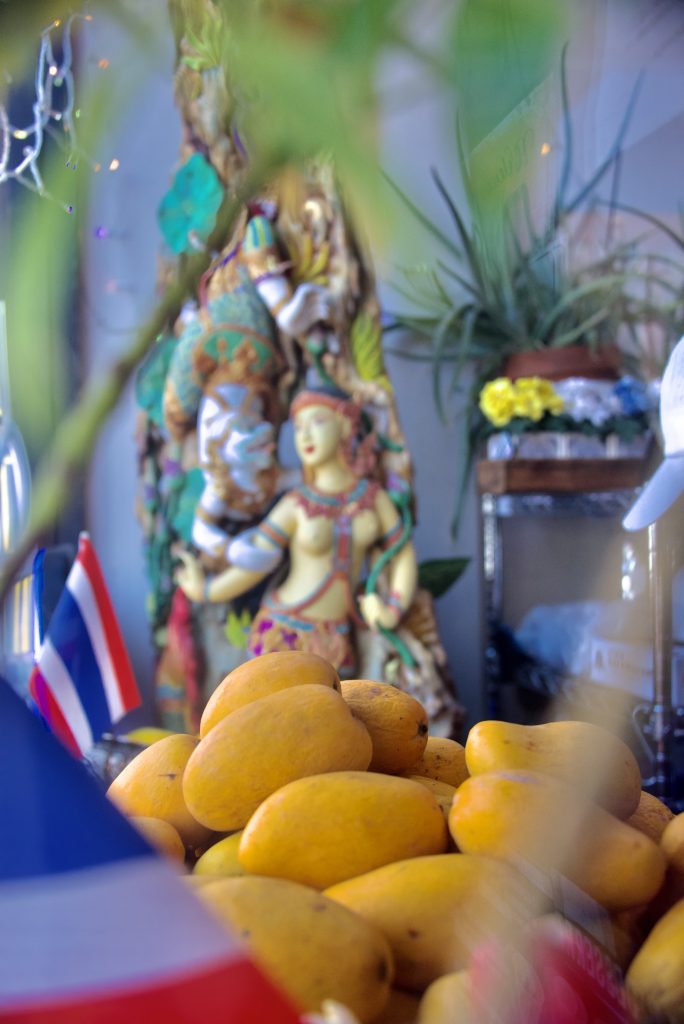
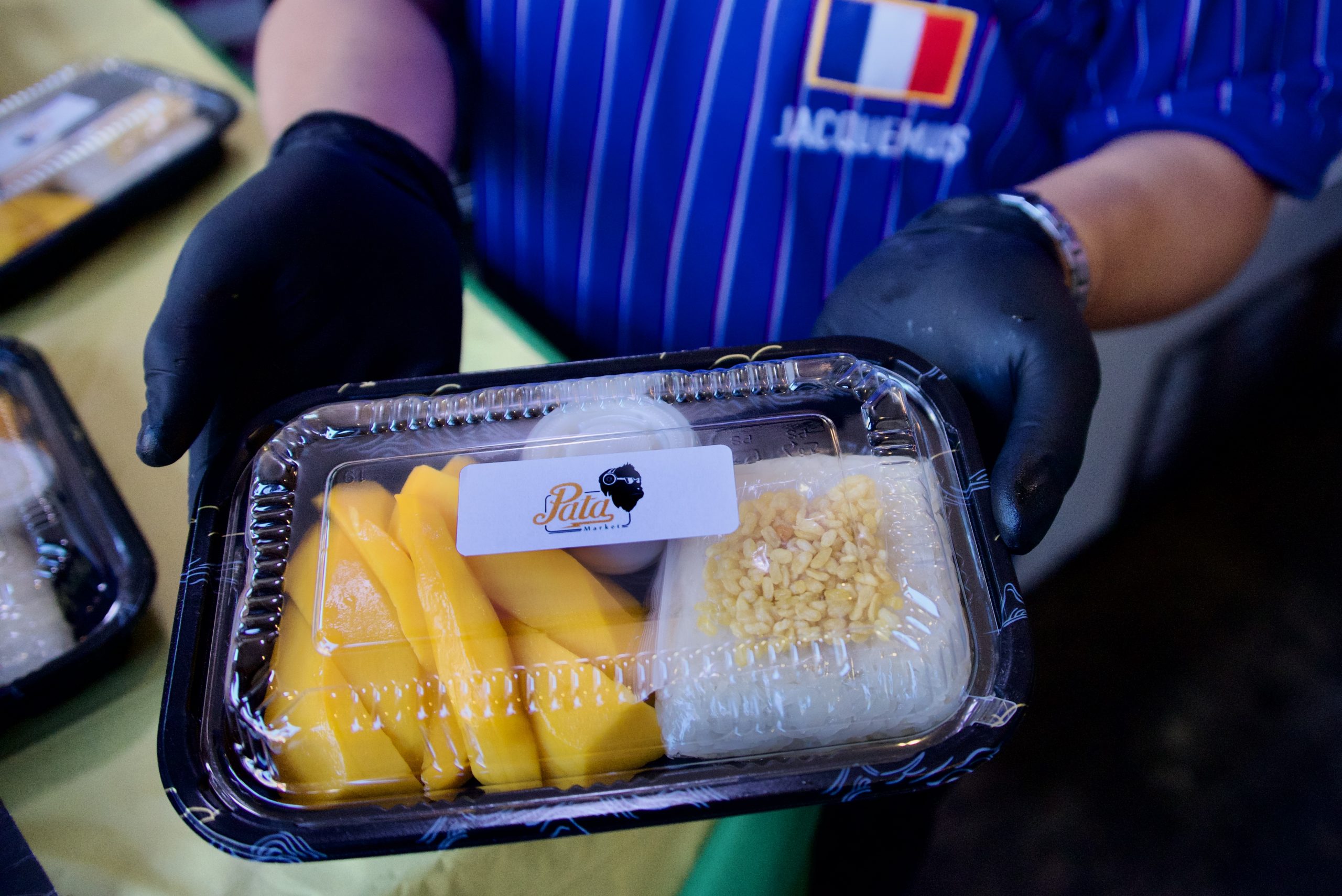
Though Pata Market in Elmhurst has carried mango sticky rice for years, the shop gained some notoriety on Tik Tok this year, when food influencer Mostasting posted a video claiming that the market had one of the best sticky rice desserts in NYC. Soon after, a line began to form out the door.
“We first started noticing the attention around April,” said Naratip Klinsrisuk, Pata Market’s owner. The store has traditionally served Elmhurst’s Thai community, he added, but now New Yorkers of all stripes are making the pilgrimage to Pata Market for the coveted bite. “It was exciting to see a traditional Thai dessert reach so many new customers.”
As foodies made the trek in droves to Elmhurst this summer, the online hype they generated helped other Queens locals, like Isabel Lucena, 29, become aware of a dish in their own neighborhood.
“How succulent the rice is paired with the mangoes,” Lucena said. “It’s really good to the point where I was coming back here every day for a week when I started [getting it].” Mangoes are the official fruit of the Philippines, where Lucena is from. And finding the Ataulfo mango, which is the kind that Pata Market uses, she said, is difficult.
While there are more than a thousand varieties of mangoes, a handful — including the Ataulfo and Kent mangoes — are commonly available in the United States, due to the fruit’s ability to withstand long-distance transportation and maintain post-harvest quality. That said, availability is one thing — quality of taste is another matter entirely.
For Klinsrisuk, it was a challenge to find mangoes with the level of freshness and flavor as those found in Thailand. “The climate here is very different,” he said. As summer — and mango season — draws to an end, the flavor profile has already begun to change.
When Lucena bought her mango sticky rice at the end of August, Pata Market’s staff gave her extra sweet coconut sauce, saying their mangoes were beginning to have a more sour kick. “[The staff members are] pretty nice because they adjust the taste,” Lucena said.
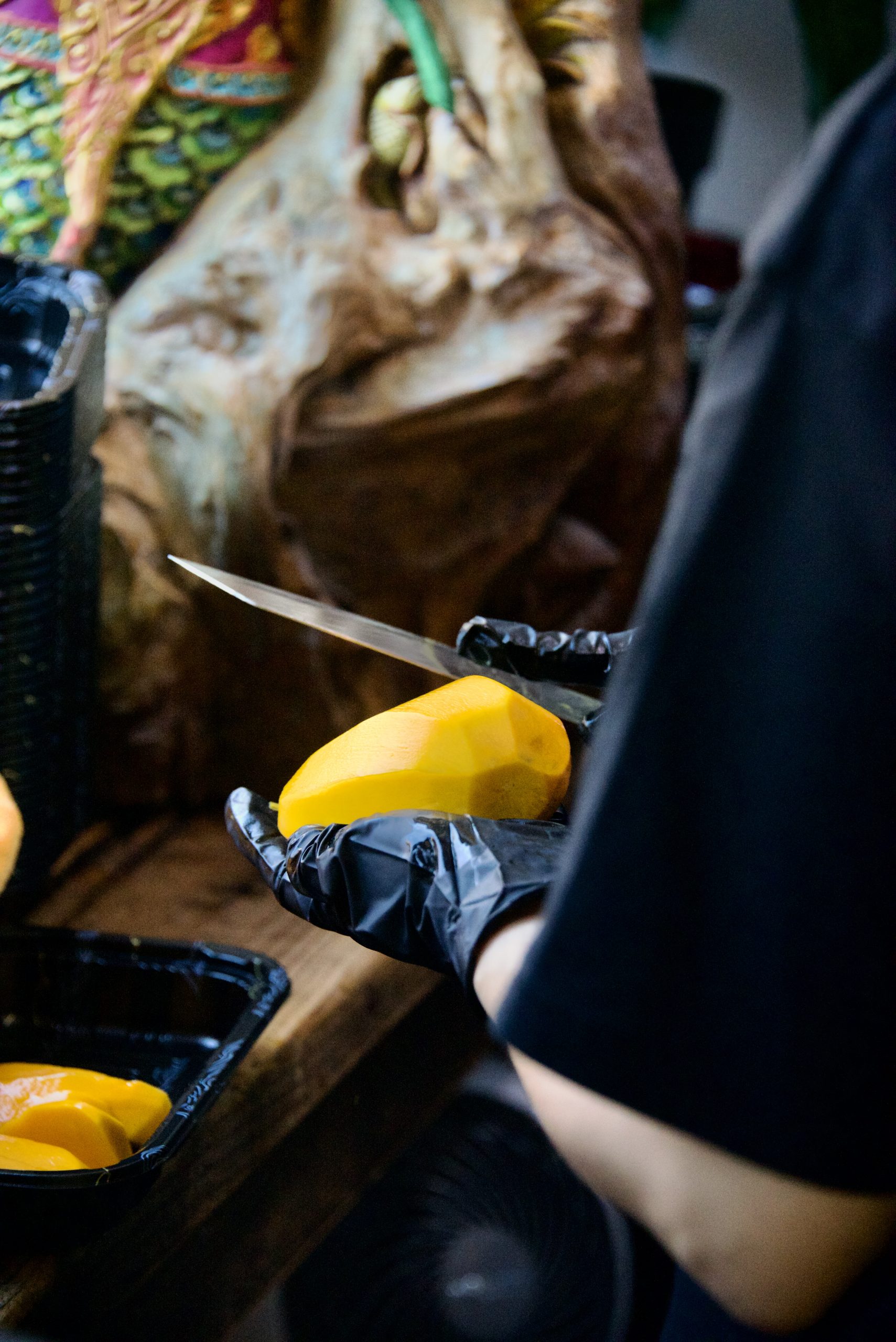
And while the sumptuous, rich flavors of the mangoes may be fading, the lines of people waiting to buy them have not waned for the city’s most dogged mango suppliers.
In Brooklyn’s Little Caribbean, Labay Market remains the “mango mecca.” Store owner, 65-year-old McDonald Romaine — better known as “Big Mac”— started out more than 30 years ago, serving hard-to-find produce to the burgeoning Caribbean community, right out of his backyard. “I went back to Grenada and I saw all these mangoes ripe and falling on the ground,” said Big Mac. ”Over here, it was so difficult to get them.”
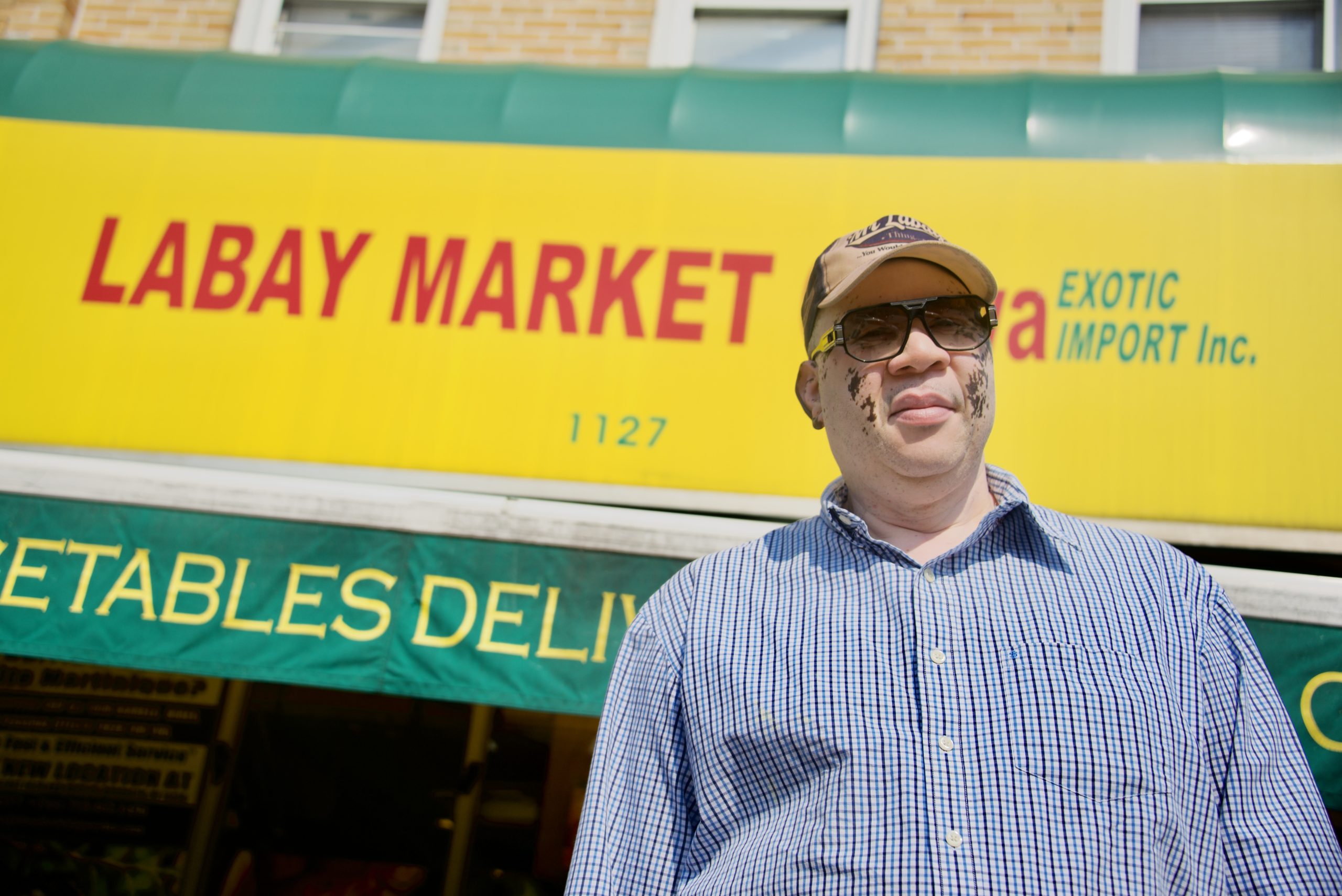
Labay Market found a corner storefront home in 2005, where it still remains. It continues to carry mango varieties including Ceylon and Julie mangoes, both of which are uncommon in the U.S., due in part to the long and circuitous route they take to get here: First the mangoes leave the Caribbean and are shipped to England. Then they are shipped back to the American south, before finally being driven by truck to New York.
Between constantly-shifting trade routes and complex produce regulations, it has not been an easy feat to consistently get Caribbean mangoes to Flatbush, Big Mac said. “We suffered a lot. But here we are today.”
Still, there are some mango varieties that remain out of reach. Customers say they miss the Haitian mangoes that Labay Market used to supply before ongoing armed conflict in Haiti made it impossible to continue importing the beloved fruit. The shop still offers much more in the way of authentic, Caribbean goods — soursop and other tropical fruits — than most U.S. supermarkets.
And each time Labay Market appears in the news, Big Mac says he gets a new wave of customers. “I don’t want to toot my own horn,” he said, “but I think we did a lot to raise the consciousness of people about mangoes.”
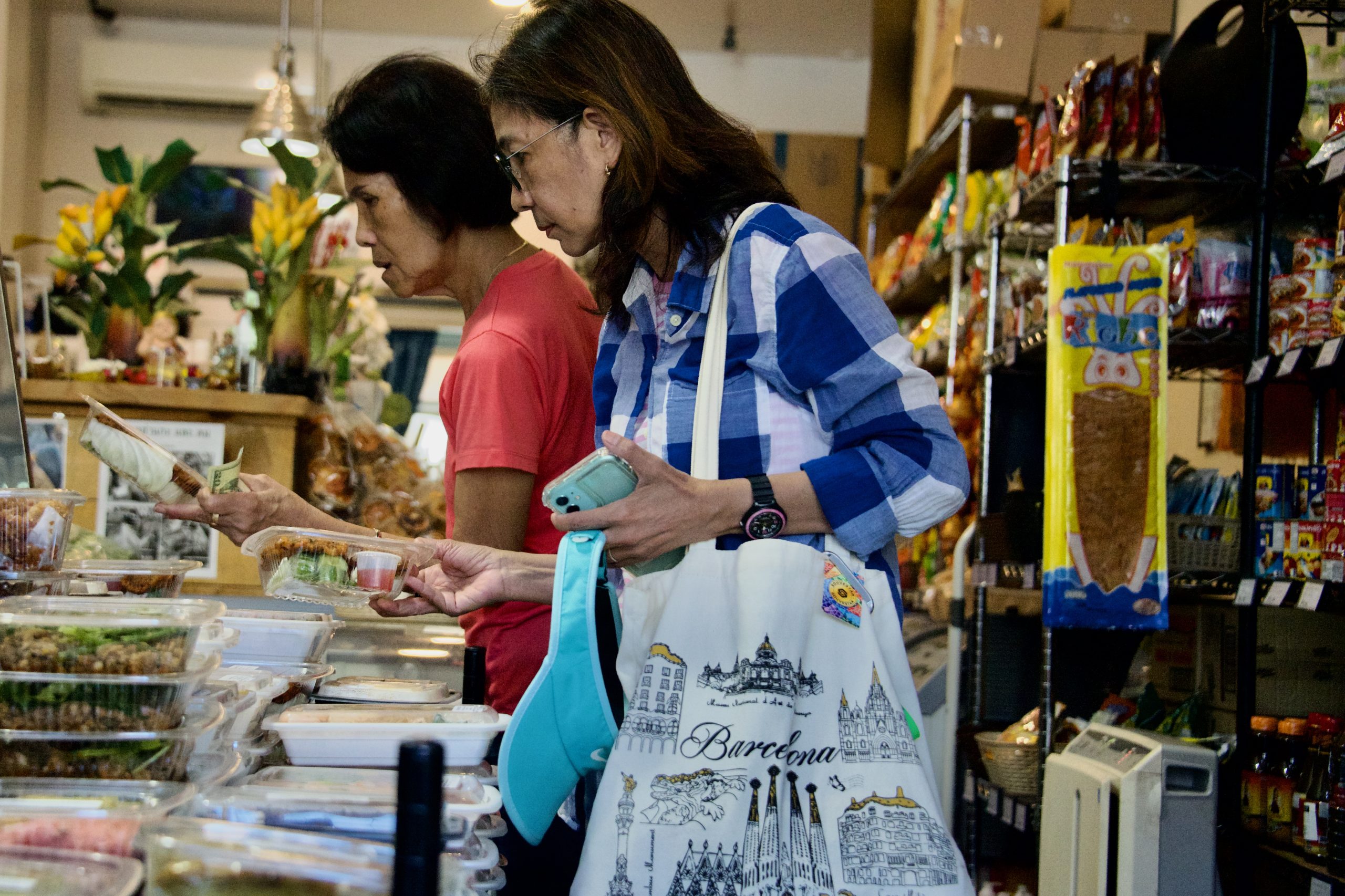
As the days grow shorter and the mango season comes to a close, locals in Jackson Heights, are still willing to line up and shell out $15 for a box of Kent mangoes — a variety native to Florida. For shop owner Ali, and many other South Asian New Yorkers like him, mangoes remain an important part of his identity, even after the mango mania dies down for the year.
“If you think of a mango, you think of the wilderness,” Ali said. But, he added, “this is ours.”