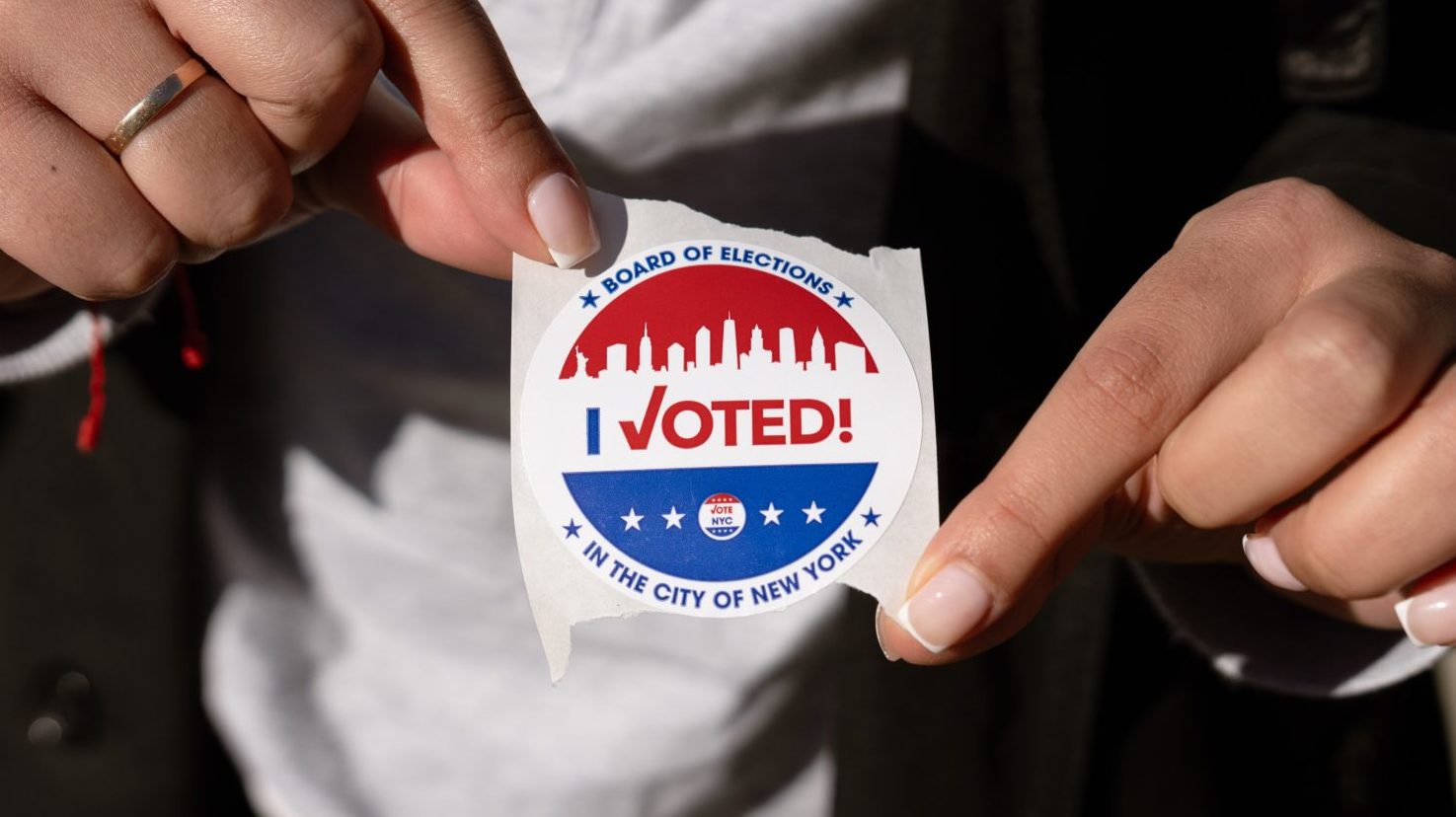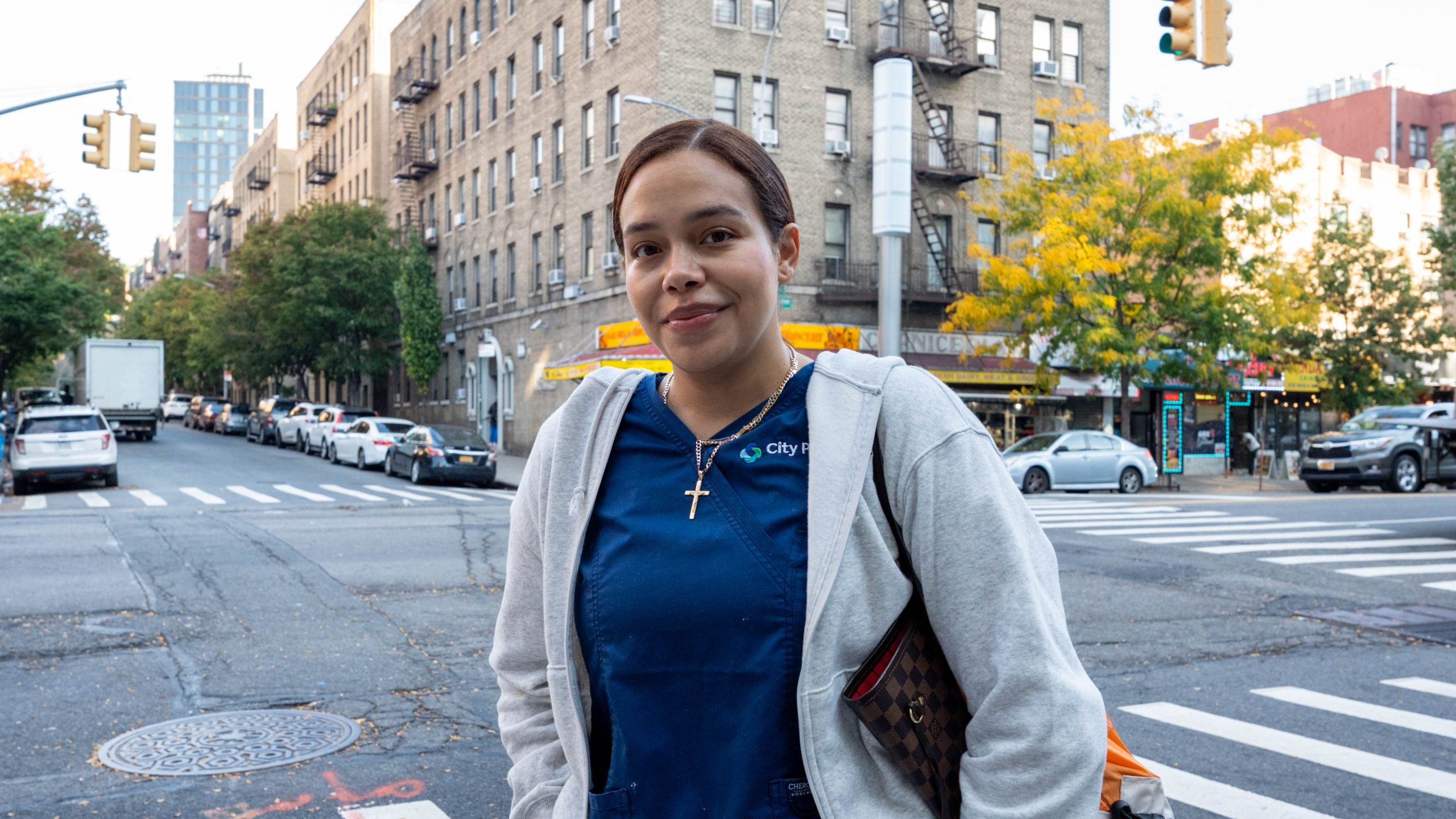


When Vianny Brito walks around the streets of Washington Heights, she said she is concerned about what her daughters — ages 4 and 12 — might see. Brito, who immigrated from the Dominican Republic 18 years ago, said she often passes by people who are openly getting high or using drugs. She says those encounters have made public safety her priority when she casts her vote in the upcoming midterm election.
“The children are like photocopies. They learn everything they see,” the 32-year-old Brito told Documented in Spanish, after dropping her children at school.
New York’s 13th Congressional District, which includes parts of Upper Manhattan and the Bronx, is set to elect its next representative on Nov. 3. (Early voting began on Saturday, Oct. 24.) The reliably Blue district is voting on the heels of a contentious Democratic primary, in which progressive Darializa Avila Chevalier unseated incumbent Rep. Adriano Espaillat, the first Dominican-American and first formerly undocumented immigrant to be elected to Congress.

The Democratic primaries were marked by accusations involving race and Dominican identity — both Avila Chevalier and Espaillat have Dominican roots. And while those interviewed by Documented continue to speak about the importance of Dominican identity — 28% of the district is from the Dominican Republic, according to Census estimates — residents said they are more concerned about improving conditions in their neighborhoods than revisiting the controversies that dominated the summer primary. Overall, they said they want their next representative to address public safety, cleaner streets, housing affordability and job opportunities.
During the summer’s primaries, voters told Documented they were mixed in their support between Avila Chevalier and Espaillat. And while ultimately, Avila Chevalier won the primary — ousting the incumbent by about four percentage points — those mixed feelings left the community stirred up.
In the summer, voters cited concern about comments that Avila Chevalier had made about the Dominican flag in 2022, where she condemned Dominican nationalism and called it “violent.” Tensions heated up when those comments circulated on social media and on popular Spanish radio stations like La Mega 97.9, where one of the hosts asked her on air to apologize for past comments about the “unification of the island” between Haiti and Dominican Republic.
Avila Chevalier called the accusations — both of her mistreating the Dominican Flag and wanting the unification of the island — as misinformation. She said she had only spoken about Dominican nationalism before promptly walking out of the interview. Politico reported that in 2018 Avila Chevalier tweeted that the island would have been free, Black and unified had the countries not separated.
“I came because I love my flag, and we have to defend it,” Rosa Castillo Rodríguez, 60, told Documented at the voting polls in June. “Espaillat’s opponent doesn’t want to know anything about the flag.”
She added that she took Avila Chevalier’s comments personally because the flag, along with the bible in the middle of it, represents her belief in Christianity. Rodríguez said that Dominicans are also family-oriented and believers. “She is the opposite of what Espaillat represents,” she said at the time.
But for Brito, who spoke with Documented in mid Oct., she believes that Avila Chevalier was speaking about the complex relationship between the Dominican Republic and Haiti, which share the island of Hispaniola and have a history of racial tension and discrimination.
“I think the comment she made was not to insult the Dominican Republic, rather than to say that [Haiti] is a neighboring country, and ask why there is a lot of hate toward them,” she said. “At the end of the day, every country has experienced migration.”
Brito, who works as a manager in a medical center, re-emphasized that her priority this election cycle is public safety. She said that residents who live in her building have persistently had their packages stolen, prompting her to write letters to the building superintendent to install a new gate at the entrance.
She said that instead of the government funding prisons like Florida’s Alligator Alcatraz — the immigrant detention facility that gained media attention for its conditions and violations of due process — it should put money toward safer streets and housing people.
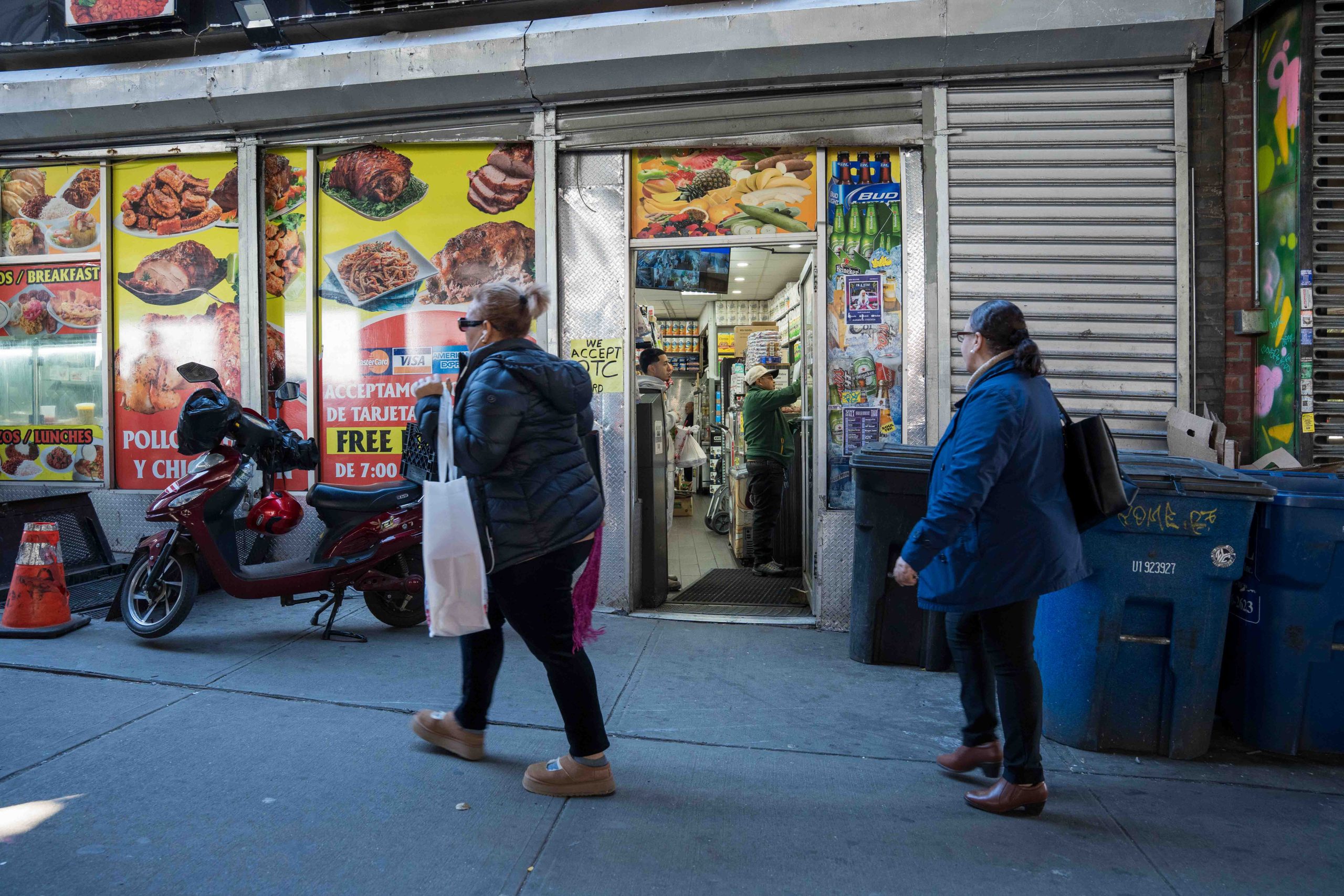
“Sometimes when I forget to buy groceries to make breakfast for the kids, I see at least six people [doing marijuana] between each building when I go out at night,” she said, emphasizing that sometimes she is afraid to go out at night.
Bélgica Valerio, 55, has lived in Marble Hill, a neighborhood that is legally in Manhattan but geographically in the Bronx, for eight years. And in 2024, she cast her vote for the first time. She said she voted for Trump because she felt aligned with his platform’s message about family and religion.
She said she also wants her next U.S. representative to advocate for programs that improve public safety and mental health among people facing housing insecurity.
“Right now it is a bit scary when one goes out because we see things on social media, like shootings and we do not know why,” she emphasized. “I understand that some have mental health issues but they [politicians] should take more control.”
When Valerio spoke with Documented on last Wednesday morning, she said she felt concerned after receiving a text from her daughter who had seen a man taking photos of a girl while riding the train. She said that incident was emblematic of the issues she feels need to be fixed in the district.
“There are people like us who go out to work and do not know if we will make it back home,” Valerio said. “Or what we will come across on the way back home.”
Neither Avila Chevalier nor the Republican candidate for New York’s 13th Congressional District, Manual Williams, responded to Documented’s requests for comments about their proposals to fund local projects to address public safety concerns.
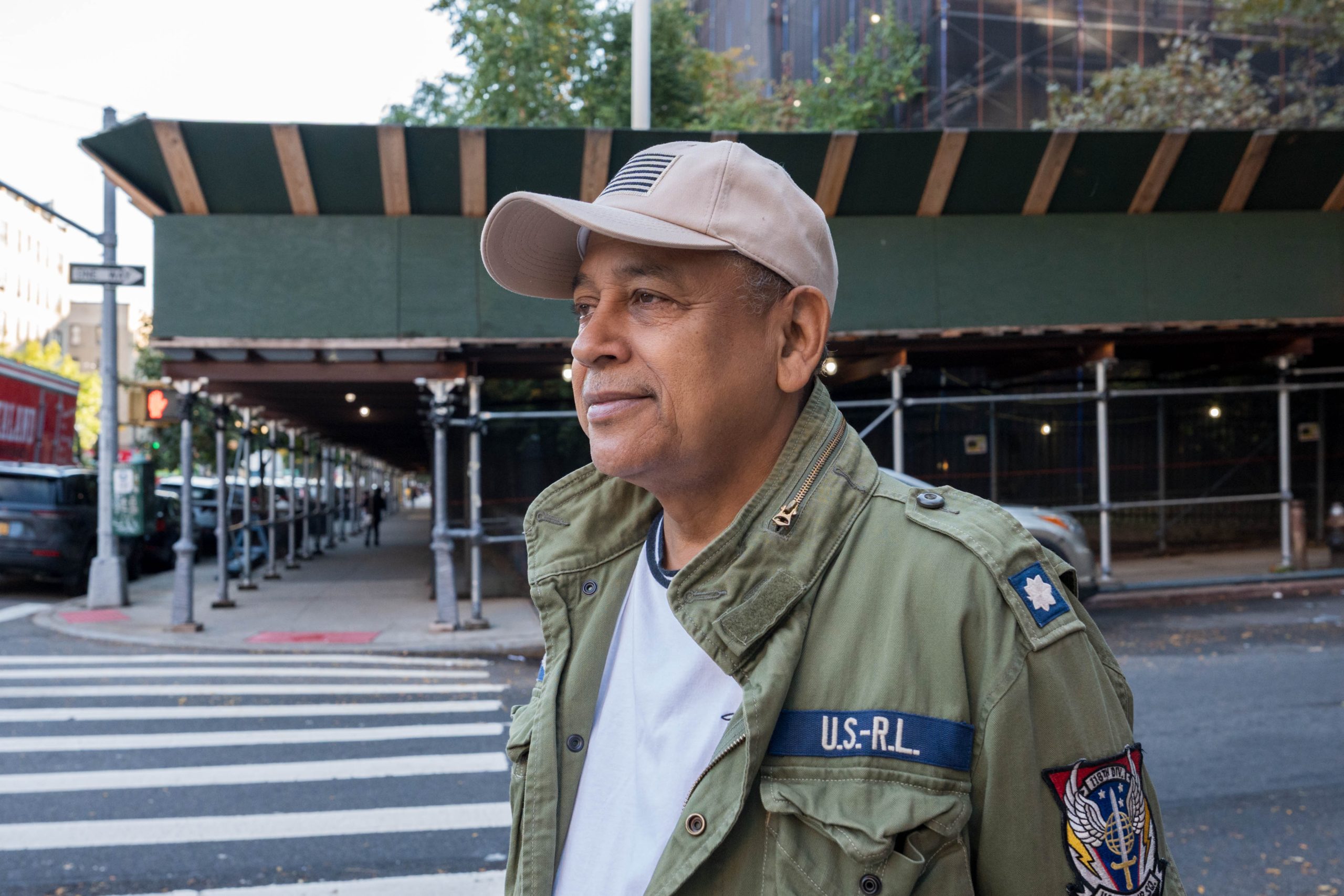
On October 20, New York City Mayor Zohran Mamdani announced the expansion of New York City’s Crisis Management System (CMS) to Bushwick, Harlem, Washington Heights and Inwood. The CMS teams — made of up individuals who are trusted in and know the neighborhoods — work to de-escalate conflict and connect people experiencing crisis with resources and networks that can provide job opportunities, mental health assistance and more.
“Public safety is strongest when it begins with prevention and when communities have the resources to resolve conflict, support young people and keep their neighbors safe,” Mamdani said during the press conference on Tuesday.
Carlos Marte, 47, who supported Avila Chevalier during the primary and plans to vote for her during the general election, said he supported Espaillat in the past. But, he said, he believes the congressman had moved on from local issues and focused too much on foreign policy that didn’t align with the needs of the neighborhood. “The community doesn’t want to get involved in Israel’s never-ending appetite for expansion,” he said. “They lied to the U.S. about Iraq and they are doing the same to Iran.”
Marte, who has lived in Washington Heights for nearly three decades, said some of his friends — including Hispanics who voted for Trump — have also expressed concerns about the cost of living.
“I think there’s gonna be a lot of Republicans and conservatives [voters] that are going to work with Democrats. They might not vote Democratic, but they probably are not gonna vote,” he said.