

The digital rights nonprofit Electronic Frontier Foundation (EFF) sued the Department of Justice and the Department of Homeland Security this week to uncover how the Trump administration pressured major tech companies to pull apps that tracked immigration agents.
In a suit filed on Thursday, EFF wants to force the government to turn over communications between officials from federal agencies and major tech companies like Apple, Google and Facebook, after apps like ICEBlock — used to resist and avoid immigration officials — were pulled from the app stores in October.
The permanently removed apps, which also included Red Dot and DeICER, as well as webpage ICE Sighting — Chicagoland, were part of an upswell of digital resistance activities to deportations, and crowdsourced reports of federal immigration agent sightings. The tools allowed users to anonymously report sightings, and filled the information void on where, how and when agents were detaining immigrants and others in the city. The apps helped immigrants and were seen by many as forms of community support.

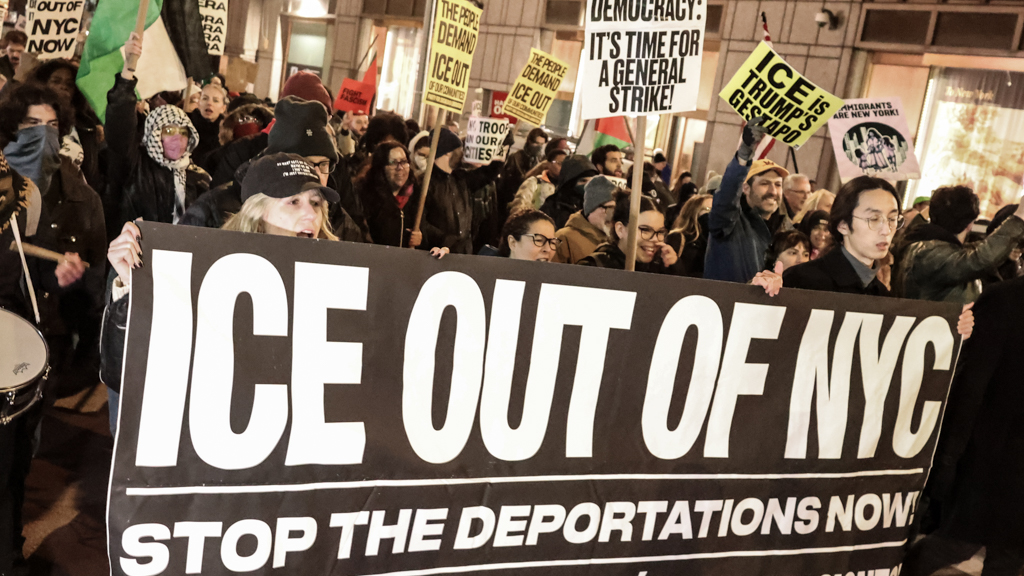
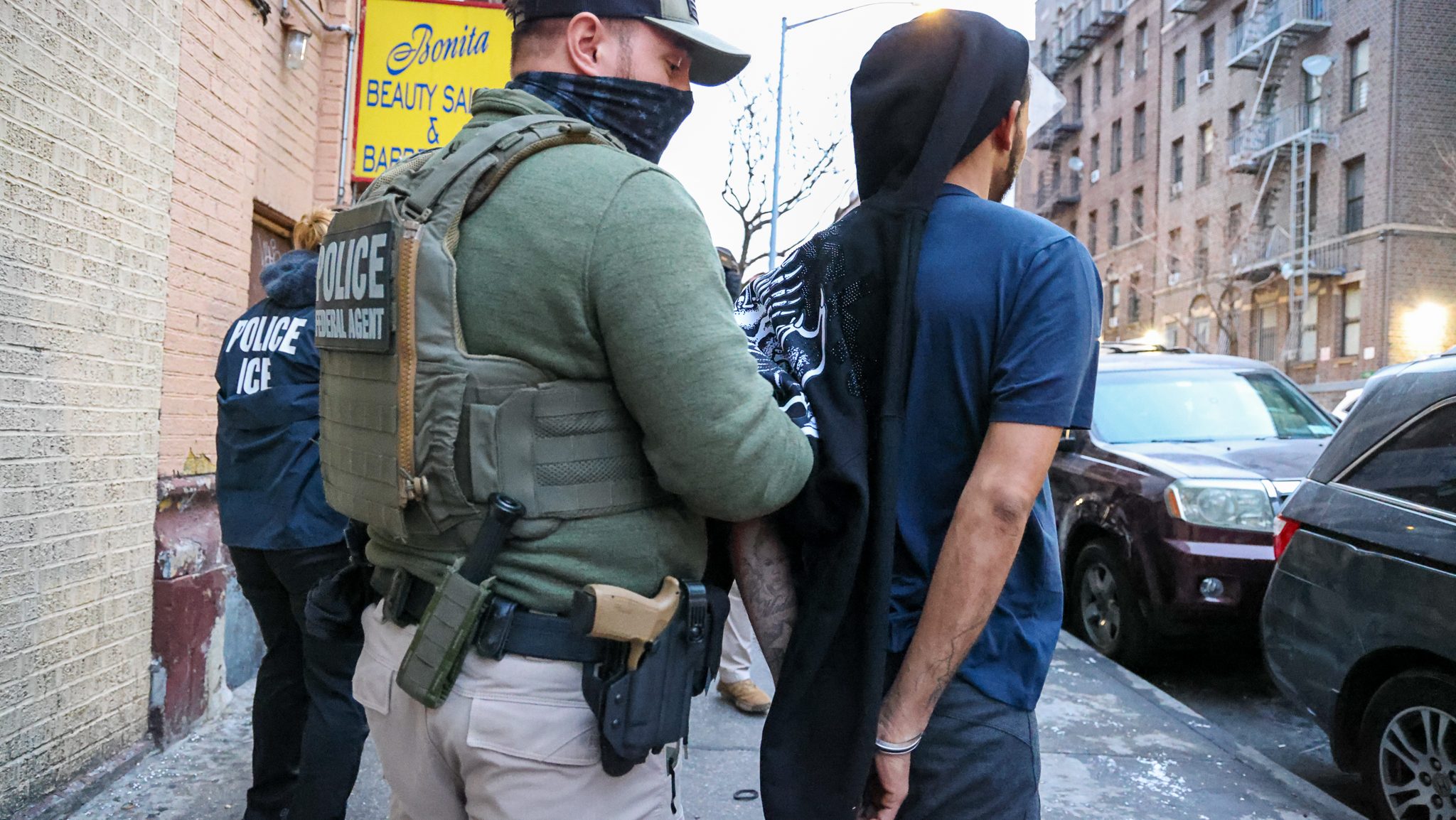
The call for transparency comes as immigrant detentions soar to record numbers and advocates scramble to report, verify and act on a rising number of federal agents sighted in New York. And on Wednesday, White House border czar Tom Homan promised increased enforcement in the city.
That’s why the lawsuit is crucial, said Mario Trujillo, a staff attorney on EFF’s civil liberties team.
“It’s important because people, whether you’re a citizen or you’re not a citizen, need to understand that they have First Amendment protections to record and document sort of the police abuses that are happening,” Trujillo told Documented.
It’s possible the government was in violation of the First Amendment, which prohibits coercing private entities to remove “lawful speech,” according to EFF.
Officials from DHS did not immediately respond to a request for comment on the lawsuit. Spokesperson Natalie Baldassarre of the DOJ declined to comment.
Most famously, ICEBlock — a free app downloadable on iPhone — came under direct attack by the Trump administration in June, two months after the app’s launch and when it had reached over 1 million users, according to reporting by The Guardian. The government claimed that such apps could be a danger to officers, and alleged that Joshua Jahn, who shot and killed an immigrant at a Dallas immigration detention center, had previously searched for the app and was targeting ICE agents instead.
“We reached out to Apple today demanding they remove the ICEBlock app from their App Store — and Apple did so,” U.S. Attorney General Pam Bondi told Fox News in a statement. “ICEBlock is designed to put ICE agents at risk just for doing their jobs, and violence against law enforcement is an intolerable red line that cannot be crossed.”
The creator of ICEBlock said they later received a message from Apple saying that “upon re-evaluation,” the app was violating app store guidelines against “defamatory, discriminatory, or mean-spirited content,” according to reporting by CNN. Apple, Google and Facebook also began removing apps from their stores with similar aims to ICEBlock.
Such communications are at the center of EFF’s lawsuit, which seeks to force the government to hand over documents it requested through the Freedom of Information Act (FOIA). In mid October, the organization filed four FOIA requests with DOJ, DHS, ICE and Customs and Border Patrol for the communications. While some have received replies, no records have been produced, according to court records.
Also Read: As the U.S. Was Shut Down, ICE Arrests Continued Without Documentation
Trujillo explained that “there’s a narrow line between permissible government persuasion and then unconstitutional coercion to remove First Amendment protected activity.” Such records would let EFF analyze the tone, and implicit or overt threats in the communications, he said.
Trujillo hopes that lawsuit will help demystify why the apps were deleted. But he also thinks that, more broadly, the suit is an important reminder to anyone who has been a victim of immigration enforcement, attended a protest or had a family member encounter agents that documenting encounters is protected by the first amendment.
“If you want to text or call your friend or relative and say, ‘Hey, avoid this area, there’s immigration enforcement,’ they need to understand that that’s protected activity,” he said. “And they can help protect their community by informing other people about what’s going on.”