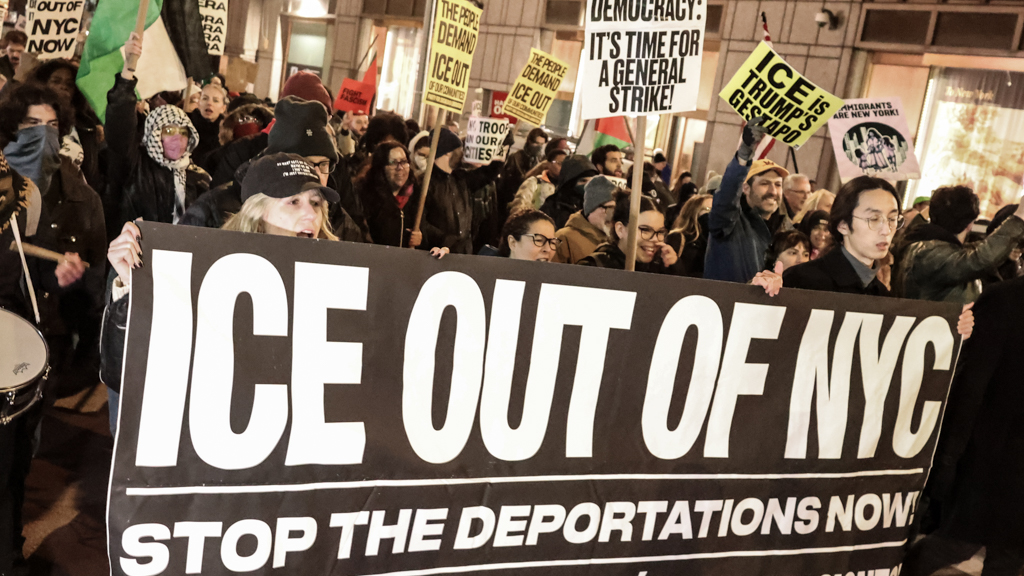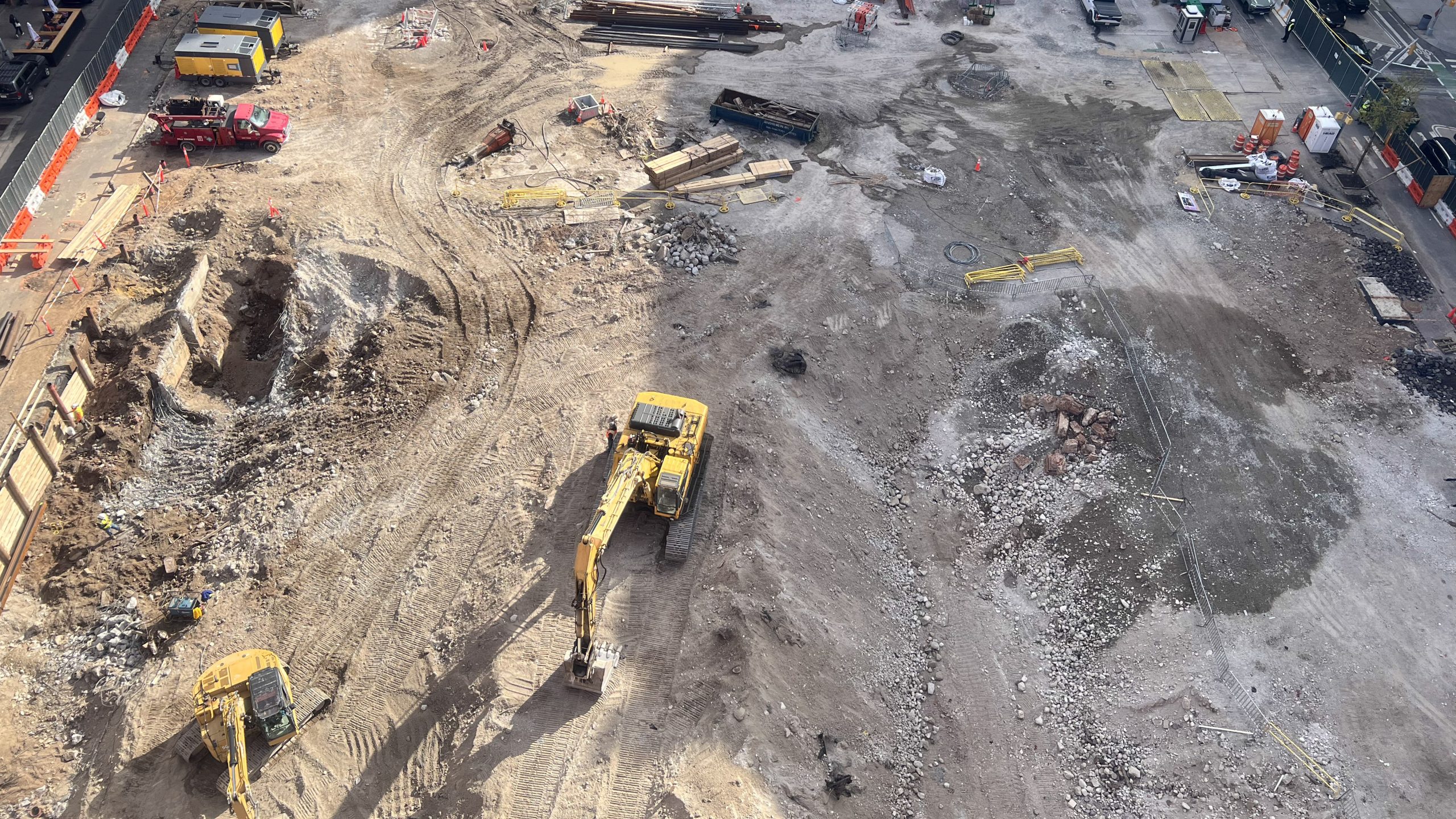


A controversial Manhattan jail project just got a little more complicated. This week, city officials paused plans to extend construction hours from 6 a.m. to midnight on weekdays following a series of conflicting notices that left Chinatown residents confused, frustrated, and alarmed.
Community advocates said the New York City Department of Design and Construction (DDC) initially informed them on April 15 that construction at 125 White St. would run for 18 hours a day on weekdays starting April 20, and would continue through the project’s projected completion in early 2032. The building is expected to become the tallest jail in the world once completed.
Just days later, the message changed. On April 17, the agency issued a weekly construction bulletin for the following week, listing only standard hours from 7 a.m. to 6 p.m during weekdays. Then on April 20, the day that the extended hours were set to begin, the City sent another notice canceling the plan “until further notice,” without explanation.

‘No explanation, no timeline, and no accountability’
The abrupt shifts have fueled confusion and frustration among local residents, many of whom say they first learned about the proposed construction schedule only days before it was supposed to take effect. Residents say they received little advance notice and were not meaningfully included in the decision-making process of the initial extended schedule.
Sam Raskin, deputy press secretary at City Hall, said in a statement that after-hours work can be necessary to ensure projects are completed as safely and quickly as possible. He added that the city is conducting additional due diligence on after-hours construction at the Manhattan borough-based jail site, which led to the prior permit for longer work hours being rescinded.
“They only gave us a few days’ notice. No way for you to prepare if you have children, if you have a person who’s at home and sick, you would have to enjoy this for the next six years,” said Jan Lee, co-founder of Neighbors United Below Canal (NUBC), a community organization opposing the jail project. “Chinatown was alarmed for five days over a schedule the city’s own documents didn’t reflect. And now it’s canceled — with no explanation, no timeline, and no accountability.”
The city argued that at a virtual kickoff meeting on Jan. 22, 2026, it informed the community that after-hours work could run from 6 a.m. to midnight on weekdays and from 7 a.m. to 5 p.m. on Saturdays between February 2026 and March 2032, though it did not specify when those extended hours would begin. The announcement drew strong reactions, and several participants were removed from the meeting after posting inappropriate comments.
At the same meeting, contractors Tutor Perini and O&G Joint Venture, the design-build team for the project, said extended hours were driven by logistics, safety considerations, and an aggressive construction timeline. Certain tasks, they said, cannot overlap during the day and must be carried out in separate shifts.
Tutor Perini and O&G Joint Venture also said at the meeting that it plans to implement mitigation measures, including perimeter noise monitoring in compliance with city rules, to reduce impacts on the surrounding community, while maintaining project timelines.
‘Do they expect us to take shifts sleeping?’
Concerns surrounding the postponed extended work hours are especially acute among the many elderly residents living next to the construction site.
Chung Pak Senior Housing, adjacent to the site, houses more than 100 seniors. Residents say they have already endured years of disruption during earlier stages of demolition.
“I’m really worried if they implement extended hours. It starts too early and ends too late,” said E. Feng, 76, who asked to be identified by a partial name for privacy. Speaking in Mandarin, Feng expressed worry about how seniors’ sleep would be impacted. “Some seniors already struggle to fall asleep at night, and with extended construction hours, it would be impossible to make up that lost sleep during the day.”
Feng said drilling vibrations at the construction site felt “like an earthquake,” and persistent dust has made it unpleasant to open windows.
Staff at the senior housing complex said the initial notice triggered strong reactions. “We are really against such long construction hours. Please think about the seniors who need extra care, and those who have mobility issues and have to stay at home 24 hours,” said Sam Ng, a super at Chung Park, in Mandarin. “It’s paused now, but we don’t know if it will come back.”
Judy Lei, community engagement manager at Immigrant Social Services, who attended a recent tenant meeting at Chung Park, said many residents first learned about the extended hours through Chinese-language media rather than directly from the city.
“The seniors were asking, ‘Do they expect us to take shifts sleeping?’” Lei said. “They’ve spoken out against this jail many times, but they feel like they’ve never been heard.”
The Manhattan borough-based jail will include 1,040 beds, span roughly 1,000,000 square feet, and rise about 295 feet with an additional 40 feet allotted for mechanical space. Since the plan was first announced, the project has faced strong backlash from Chinatown residents, who cite concerns about its impact on their health, safety and quality of life.
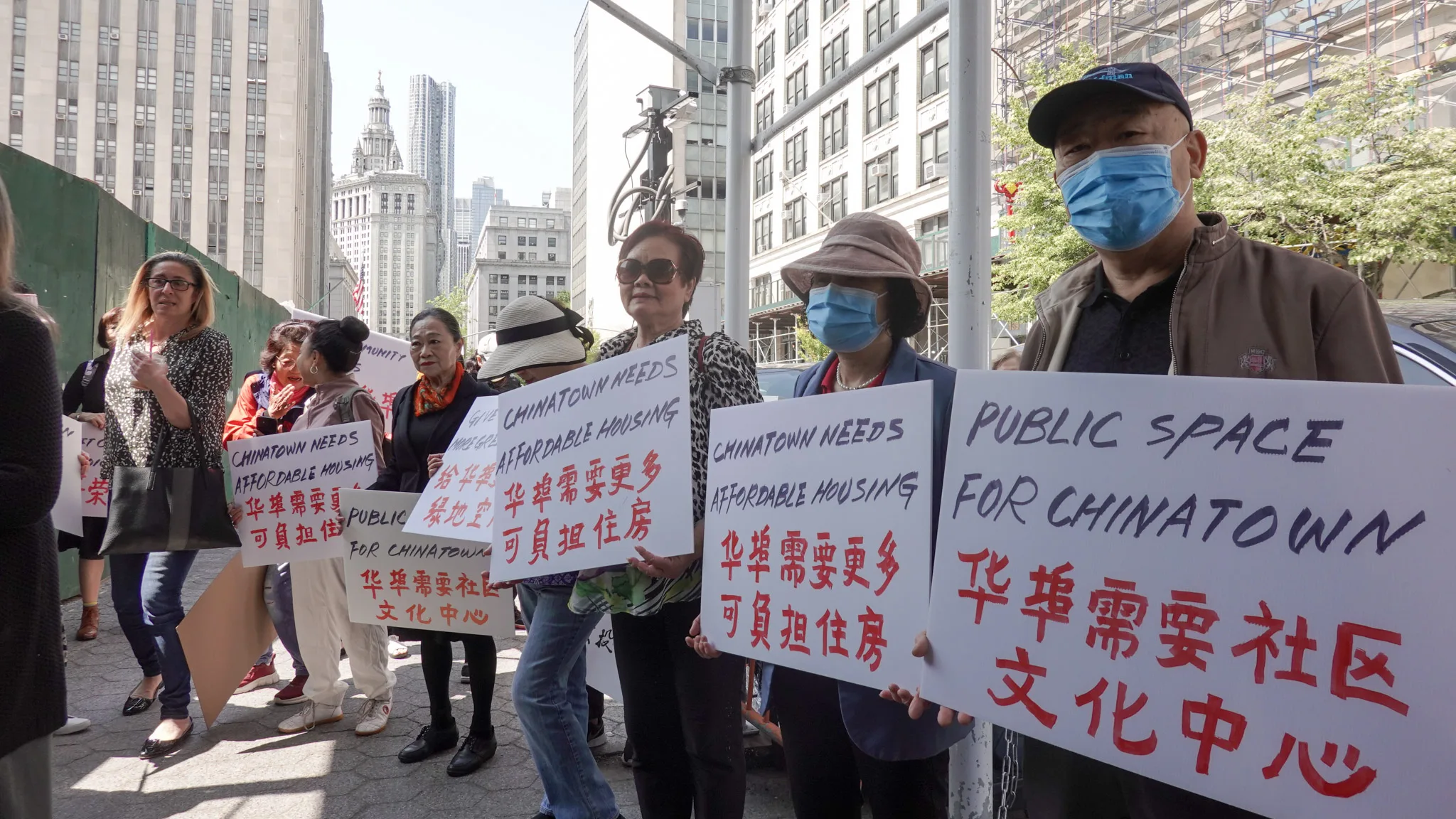
Despite that opposition, construction began in late January. The $3.8 billion project is now projected to be completed in the third quarter of 2032, about five years after the city’s legally mandated deadline to close Rikers Island.
Assemblymember Grace Lee, who represents Chinatown, said her office also received no advance notice of the extended work hours. “We heard about the extended work hours at the same time as the community,” she said.
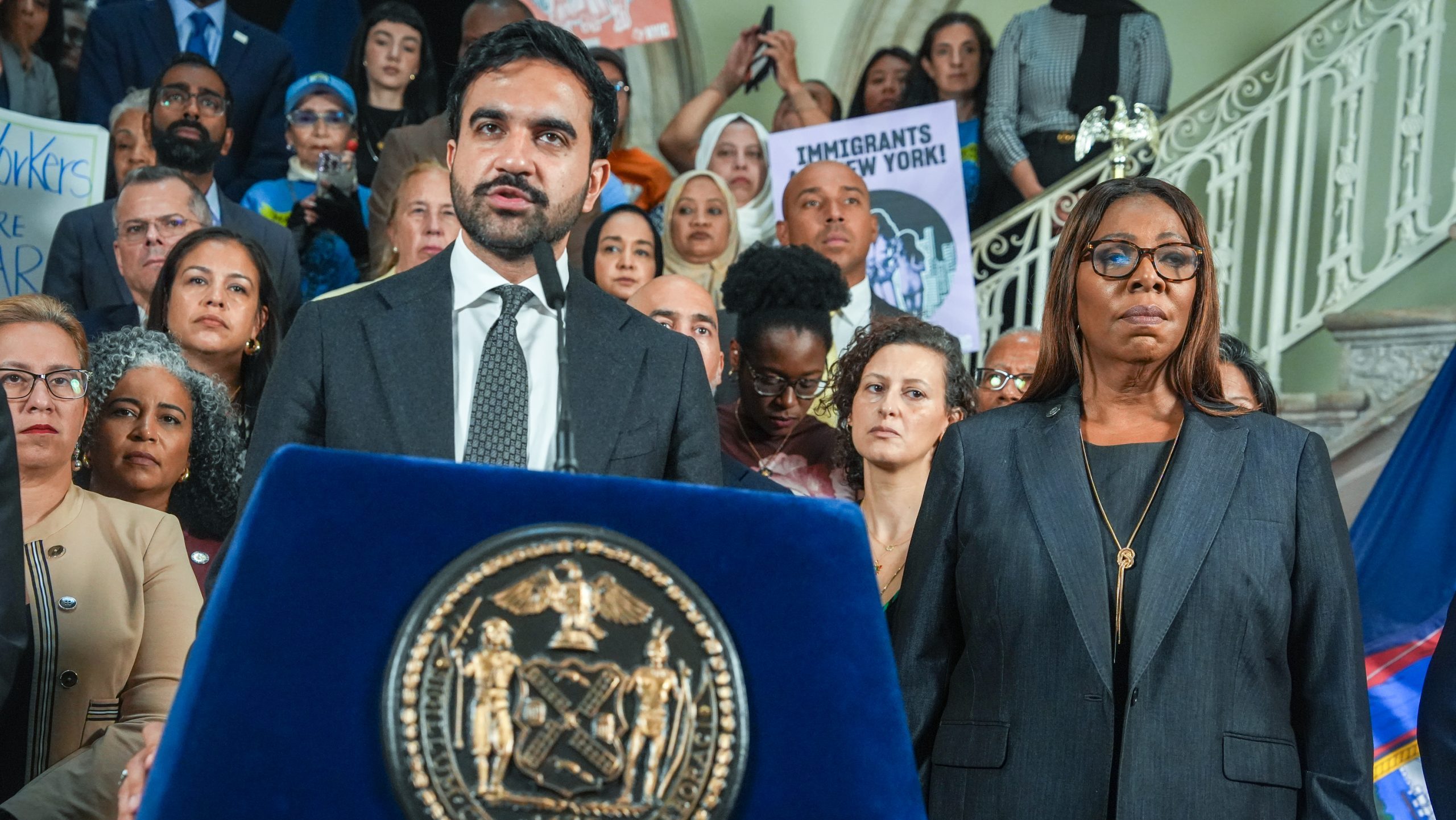
Lee said she spoke with Deputy Mayor Julia Kerson, who said the administration would “reset the conversation” and explore mitigation strategies. While discussions have been “productive,” Lee said the city has not yet provided a timeline for direct engagement with residents.
Lee said the pause appears to be a response to community and elected officials’ concerns but emphasized that extended hours are not a reasonable solution given the project’s cumulative impact.
“It is very inconsiderate to the sensitive community next to the site,” Lee said. “Our seniors at Chung Pak have already gone through so much, we need to reassess construction strategies to ensure they are protected.”
A question of compliance
The controversy has also raised questions about compliance with city rules.
Construction in New York City is generally limited to weekdays between 7 a.m. and 6 p.m. Projects seeking to work beyond those hours must obtain an after-hours variance and submit a construction noise mitigation plan.
Also Read: With Mamdani Now in Office, Chinatown Pushes Again for Affordable Housing Over Jail
According to the DDC, the Department of Buildings has indicated that city-led projects such as the borough-based jails may qualify for exemptions under Title 24 of the NYC Administrative Code, which allows after-hours work in the public interest. Such exemptions can remain in effect for the duration of a project.
A DDC spokesperson said that during the application process, applicants must explain why they qualify for a variance and provide details on the scope of work, proposed hours, and dates. If approved, the applicant must strictly adhere to the terms outlined in the variance.
However, NUBC argues the proposed schedule goes far beyond what was outlined in the project’s 2019 final environmental impact statement, which described only limited and occasional after-hours work. “Remember that the city council voted to approve all jail buildings, that was based on daytime work,” added Jan Lee.
For now, extended hours remain on hold, but residents say the lack of clarity is itself a burden.
“We don’t know if or when they’ll bring it back,” Jan Lee said. “It’s outrageous, we’re the ones bearing the brunt as the City tries to catch up.”
Raskin said senior City Hall officials met with local elected leaders last week, before the initial extended hours were pulled back, to discuss their concerns. “The community will be informed of any further developments about after-hours work,” he said.