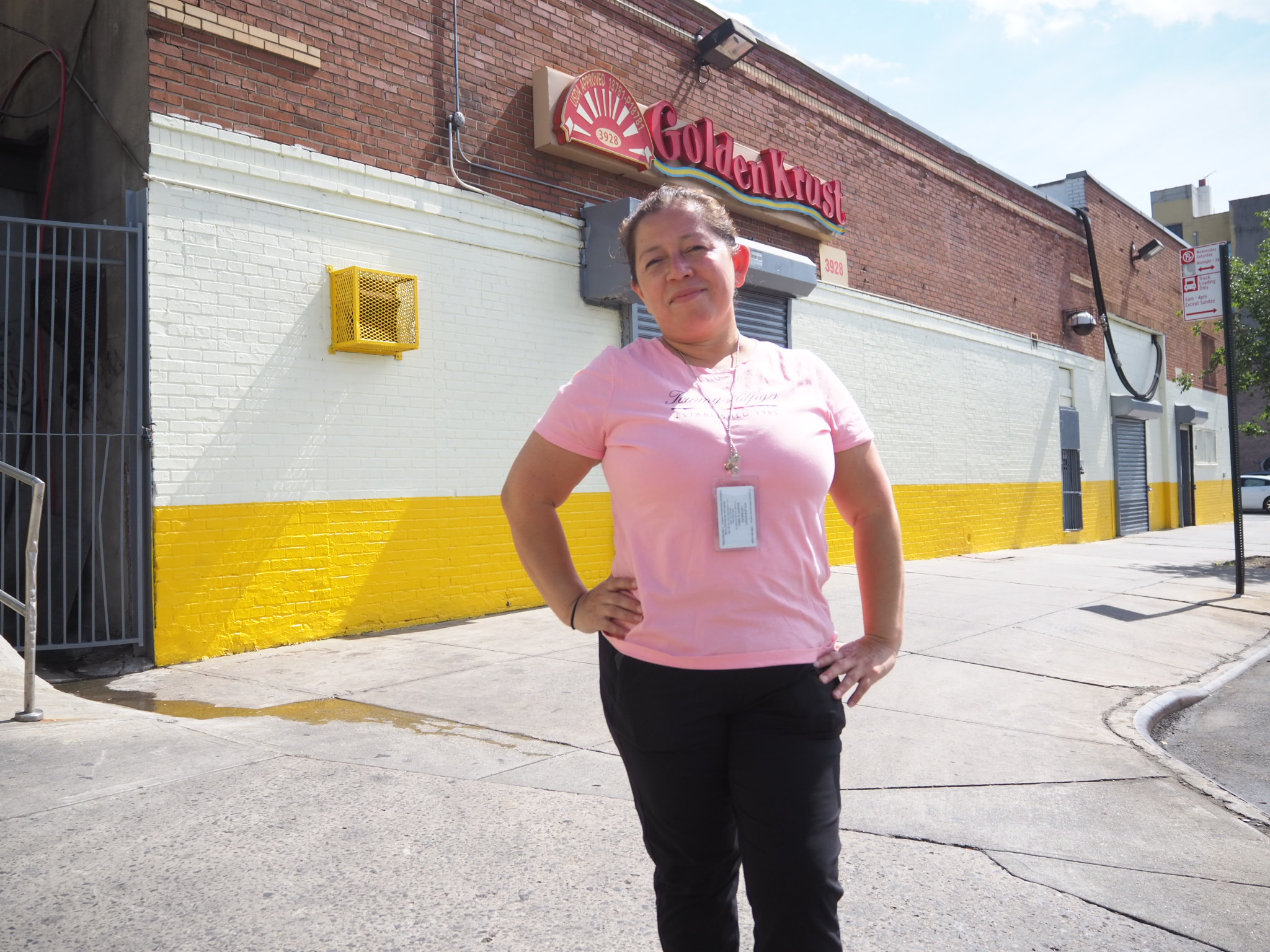


An elderly home care worker from Long Island who has called the United States home for 26 years. A biomedical engineering Ph.D. who grew up in New York. A business owner who first arrived in New York in 1996 and now employs dozens.
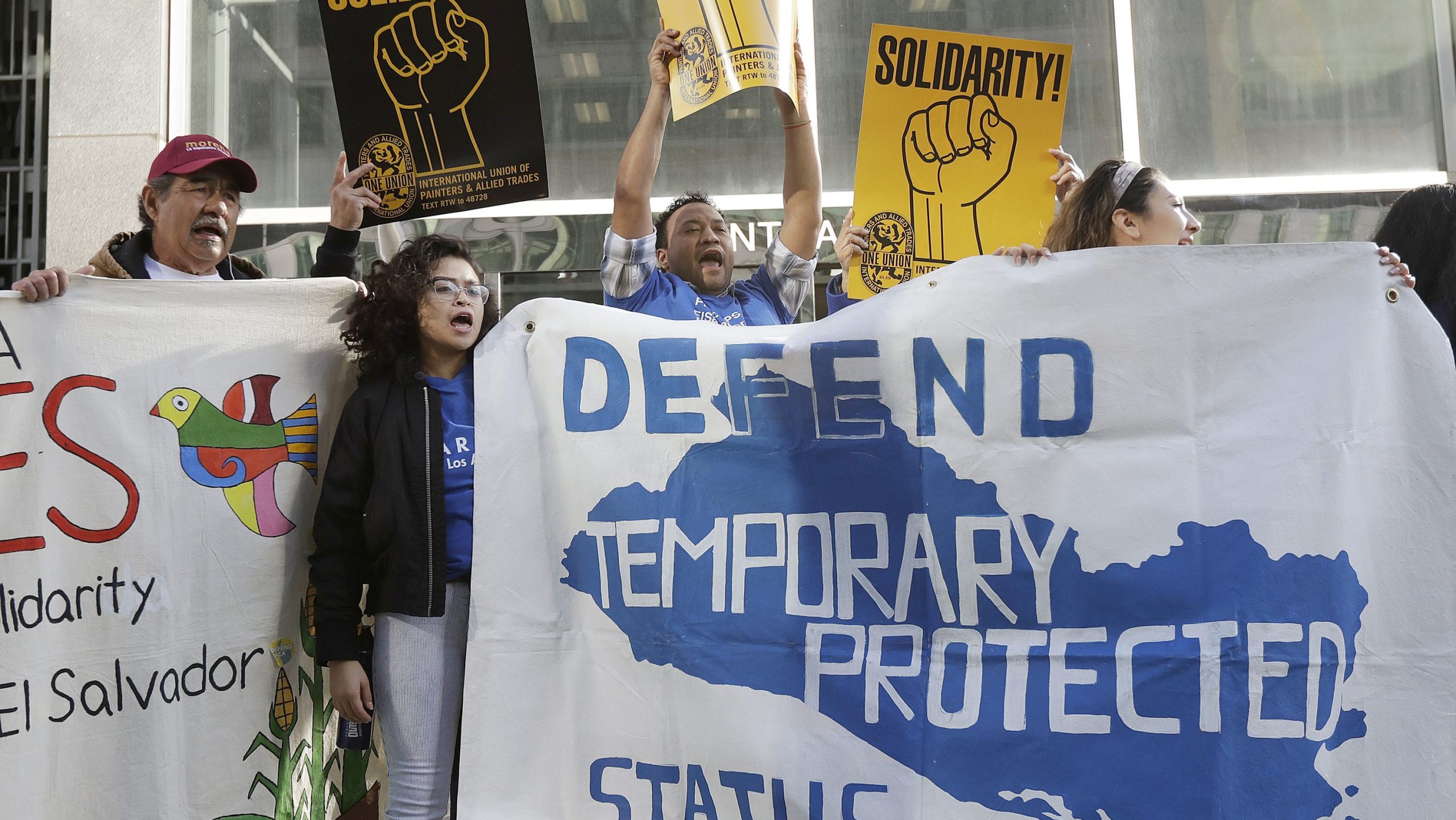
These are just three of the over 23,000 Salvadoran immigrants in the New York metro area who have been allowed to live and work legally for decades under a humanitarian protection called Temporary Protected Status (TPS).
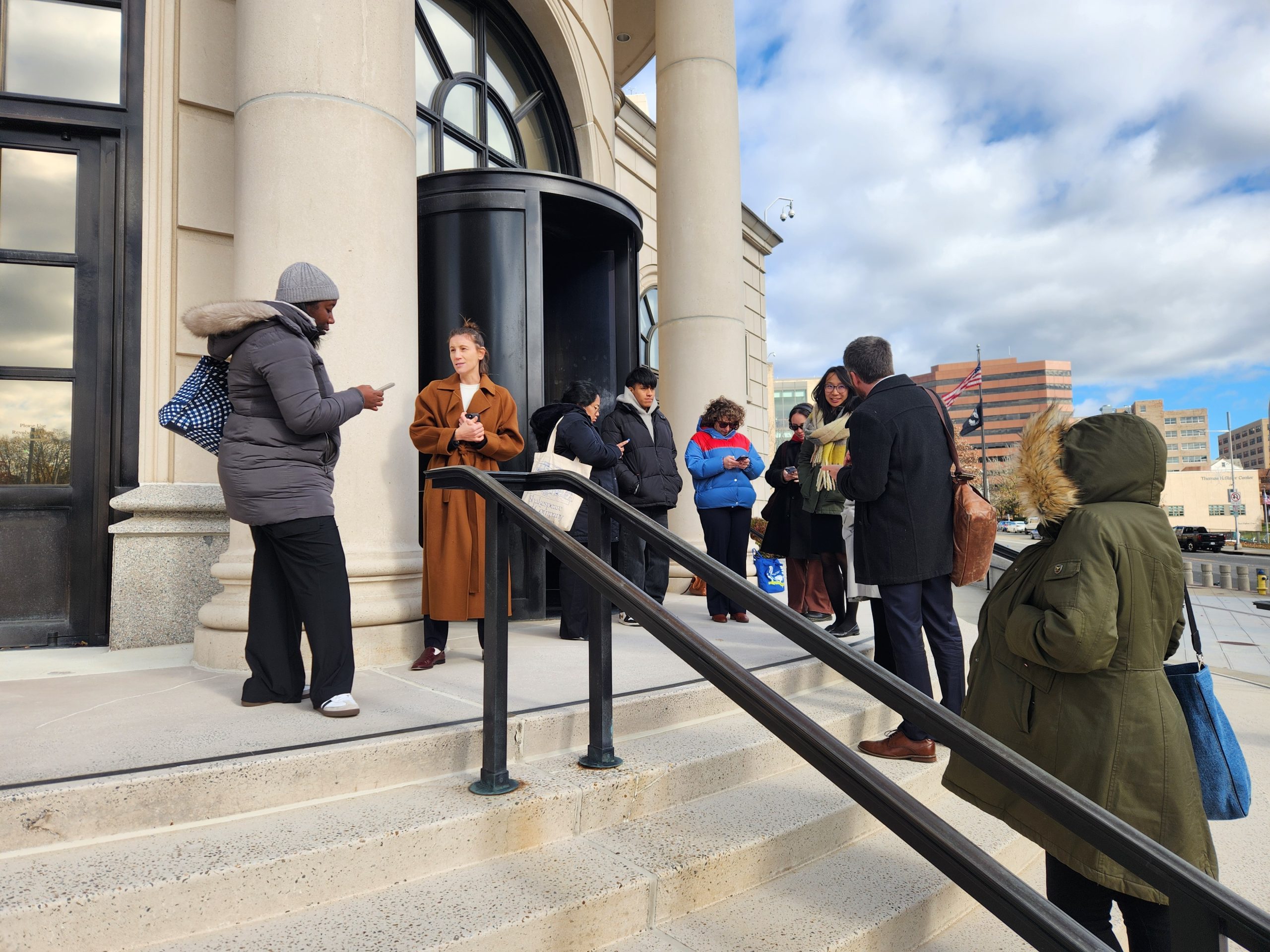
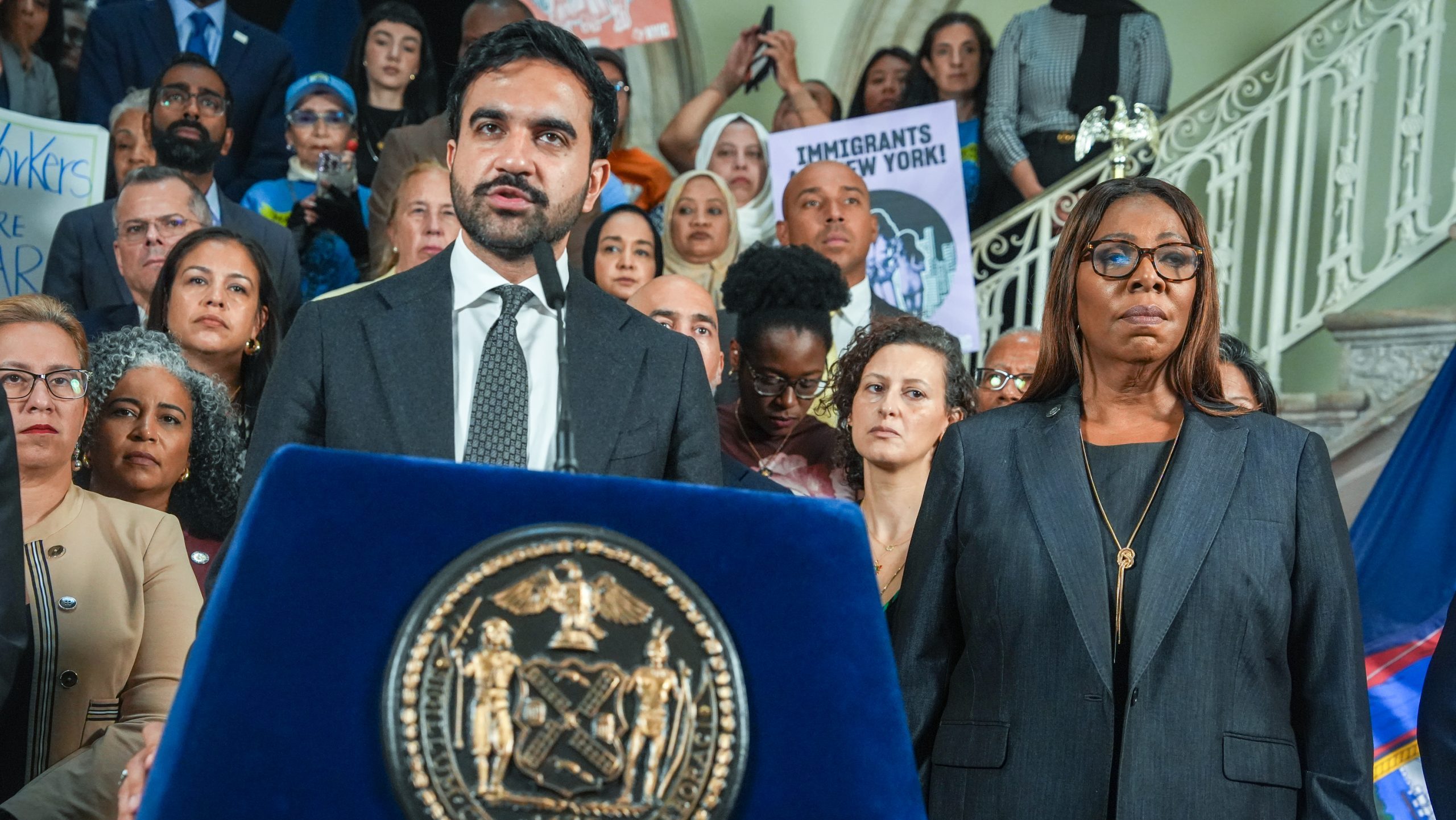
Their stories were shared during a press conference on Monday held by Congressman Tom Suozzi (D-NY) who is one of a growing number of New York and national politicians urging President Trump to extend TPS for Salvadorans who first arrived in the U.S. nearly three decades ago.
Because of the temporary nature of the program, TPS holders have had no direct path to residency or citizenship, even as they established their lives and families here. And when President Trump kicked off his campaign of mass-deportation at the start of his second term, Salvadoran and other TPS-holders found themselves in the administration’s cross hairs.

On Saturday, the federal government was expected to decide on whether they would extend the protections for the 170,000 Salvadoran TPS holders nationwide, but so far federal authorities have been silent.
Now, with the deadline for extension passed and less leverage than ever to push back on an adverse decision by the Trump administration, local communities of Salvadoran TPS holders and their elected officials are scrambling to fight for the TPS community’s right to stay in the country.
“How can I tell my customer that this government is not allowing me to finish their project because they think that I am a threat for them when all I’ve been doing is working and providing, paying local taxes, federal taxes?” asked Jose Urias, a business owner, who Zoomed into Monday’s press conference from the front seat of his car in Maryland.
Urias and other Salvadoran TPS holders’ protections are set to expire in the beginning of September.
“That’s what we’ve been doing: creating business, creating work,” Urias said. “And we have [a] hard time to run the business because I depend on bank loans. And to buy properties, we need loans. And right now I’m a risk for the banks. They don’t want to give us a loan anymore because they think I only have 60 days.”
Suozzi stressed that the issue for him is “very personal.” As a former mayor of Glen Cove, Long Island, in the 1990s, he saw his children grow up with the many TPS holders from El Salvador who make his community home.
Since Trump’s second term, the federal government has attempted to end over a dozen other countries’ designations for the program. Adding to the anxiety for the families impacted by the policy, the Supreme Court decided last month to weaken the ability of TPS holders to challenge future decisions that would make them deportable.
Because of this, Suozzi has sent multiple letters to Department of Homeland Security Secretary Markwayne Mullin demanding alternative off-ramps for Salvadoran community members which would keep them safely in the country and contributing to the economy. He also declared on Monday that they must fight for more awareness about TPS holders and what they have meant to their local communities — and convince Trump himself to save them.
“I agree with the president that we need to secure the border. I agree with the president that we need to deport violent criminals, but we also need to treat people like human beings,” said Suozzi, a known centrist. “And the idea of taking people like a young woman who came here when she was seven years old and is working full time and paying her taxes … and stripping away from them the only life they’ve ever known is just inhuman.”
Suozzi’s support has also been echoed by other New York City politicians such as uptown’s Rep. Adrian Espaillat, and other politicians across the country in California and Maryland.
On Friday, over 80 house representatives, including seven from New York state, signed a letter urging Trump to extend TPS for Salvadoran community members and not send them back to “a country beset by documented state-sponsored human rights abuses which does not have the means or capacity to support a diaspora of tens of thousands of people.”
TPS was created by Congress in 1990 to protect immigrants, regardless of immigration status, who cannot return to their country due to armed conflict, environmental or other natural disasters. Originally, it was created for and given to Salvadorans in the U.S. who had fled a bloody civil war lengthened by U.S. intervention.
Many of the same Salvadoran TPS holders who had fled civil war, as well as many others, then received the protection again after deadly earthquakes rocked the small Central American nation in 2001. While the designation was meant to be temporary, it was extended again and again for 25 years as the country suffered from severe gang violence and continued environmental upheaval.
“They went to grade school here in the United States of America, they said the Pledge of Allegiance, they sang God Bless America, they went to high school, they went to college, and now you’re working in your job, and … now you’re being threatened with being deported from the only place you’ve ever known,” said Congressman Suozzi during the virtual conference.
Suozzi said Salvadoran and other TPS holders have always played by the rules and contributed to local economies — to the tune of over $5 billion dollars to the national economy and $1.5 billion dollars in taxes each year — adding that they deserve to continue to live in their communities. TPS holders are required to pay taxes and submit to repeated background checks to maintain the protection.
The over two dozen participants on the call, which included local TPS holders, activists, and workers’ union 32BJ SEIU, all demanded more public support. In sharing their stories they hope to not just achieve another 18-month extension of safety, but a permanent solution in Congress.
Jose Palma, a spokesperson for the National TPS Alliance, explained the practical and far-reaching impacts of what it is like to live in such fearful limbo.
“Imagine that you have a family when you have a son or daughter going to university, you have another one going to middle school, another one getting ready to graduate from high school next year, and now you are told you have 60 days to leave the country after decades,” said Palma who has also been a TPS recipient for nearly three decades, on the Zoom call. “That is what is happening right now with the TPS community, and we feel that the majority of the United society doesn’t understand that part, and when they get it, they said, ‘Oh, these people have been with us for decades. They deserve the opportunity.’”