

This spring, I wrote about how the ICE detainee locator was, well, often not locating detainees.
People weren’t showing up on the locator until they’d already been held somewhere for a few days — and given how often this administration has shuttled people around, stuffing them into any available detention space across the country, they could drop out of view of the locator at any time. Whenever that happened, families and lawyers were left to play a desperate game of whack-a-mole, as they searched for answers when they couldn’t figure out where their loved one was being held.
Last month, that problem got much, much worse.

While issues with the detainee locator used to be rooted in ICE’s alleged carelessness, it now seems to be a deliberate policy: some detainees will simply never show up.
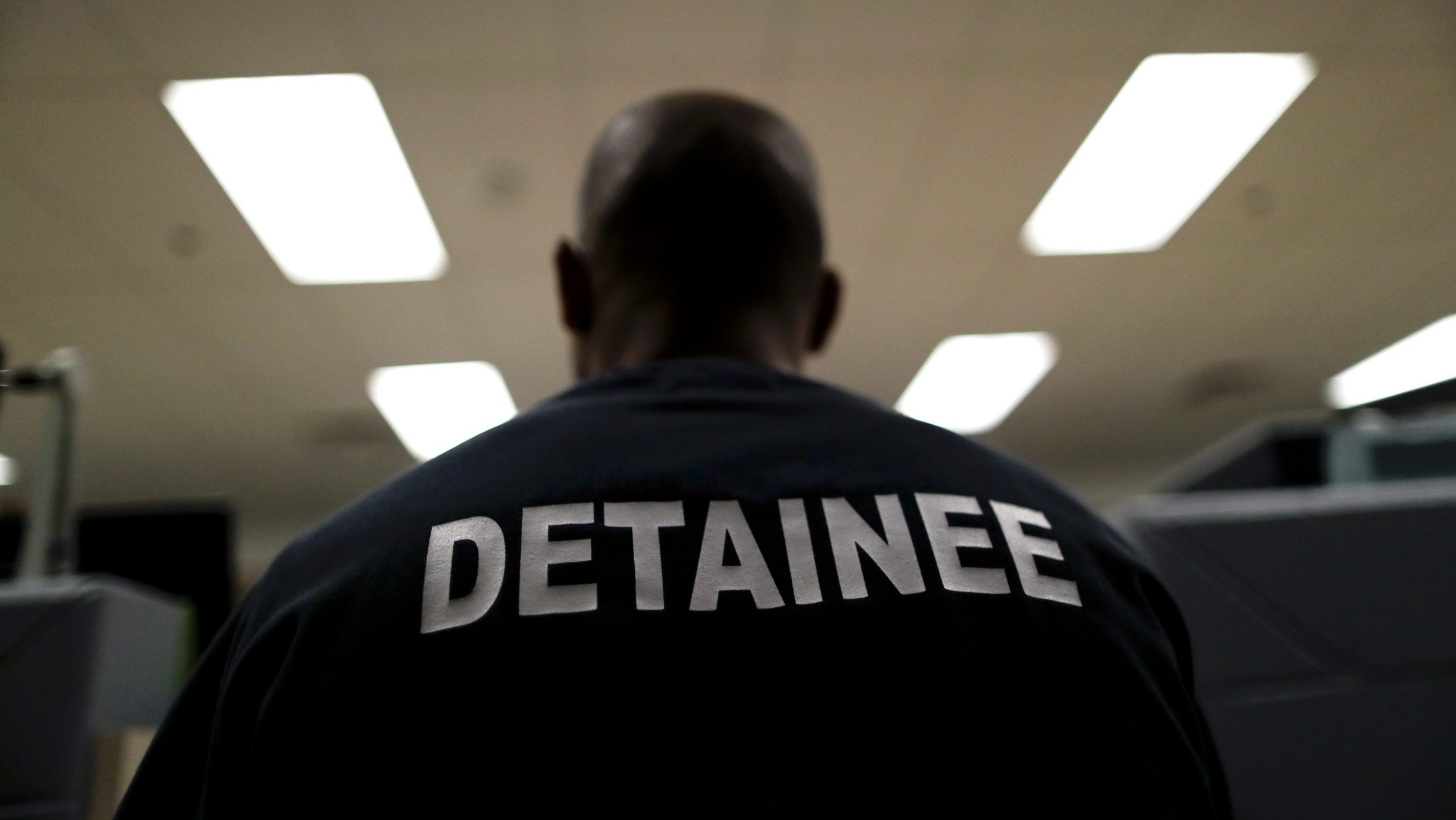
On September 15, according to reporting from the Associated Press and others, ICE quietly adopted a policy that excluded detainees with a final order of removal from being located. That applies both to people arrested by ICE who have previously been ordered removed and those who get a removal order while they’re in detention. According to the policy, once the order becomes final, both groups will now disappear from the locator, their names erased from the system.
To be clear, this isn’t just a policy about the detainee locator website itself, because the locator isn’t the only way lawyers can find out where someone is being detained. Even if someone isn’t showing up in the locator, attorneys have had some success simply calling the detention facility where they think their client is being held, and asking point-blank if that person is detained there.
But, as The Washington Post reported, the new ICE policy also bars immigration officials at detention centers from sharing information with the lawyers or loved ones of any detainees who have a final order.
Given that physical access to detention facilities is restricted , this means that there is no proactive way for people on the outside to know where someone with a final removal order is being held, or whether they are even still in the United States.
I have been leery of using the word “disappearance” in conjunction with ICE enforcement: even beyond the fact that “disappearance” in other countries has often been used as a euphemism for the government simply murdering people. Someone who’s arrested by ICE and detained is no more “disappeared” than someone who’s put in jail, as long as their loved ones know where they are and what’s happening to them. But now, there’s no other term for what ICE is mandating for people with final orders: Once a judge orders you removed, there is no way for your loved ones to figure out where you’re being held, or whether you’ve already been put on a plane and deported.
ICE’s explanation for this is telling: the agency is prioritizing the removal of people with final orders. Updating the detainee locator to reflect where someone is being held doesn’t force them to be kept there any longer, and it doesn’t delay their deportation. ICE has proved this routinely over the last 18 months as it shuttled people from facility to facility, without keeping the locator up to date.
But the locator does help lawyers figure out where they can file a federal habeas motion that asks a federal judge to order a person’s release from custody. And while many would say that the practice of filing habeas motions is a necessary response to ICE’s policy against releasing detainees by any other means, ICE seems to see them only as an obstacle to deporting people — and deporting them quickly. Indeed, ICE said as much in its statement to the AP about changes to the detainee locator, pointing out they have faced a “historic number of injunctions” from judges ordering the release of individuals.
Habeas motions have become somewhat routine, and judges often side with the detainee, which has frustrated the administration. But because a judge can only hear a habeas motion if the detainee is being held in their jurisdiction, obscuring the detainee’s location can make it impossible for lawyers to file a motion for their client’s release.
Importantly, this policy doesn’t apply in a few detention centers and temporary holding facilities where federal judges have specifically ordered ICE to keep the detainee locator current as part of ongoing lawsuits about ICE’s practices in those locations. (In theory, if similar lawsuits were to be brought against other facilities in future, judges could order that ICE exempt those facilities from the new policy, too.)
Many people in custody, of course, do not yet have a final order of removal. Their immigration court case is ongoing while they are being detained (on an increasingly rushed timeline). But given ICE’s efforts to coerce people into signing forms withdrawing their cases and accepting deportation — which ICE can then present before a judge to receive a final order — people on the outside may not know when a final order is issued.
Of course, there are plenty of cases in which people have no idea that they are even under removal orders: They missed a hearing because the notice was sent to the wrong address, or the date was moved up and they didn’t find out about it, or, in some especially perverse cases, they were being detained somewhere else and ICE didn’t get them to court. Most importantly, even people who have been granted relief from deportation may still have a final order. Confusing, right? Read on.
We’ve talked some about “withholding of removal” in a past column — it’s a protection granted to people who don’t qualify for asylum under U.S. law but who have still demonstrated that they’d probably be persecuted or tortured if returned to their home countries.
When someone is granted withholding, the judge writes and signs a final order for their removal, but the judge also signs an order preventing them from being returned to their country of origin. Traditionally, the government has then released them because it wasn’t likely to deport them anytime soon. However, given this administration’s use of third-country removals, it appears they are now asking where, and when, it can deport them to instead.
In theory, if an attorney finds out that someone is going to be sent to a country that will persecute or torture them, they can file a motion for the immigration judge to prevent removal to that country. But if they don’t even know where the client is being detained, it makes it all the more impossible to pull together and file such a motion before the client is put on the plane. Which, given that the administration just successfully asked the Supreme Court to release it from having to provide “meaningful notice” and “meaningful opportunity” for an immigrant to challenge a third-country removal, might be part of the point.
Many, many people who have sought asylum over the last decade have been deemed ineligible, not because their claims aren’t strong, but because of new policies (implemented by both the Trump and Biden administrations) that broadly bar asylum for people who entered the U.S. without inspection. By now, many ofpeople have received withholding of removal instead, which makes them subject to third-country deportation – and subject to the new disappearance policy.
Dozens of members of Congress sent a letter to the administration Wednesday expressing concern over the new policy. But what I wrote this past spring is still true: Congress has never actually mandated that ICE allow members of the public to locate detainees at all, much less mandated that the locator be updated in a timely fashion or that it include everyone. Barring the federal judiciary — including the Supreme Court — stepping in to stop the Trump administration from keeping people with final orders off the locator, tens of thousands of detainees have, for all intents and purposes, been disappeared.