

Upon taking office in January, Mayor Mamdani promised to “return the vast resources of this city to the workers who call it home.”
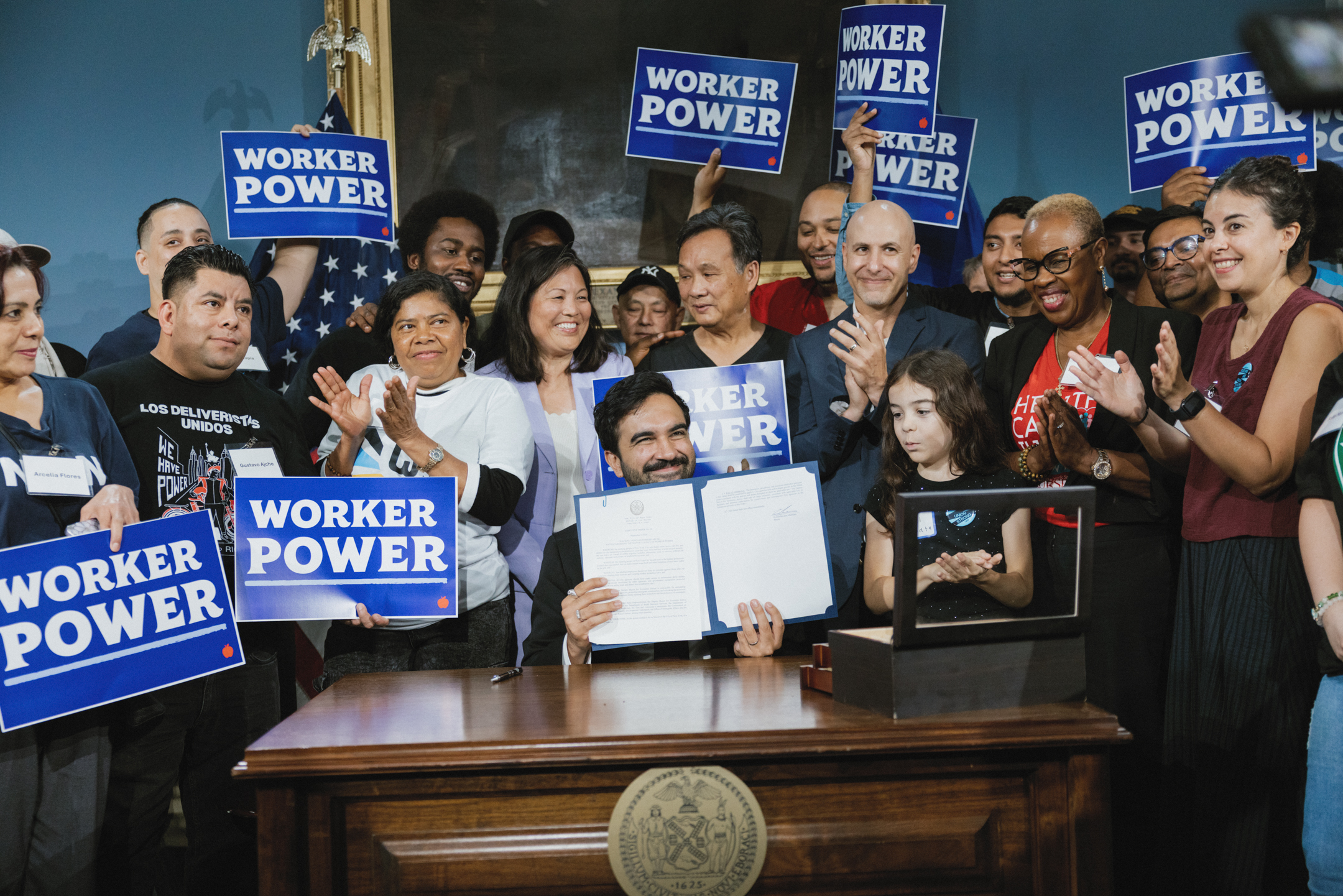
Since then, the City Council has passed a slew of new labor protections that aim to improve the lives of working New Yorkers, such as street vendor license reforms and deactivation protections for rideshare drivers.
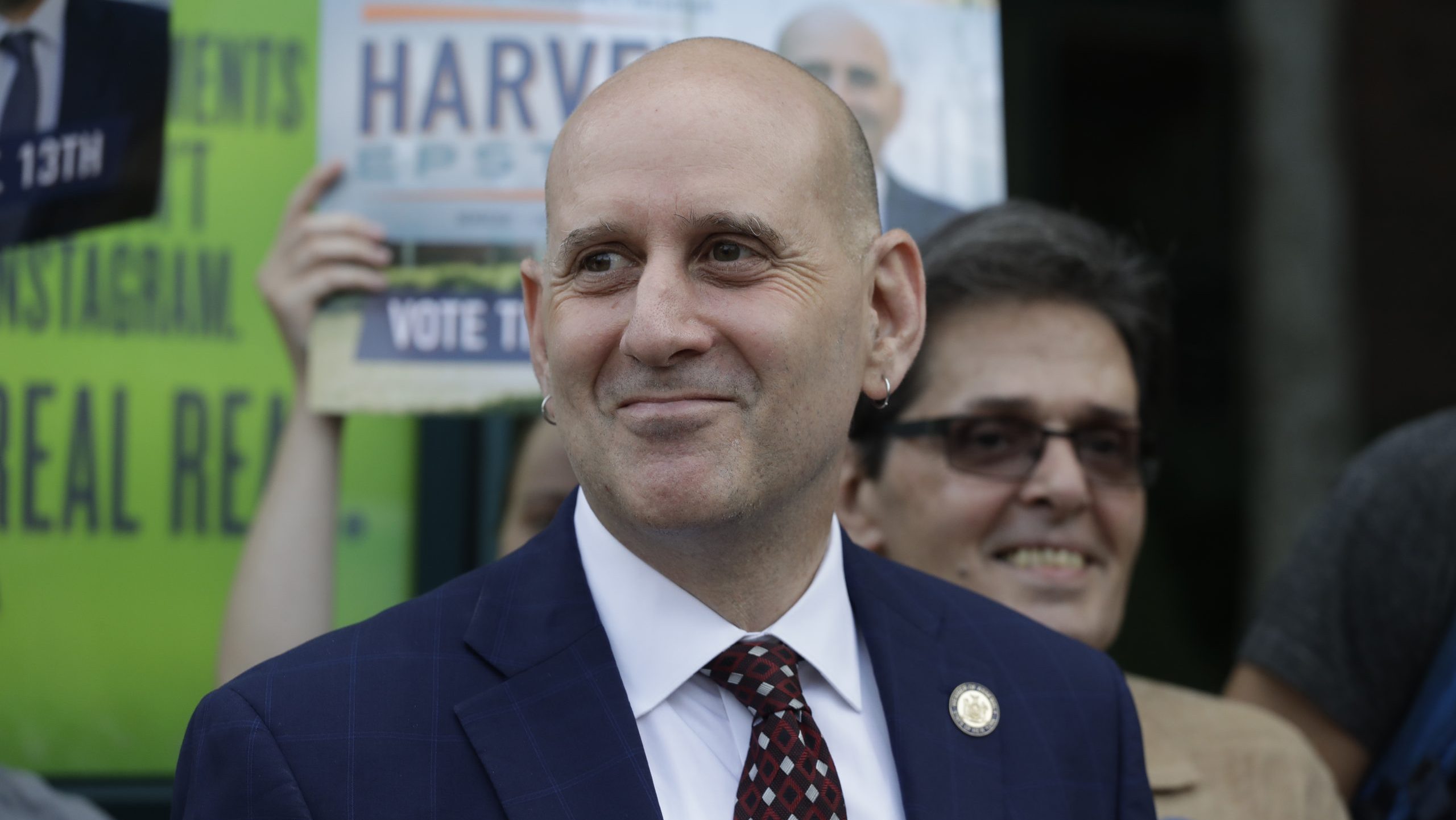
In an effort to spread the word about the new laws, New York City Council Member Harvey Epstein has requested $5 million in funding for the creation of a Worker Rights Organizing and Education Initiative. The proposed initiative would bankroll educational and outreach efforts by grassroots labor organizations like the Laundry Workers Center and the Workers Justice Project that represent street vendors, laundry workers, and delivery workers.

The initiative would also fund multilingual community engagement activities so workers would be able to exercise their new rights by learning how to file complaints and access legal assistance.
“Delivery workers, street vendors, laundry workers, and low-wage immigrant workers have led the fight for safer conditions, fair pay, and job security, but laws on paper aren’t enough,” Epstein said in a statement to Documented. “By investing in grassroots organizations with deep ties to these communities, we can ensure workers know their rights, can defend them, and can access real economic stability.”
Labor leaders, like Rosanna Rodriguez, Executive Director of the Laundry Workers Center, believe that funding the initiative would empower workers.
“Enforcing new rights for non-traditional and essential workers requires close collaboration among the City Council and grassroots organizations with decades of experience in worker organizing,” she said in a statement to Documented, adding, “Our grassroots coalition is calling on those in power to join us in ensuring the city provides the safety nets, funding, and resources necessary for workers to access information about their rights and protections.”
Echoing Rodriguez’s sentiment, Ligia Guallpa, executive director of Workers Justice Project, says that the initiative is an outgrowth of the grassroots struggle workers have undertaken that got the laws passed in the first place.
“We are in the midst of an affordability crisis, and low-wage workers are paying the price—facing wage theft, low pay, and few protections while struggling to afford basic needs,” she said. “Worker organizing is the solution, and it has already delivered higher pay for delivery workers, expanded street vending opportunities, and secured just cause protections that bring job stability.”
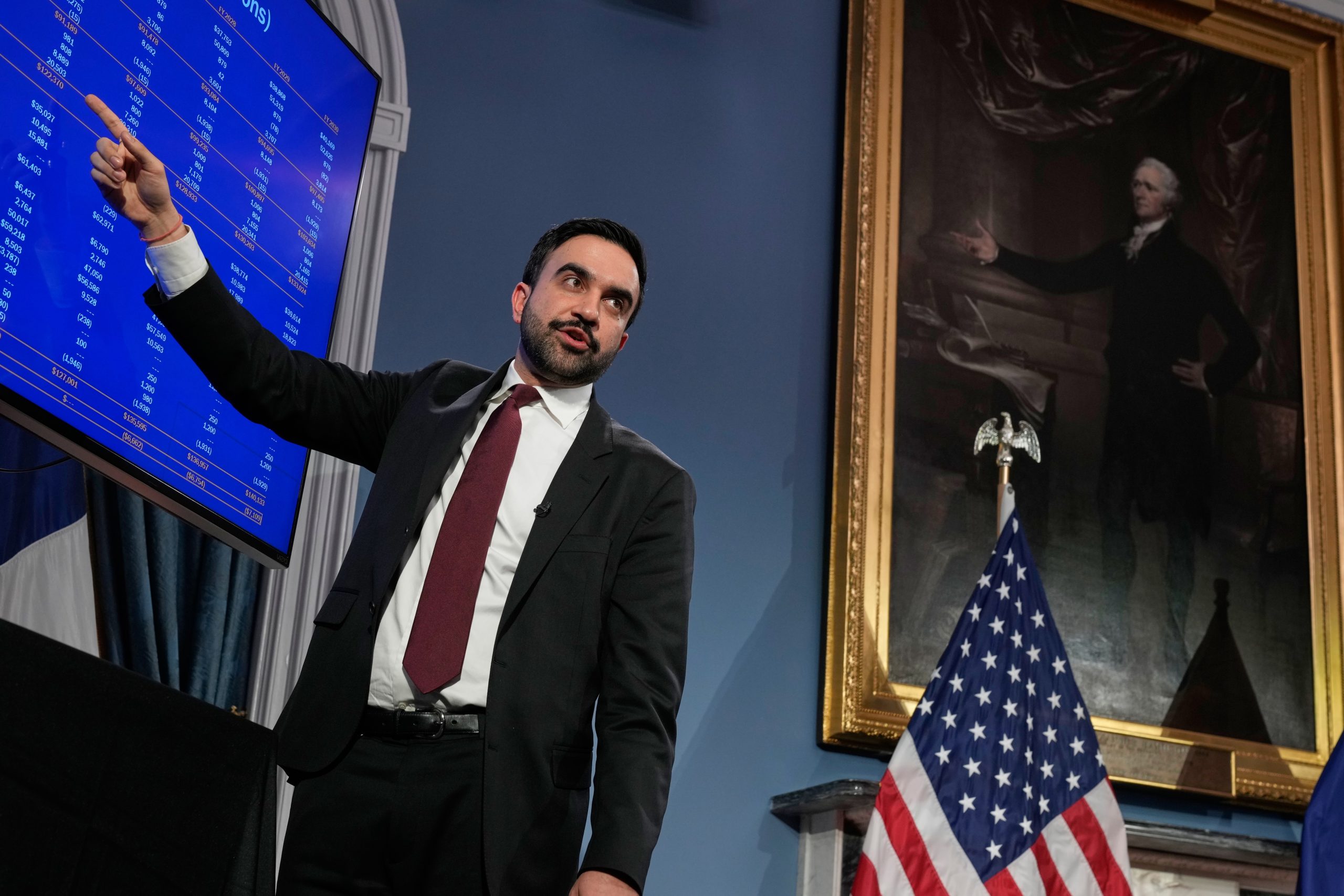
Despite the push from activists and elected officials, it remains unclear if the new initiative will gain support from the mayor, who, faced with a municipal fiscal crisis, has since proposed cuts to the agencies that would enforce the new laws. In the 2027 preliminary budget, the mayor proposed allocating $74.7 million for the Department of Consumer and Worker Protection (DCWP), far less than the $81.7 million that was allocated to the agency in 2026.
The mayor’s office declined Documented’s request for comment.
Epstein, who chairs the City Council Committee on Consumer and Worker Protection, said his initiative is in line with Mamdani’s vision of returning the city’s resources to its workers.
“If we’re serious about affordability and justice in New York City, we have to invest in the workers who keep this city running and build the foundation for even stronger protections ahead.”