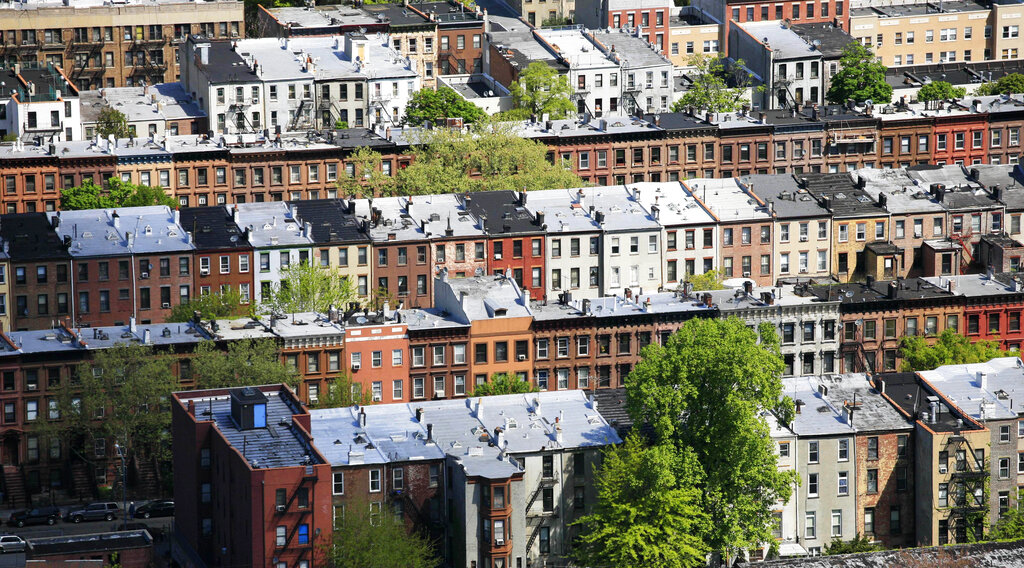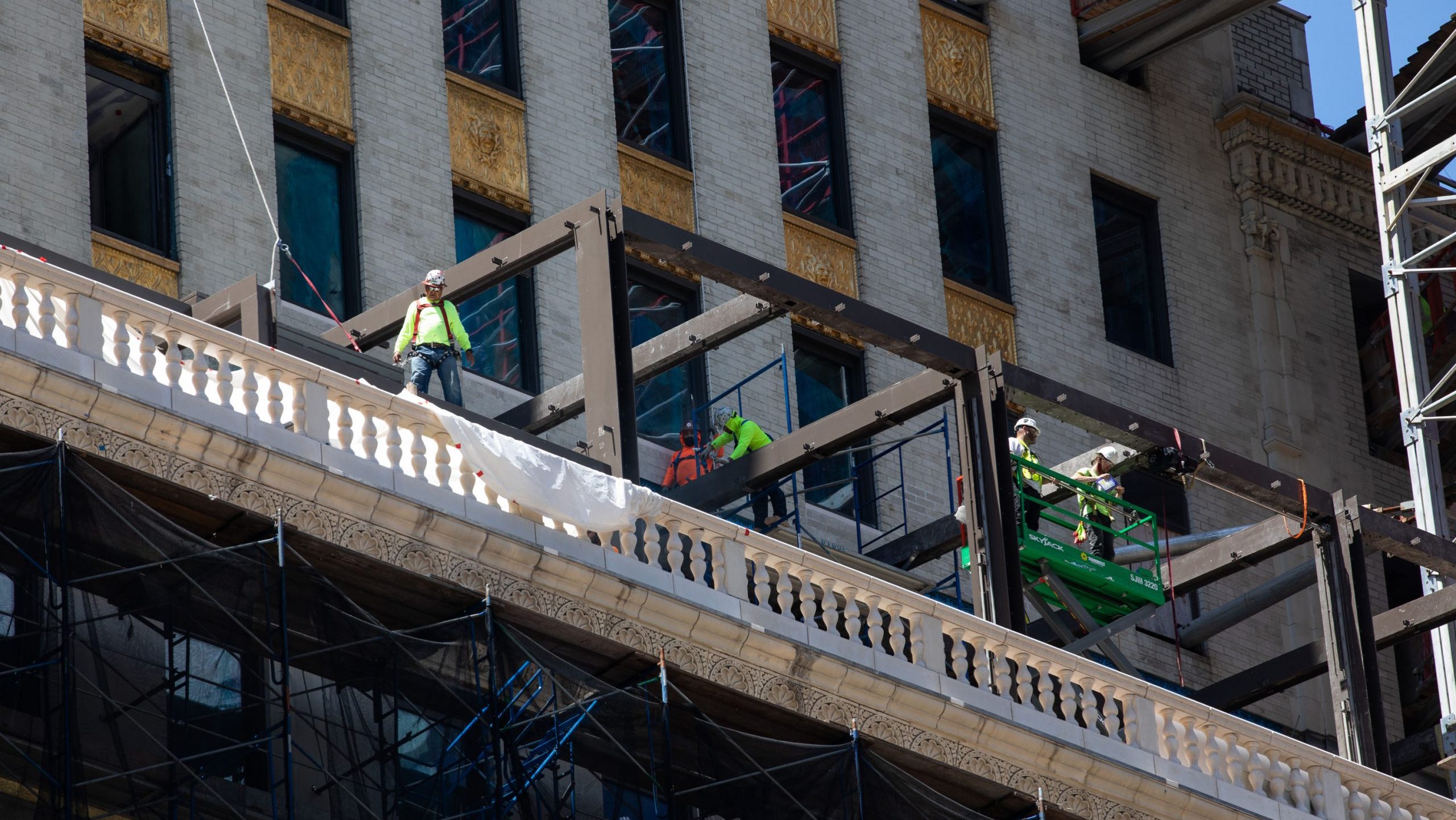


New York City is undergoing a major post-pandemic construction boom as its iconic skyline continues to inch ever higher. But with the industry spending $74 billion in new construction, another cost has gone largely unaccounted for: workers’ lives.
New data released by the U.S. Bureau of Labor Statistics (BLS) shows that construction work remains the deadliest job in New York City.
The city tallied 20 fatal accidents on construction sites in 2024. Though this figure is down from 30 deaths recorded in 2023 — the most recorded in a decade — the number still far outpaces any other industry. The next most deadly occupation category in New York City was the accommodation and food services industry, with seven deaths, followed by the protective service industry with six deaths.

Ten of the construction deaths were a result of slips and falls, with another four resulting from exposure to harmful substances. The rest were not defined in the data.
It’s unclear why there was a decline in city construction deaths over the past year, which have fluctuated from a low of 13 during 2020, when the pandemic impacted construction work, back to 20 in 2021 and 24 in 2022.
Although fatal work injuries in all of New York State totaled 217 in 2024, down by 11.8% from 246 in the previous year, construction deaths still remain one of the most dangerous jobs. In 2024, the BLS recorded 50 construction site fatalities across the state, down from 60 deaths in 2023.
Still, construction remains the deadliest occupation in New York City, and the same is true at the national level. Of the 5,070 workplace deaths that occurred nationwide in 2024, 1,034 of those recorded deaths were in construction.
For workers of color, deaths on the job remain disproportionately high. In 2024, of the 58 fatalities at job sites across the five boroughs, 25 were identified as Latino, 13 were identified as Asian, and 11 were identified as white.
“The latest federal data show that workplace deaths in New York City remain stubbornly high, with construction continuing to account for the most fatalities and falls still the leading cause, just as they were the year before,” said Ligia Guallpa, Executive Director of Workers’ Justice Project (WJP). “Behind every number in this report is a worker who never made it home.”
Construction workers like 45-year-old Jose Ramirez, who was killed while operating a cherry picker at a Manhattan construction site, were among those workers who died on the job in 2024.
“This data also makes clear that Latino workers are overrepresented among those killed on the job, especially in construction, pointing to deep inequities in who is exposed to the most dangerous work,” said Guallpa.
Rosanna Rodriguez, Executive Director of the Laundry Workers Center (LWC), which organizes immigrant construction workers, says many of the accidents can be attributed to the fact that undocumented workers fear that if they refuse unsafe work, they could be fired.
“Throughout the city, some construction sites operate without permits. You can see workers on high-rise buildings with harnesses that are not connected to a lifeline, workers in flooded basements without lights, demolition crews without the proper tools or PPE, or handling asbestos, lead, or other toxic fibers that can cause fatal diseases,” she told Documented.
Also Read: One Year After Trump Vowed to Make America Great Again, Report Finds Workers Are Less Safe
To combat unsafe working conditions, the LWC has been organizing workplace safety committees that give workers the ability to review and implement safe workplace standards, as well as the ability to refuse unsafe work practices without fear of retaliation.
“This industry takes advantage of immigrants.”
—Rosanna Rodriguez, Executive Director of the Laundry Workers Center
Likewise, WJP has also been advocating for stronger workplace protections for construction workers.
“We know how to prevent these deaths,” said Guallpa. “That is why Worker’s Justice Project continues to advocate for sustained investment in rigorous safety training, particularly for Latino workers in construction, strong and proactive oversight of worksites, and real accountability for contractors who violate the law, so that every worker can do their job and make it home safely.”
But since Trump took office in 2025, federal workplace safety enforcement by the federal Occupational Safety and Health Administration (OSHA) has declined, issuing a 45% reduction in penalties for workplace health and safety violations when compared to previous administrations.
Yet, without support from federal regulators, advocates like Rodriguez contends that her organization’s efforts to build impactful safety committees are severely hampered and will lead to even more worker injuries.
“This industry takes advantage of immigrants, especially Latinos who are seeking a better future and trying to meet their families’ basic needs,” she said. “The lack of resources to investigate worksites and the procedures needed to get OSHA involved pose challenges for workers who are not educated about their rights. Although workers need OSHA certification to do the work, employers often ignore the rules.”