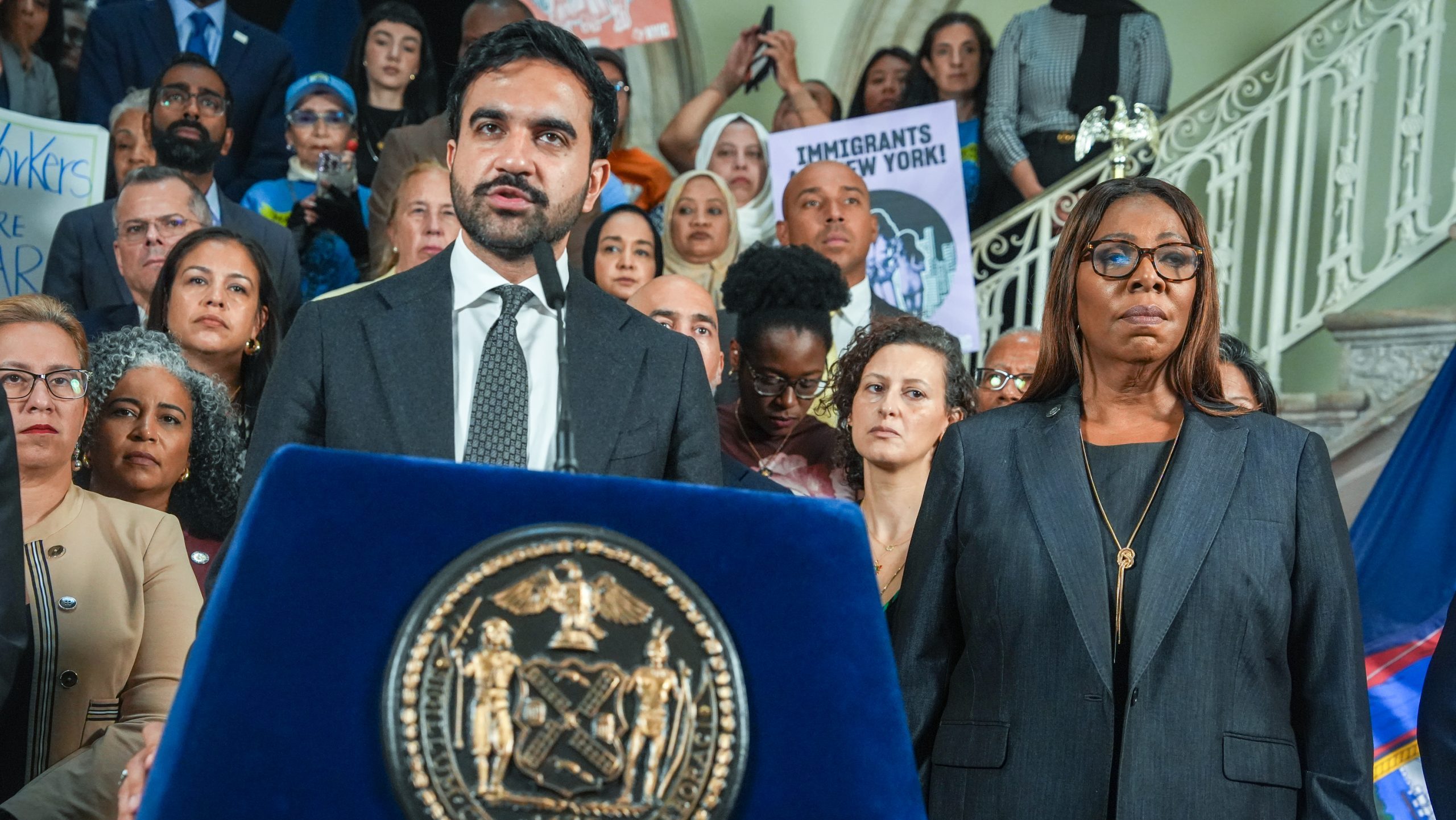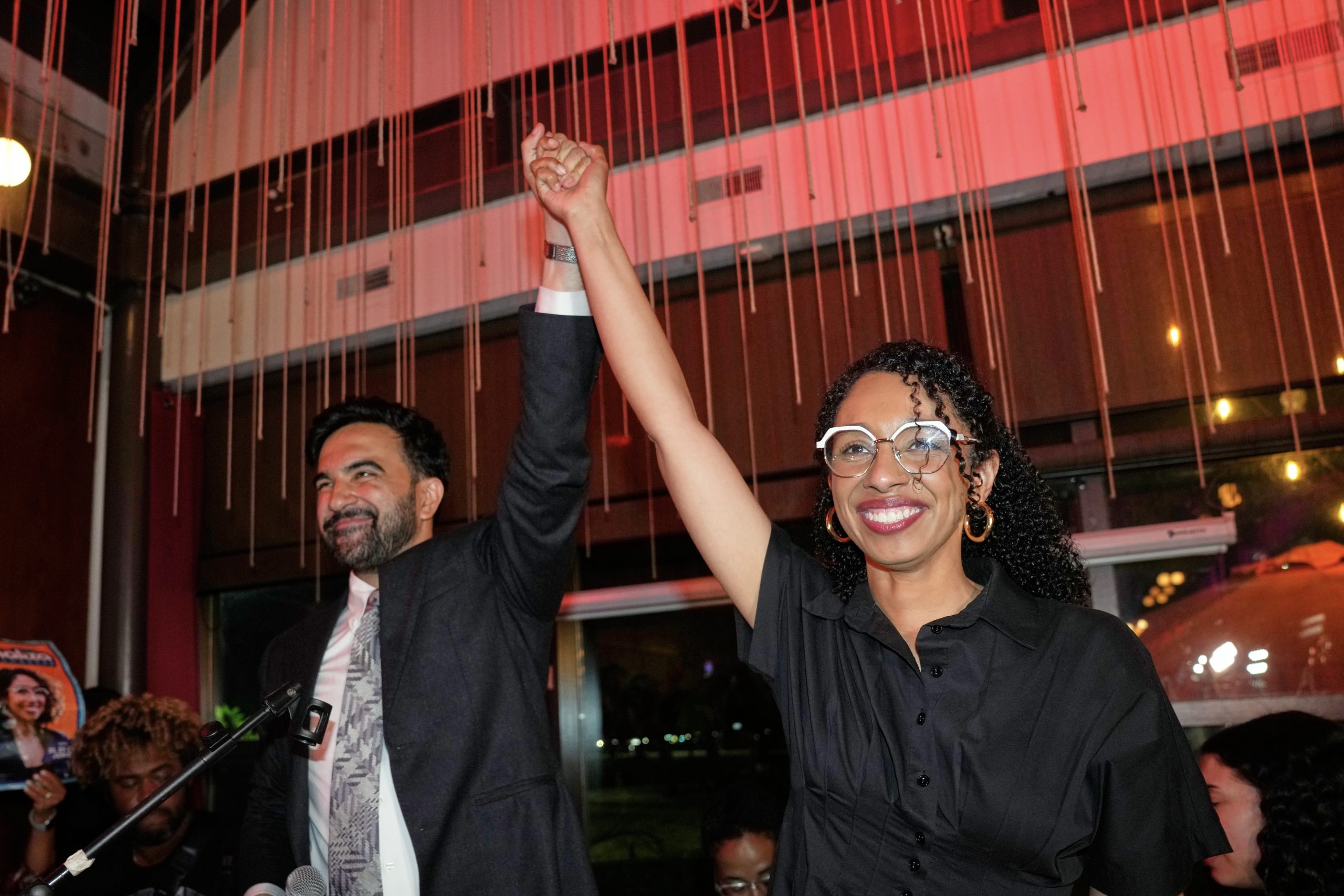


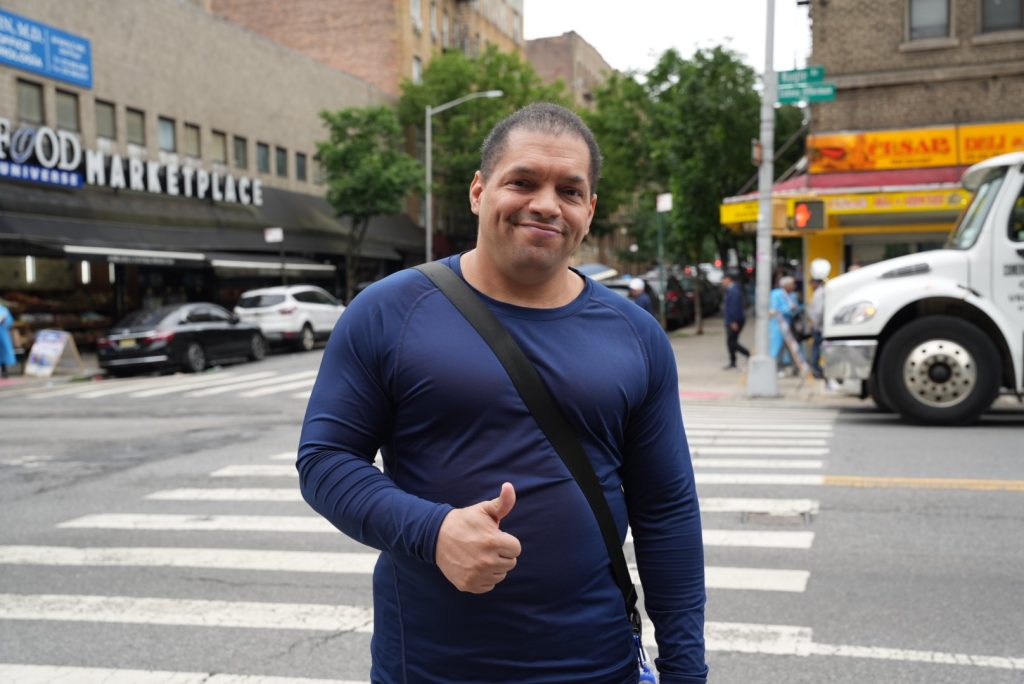
Carlos Marte, a 47-year-old Dominican voter, said he had supported incumbent Adriano Espaillat through all five of the congressman’s previous campaigns. But all that changed in Tuesday’s Democratic primary. Marte said Espaillat — chair of the Congressional Hispanic Caucus — had grown too closely aligned with powerful interests and no longer represented the district’s needs.
He decided to cast his vote for Darializa Avila Chevalier, a democratic socialist and community organizer. Marte wasn’t alone as last night Avila Chevalier defeated the five-term congressman to become the Democratic candidate for New York’s 13th Congressional District.
“I think we need change,” said Marte, who has lived in Washington Heights for three decades. He added, “She is going to be a good change, and she is going to listen to everyone.”

In three closely watched New York primary races, democratic socialist candidates defeated long-established Democratic incumbents and party-backed rivals, signaling growing support for the party’s left flank. The victories also served as a test of Mayor Zohran Mamdani’s political influence after he endorsed all three winning candidates.
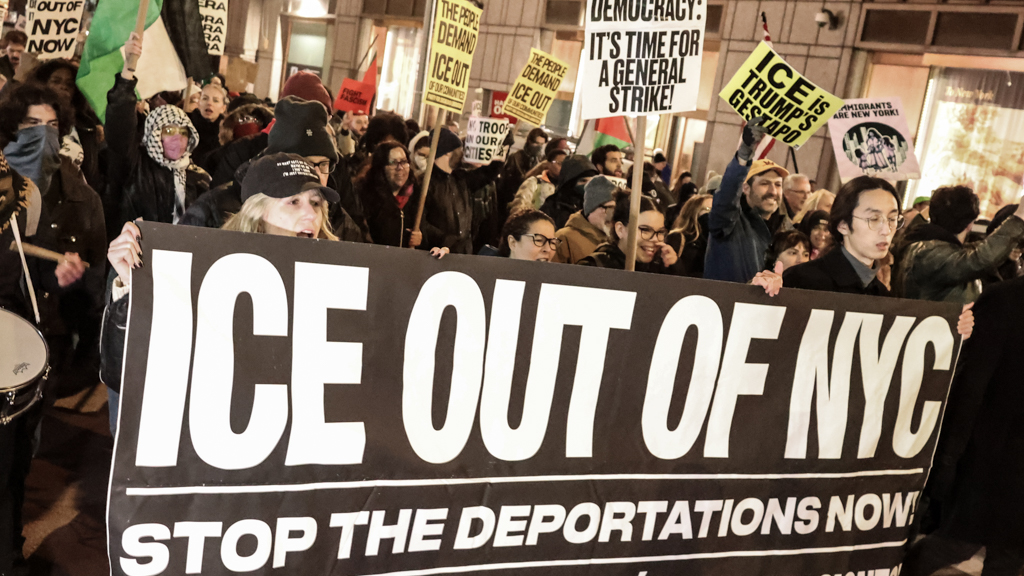
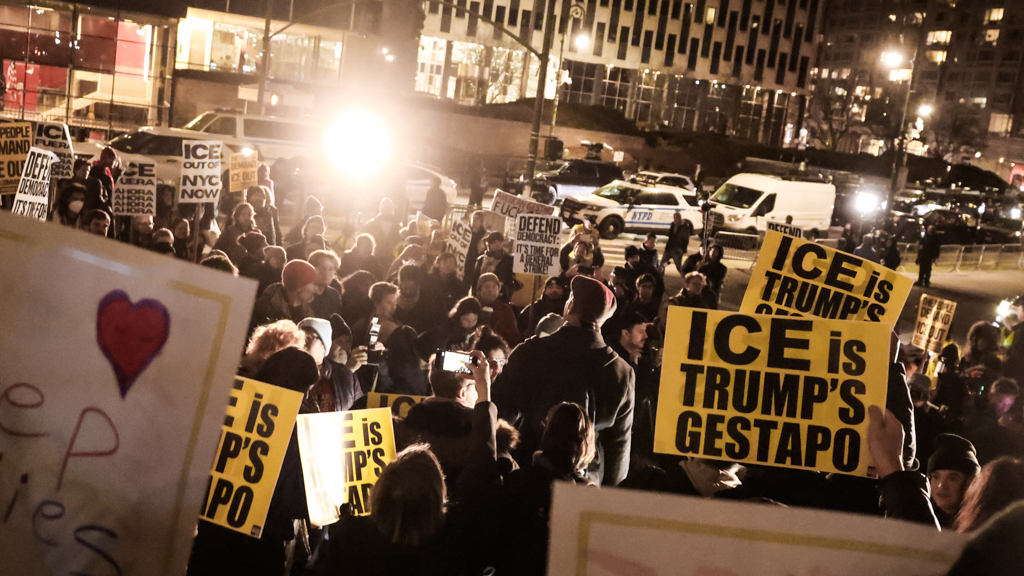
Voters told Documented that frustration over rising living costs, immigration concerns and dissatisfaction with the Democratic establishment fueled their support for candidates who campaigned on sweeping progressive policies, including abolishing ICE, establishing universal healthcare and ending U.S. support for ongoing wars.
All six voters that spoke with Documented in Washington Heights, a neighborhood that is predominantly Hispanic and home to a large Dominican American community, expressed concerns about the cost of living.
Judith Jiménez, 57, said that the rent in the neighborhood was through the roof. “The community [here]doesn’t necessarily have the highest income, it’s medium or low income. So it is important to keep the cost of living the most affordable.”
She did not share who she voted for. However, as an immigrant from the Dominican Republic who has been in the U.S. since 1989, she said she wants a candidate to protect her right to vote, which has been a concern under the second term of President Donald Trump, who has pushed for denaturalization measures and stricter voting registration requirements. “We have to keep our rights to vote. This is something that is valuable. We cannot afford to lose it,” she said.
Christina Greer, associate professor of political science at Fordham University, told Documented that the wins Tuesday night further reflect voter dissatisfaction with the stances taken by the mainstream Democratic Party on key issues like affordability and immigration.
“What we saw last night was a coordinated effort across several districts of candidates articulating that message, which is, we have become very comfortable with the status quo. We have essentially said that this is the only way we should live and can live,” Greer said. “These candidates had very clear and consistent messaging, which said the opposite.”
She said the victories showed that New York City voters are looking for something different, and that the results put to rest questions about whether Mamdani’s success in the mayoral race was driven solely by his personality. “New Yorkers are very worried about affordability, they do not think that their tax dollars are being spent properly,” she said, adding that voters also have expected more from people in power like Espaillat, who was the first formerly undocumented immigrant to be elected to Congress.
“A lot of folks are like, why is he not a leader on immigration? Why don’t we see him fighting Donald Trump tooth and nail?” Greer said, who noted that while Mamdani’s endorsement helped the three candidates secure victories, the broader message from the Democratic Socialists of America (DSA) was that achieving meaningful change in New York requires winning seats not only in the city but also in Washington, D.C.
All three winning candidates were endorsed by Mamdani. Avila Chevalier and Valdez were endorsed by the DSA, the party that supported Mamdani’s campaign during his mayoral win last year.
Queens Assemblymember Claire Valdez won the Democratic nomination for New York’s 7th Congressional District seat, defeating Brooklyn Borough President Antonio Reynoso, who was backed by the district’s former representative, Nydia Velázquez, and endorsed by the Working Families Party. Former New York City Comptroller Brad Lander defeated two-term incumbent Dan Goldman in New York’s 10th Congressional District.
For Marte, Mamdani’s support of Avila Chevalier was also part of the decision to support her. “He is one of the few people who have balls not to be in anyone’s pocket.” he said, explaining that his friends have compared Avila Chevalier to Mamdani. “She is going to be a rockstar nationwide.”
Still, not all progressives won their Democratic primary races. In New York’s 6th Congressional District, which covers areas of Corona, Flushing and Forest Hills, progressive candidate Chuck Park lost to incumbent Grace Meng by 15 percentage points.
Some voters in the area told Documented Tuesday they were disappointed with Meng’s seven-term tenure, and said the congresswoman did not reflect the issues that mattered to them. “I feel like a lot of people in our community don’t want a casino, and our representatives are not listening to us at all,” said Cindy Ji, referring to a proposed casino in Citi Field that had become a point of contention among candidates. “Like, people have gone to City Hall to protest it, and they don’t want to listen.”
Ji said that she learned about Park’s campaign through TikTok, and found his messaging resonated with the issues that matter to her. Two voters that spoke with Documented also critiqued Meng’s funding from pro-Israeli groups (AIPAC) and said her stance against ICE was not enough.
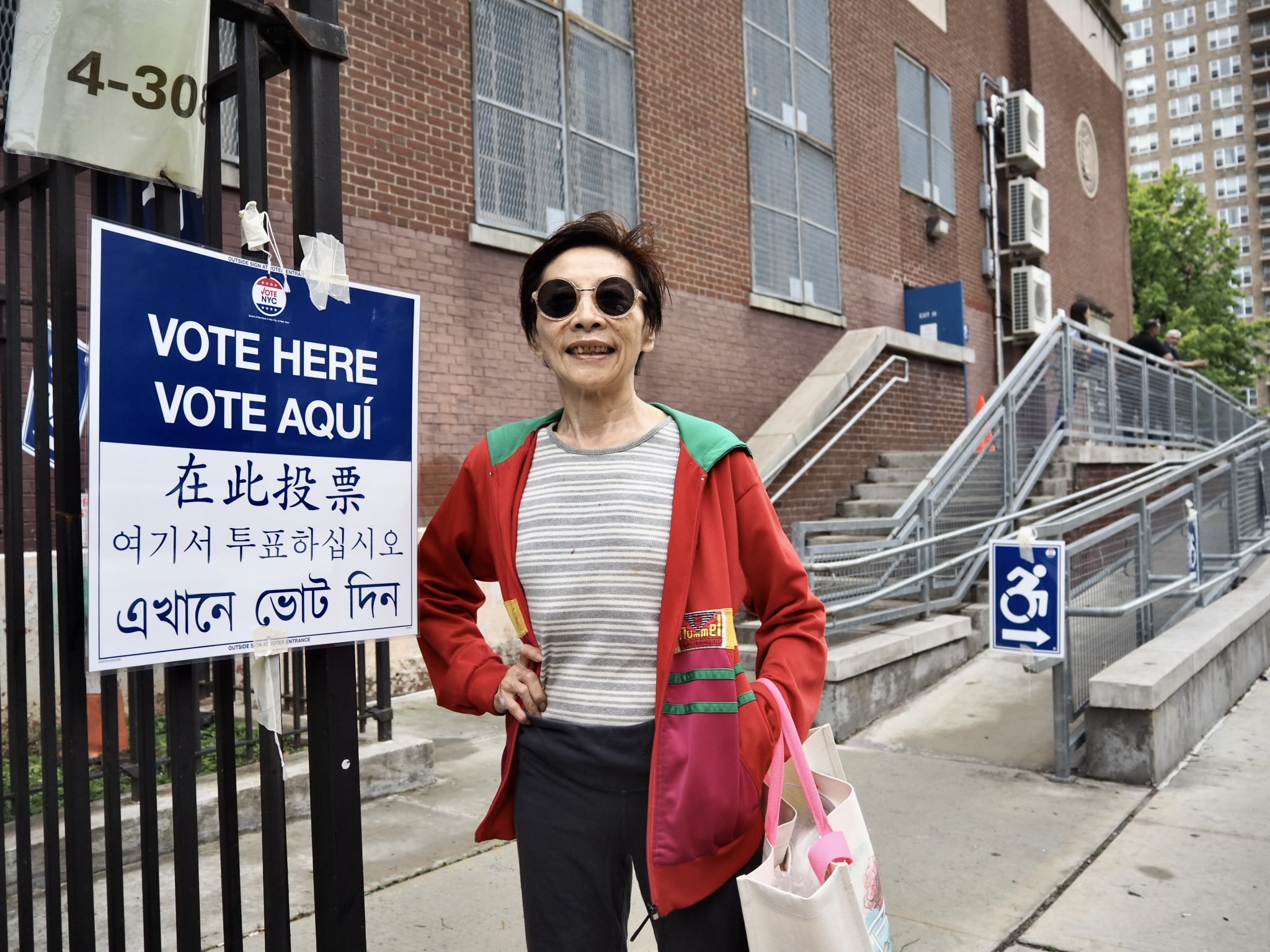
For Ellen Young, 74, who was the first Asian woman elected to the New York State Legislature in 2007 and had challenged Meng in 2008, yesterday’s votes were also about sending a message that Asian-Americans also have political power.
“I think that Asian and minorities have very low voting rates, and I think that’s what causes our voices not to be heard,” she told Documented at a polling station in Queens, declining to share who she voted for. “If we cannot have a huge influence on the outcome from the voting result, at least we can show that we care about each election, and no matter whether the candidates win or lose, they will think the Asian vote is important.”
Amir Khafagy contributed reporting.
Correction: An earlier version of this article suggested that Brad Lander was endorsed by the DSA. He was not.