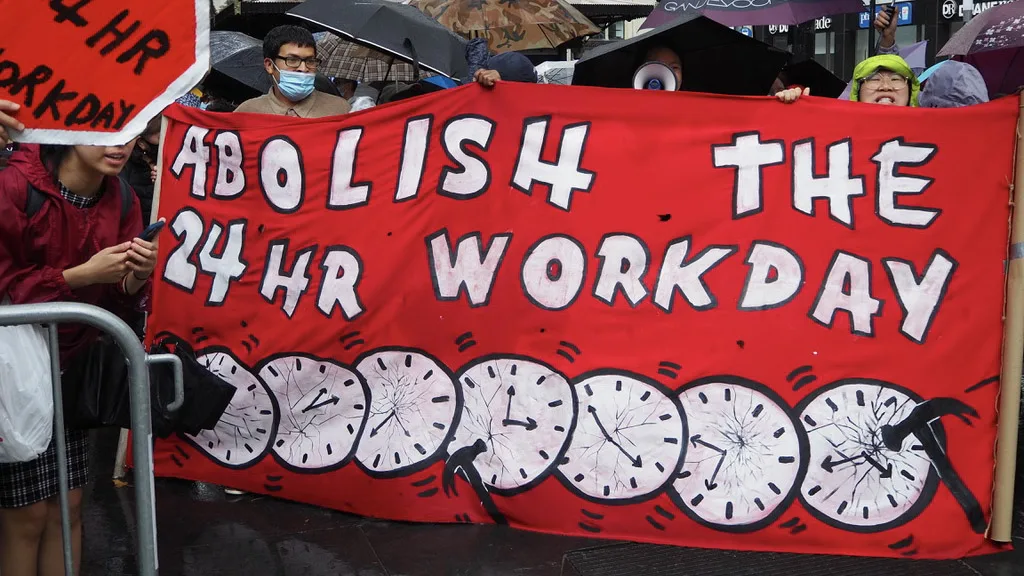


In their fight to ban 24-hour shifts, home care workers have faced opposition from the governor, the mayor, the speaker of the city council, and the very unions that represent them. With few options left, the workers are seeking help from the seemingly most unlikely of places: the United Nations.
On April 22, the UN Working Group on discrimination against women and girls penned a letter to the U.S. Department of State, urging the federal government to take measures to improve the working conditions of New York City’s home care workers and eliminate 24-hour work shifts, stating that the shifts amounted to “forced labour.”
“Several indicators of forced labour […] may apply to the home care workers, raising serious and pressing concerns,” the letter stated.

According to the UN, home care workers’ 24-hour shifts appear to violate international human rights laws such as the UN Guiding Principles on Business and Human Rights (UNGPs), which were unanimously endorsed by the Human Rights Council in June 2011. Under the UNGPs, countries are required to protect against human rights abuses within their territory by third parties, including business enterprises.
“We would like to express our serious concern at the treatment of home care workers required to endure 24-hour shifts, which would appear to allow a practice of exploitation disproportionately affecting migrant women,” the letter reads. “Such practice would violate these women’s human rights to just and humane working conditions.”
The letter expressed the UN’s concern about the lack of action by lawmakers and businesses to ban 24-hour shifts stating that home care workers complaints were “systematically ignored and inadequately addressed.” Moreover, state regulatory agencies neglected to enforce existing labor protections.
As a UN member state, the United States is a party to the Universal Declaration of Human Rights which affirms the equal dignity and rights of all human beings. The U.S. is also a party to several international organizations overseeing the protection of human rights, including: The International Covenant on Civil and Political Rights , the International Convention on the Elimination of All Forms of Racial Discrimination, the Convention on the Elimination of all forms of Discrimination against Women, and the Abolition of Forced Labour Convention.
The letter reminds the U.S. of its treaty obligations and urges the elimination of 24-hour home care shifts as a violation of human rights laws. It also urges the federal government to take measures to improve working conditions of home care workers and conduct an investigation into cases of wage theft and retaliation against them.
Since at least 2020, immigrant women home care workers have been engaged in a bitter battle to pass the “No More 24 Act.” After efforts to pass a state law failed in 2022, City Council member Christopher Marte introduced similar legislation at the city level in December 2025, that would effectively abolish 24-hour shifts in the home care industry by splitting overnight home care hours into two distinct shifts and cap the total number of hours home health care aids could work to no more than 56 hours a week.
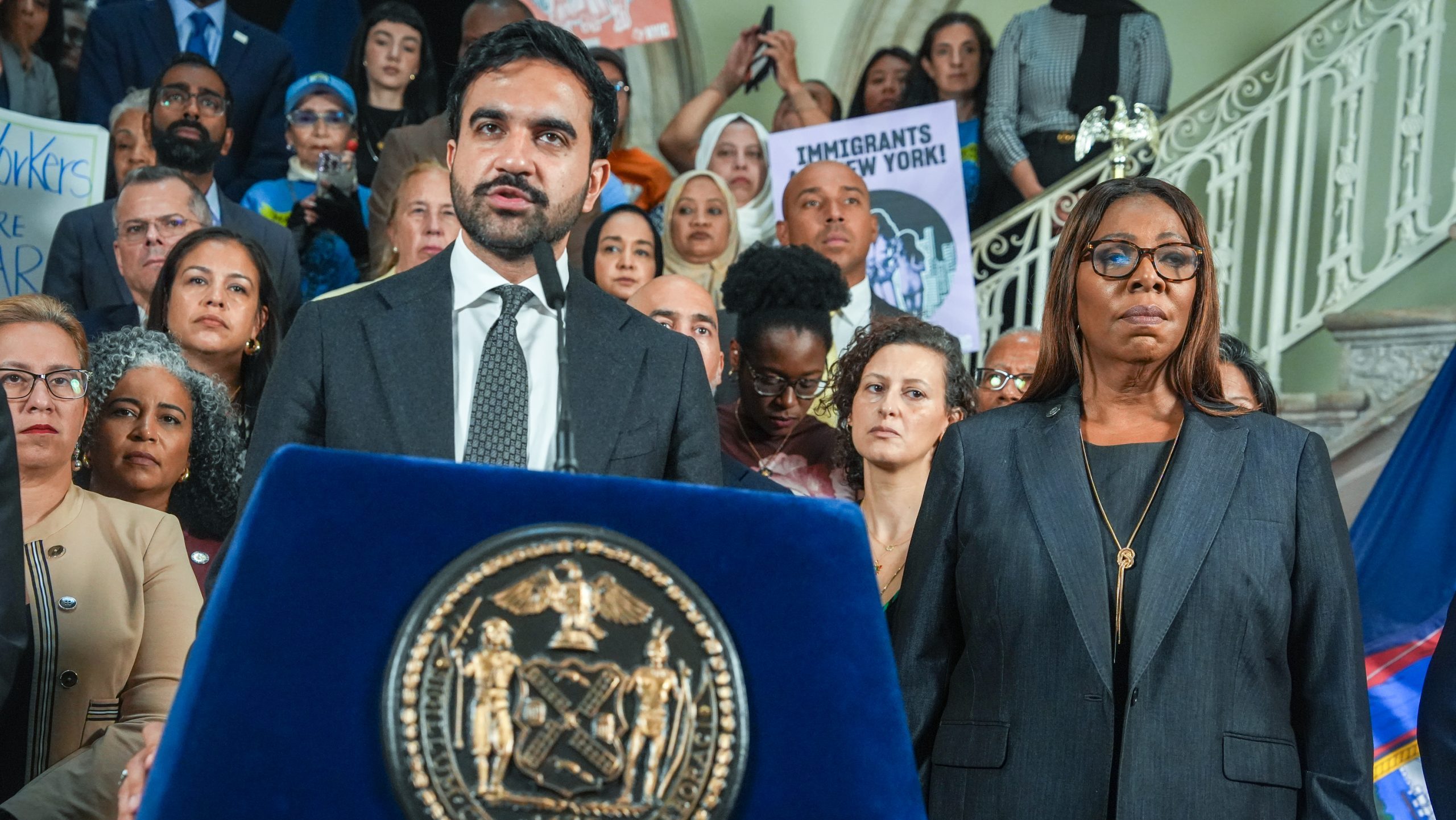
After facing opposition from Mayor Zohran Mamdani, Gov. Kathy Hochul, and a coalition of labor unions and disability advocates, the bill stalled in the city council in April 2026. In response, over a dozen elderly immigrant home care workers launched a week-long hunger strike to force the bill to a vote. However, the strike ended without the bill being passed.
One of the workers mentioned in the letter, Lai Yee Chan, 71, worked 24-hour shifts as a home care worker for the Chinese-American Planning Council between 2001 and 2022. During that time, Chen says she developed severe insomnia as well as lifelong arm and shoulder injuries after years of lifting her infirm patients.
“Many of us home care worker sisters are very happy that the UN has heard our call to end the 24-hour workdays,” she said in a statement to Documented. “It openly condemns the U.S. government for encouraging and maintaining this human rights abuse, and it clearly points out that the State and City governments are violating human rights by refusing to enforce labor laws.”
Anne Kochman, organizer with the National Mobilization Against Sweatshops workers center, a member organization of Ain’t I a Woman?! Campaign which advocates for the No More 24 Hour Bill, says the UN letter gives renewed momentum to their movement.
“The UN’s recognition of the violence of the 24-hour workday system vindicates the experience of thousands of home care workers whose lives and health have been destroyed by this inhumane practice,” she said in a statement to Documented. “According to the UN, the conditions experienced by workers amount to torture and forced labor and violate workers’ human rights.”
The letter, written in conjunction with four other independent experts appointed by the UN Human Rights Council, was made public 60 days after it was issued.
As of press time, neither the UN nor the U.S. Department of State responded to Documented’s request for comment.