

When the family of L.C., a Chinese immigrant arrested by U.S. Immigration and Customs Enforcement last April, reached out to the Chinese-American Planning Council (CPC), they were desperate.
The family could not find a pro bono immigration lawyer in New York City who spoke Fujianese, the Chinese dialect spoken by L.C., and feared that the 67-year-old, who has lived without legal status in the U.S. since the 1990s, could be deported to a third country and separated from his family.
L.C.’s case was particularly complex. When he arrived in the U.S., he lacked proper documentation, carrying only an outdated Chinese national ID and household registration record, said Jack Hsia, the senior attorney at CPC who handled the case. “The Chinese government refused to acknowledge that he was a Chinese national, and they [ICE] just held him. They just kept holding him. They wouldn’t tell him how to get out. They didn’t give him any hearings,” Hsia said.

L.C. — who requested to be identified only by the initials of his first name for privacy reasons — was first transferred to Pennsylvania’s Moshannon Valley Processing Center, where one Chinese immigrant was found dead, before being sent to the Miami Correctional Facility in Indiana. During long nights in detention, L.C. told Hsia that he nearly lost hope of seeing his family again.
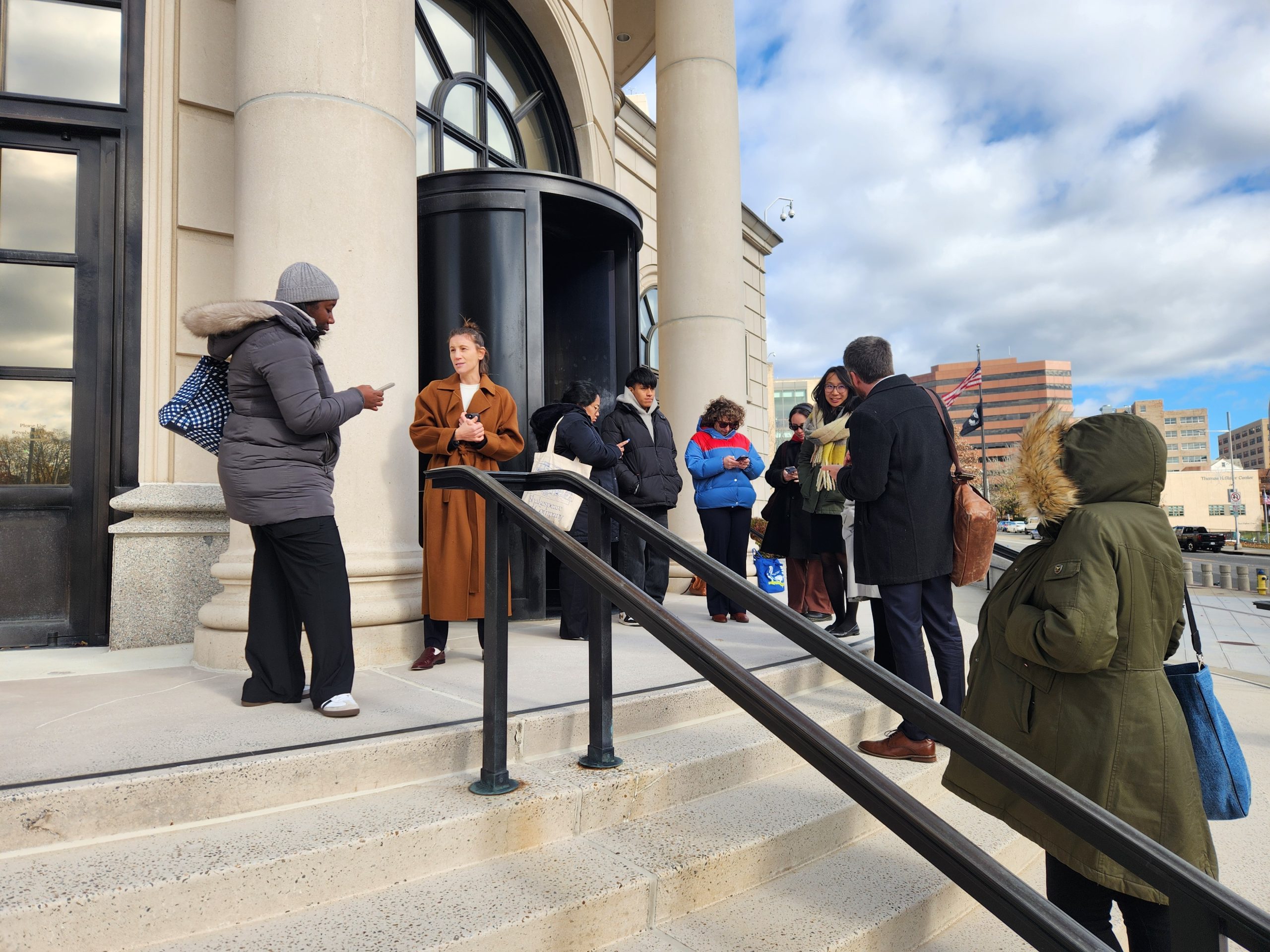
After 11 months in detention, L.C. was released after Hsia filed a prolonged detention habeas petition under Zadvydas v. Davis, a 2001 Supreme Court ruling that limits how long ICE can detain individuals when deportation is not reasonably foreseeable, which is generally around six months. Hsia said the ruling applies to many immigrants from Asian countries such as China, Vietnam, and Laos, particularly those who arrived decades ago, during periods of conflict or shifting borders, and may no longer be recognized as citizens by their countries of origin.
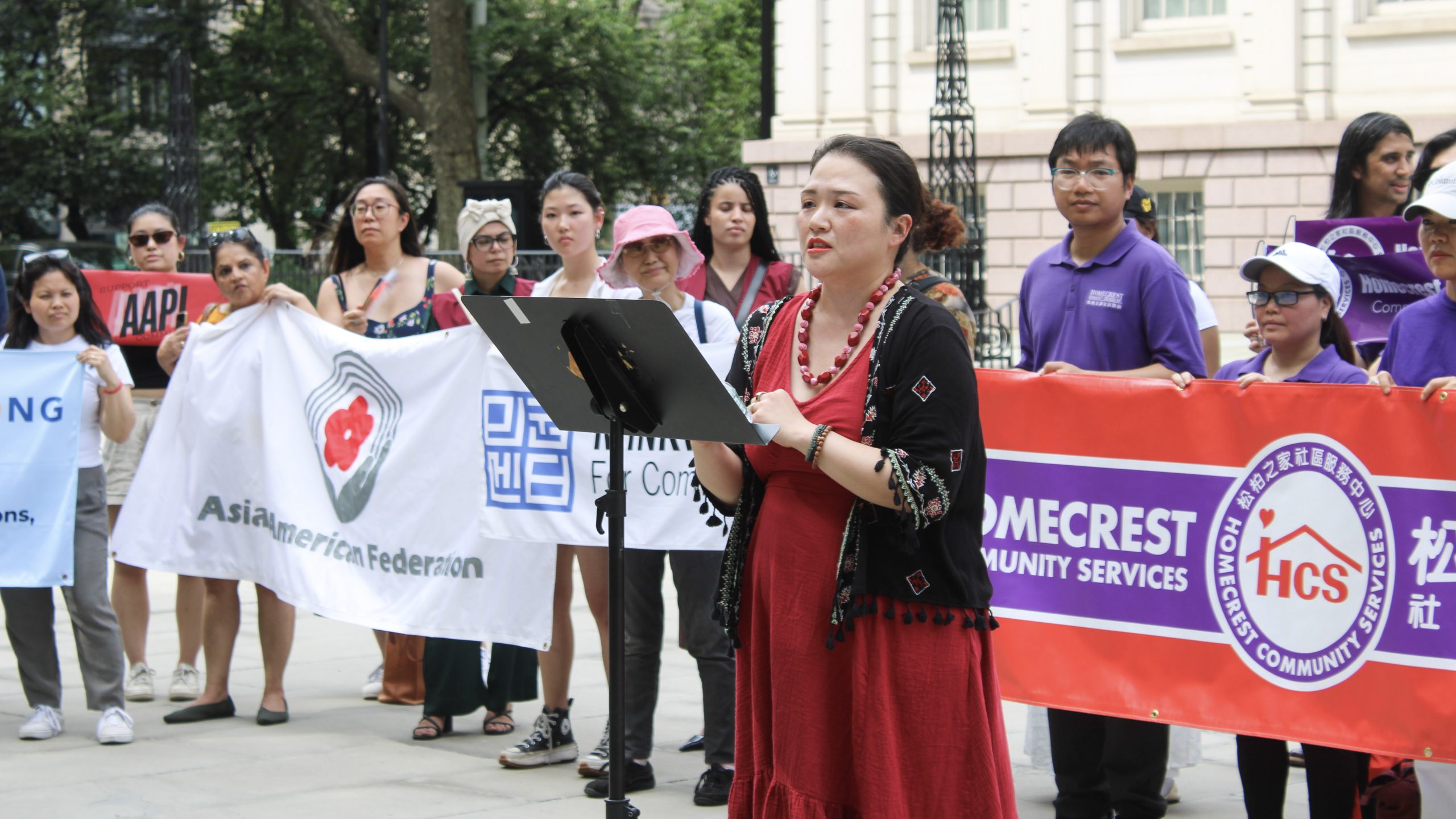
L.C. is one of many Asian immigrants in New York City who have received support from the Rapid Immigrant Support and Empowerment (RISE) Network, the only coordinated effort connecting Asian-led community organizations with trusted legal services providers across the city. According to the Asian American Federation, one of the network’s leading groups, RISE’s 15 member organizations serve 1.5 million Asian New Yorkers in more than 12 languages. In the past six months alone, RISE partners have assisted more than 2,200 people seeking legal support.
But advocates and elected officials warn the network is already at capacity. As ICE arrests among Asian immigrants rise, they say the safety net designed to support these communities is growing increasingly thin.
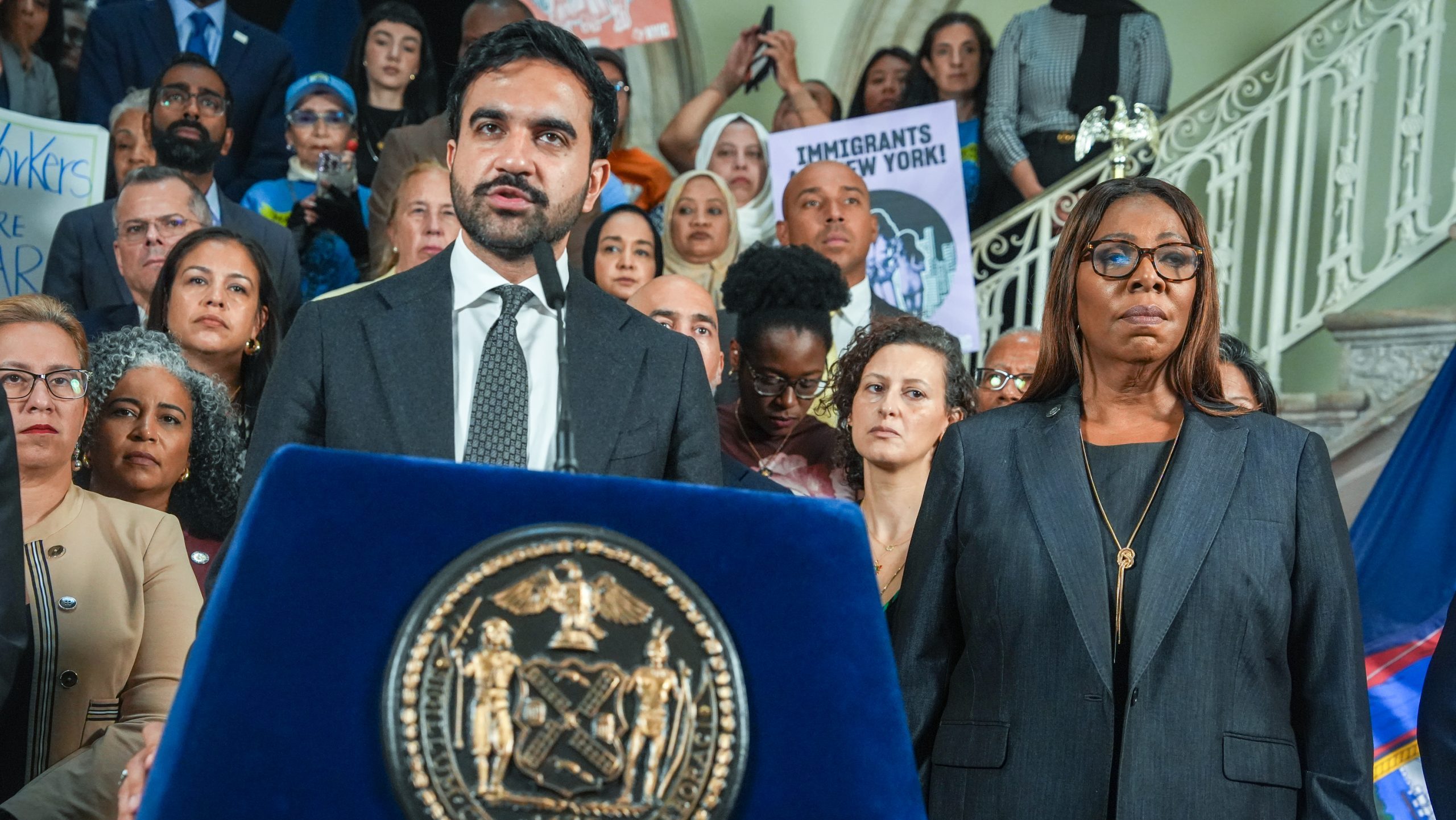
With the city’s budget deadline approaching at the end of the month, they are calling on the City Council to fully fund the RISE Network at $3.5 million in the FY2027 budget, an increase from $2 million last fiscal year. Advocates say these resources are urgently needed as immigration enforcement targeting Asian New Yorkers reaches historic levels. In May, Mayor Zohran Mamdani released his $124.7 billion FY27 Executive Budget, which includes about $33 million in funding for immigration legal services. While the mayor has emphasized that his plan aims to close a projected $12 billion deficit over the next two years, he has said it would not make major cuts to social services.
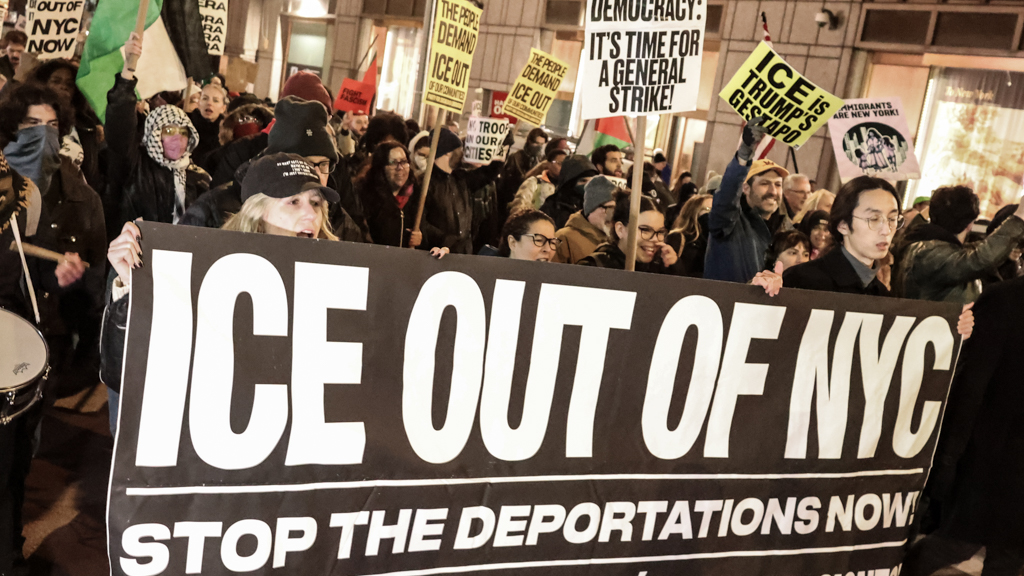
Asian immigrants make up nearly 30% of New York City’s non-citizen population, and have been one of the groups targeted by President Trump’s immigration crackdown. Between January 2025 and March 2026, ICE arrested 1,425 individuals in New York with Asian citizenship, a sevenfold increase from the same period under the previous administration, according to data from the nonprofit Stop AAPI Hate. In New York City, arrests of Chinese immigrants specifically have increased by 1,044% since 2024, while arrests of Bangladeshi immigrants have increased by 1,000%, as reported by The City Reporter.
“We have heard local officials pledge their support for our communities. But pledges are not protection,” said Catherine Chen, chief executive officer of the Asian American Federation. “A fully funded RISE Network is the answer. The demand is real, the need is urgent, and our communities cannot afford to wait.”
For many immigrants who are not fluent in English or familiar with the U.S. legal system, community-based organizations are the first place they turn when facing detention or other immigration challenges. These groups play a critical role in providing a safety net, even as they shoulder increasing demands in a tense political climate.
Carlyn Cowen, CPC’s chief policy and public affairs officer, said the organization has seen a surge in demand for legal services driven by immigration fears. “We’ve seen families being torn apart through detention by ICE, and the wait list for legal services grows and grows,” Cowen told Documented. “And it is incredibly hard to find services in languages that our community members speak.”
With RISE funding, CPC hired its first in-house attorney that speaks both Mandarin and Spanish. Over the past year, the organization has conducted more than 2,000 Know Your Rights trainings, provided 300 legal consultations, and taken on 100 cases, said Cowen.
Other organizations in the RISE network report similar trends. Lisa Zhen, director of social services at Homecrest Community Services in Brooklyn, said the organization served 350 clients in fiscal year 2025, but by May 2026 had already assisted 555, exceeding its target by 255%. Immigration-related services increased by 59% compared to the previous year.
One case involved Z. Shi, a 71-year-old man who speaks only Fujianese and needed to visit his 94-year-old mother in China but faced delays renewing his green card, according to Zhen. With Homecrest’s help, Shi, who requested partial anonymity, secured travel documentation within two weeks and was able to reunite with his mother.
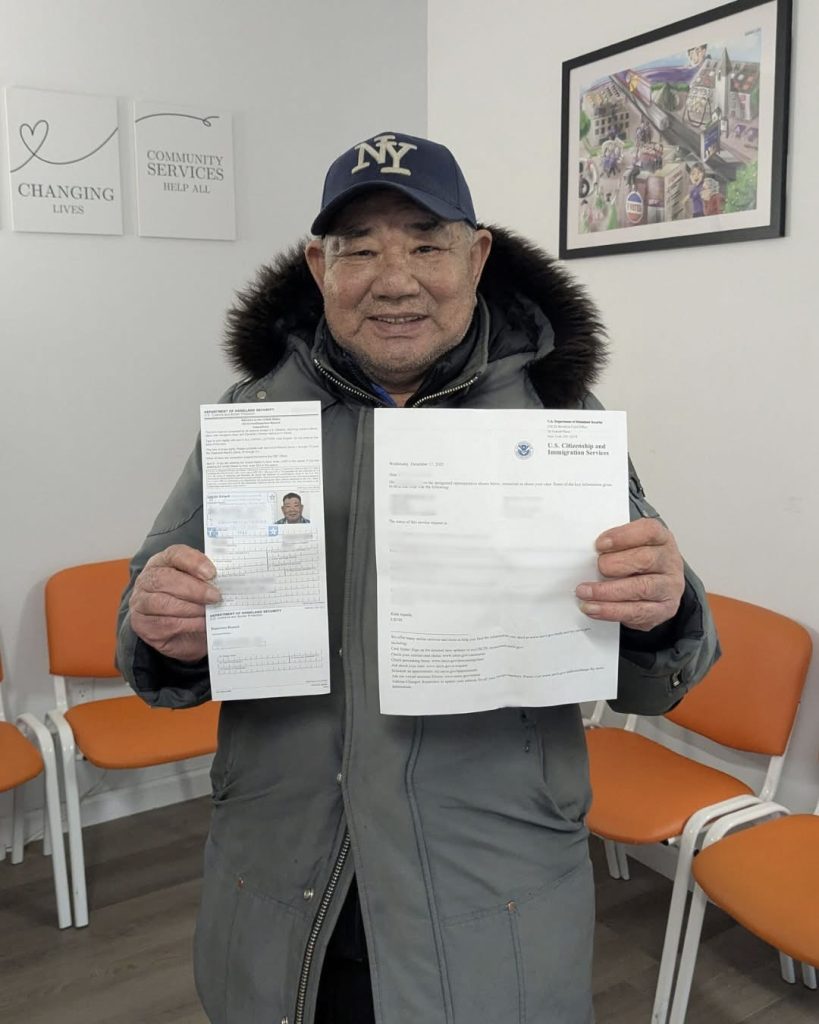
At Korean Community Services of Metropolitan New York (KCS), staff are seeing similar needs. Joyce Wong, a program coordinator with KCS, recalled the case of Kwon, a 53-year-old Korean immigrant whose green card was set to expire this March. (Kwon asked only to be identified by his surname.)
The $465 renewal fee posed a financial burden for Kwon. “It’s quite expensive,” Wong said. “Basically he had to choose between paying that money to apply for a renewal to maintain his legal status or continue keeping his Medicaid card that covers his basic essential needs.”
KCS helped Kwon secure Medicaid status, obtain a fee waiver, and translate his application between Korean and English. Wong emphasized that RISE funding has enabled the organization to expand its immigration legal services from about 250 clients to 300 over the past year, a roughly 20% increase. “More than 86% of the cases involved critical immigration matters that directly affected lawful status, employment eligibility, health care access, and also family stability,” she said. Over half of KCS’s clients needed green card renewals, nearly one-third applied for U.S. citizenship, and about 65% were seniors aged 60 and older, said Wong.
Local officials are also backing the push for funding. “Immigrants are best served by organizations rooted in their own communities — people who speak their language, understand their culture, and have already earned their trust,” City Council Speaker Julie Menin said in a statement. “That is why the City Council is fighting for a more than $80 million increase in funding for community-based organizations doing this work.”
Councilmember Susan Zhuang echoed that call. “As demand for these services continues to grow, I am proud to stand with the RISE Network in calling for continued and expanded support for immigrant New Yorkers and the organizations that serve them,” she said in a statement.
There are many Asian immigrants who remain in limbo, still waiting for outcomes in their cases and in need of assistance.
Last week, B.H. celebrated her seventh birthday without her father. Her father, B.Z., an asylum seeker from China who arrived in the U.S. in 2023, was detained by ICE last September after missing a check-in appointment due to injuries from a car accident while working a delivery job. He was later detained when he reported to 26 Federal Plaza. The family asked to only be identified by their partial names.
For months, B.Z. has called home daily from detention. Hsia is now working on his case, seeking his release through a prolonged detention habeas petition.
“They need a lot of community support in order to win these cases,” said Hsia, adding that organizations like CPC also provide emotional support and basic assistance, such as food and rent, for immigrants. “Make sure there is enough funding for the community work is super important,” Hsia said.