

When the Supreme Court announced the vote that would end Temporary Protected Status for hundreds of thousands of Haitian and Syrian recipients, Dalia had already been scanning the news for the decision.
The 45-year-old New Yorker, born in El Salvador, had already arrived at work when she heard the news. Dalia is a project manager at a large company in Long Island City — a job she had worked toward ever since graduating from CUNY in architecture two decades earlier.
Dalia, who requested to use her first name due to concerns about immigration enforcement, was not surprised — but she was sad. Not only for the hundreds of thousands Haitian and Syrian immigrants whose lives would be upended, but also for herself and the roughly 1 million other remaining TPS holders who would be impacted by the decision.

TPS is a humanitarian program created to protect immigrants from deportation in the United States who cannot return to their home country due to dangers like natural or political disasters.
The court’s decision not only ended TPS for certain countries, but it also took away the ability of federal courts to question the administration’s decisions to end protections, unless there are constitutional violations.
“Any day after tomorrow, Secretary Mullin [can] wake up in the morning and say, ‘You know what? I am angry with Salvadorians. We’re gonna cancel TPS.’ He will do it, and there is not the right to sue them if they don’t follow the [law] step by step,” said Jose Palma, a spokesperson for the National TPS Alliance.
For years, many TPS-holders, including Dalia and others like her, had their TPS protections saved or secured after federal judges questioned whether the Trump administration had properly followed the law when attempting to cancel a country’s designation.
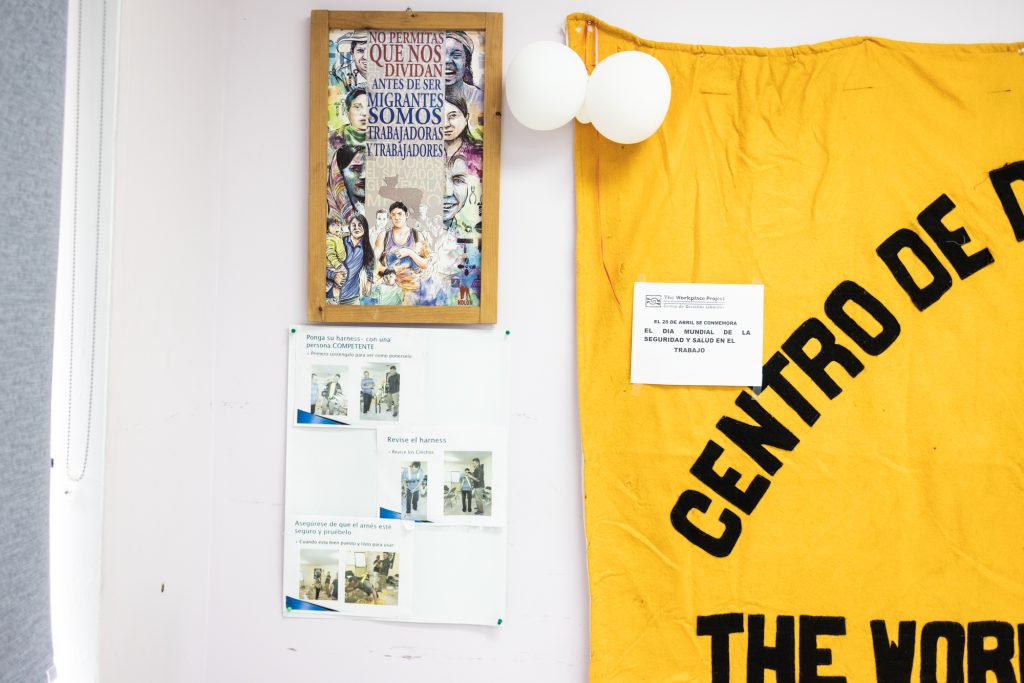
For Dalia and the other 23,000 New York-area Salvadorans who have TPS status, the clock is ticking loudest: tomorrow the government is due to announce whether it will extend TPS For El Salvador, which had protected her from deportation for over 25 years.
“We have to keep fighting until the last minute,” Dalia told Documented, noting that many of her peers have no other path to permanent residency even after nearly three decades of working and living legally in the U.S.
In El Salvador, she worries about how long the president’s repressive mass incarceration campaign will stand, and whether she could even find work as an older adult.
“I don’t have anything,” she said. “I don’t have a house or even where to live there.”
While TPS protections were granted for Salvadorans through early September, the government is required to give 60 days notice of extension or termination. If the government does not give a determination or extends the protections, Dalia and others will, for a time, be able to breathe easier.
However, if the opposite happens, it would be devastating: She would lose her work permit, and with it, her income and any legal way to support her family and pay the mortgage for the home she just bought in Long Island.
Dalia’s entire family, including her mother and siblings, and community are all in the U.S. She arrived in New York City as a teenager in the wake of El Salvador’s Civil War and while violent gangs began to sweep the country. Since then, she has only been back once.
Returning to El Salvador voluntarily is “not an option,” she told Documented after coming back from a Fourth of July camping trip with family.
Not so temporary
An end to Salvadoran TPS would be not only a very real human crisis but a symbolic blow to a program long-attacked by anti-immigrant voices within the Trump administration.
As a TPS holder from El Salvador, Dalia is one of the longest-standing recipients of the humanitarian protection, which was created by Congress in 1990 to specifically protect Salvadorans from returning to a country ravaged by civil war.
In 2001, Dalia and her compatriots who arrived before that year were given the opportunity to apply again for TPS after two earthquakes devastated the country, making return impossible.
While the humanitarian program was meant to be temporary, it has been extended year after year for over 25 years as El Salvador struggled to recover from persistent natural disasters and systemic violence.
In New York and elsewhere, Salvadorans under the program grew deep American roots. They started businesses, bought homes and raised families of U.S. citizen children. To keep their TPS status, Dalia and others like her had to keep squeaky clean criminal records and were required to pay income tax.
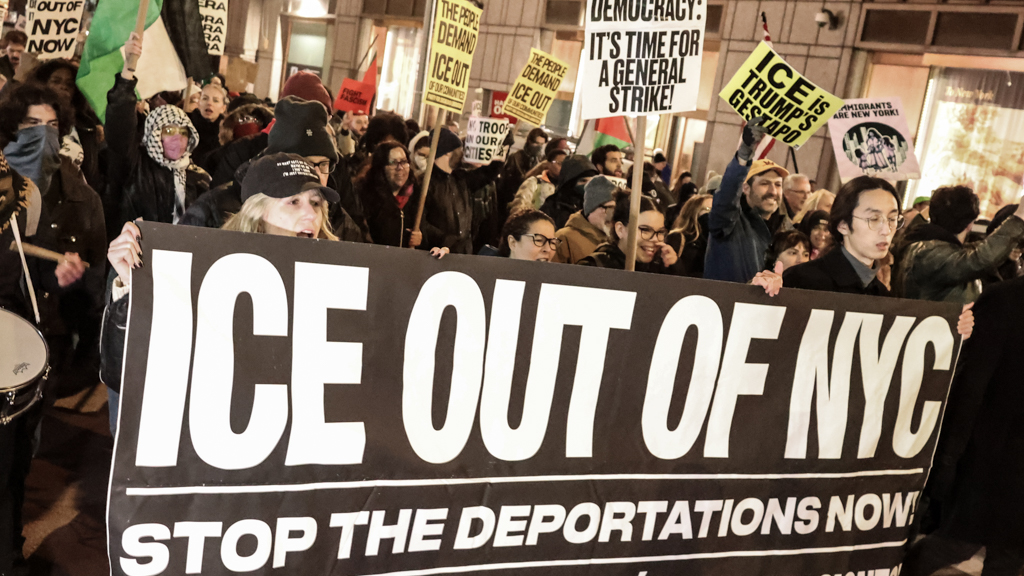
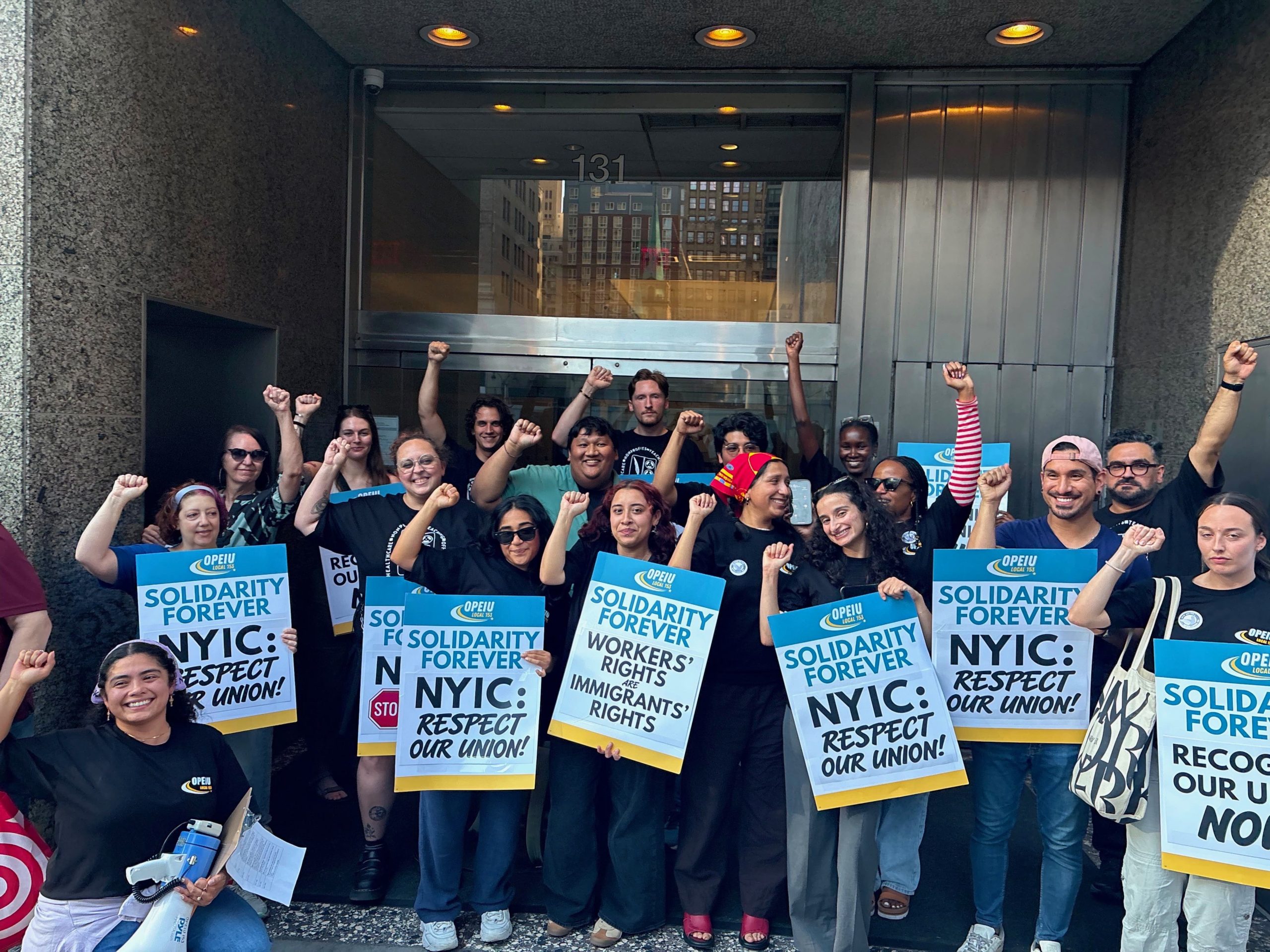
Over the years, TPS holders have also rallied for a pathway to citizenship, one that they were never afforded. They marched on Washington, held hunger strikes, and lobbied lawmakers for a permanent solution to staying in the country.
The extensions continued, but a deadlocked legislature never passed meaningful relief, despite multiple bills put before congress calling for more permanent stays.
When Trump came into power in his first term, he rescinded TPS for El Salvador in 2018, but TPS holders and their children pushed back by filing lawsuits which held their status intact until President Joe Biden reversed Trump’s edict in 2023, extending TPS for another 18 months. The Biden administration based that extension on environmental conditions such as ongoing natural disasters, food insecurity and lack of access to clean water.
Now, in the wake of the Supreme Court’s decision, the Salvadoran community which has lived and worked legally in the U.S. for nearly three decades is finding itself at the mercy of Trump’s anti-immigrant government yet again — with little recourse if the president decides to once again end the program.
Because the Supreme Court ruled to limit TPS holders’ right to challenge the administration’s decisions to end protections, TPS holders from countries like El Salvador, Ukraine and Sudan and others mired in lawsuits over the end of their protections are now more vulnerable than ever to being sent home.
Since the second Trump administration, the government has ended TPS for over a dozen countries. However, three other countries remain, waiting for the dates their fates will be decided by lawmakers who have repeatedly criticized the program.
“Let me be ABUNDANTLY clear: Temporary Protected Status is just that: TEMPORARY. Democrats tried to turn this into a defacto amnesty program. President Trump put a STOP to it,” wrote Homeland Security Secretary Markwayne Mullin on X in late June.
“Now even if the president makes decisions arbitrary to the law, judges can’t stop him,” said Doris Landaverde, an organizer for the Northeast United States with the National TPS Alliance.
“My message is that we don’t become divided,” said Landaverde. “That we fight for all the TPS communities that we have seen suffer the consequences of losing TPS status.”
Local leaders
Over 23,000 Salvadoran TPS-holders live in the New York City metro area, according to a 2017 estimate by the National Immigration Forum. One in every eight Salvadoran residents is protected by TPS, according to the Mayor’s Office of Immigrant Affairs.
TPS holders play a critical role in the economy. According to a study released this month by Cornell University, TPS holders are employed at a 94.6% rate and paid nearly $1.3 billion in federal taxes in 2021 alone. In New York City, TPS recipients generated an estimated $241.M in Gross City Product in 2017.
Natalia Navas, co-author of the Cornell study, said that every TPS-holder symbolizes a family as well.
“Attacking one person means attacking the whole family,” said Navas, a Manhattanite whose father is a TPS-holder and works at a small business on Long Island. “Businesses losing out on people, community members who are engaged in organizing, and church members, union members, right. So it’s not one person you remove and goes away to whatever country they send us to, it’s really attacking the fabric of our communities.”
Like many Salvadoran TPS holders, Gladys, a 72-year-old home healthcare worker who asked not to use her last name for immigration concerns, fled her country during a civil war which ended in 1992. She has been living and working in the U.S. ever since and has paid taxes for decades.
In the years after she arrived in the U.S. in 1991, Gladys participated in advocacy for a pathway to residency for TPS holders. She was interviewed on TV and participated in hunger strikes on Capitol Hill.
Now, she mostly worries about losing her social security check and facing old age with little support through health scares or for retirement.
“I still work,” she told Documented. “But if they change TPS, if they take it away, we lose everything.”
Navas told Documented her family’s greatest fear is about what will happen if the program ends.
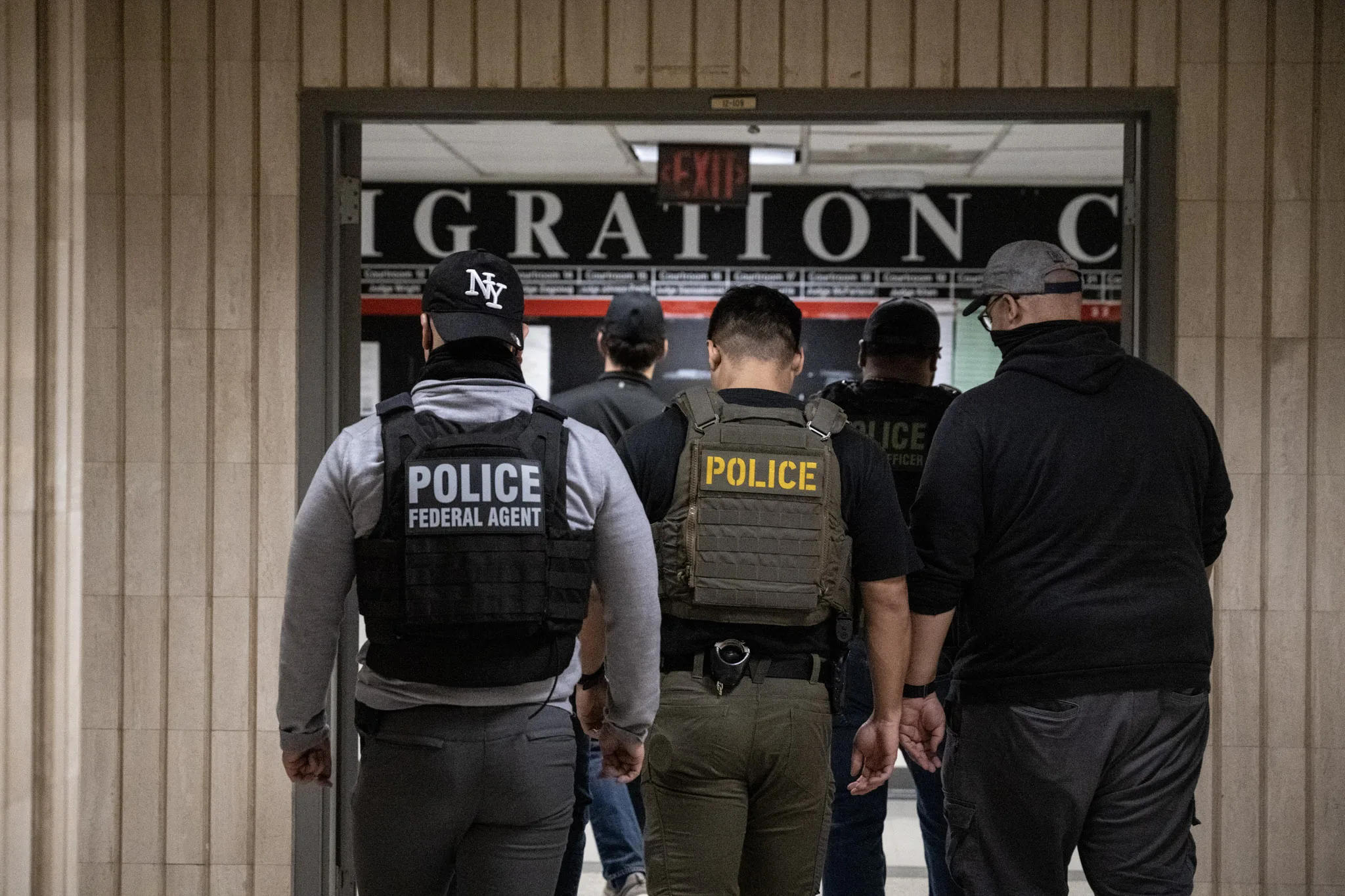
“They will just have this list of people that they know where to go find, and they’ll come to raid their houses,” she said. “For my father, he’s in his early 60s, so he has medication he takes, and we’ve seen what’s happening in detention centers, so when we’re worried about what can happen to him, it quickly spirals into the worst case scenario.”
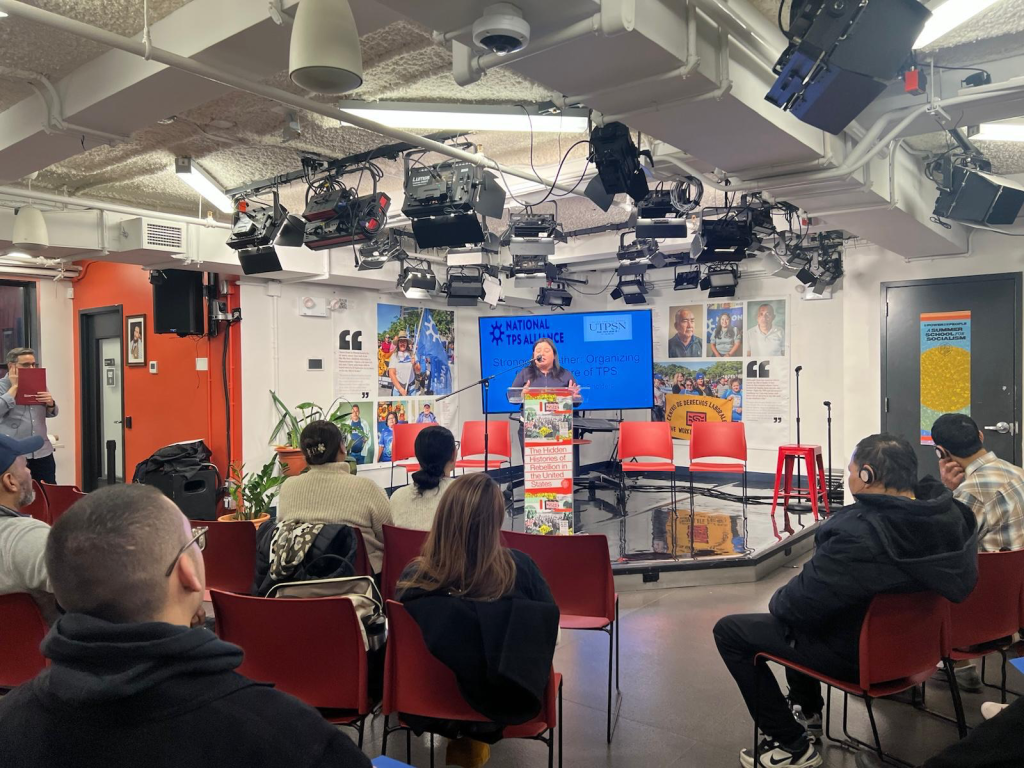
However, Navas says she has found inspiration and strength in young people who are still willing to fight. Navas herself has been a volunteer organizer for the National TPS Alliance in New York City — and just last week met with more young people fighting for the rights of their parents to stay.
And their advocacy has not fallen on deaf ears. Recently, some elected officials have spoken out on the issue, including Tom Suozzi of Long Island and others across the country. In New York City, uptown Rep. Adriano Espaillat, chair of the Congressional Hispanic Caucus, said an end to the program would “punch down” in a Wednesday press release.
“Homeland Security Secretary Markwayne Mullin has a choice to make: He can renew TPS for El Salvador, strengthening families, communities and our nation’s economy, or he can wreak havoc on the lives of 170,000 fully vetted Salvadoran TPS beneficiaries and the 277,000 U.S. citizens — including 150,000 children — who live with them.”
“When I first got involved, I got involved because I was worried about my father,” Navas told Documented. “And then the more I got involved, the more I was reassured by the resilience of people who are not going to let lawmakers decide the narrative of their lives.”
Meanwhile, many TPS holders such as Dalia and Gladys have been scrambling to find a way to stay in the country, if the worst-case scenario happens.
Dalia told Documented that she has been approved through a family petition to get a visa, but the government limits how many visas are given away through family petitions annually, and she has already been waiting in line for eight years. While she waits, she would have no right to a work permit without her TPS. Gladys has no such alternative.
As TPS-holders nervously watch for the Trump administration’s edict, they are once again pushing Congress to pass legislation that would give them residency in the U.S.
“We’re going to keep fighting,” said Navas. “And if we lose, at least we can tell our children that we tried.”