



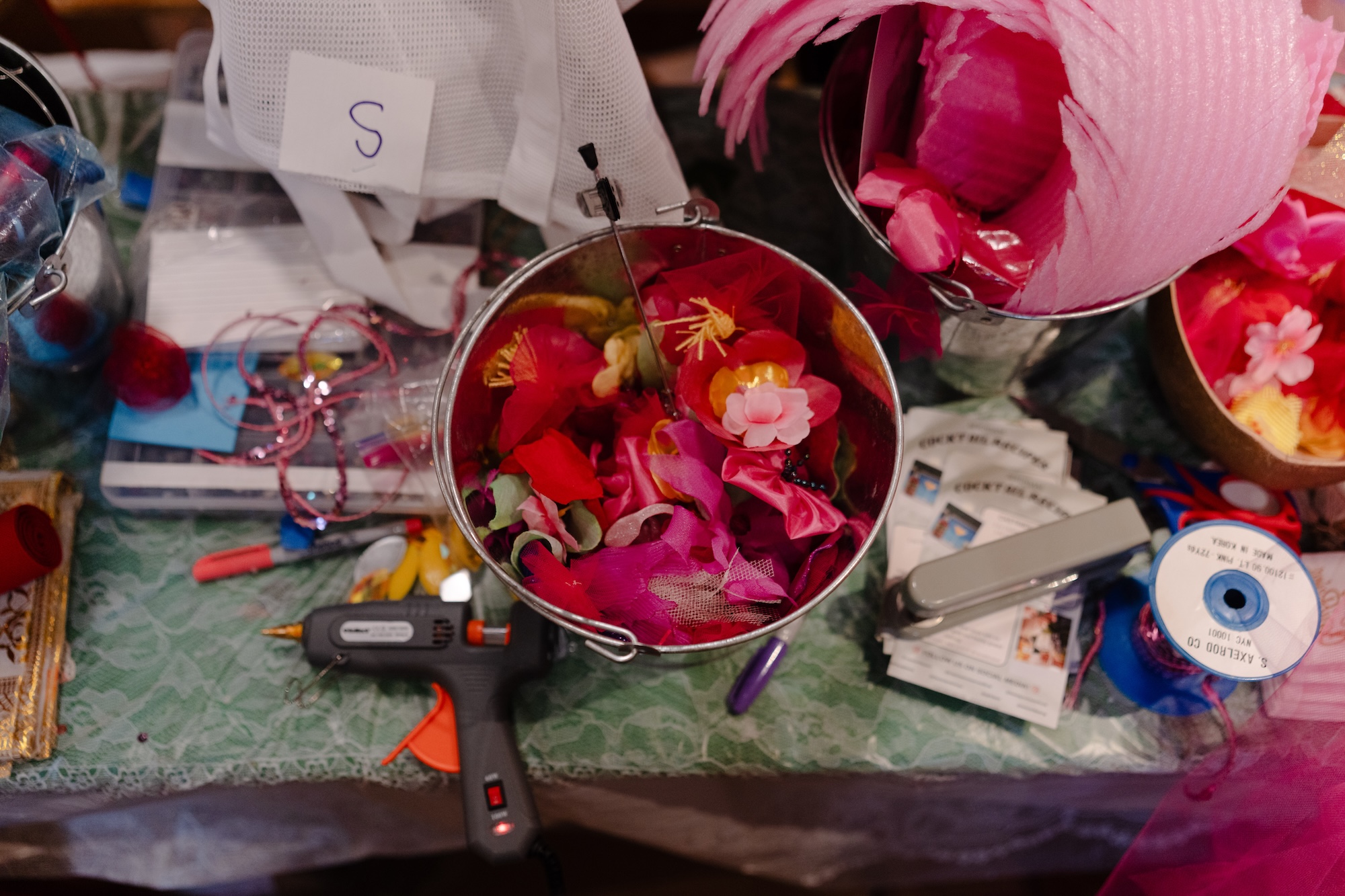
It was a sultry, late summer Saturday night on Nostrand Avenue, and the small CaribBEING storefront was bustling. Neighbors gathered around a table, carefully adding feathers and beaded flowers to headpieces; sequins to fabric; and tulle to homemade tutus. Laughter, music and the smell of hot glue filled the room.
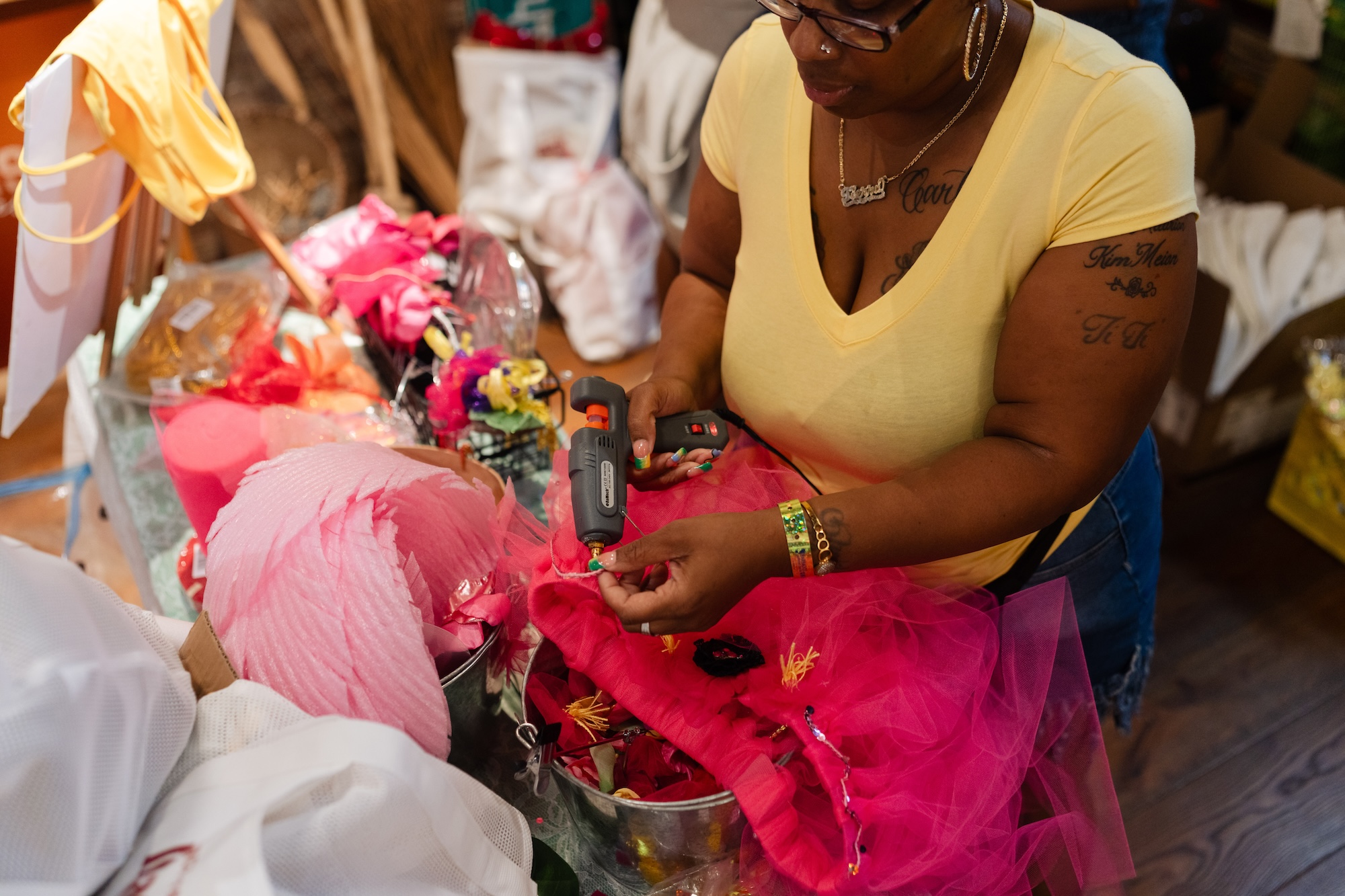
Members of CaribBEING, a Brooklyn-based organization celebrating Caribbean culture across the city, were gathered together for what they referred to as “mas camp,” a workshop to prepare for the upcoming Caribbean Carnival celebration.
While Carnival is typically a pre-Lenten celebration, taking place in February in the Caribbean — in Brooklyn, where the winters are a bit harsher, the tradition has been shifted to Labor Day, when the weather is more accommodating.

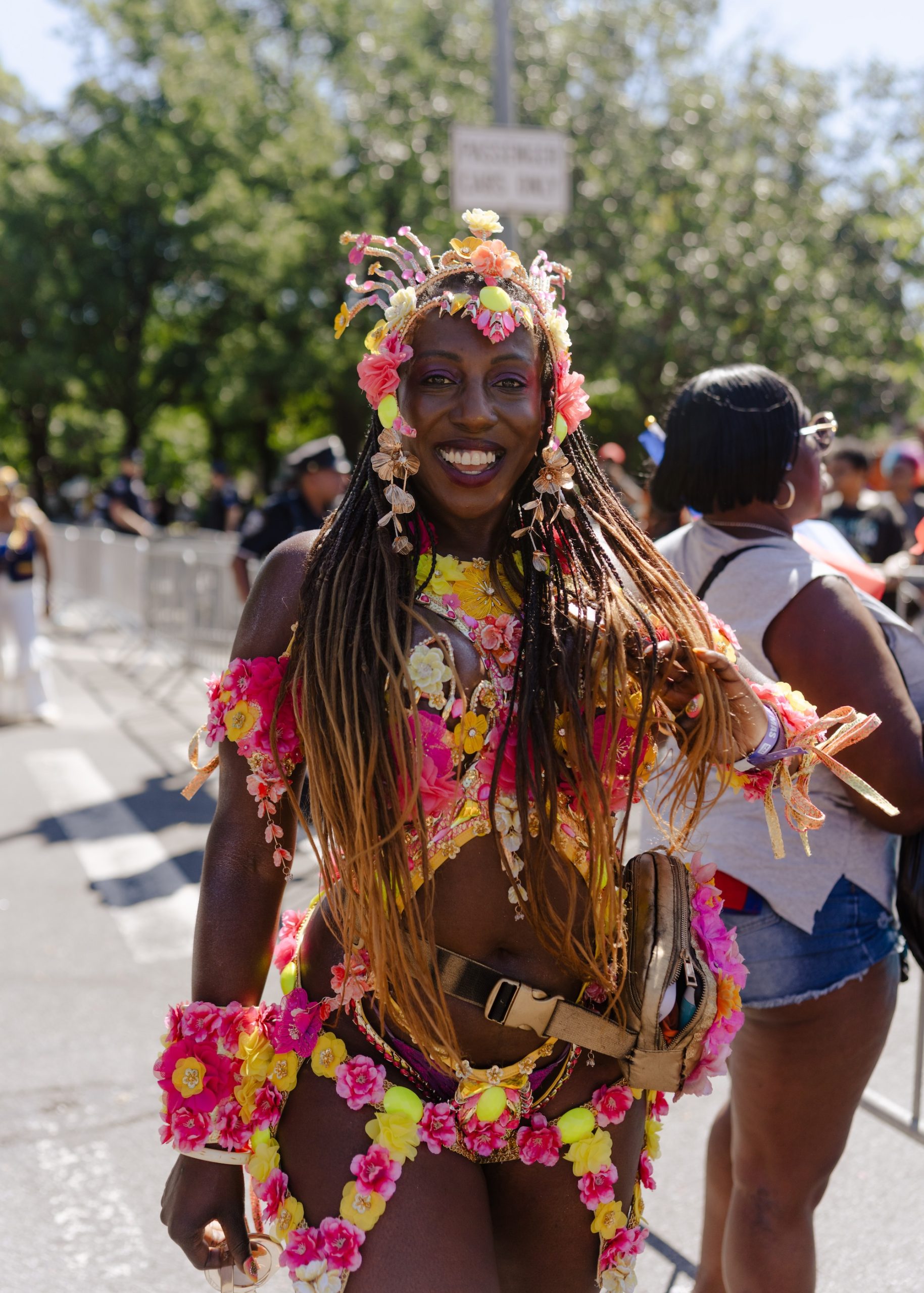
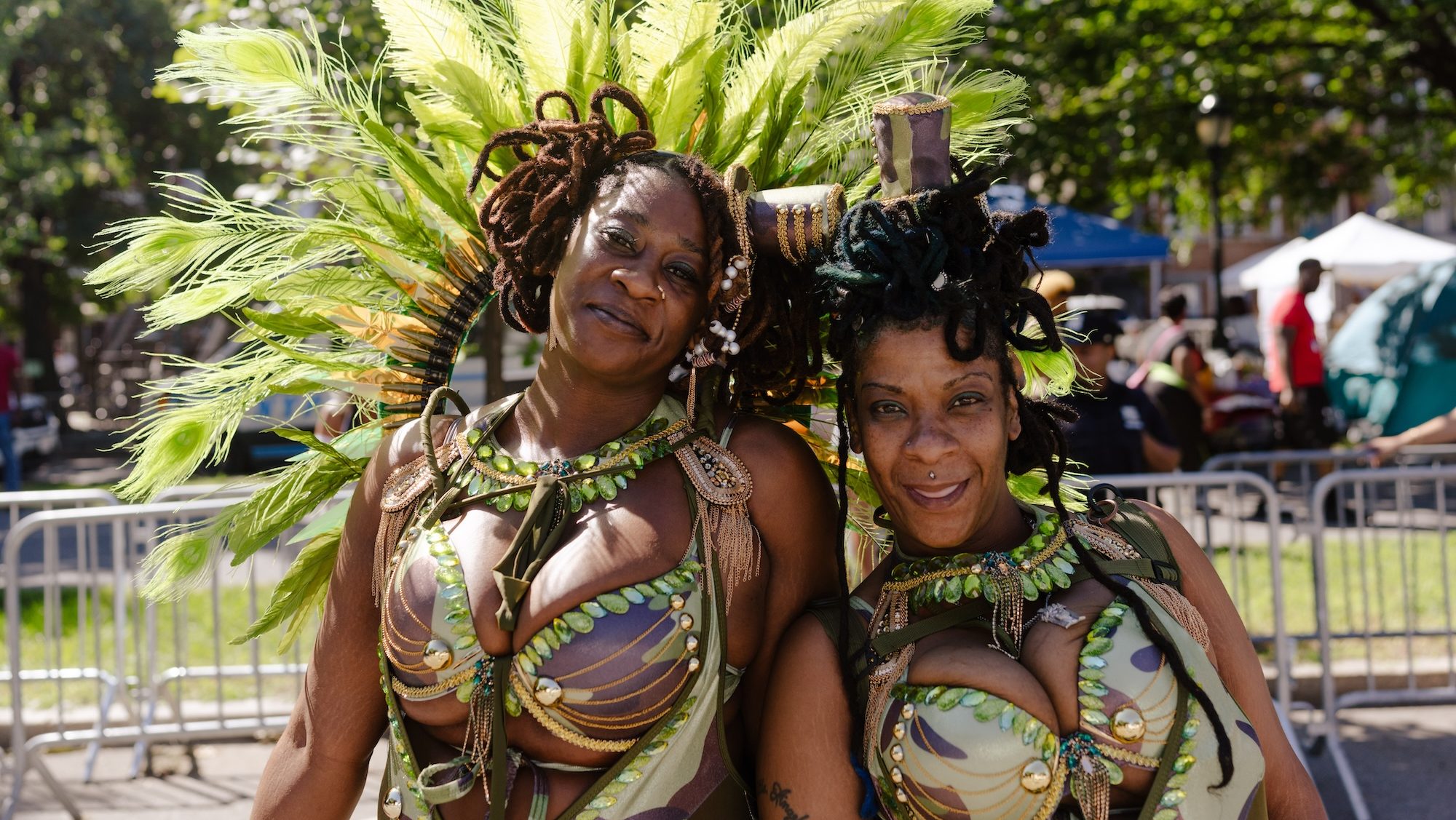
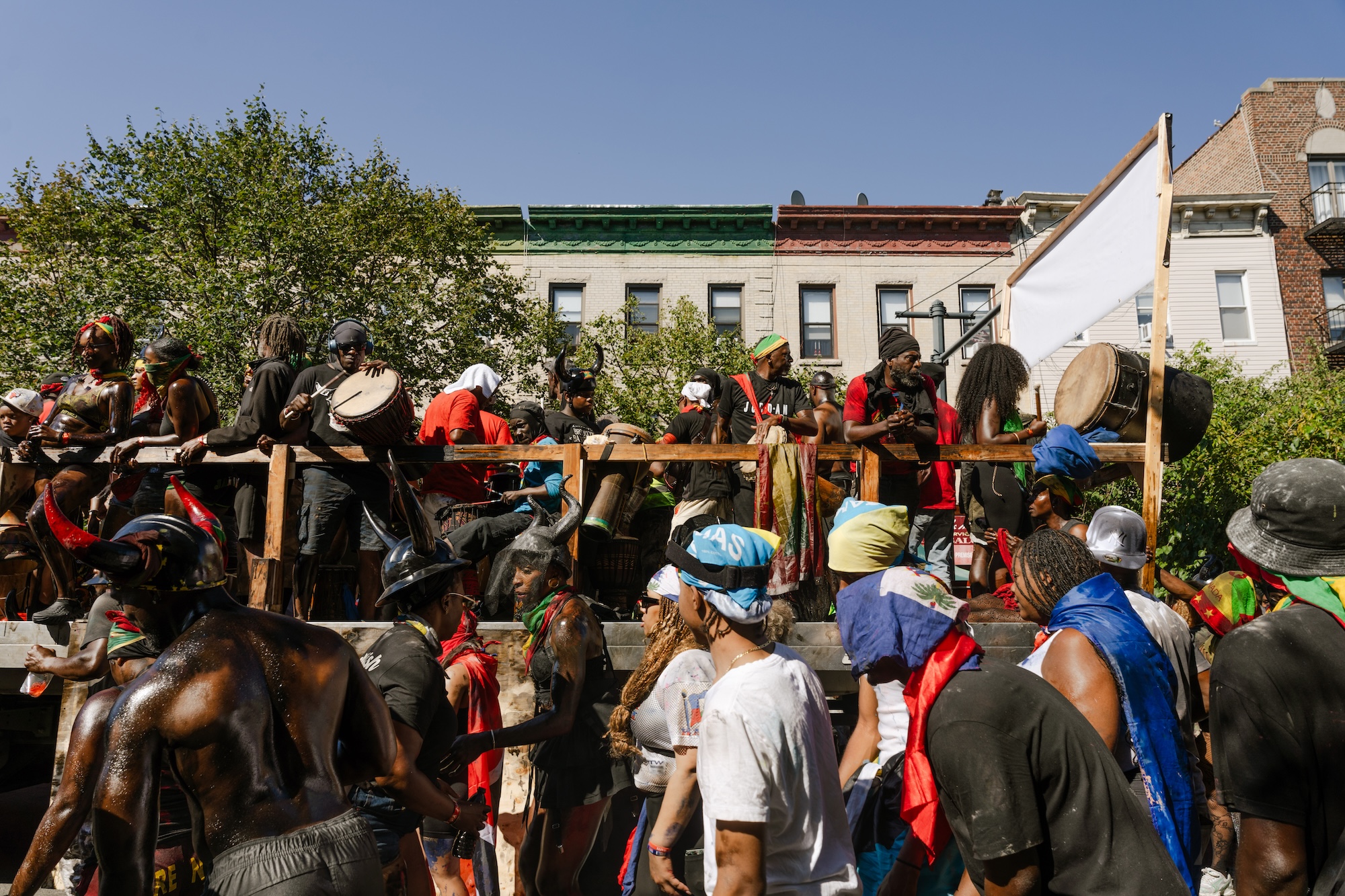
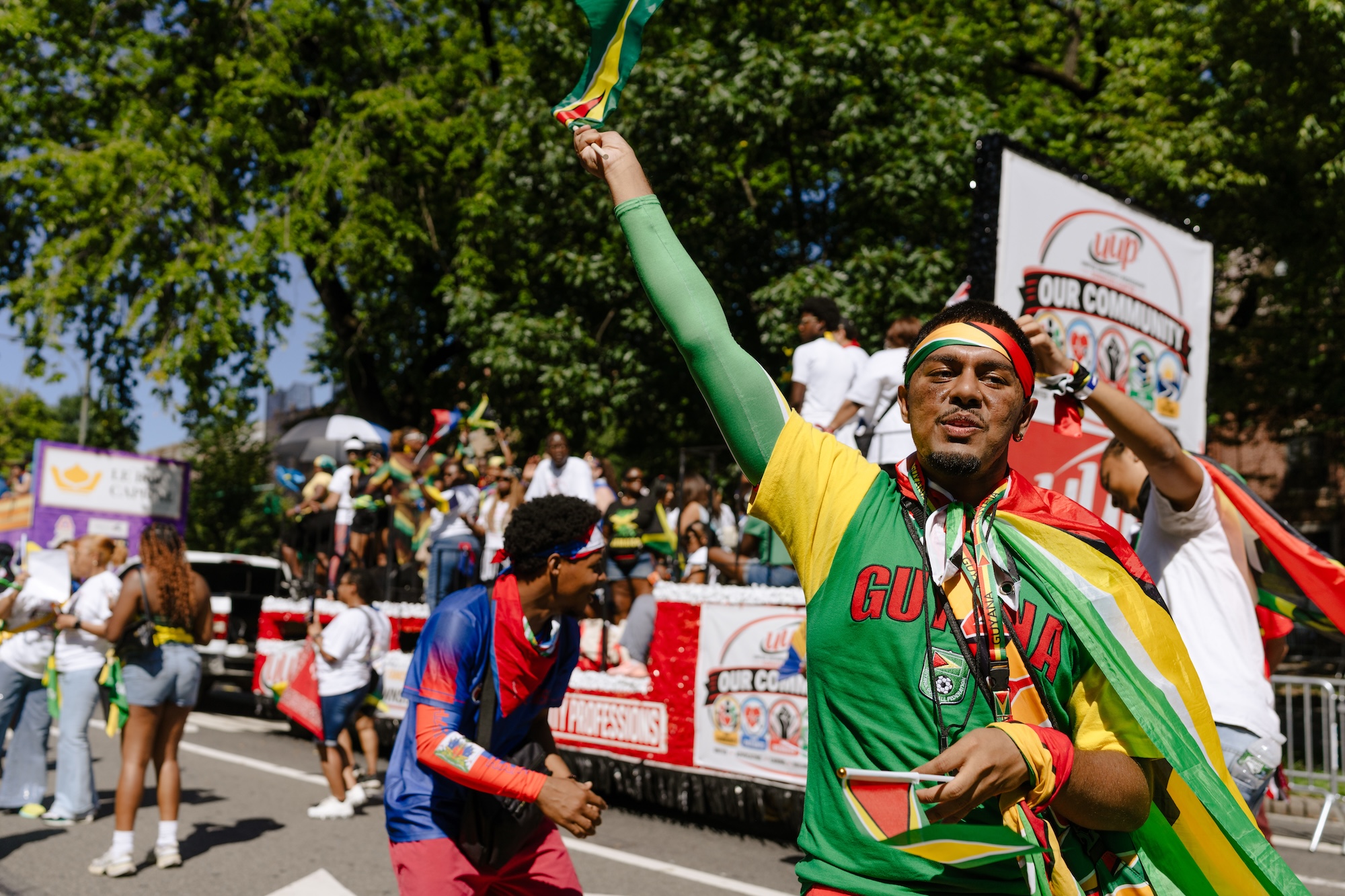
To mark the occasion, colorful floats, frilled and feathered dancers and vibrant “mas bands” joyfully made their way down Eastern Parkway in Crown Heights as a celebration of cultures from across the Caribbean. Each year, an estimated 1 million to 2 million spectators line the parkway along Prospect Park’s northern border to watch and join in on the festivities.
On the nights leading up to the main event, the energy on the streets of Brooklyn’s Little Caribbean was palpable. Soca music filled the air as families came out to visit with one another and enjoy sweet and savory bites from the neighborhood: boiled crab, ice cream cones, cups of diced, fresh fruit and sizzling blackened chicken, straight from the grill. These kinds of impromptu sidewalk hang outs are known as “liming” in Caribbean culture, explained Alison Ford, a CaribBEING volunteer who was working on her costume at that night’s mas camp.
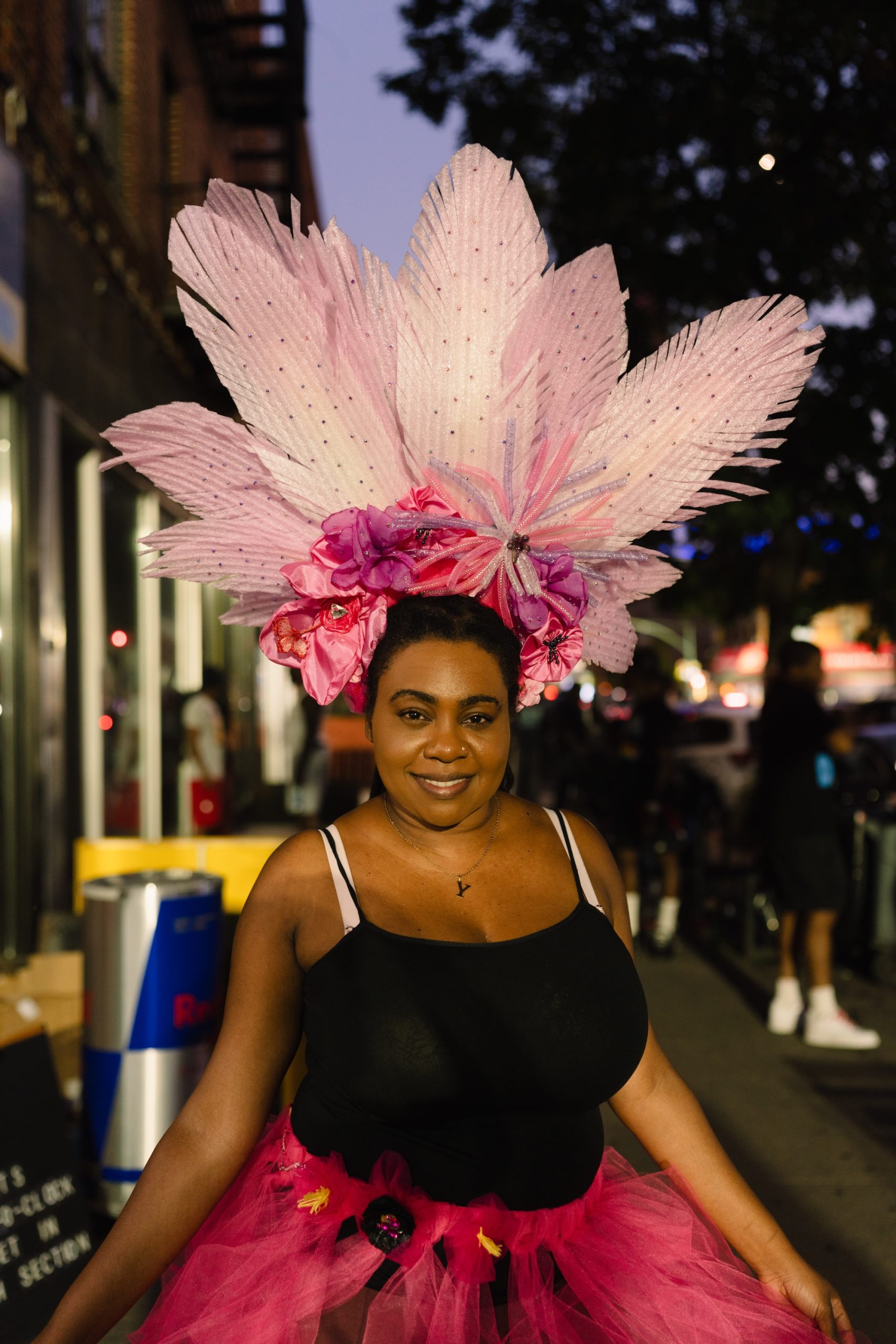
“Nothing can keep me away from my original home of Brooklyn, especially during this time of year,” Ford said.
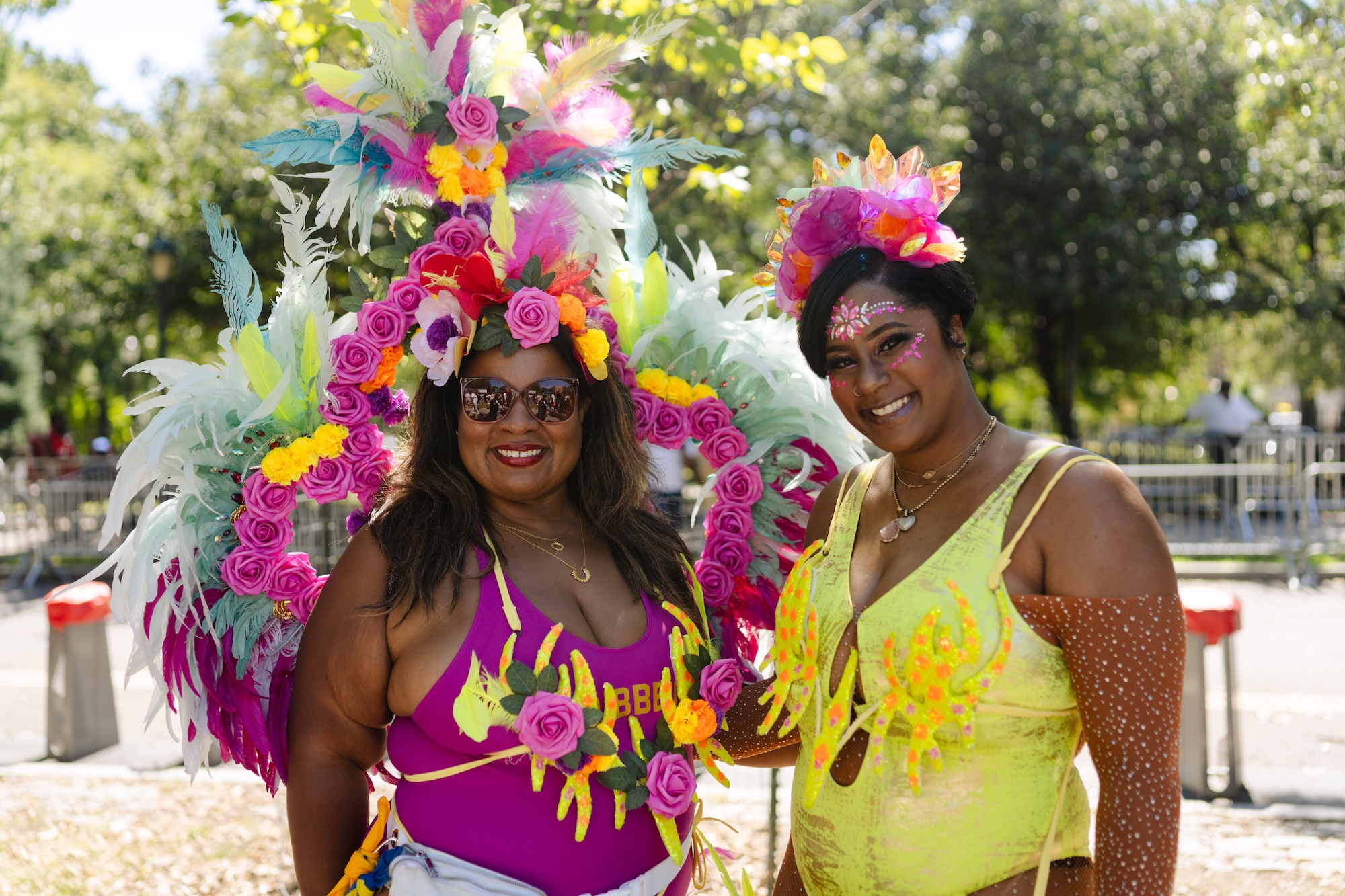
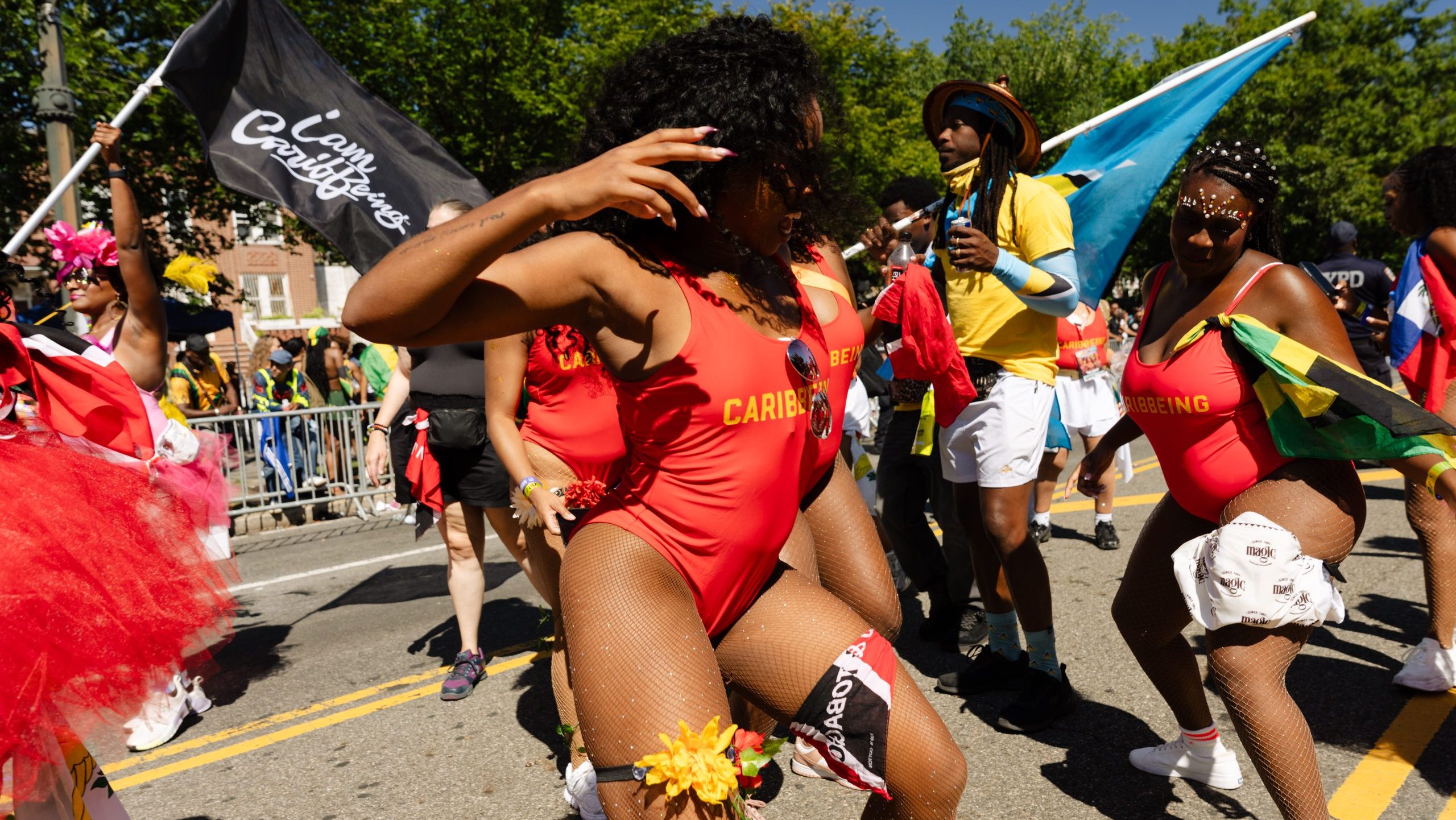
While many Carnival groups, known as “mas bands,” organize around a particular home country, CaribBEING, founded in 2010, takes an intentionally diverse approach — carving out a place for community members from places like Haiti, Guadeloupe, Trinidad and Colombia to work side by side to prepare for Monday’s parade.
“We’re all from different backgrounds, but in the end, we’re all here sharing the same thing, which is the love of Carnival and expressing ourselves,” said Yassema Amos, a volunteer from the island of Guadeloupe who now lives in Brooklyn.
Ford, whose family is originally from Barbados, grew up in Crown Heights. Though she now lives in Manhattan, she still makes the journey to Little Caribbean in Flatbush often for the community and familiar culture.
This year marks CaribBEING’s fifth year participating in Brooklyn’s Carnival celebration.
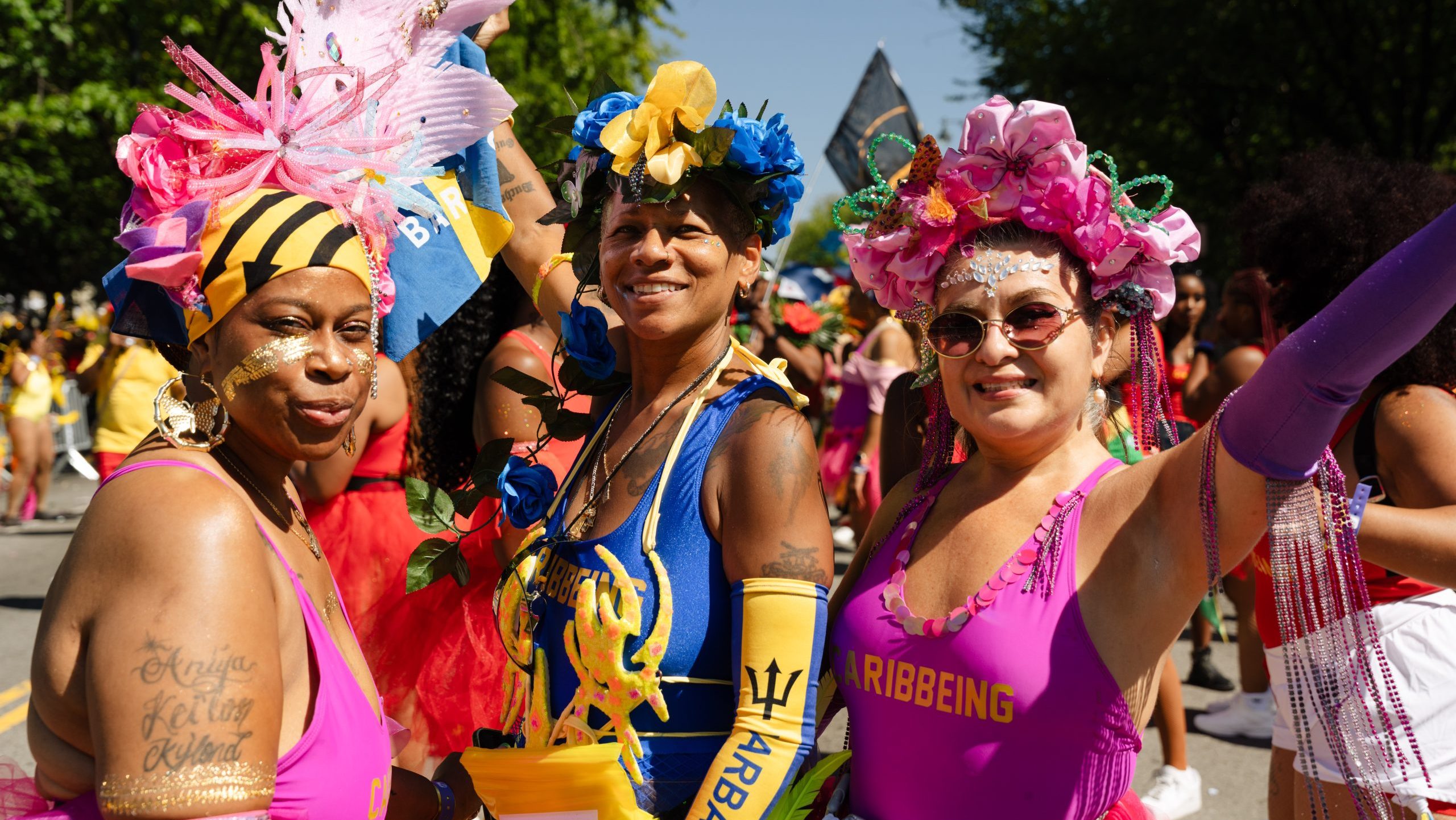
“This year, we’re playing ‘In Full Bloom,’” said Shelley Worrell, CaribBEING’s founder, referring to the group’s theme for their 2026 Carnival costumes. “We feel like the community is definitely blooming and thriving.”
The celebration comes at a time when Brooklyn’s historically Caribbean neighborhoods in Flatbush and Crown Heights are experiencing a lot of change. Worrell, a first-generation Trinidadian American who grew up in Flatbush, also acknowledged that the neighborhood is evolving, as rent rises and nearby neighborhoods like Crown Heights see an influx of higher income and white residents.
Ryshelle McCadney, a volunteer and longtime participant with CaribBEING, said that some recent neighborhood celebrations in the area were shut down following noise complaints from newer residents.
“Newcomers are welcome,” McCadney said. “But when you come into a diverse community that has a form of cultural expression, maybe explore it. Consider maybe joining rather than seeking to stymie.”
The communities served by CaribBEING also face growing risks as immigration policy shifts and ICE ramps up operations across New York City. This summer saw a surge in ICE arrests across the city, as well as the end of Temporary Protected Status for Haitian immigrants.
“I would imagine that there’s a lot of trepidation this year about coming out to the parade, especially for those impacted by TPS,” said Worrell.
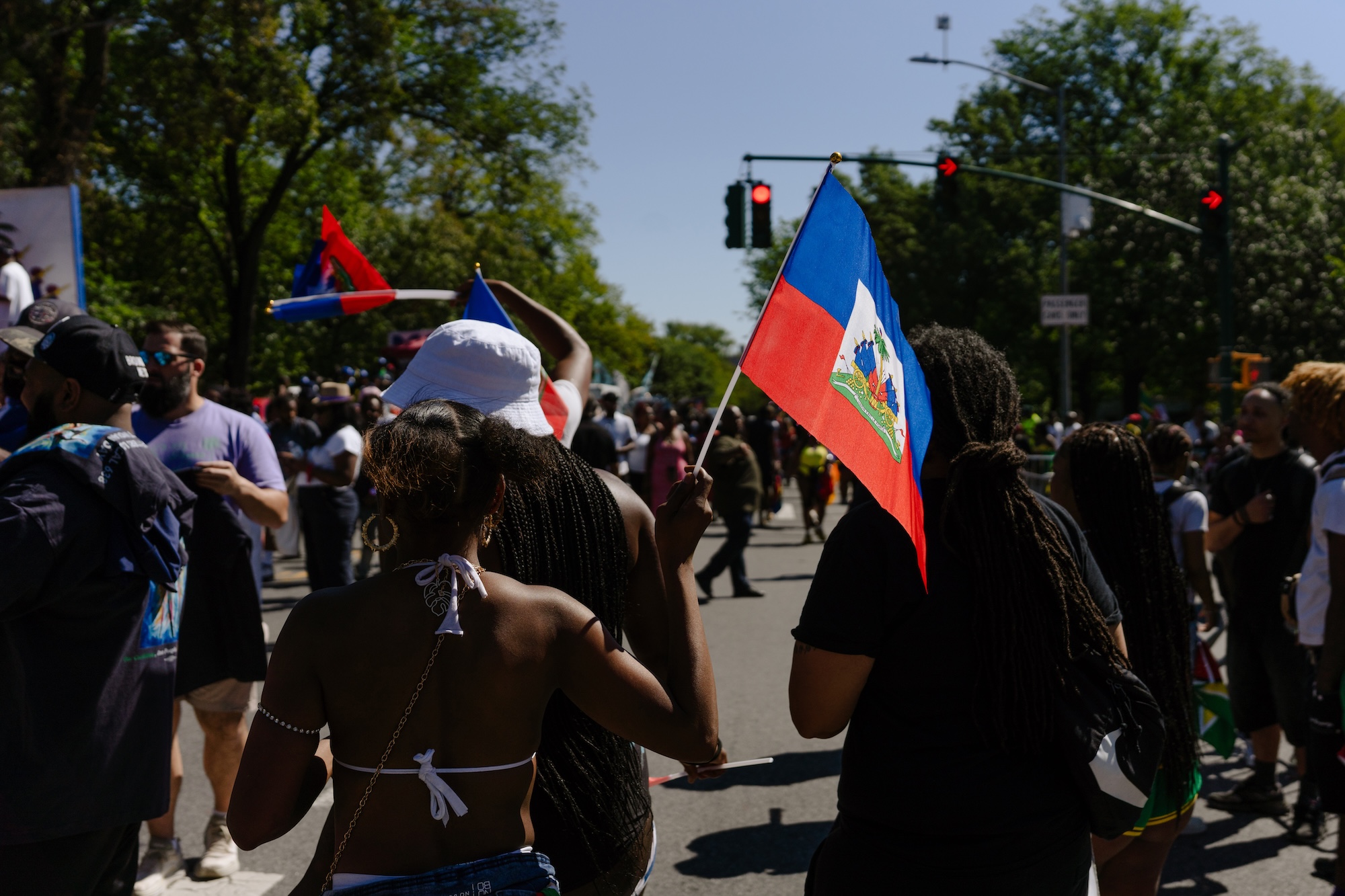
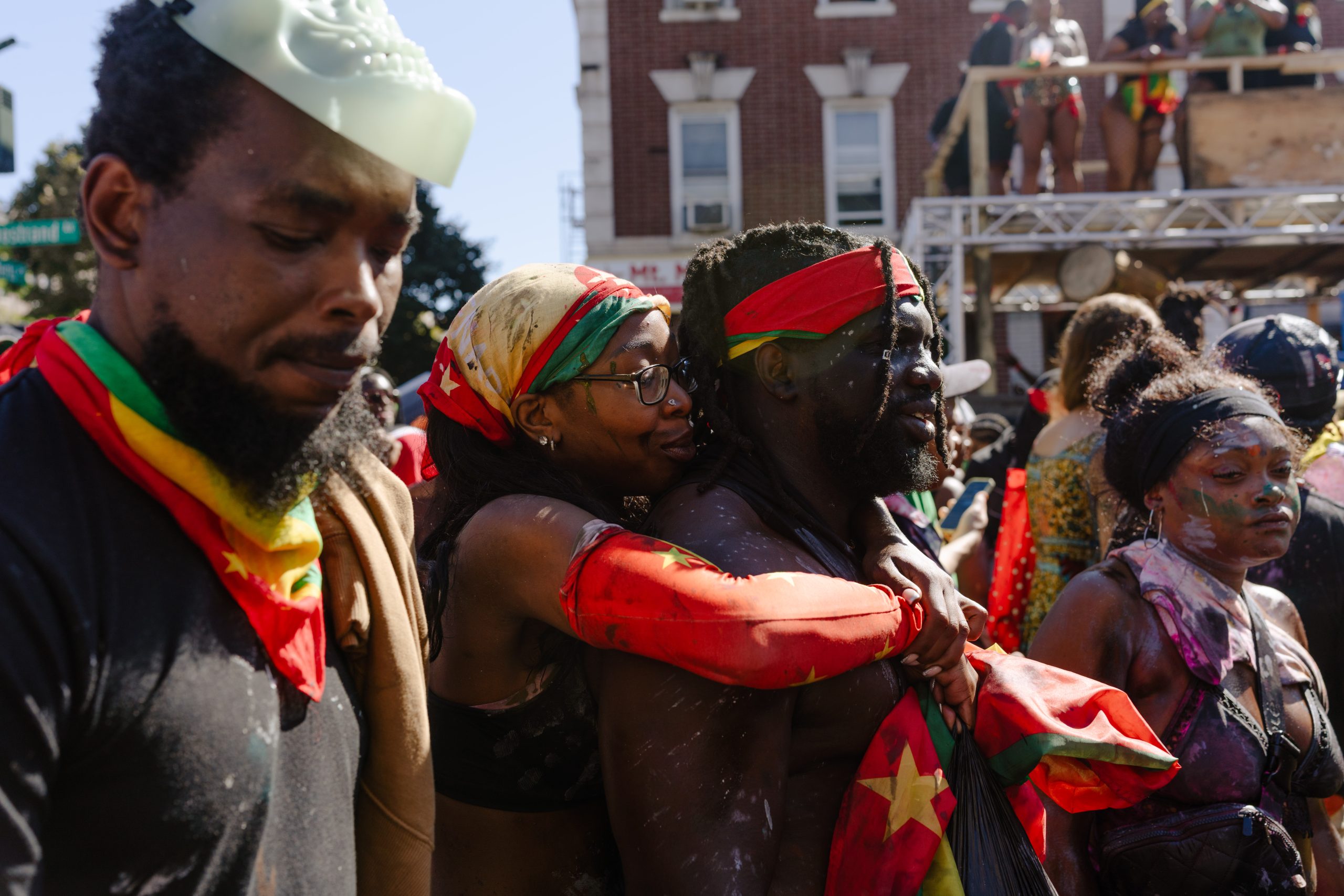
In spite of all of this, the prevailing atmosphere along the parade route this year was one of celebration. Hundreds of thousands of people lined the streets, waving flags, dancing and enjoying jerk chicken, roasted corn and freshly squeezed lemonade.
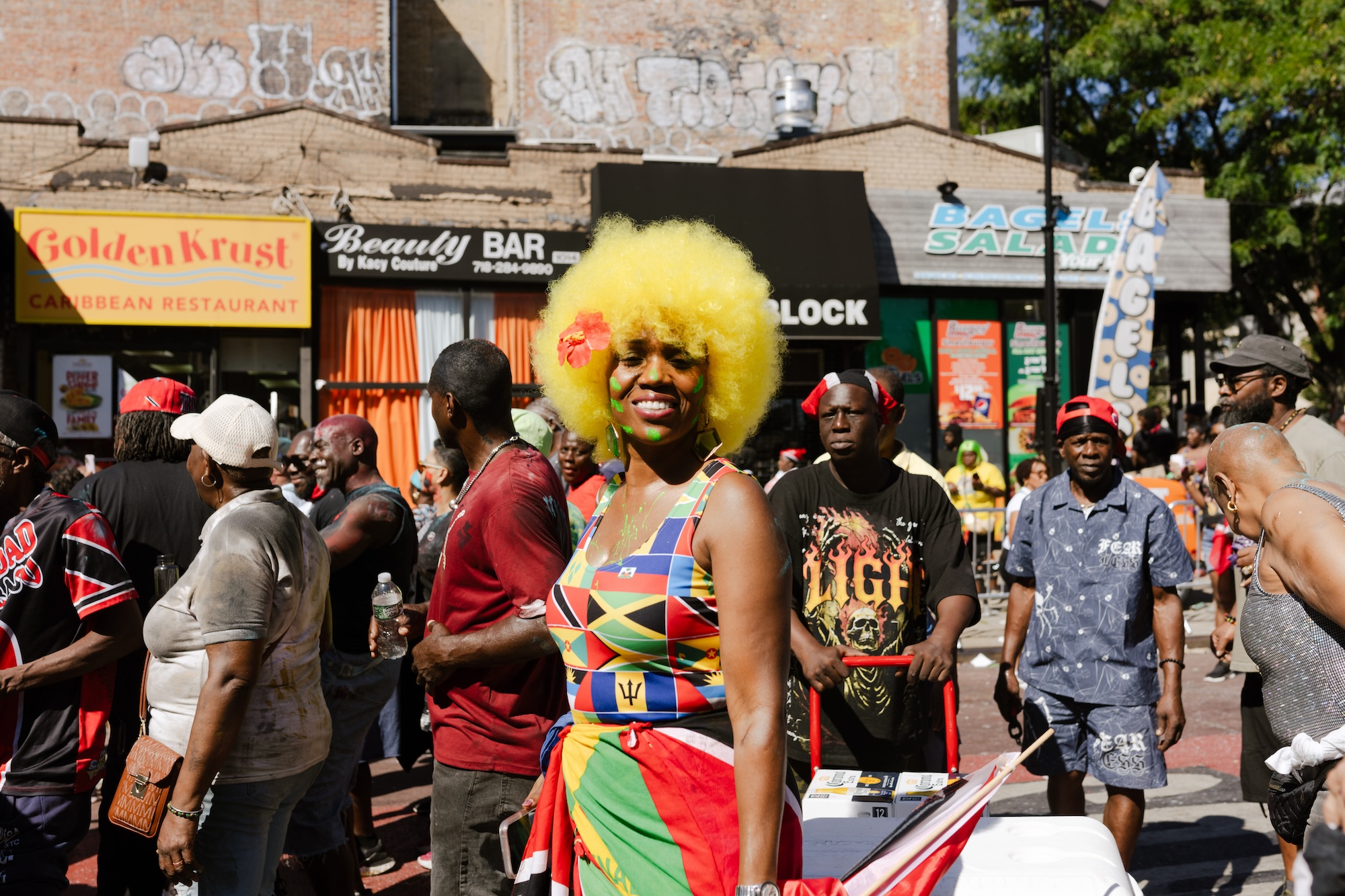
“For me, [the Carnival celebration] is about freedom of expression and honoring my ancestors,” said McCadney. “All my grandparents have passed on. It’s my way of honoring them and thinking about their lived experience growing up in places that were colonized and then moving to this new country. It’s a chance to reflect on their experience and also have the freedom to express myself, however I feel.”
Correction: An earlier version of this article incorrectly stated that CaribBEING founder Shelley Worrell grew up in a Grenadian family. Worrell is in fact a first-generation Trinidadian American. This article has been updated to reflect that.