

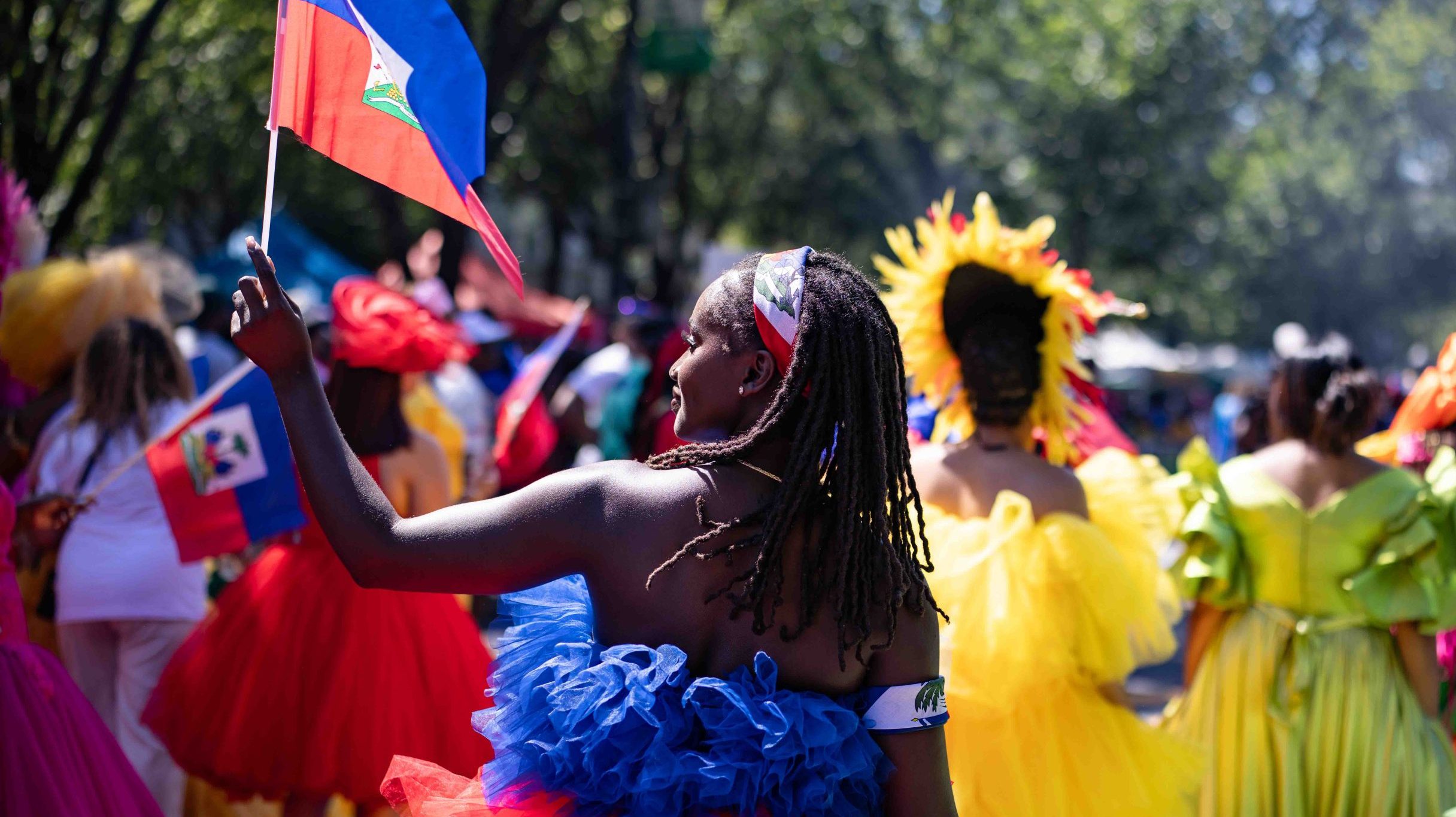


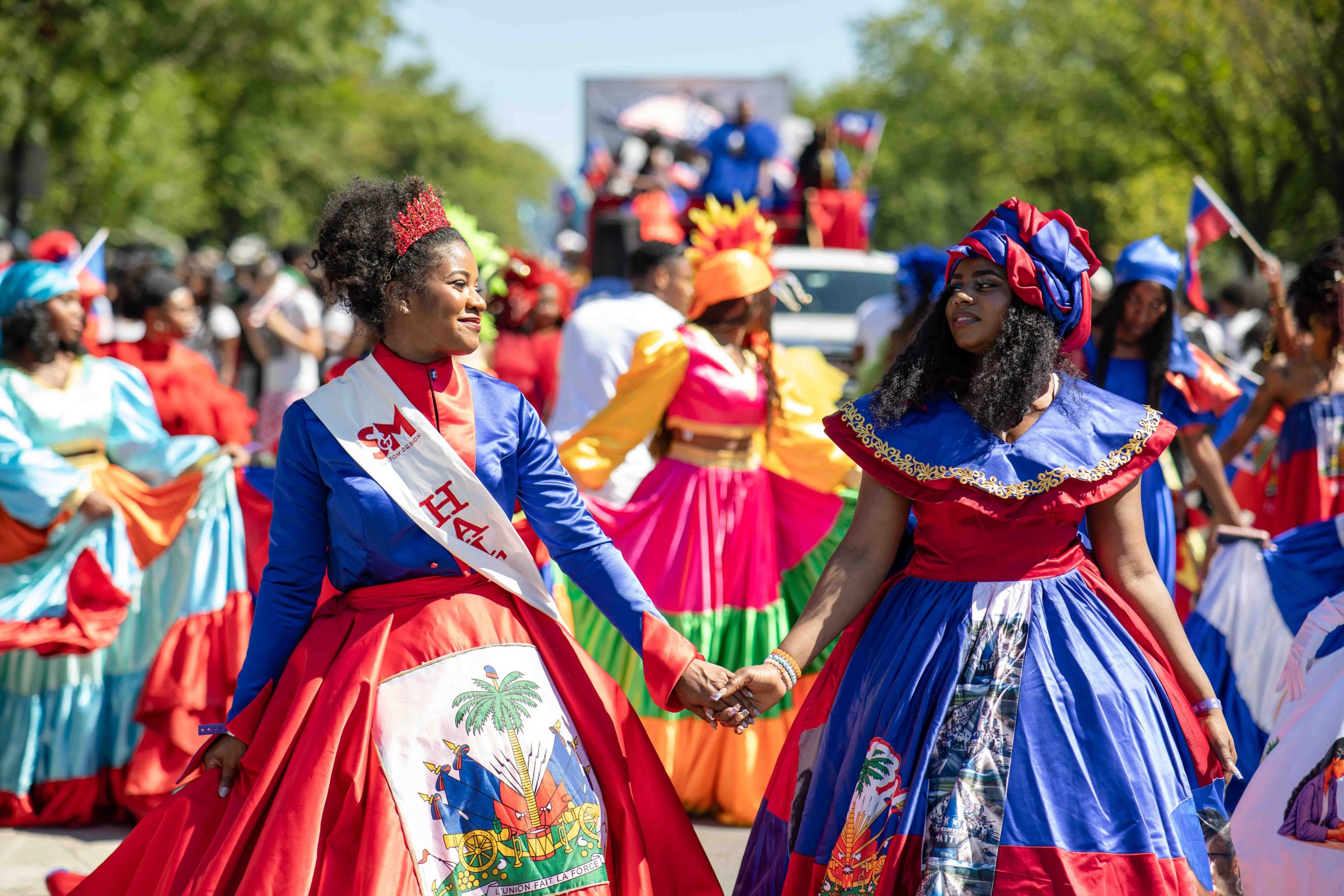
For a few hours on Monday afternoon, Eastern Parkway felt less like a Brooklyn boulevard and more like a living, public declaration of Caribbean pride and especially, Haitian identity, as the Trump administration has stepped up enforcement against them after ending Temporary Protected Status (TPS).
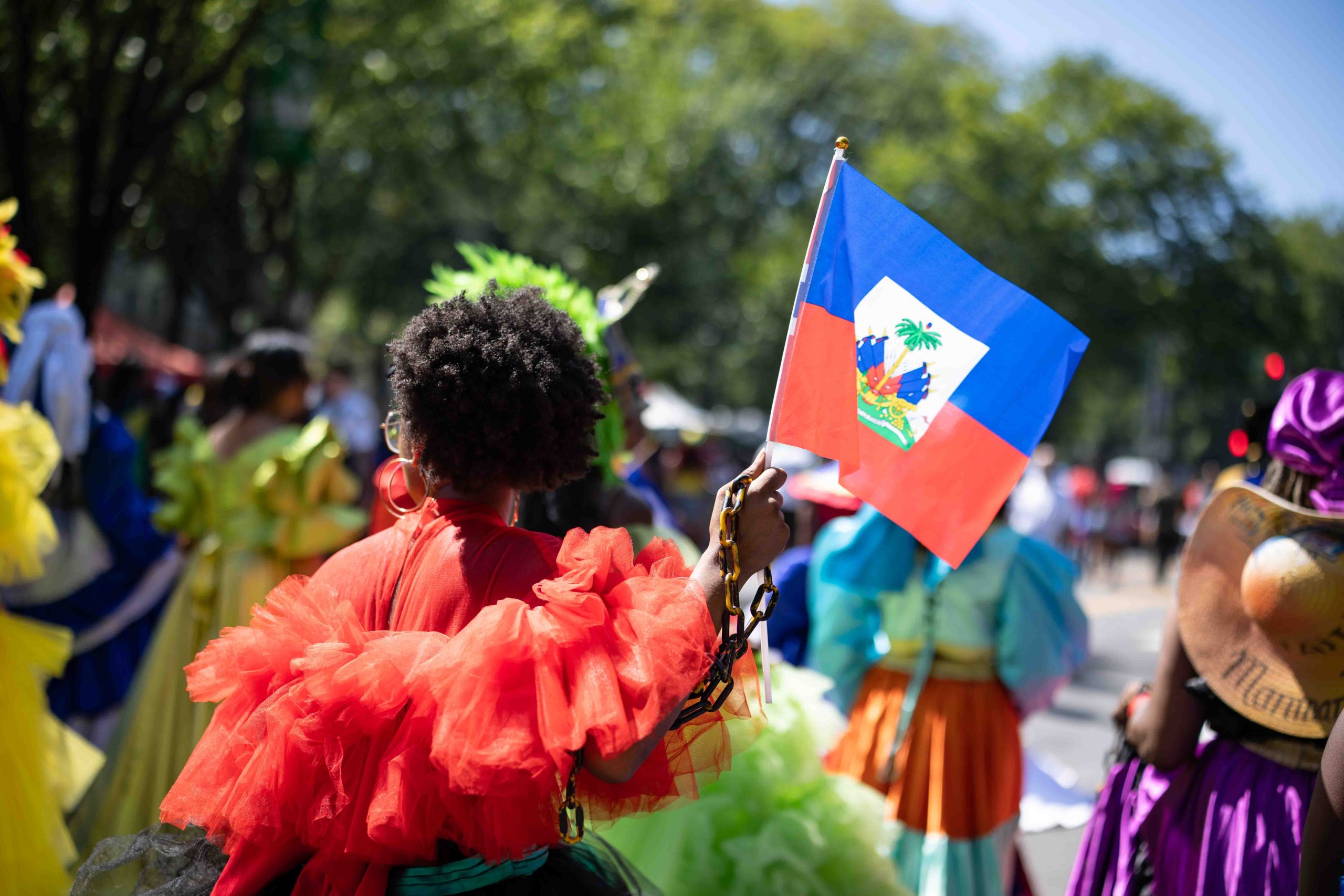
The beat of soca, calypso, reggae, and other Caribbean rhythms rolled down Eastern Parkway as dancers, decked out in bright, elaborate costumes, moved joyfully between flags, floats and marching bands. Children perched on their parents’ shoulders for a better view of the festivities, while Caribbean vendors hawked their wares to passersby.
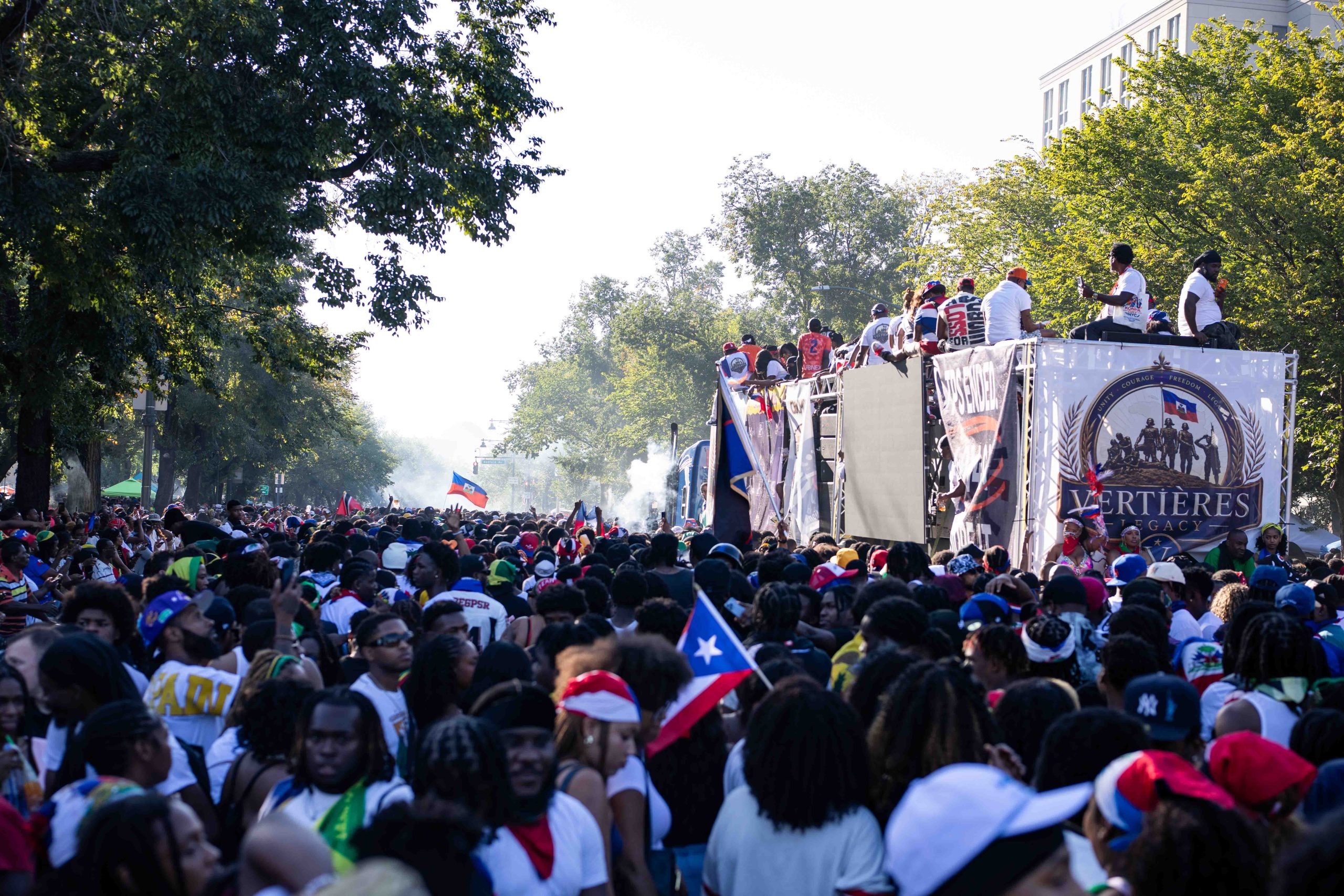
Seemingly everywhere you looked, Caribbean culture was on full display: in the sounds of the music, in the scent of the food and on the faces of the thousands of people who came to celebrate. The 2026 event marked the 59th West Indian American Day Parade, an annual celebration that draws millions of people to Eastern Parkway on Labor Day.

And still, beneath the celebration lay a heavy undercurrent of fear and uncertainty that many Haitians in the crowd could not simply leave at home. At a time when the Trump administration has intensified immigration enforcement and after many Haitians have lost TPS, the parade carried a complicated mix of emotions: joy and fear, celebration and pride, defiance and uncertainty.
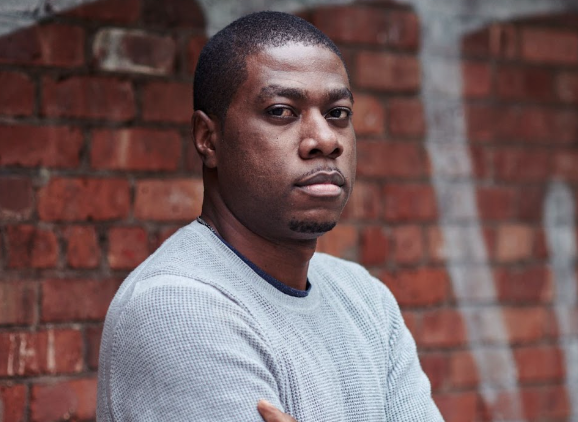
Dimitry Celony, 38, a Haitian immigrant who has lived in the United States for seven years, traveled to Brooklyn from New Jersey with his friend Jude Pierre to see the parade. Like many other Haitian immigrants, Celony’s TPS protections ended in late July. And despite the fact that immigration enforcement agents have been increasingly active across New York, he still chose to be among his people and find a moment of joy and relief.
“This carnival means a lot to me,” Celony said, speaking in Haitian Creole. “Despite all the challenges we face, many Haitians come together to enjoy ourselves. Despite all the troubling images we see coming out of Haiti, we still come together to show that we are a united people.”
The End of TPS for Haiti
Celony is one of hundreds of thousands of Haitian immigrants nationwide whose legal status was stripped after a Supreme Court decision earlier this summer ruled to allow the Trump administration to officially end TPS for Haiti.
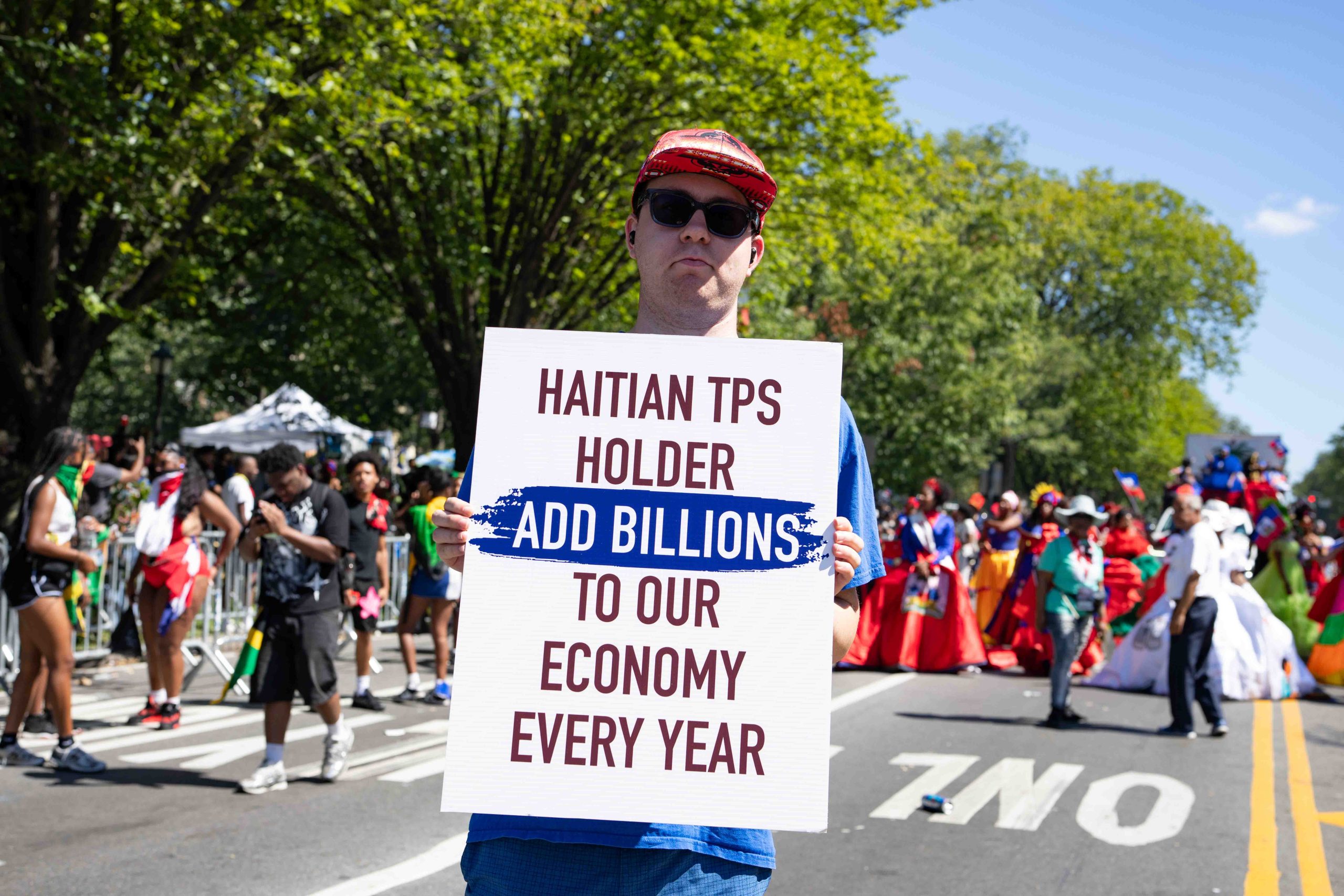
The decision immediately impacted roughly 350,000 Haitians nationwide, and will likely affect more than one million TPS holders from different countries, including roughly 40, 000 in New York State.
TPS allows nationals from specific countries that are in the throes of ongoing armed conflict, environmental disaster, or other extraordinary and dangerous conditions to live and work legally in the U.S.when it’s deemed unsafe for them to return home. TPS shields recipients from deportation and grants them valid work authorization documents so they can legally hold jobs, pay taxes and support their families.
Haiti first received a TPS designation in 2010, after a devastating 7.0 magnitude earthquake rocked the small island nation. In the years since, conditions in Haiti have continued to deteriorate. Today, armed gangs have taken control of large areas, driving widespread violence. The U.S. Department of State maintains a Level 4: Do Not Travel advisory for Haiti due to widespread crime, kidnapping, civil unrest, and terrorism.
Still, the U.S. revoked the protection, sending shockwaves through the community as hundreds of thousands of Haitians have lost their jobs, and ICE began targeting individuals for deportation.
In New York, public officials have denounced the administration’s decision to end TPS. Attorney General Letitia James and coalitions of state attorneys general filed multiple amicus briefs to defend TPS for Haitians.
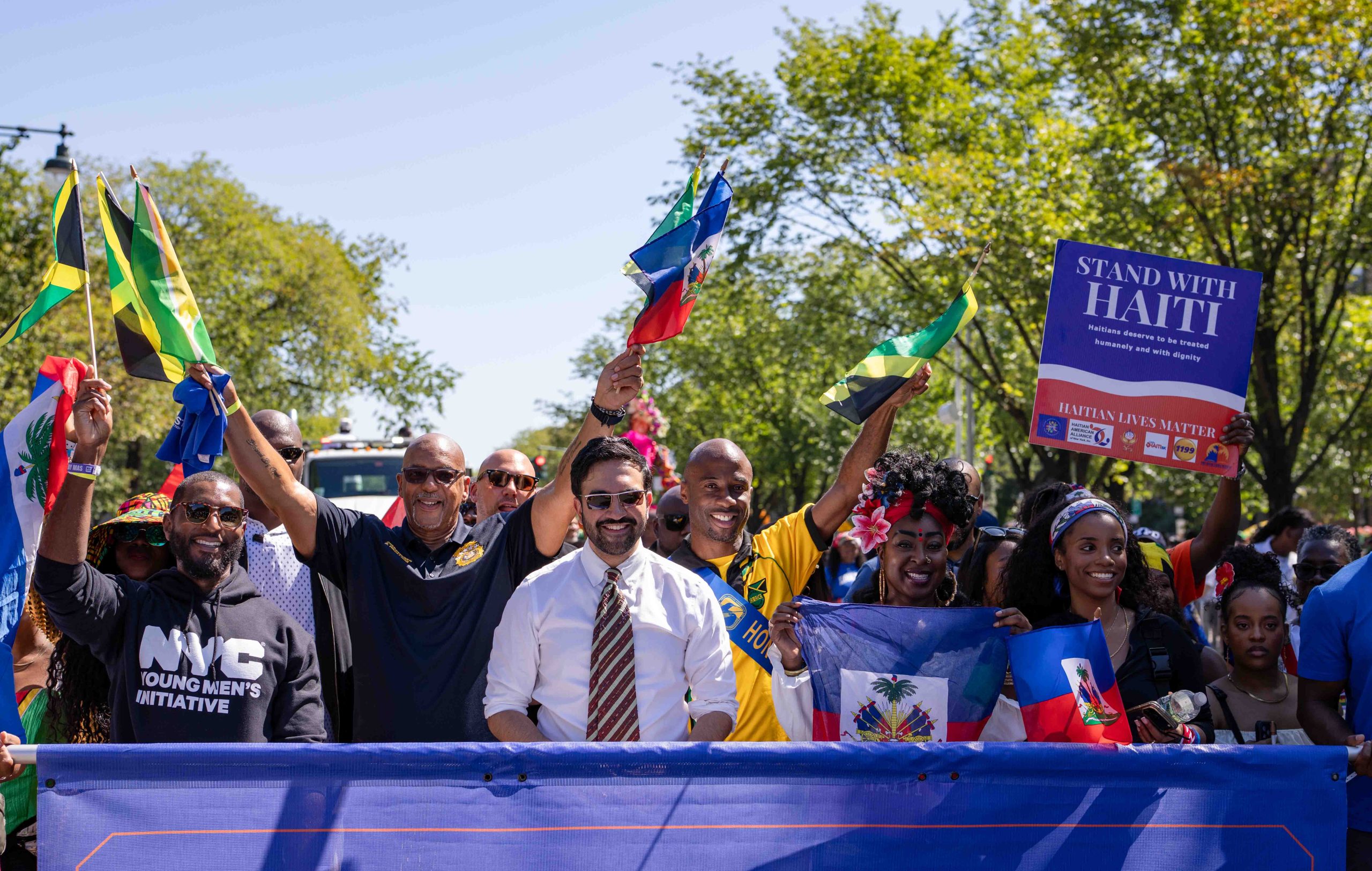
“We belong here. We have invested in this country, paid our taxes, and helped build this city,” New York Assembly Member Rodneyse Bichotte Hermelyn, told Documented at the parade. “We’re here to show the world our culture, our language, our movement, and that we are resilient people who are not going anywhere.”
Celebrating amid uncertainty
Weeks before the parade took off, fiery debates on social media questioned whether celebrating was appropriate while hundreds of thousands were living in constant fear of arrest and deportation. Some even worried that showing up to the parade could put people in danger.
“In these difficult times, many Haitians discouraged me from participating, saying the time is not right for celebration,” said Haitian-American designer Santia McKoy. “Instead, I saw an opportunity to send a message to the world.”
McKoy flew to New York from Orlando, Florida, with her husband, her three children and 60 costumes she created for the West Indian Day Parade. This year, the parade also fell on her birthday, which she celebrated in a long white dress covered with messages highlighting Haitian immigrants’ contributions to the United States.
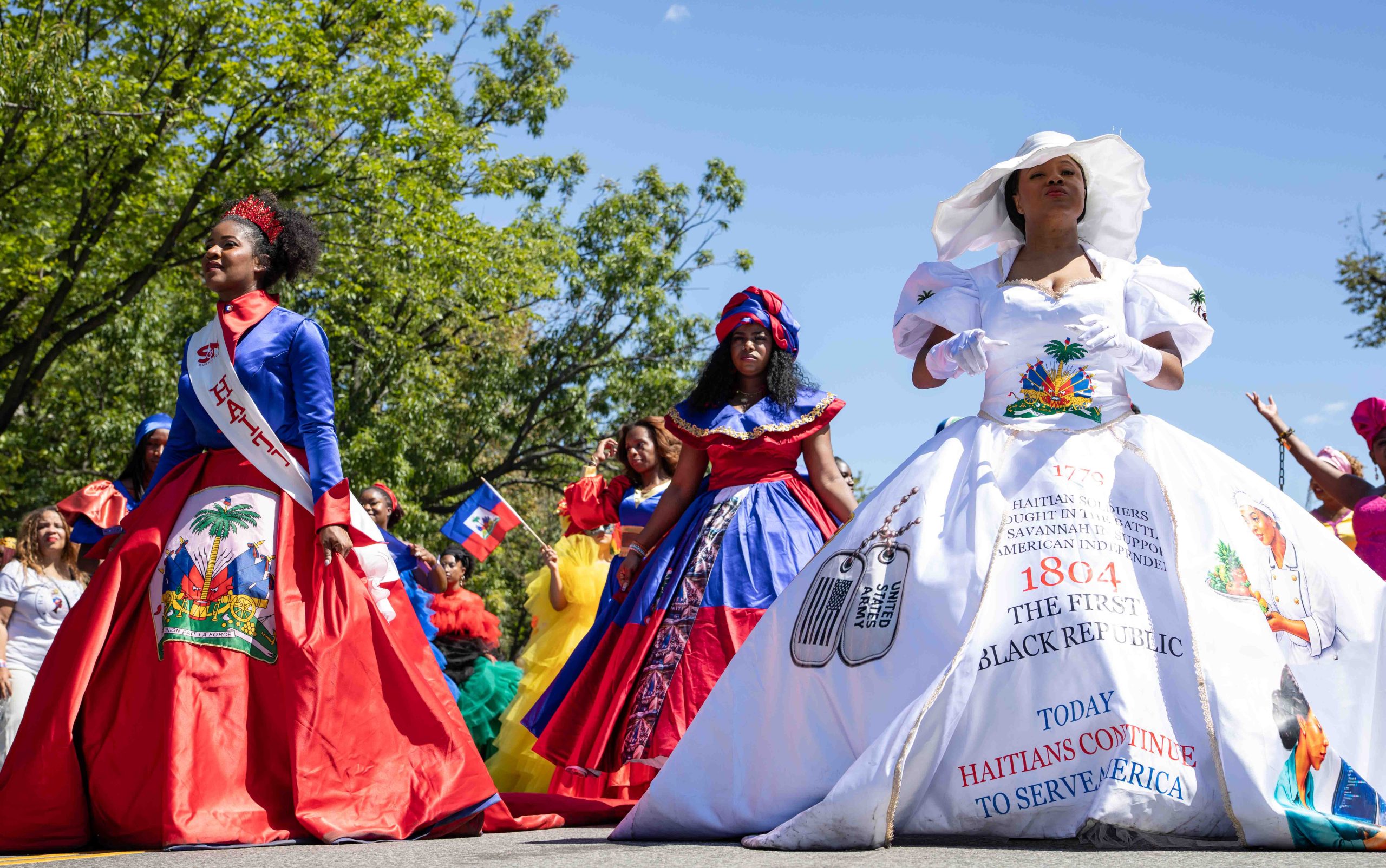
The letters “TPS” were printed along the brim of her large white hat and on the back of her flowing gown. Her dress also featured artistic renderings of Haitian immigrants’ contributions to American society: a transit bus and a military dog tags appear on one side, while a woman working at a computer and another dressed as a chef represent the many essential roles Haitians play in American life. Elsewhere on the skirt of her dress, a police hat, a firefighter’s helmet and a nurse in scrubs paid tribute to other professions in which Haitian immigrants serve their communities.
McKoy wasn’t done there. Also on her dress, she highlighted Haiti’s historical ties to the U.S., noting that Haitian fighters fought alongside American forces in the Battle of Savannah during the Revolutionary War. The dress included a message describing Haiti as the world’s first Black republic, along with the words: “Today, Haitians continue to serve America.”
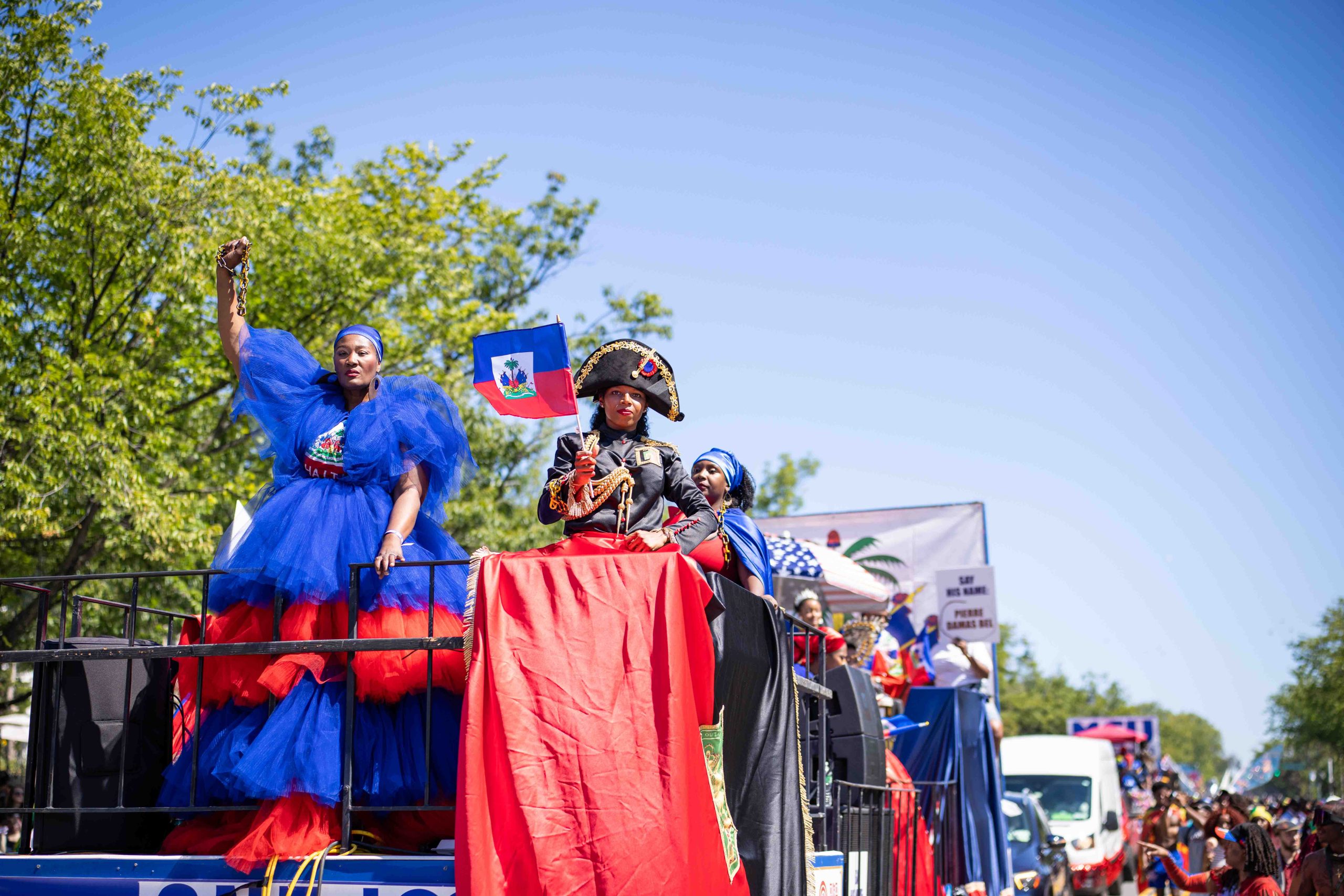
Revelers around her wore red and blue costumes evoking the Haitian Revolution, where an uprising by enslaved people led to Haiti’s independence from France in 1804. The costumes honored the heroes and heroines of the revolution, including fugitive slaves who formed secret, free communities who fought for freedom. Many costumes also featured imagery of broken chains symbolizing liberation and the creation of a free and independent nation.
This powerful, collective message comes at a painful moment for the Haitian community in the U.S.. On Aug. 31, in Ohio, 20-year-old Haitian immigrant, Pierre Damas, died by suicide weeks after ICE placed an electronic ankle monitor on him following the termination of his TPS.
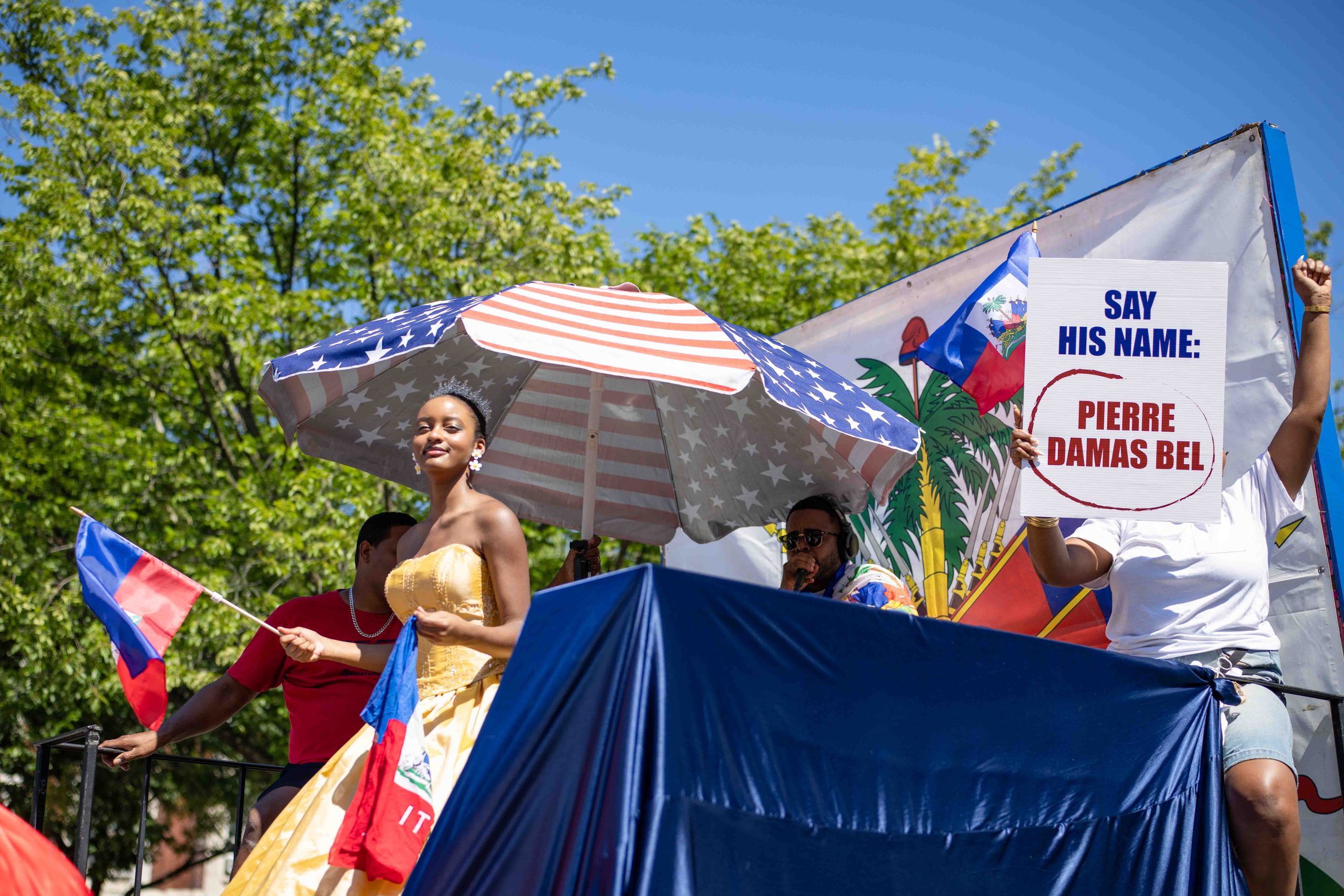
Bel’s death seemed to reverberate throughout the parade, where signs read: “SAY HIS NAME: PIERRE DAMAS BEL.”
‘We mourn, we grieve, but we’re also out here mobilizing’
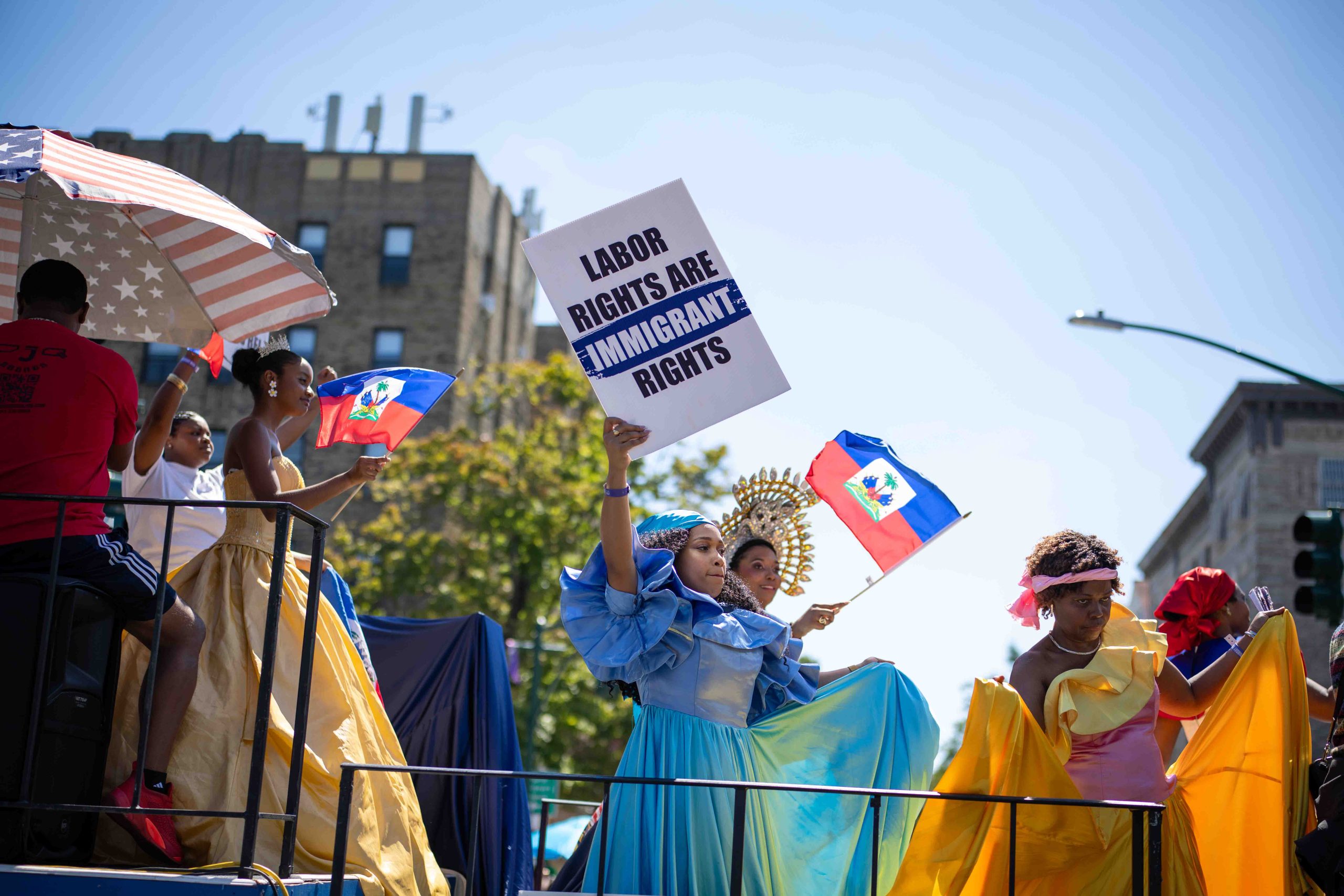
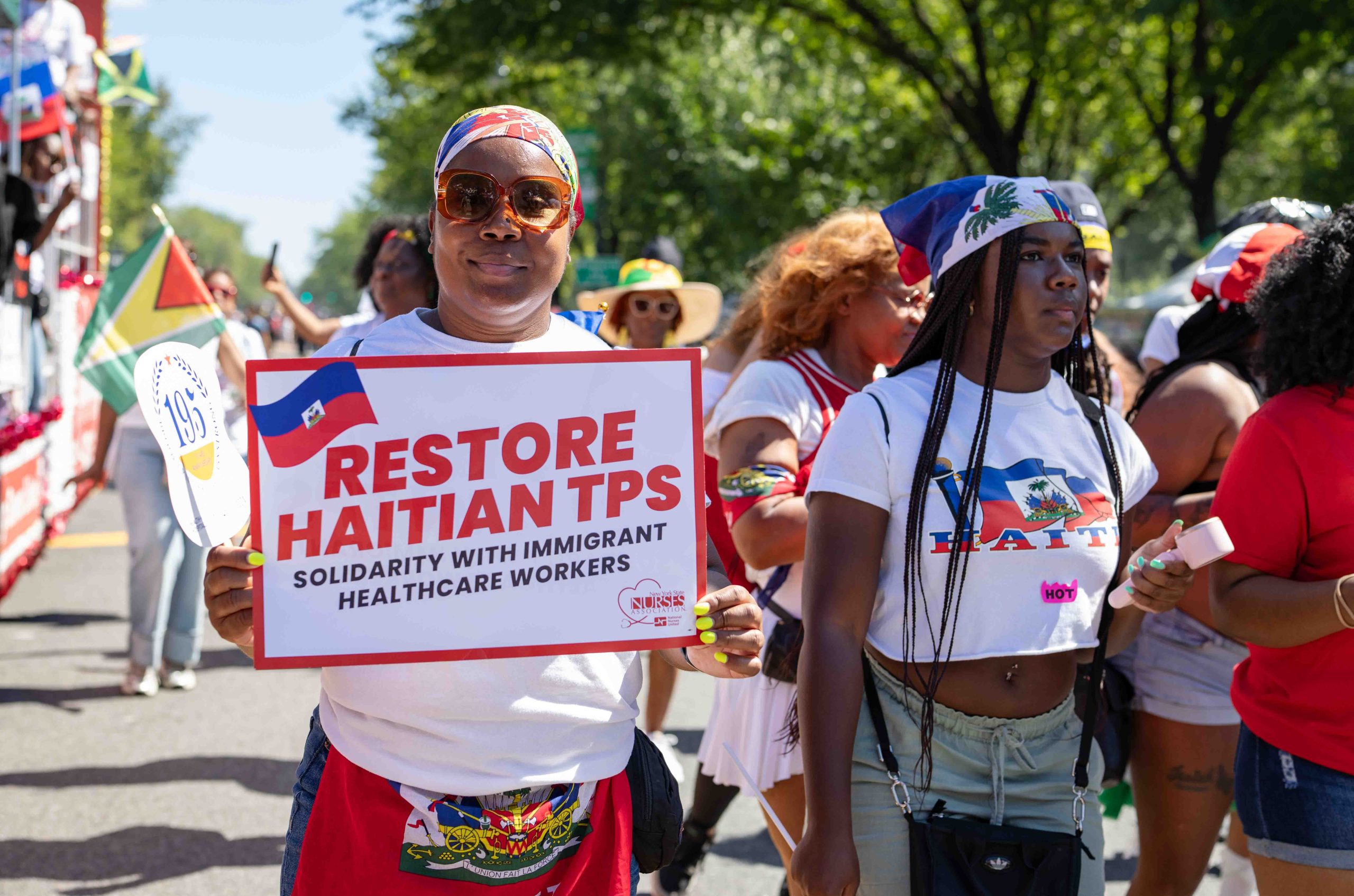
This year, Haitians used their presence on Eastern Parkway to draw attention to the plight of immigrants in the U.S. Throughout the parade, participants raised their handmade signs and their voices to call for the protection of immigrant workers and their families. The New York State Nurses Association’s float also displayed signs calling for the restoration of TPS for Haiti.
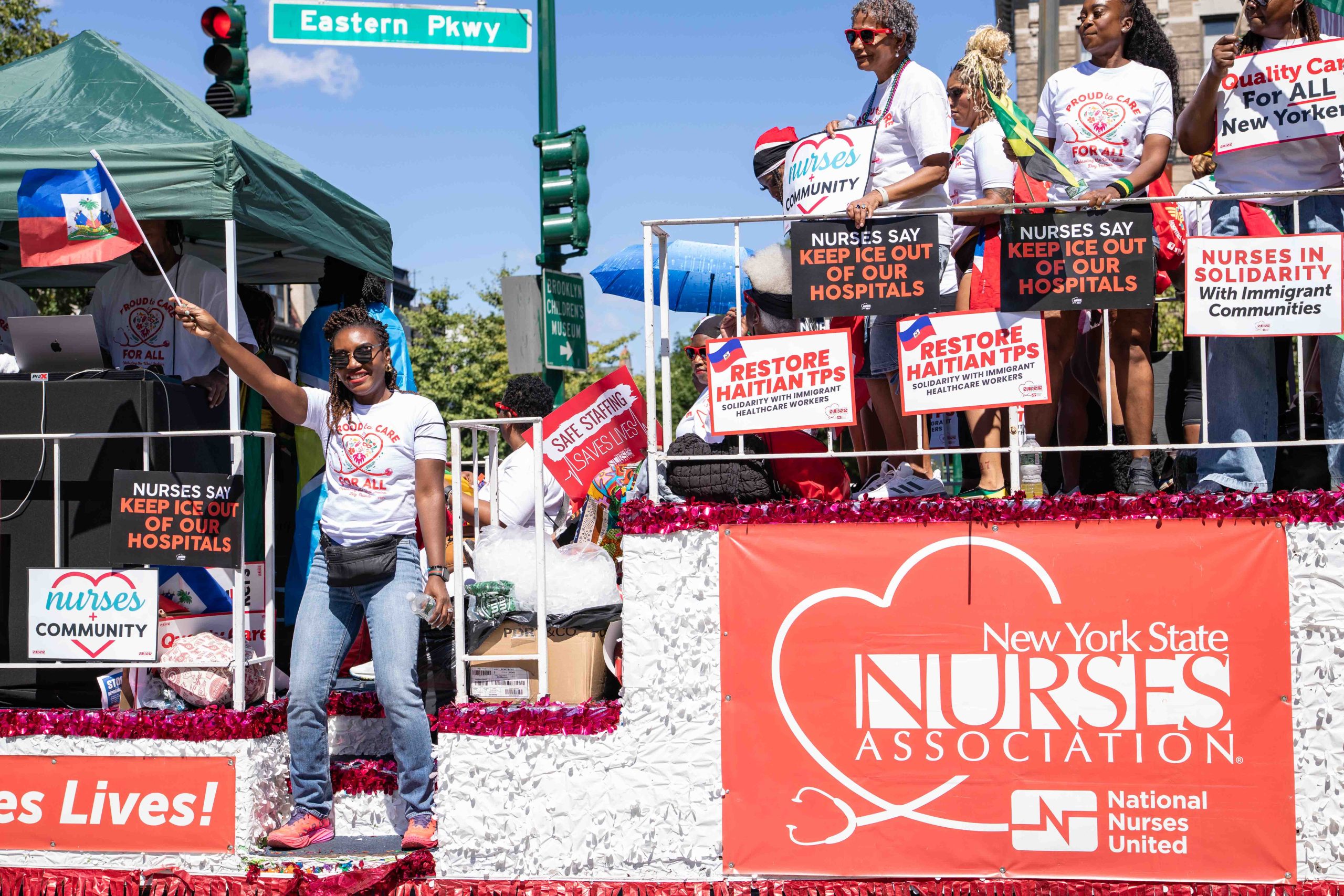
“More than ever, we mourn, we grieve, but we’re also out here mobilizing,” New York City Council Member Rita Joseph said at the parade. ”I’m calling on the Senate to pass bill S 4814 that would expand TPS for three years for the Haitians.”
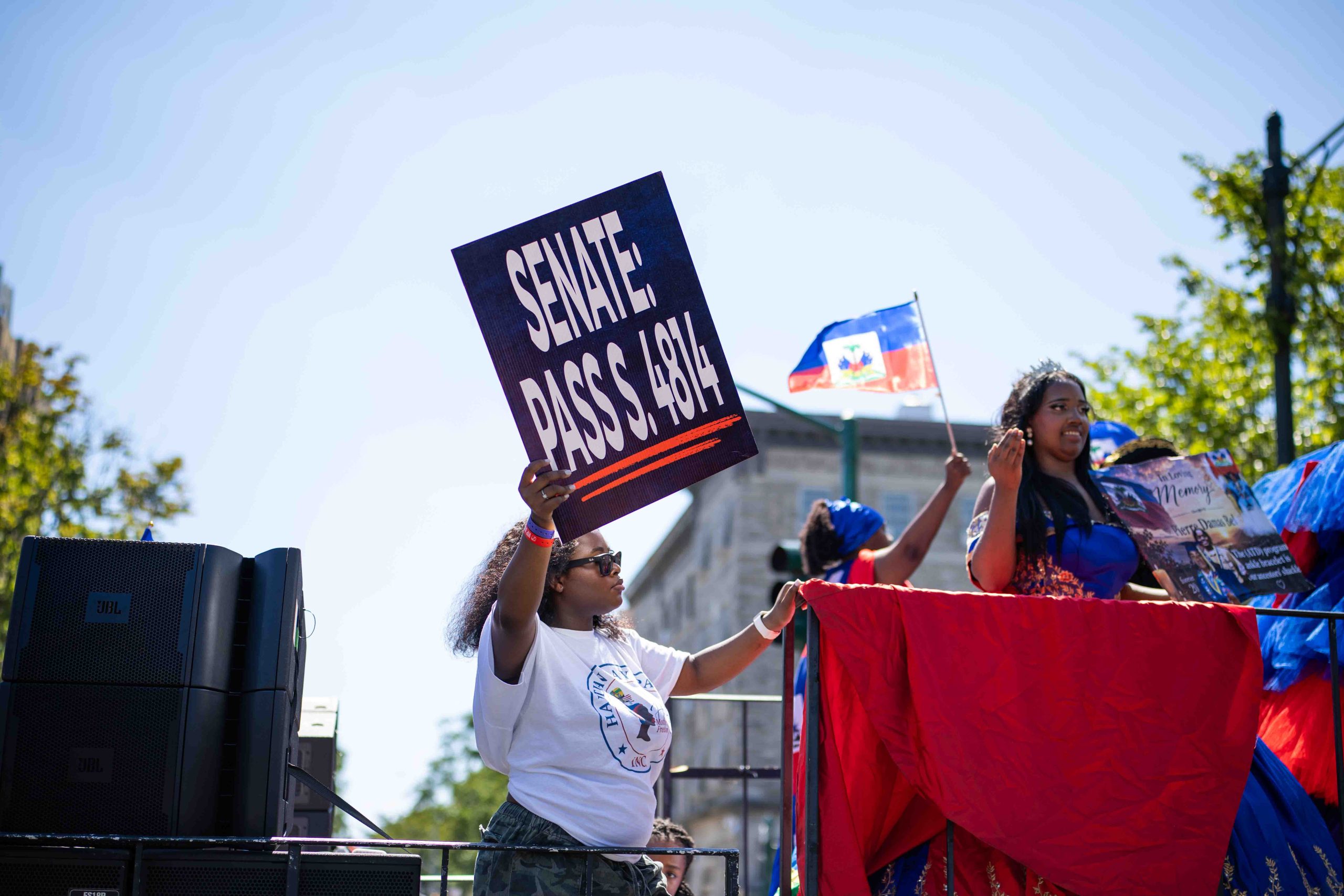
Advocates and community members view Bill S. 4814 as a critical opportunity to secure stability and safety for Haitian immigrants who are navigating an uncertain future.. The legislation passed the House of Representatives with a bipartisan vote in April and now shifts to the Senate for final approval.
Still, as thousands of Haitian immigrants eagerly wait for some form of legislative or humanitarian reprieve, they have found it within themselves to come together and find a little bit of joy.
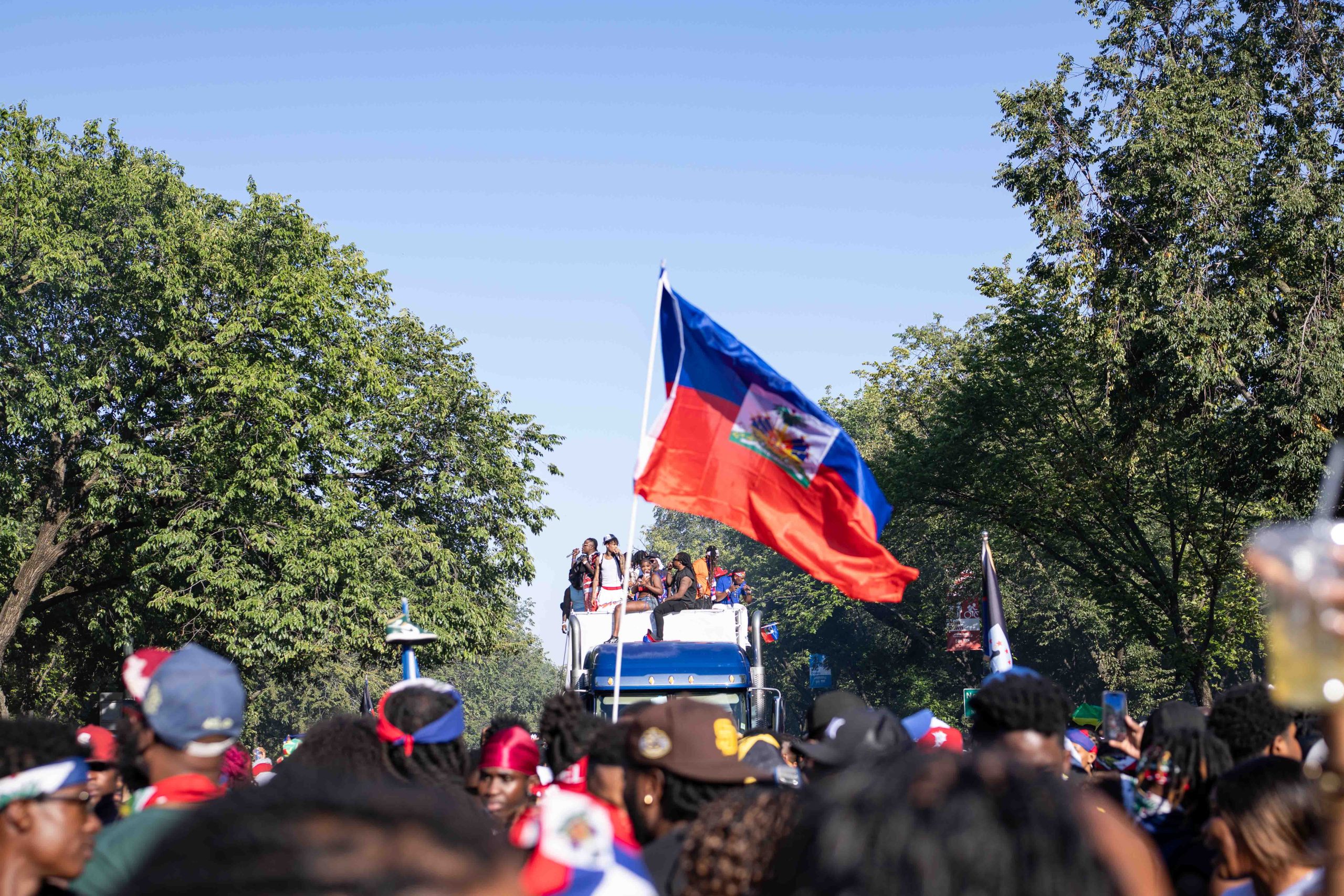
“I knew I had to be here because I’d find many other Haitians here,” Pierre said. “When I see all these flags, I feel proud to see the Haitian flag among all the different communities represented here. It shows that we are stronger together, even when we are far from our country.”