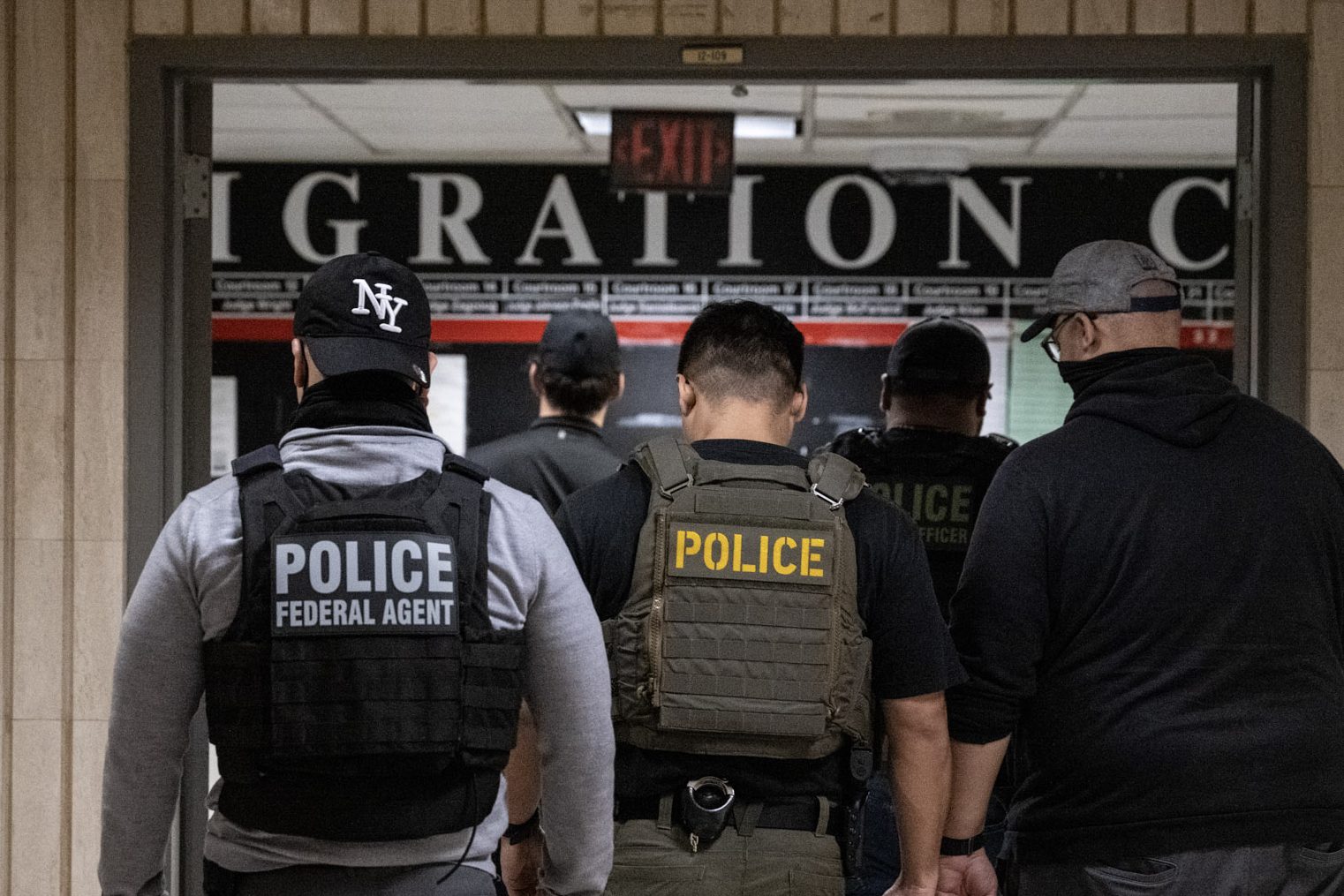


In a surprising reversal, Trump administration lawyers admitted this week that they had incorrectly used an Immigration and Customs Enforcement (ICE) memo to justify arrests at immigration courts like 26 Federal Plaza in Manhattan.
The acknowledgement was made in court filings in an ongoing lawsuit brought by civil rights groups challenging the controversial arrests of immigrants who were showing up for routine court appearances.
In a letter to Judge Kevin Castel, an attorney with the Southern District of New York made the admission that the government has repeatedly misrepresented the May 2025 ICE memo in its legal defense of the arrests.

But, the letter stated, the Department of Justice (DOJ) learned this week, in a notification from ICE, that the memo provided guidance on arrests in or near courthouses — not immigration courts. They blamed their previous reliance on the memo on an “assigned ICE counsel” who approved the filings.
“We deeply regret that this error has come to light at this late stage, after the parties have expended significant resources and time to litigate this case and this court has carefully considered Plaintiffs’ challenge to the 2025 ICE guidance,” the letter stated.
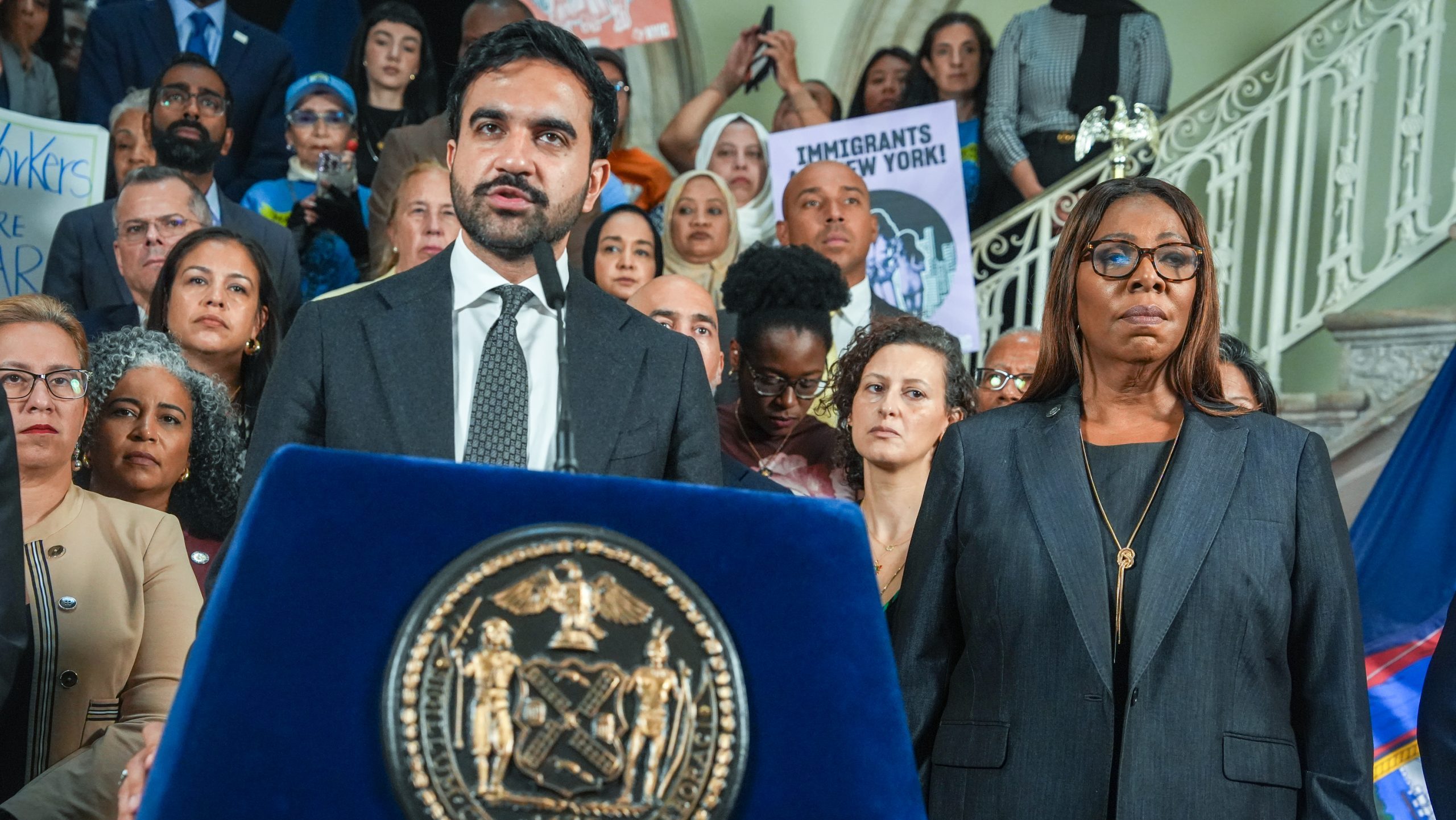
Brad Lander, former city comptroller and candidate for Congress who was arrested at 26 Federal Plaza himself, said New Yorkers “caught ICE in a bombshell lie” in a post on X.
While lawyers on the case declined to comment on such allegations, Castel ordered the government on Thursday to preserve all past and future communications regarding the memo, including with the “assigned ICE counsel.”
On Tuesday, Judge Castel also granted a request from plaintiffs for two weeks to both meet with government lawyers and file a response to the “extraordinary letter” — hinting that plaintiffs’ attorneys may ask the judge to reconsider previous decisions in the case.
Neither the Southern District of New York nor ICE responded to a request for comment by deadline on Thursday.
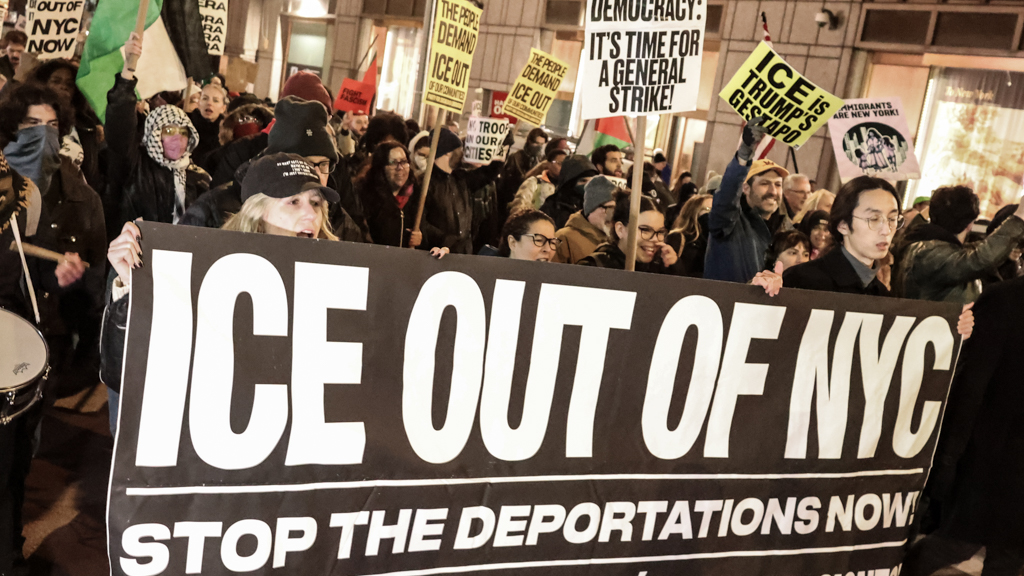
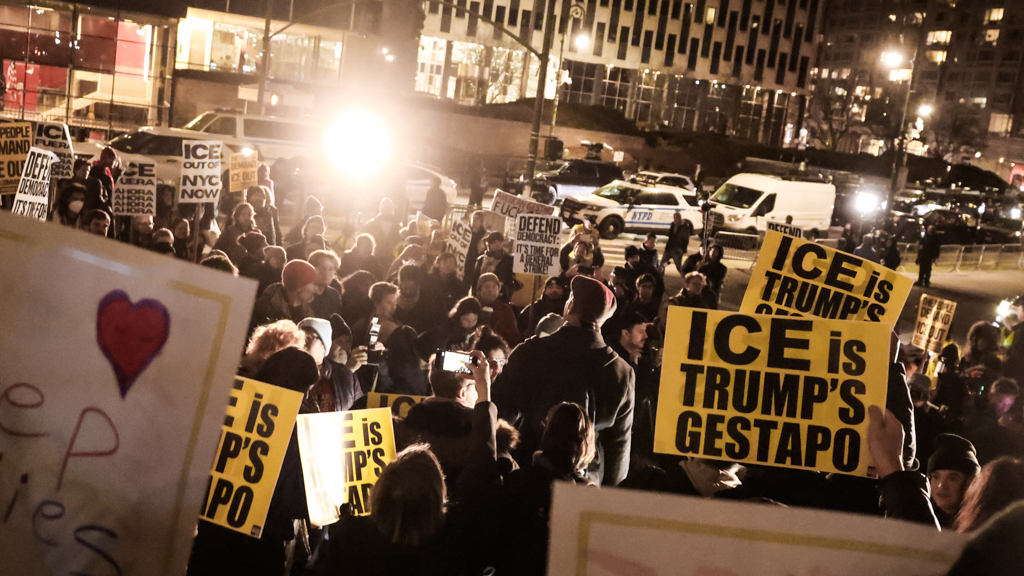
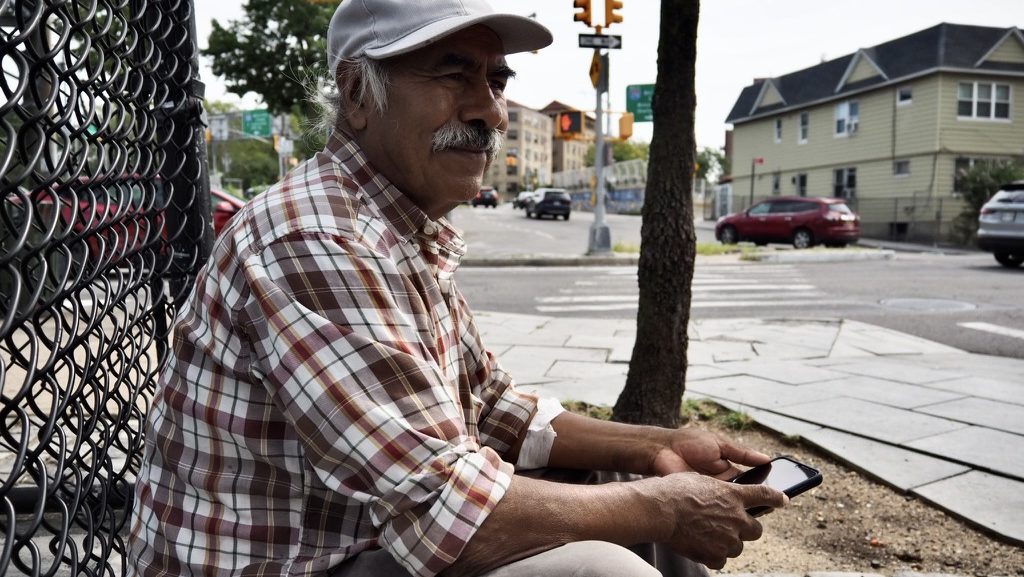
The memo is likely of great interest to many impacted New Yorkers. Arrests on the street and at immigration courthouses in New York have risen by 212% since the start of the second Trump administration.
Documented spoke with Make the Road lawyer Harold Solis, a lawyer for the plaintiffs in the case, to find out what this means for immigrant New Yorkers at 26 Federal Plaza. The interview has been edited and condensed for readability:
Documented: Can you explain what has happened in the court case up until now?
Solis: There’s been a fair amount of back and forth between the parties. Shortly after we filed [the case] last summer, we requested interim relief. What that means is … we had essentially asked the court to vacate that policy or to stay it. We lost — the court denied that request. … Since then, the parties have been engaging in briefing on the merits of the actual case, and so we were waiting for a final decision from the court.
Documented: Why was this memo so important?
Solis: This memo was a core part of [the government’s] argument in defense of ICE’s immigration courthouse arrest policy. For example, in the early stages of the case, when we had asked the court to stay or vacate this policy while the litigation continued, the government pointed to that memo as one of its core justifications, one of its core defenses.
Documented: What did it mean for immigrant New Yorkers when the judge denied your request to pause arrests?
Solis: In very practical terms what that meant was that people continued to attend their immigration court hearings, as they are ordered to do. They were trying to do the right thing. And in the months since we started this lawsuit, many of those individuals have been arrested … have had their entire lives upended, and so it’s taken a toll on so many people. And I think beyond that, it’s continued to destabilize in many ways the immigration court process, not to mention the chilling effect that it’s had on individuals who’ve now had to constantly wonder whether they’ll be allowed to walk out of their court hearing.
Documented: What does this admission by the government mean?
Solis: The fact that at this point they’re withdrawing it, or they’re changing their position, is a pretty significant development. … It’s a pretty momentous moment in the life of this case, because this memo was so core to the government’s defense. Time will tell exactly what that means, but the implications are far reaching, as we put it in our letter to the court.