


The Essential Plan is a comprehensive health insurance option for low-income New Yorkers who do not qualify for Medicaid. Currently, 1.7 million New Yorkers depend on the program for benefits such as no monthly premium, no deductibles and no-cost preventive care. However, federal funding cuts resulting from the Trump administration’s “One Big Beautiful Bill Act” — or OBBBA — mean that as of July 1, 2026, an estimated 450,000 New Yorkers will lose their Essential Plan coverage, and could in turn, end up with increased out-of-pocket costs for their healthcare.
Read on to find out more about changes to the Essential Plan, and what to do and know if you’re affected by the changes.
What are the changes coming to The Essential Plan?
The passage of the OBBBA, also known as H.R.1, means that many of the Affordable Care Act (ACA) Marketplace subsidies are being slashed. While New York’s Governor Kathy Hochul was able to successfully preserve coverage for the majority of Essential Plan enrollees by reinstating the authority of the Basic Health Program, cuts to federal funding will still impact over a quarter of those who were actively enrolled this year.

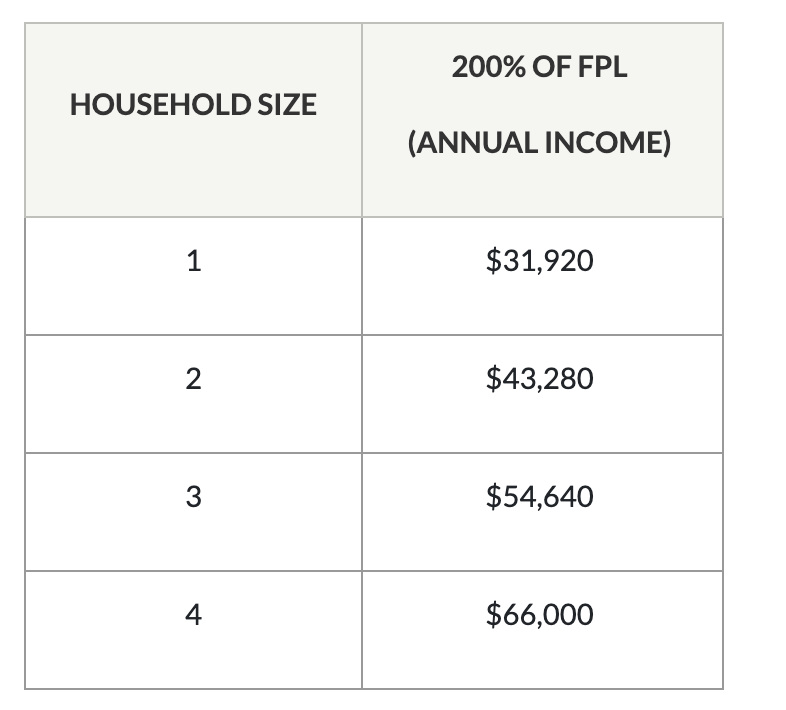
As of July 1, 2026, New Yorkers earning 200% to 250% of the Federal Poverty Level (FPL) — which translates to single households with an annual income of $31,920 to $39,900 — will no longer be eligible for Essential Plan coverage. Anyone who no longer qualifies for Essential Plan coverage were sent letters with instructions on finding a new health insurance program.
How do these changes impact DACA recipients?
Enrollees who are Deferred Action for Childhood Arrivals (DACA) recipients will be further affected by the changes.
DACA recipients with an annual income that is above 138% of the FPL — essentially earning more than $22,024 for a single-person household — will not qualify for any New York State of Health programs, unless they experience qualifying life changes. If there is a relevant change in their income, household composition or immigration status that causes them to fall within the scope of coverage, they can report those changes in an online application or call 1-855-355-5777 (TTY:1-800-662-1220) to ask about their eligibility for coverage.
The only exception to the above is for DACA recipients who are currently pregnant or whose pregnancy ended between August 2025 and June 2026. These individuals will receive Medicaid coverage instead from July 1,2026, with no action required on their part to make this change.
DACA recipients with annual incomes at or below 138% of the Federal Poverty Level ($22,024 for an individual) will also be transferred to Medicaid enrollment on July 1, 2026.
Are there any exceptions to these changes?
One notable exception applies to people who are pregnant; some will be able to keep their coverage regardless of their annual income. Pregnant enrollees whose due date is before January 1, 2027 will remain enrolled in the Essential Plan for the remainder of your pregnancy and and your 12-month postpartum period. Pregnant enrollees who are set to give birth after January 1, 2027 will be transitioned to Medicaid on July 1, 2026.
What are my alternative healthcare options?
People who are set to lose Essential Plan coverage can enroll in a Qualified Health Plan (QHP), where they may face higher premiums, deductibles and out-of-pocket costs. Impacted enrollees have until August 30, 2026 to enroll without facing a gap in coverage.
The total cost of health insurance through a Qualified Health Plan depends on:
- Household income
- Location
- Plan choice
Some people may also be eligible for federal premium tax credits that lower the cost of the monthly premium they will have to pay. For instance, a single person household in New York City earning $35,910 annually (225% FPL) will qualify for a $637 monthly tax credit, and will be able to pay $230 per month for a benchmark Silver plan.
To find out more about how to enroll in a Qualified Health Plan, you can:
- Call the Customer Service Center at 1-855-355-5777
- Speak with online representatives in the chat box in the right corner of the NY State of Health website
- Find a free enrollment assistor for in-person assistance, according to their location.


