



With the rise of generative AI use on social media, there has been an increase in scams, especially those that target immigrant and other vulnerable communities. From scammers stealing lawyers’ identities to offer fraudulent services to more automated text or email attacks, these scams are becoming more sophisticated and harder to spot.
This guide provides an overview of some of the most common AI scams making the rounds on the web and social media, how to avoid them, and what to do if you have fallen victim to one.
What is an AI scam?
A scam that uses artificial intelligence (AI) to confuse or defraud someone is an AI scam. Scammers can use AI to impersonate people or government agencies in order to defraud people of money or steal their personal information.

What are some common AI scams?
The following is a non-exhaustive list of AI scams making the rounds online. Read on to understand how to spot and defend yourself against these scams:
Imposter deepfakes and voice cloning
These types of scams take real videos or photographs of people you may know from the internet or other databases and use them to solicit money or personal information. Sometimes scammers even use voice cloning technology to mimic the voice of a loved one or celebrity in a video or phone call to make the request more convincing.
Read more: What Deepfake Scams Look Like.
Dating app scams
Scammers will create fake profiles — or even fake dating apps — to steal money from people, especially older Americans. The scammers may use AI pictures or use pictures of other people to seem more attractive to potential victims.
According to the FBI page on romance scams, a scammer will “want to establish a relationship as quickly as possible, endear himself to the victim, and gain trust. Scammers may propose marriage and make plans to meet in person, but that will never happen. Eventually, they will ask for money.”
Also Read: How to Protect Yourself From Rising ‘Pig Butchering’ Scams
Social media “finfluencers”
These social media “financial influencers” are people who give out personal financial investment advice, but may not have the qualifications or experience to do so. Whether they are regular influencers or well-known celebrities, they can use their platforms to get people to invest in illegitimate cryptocurrency or buy training courses rooted in outdated investment strategies. According to the California Department of Financial Protection and Innovation, some of these influencers may use AI to “create fake followers on their site to make themselves look more legit.”
Read more: Who to Trust on Social Media.
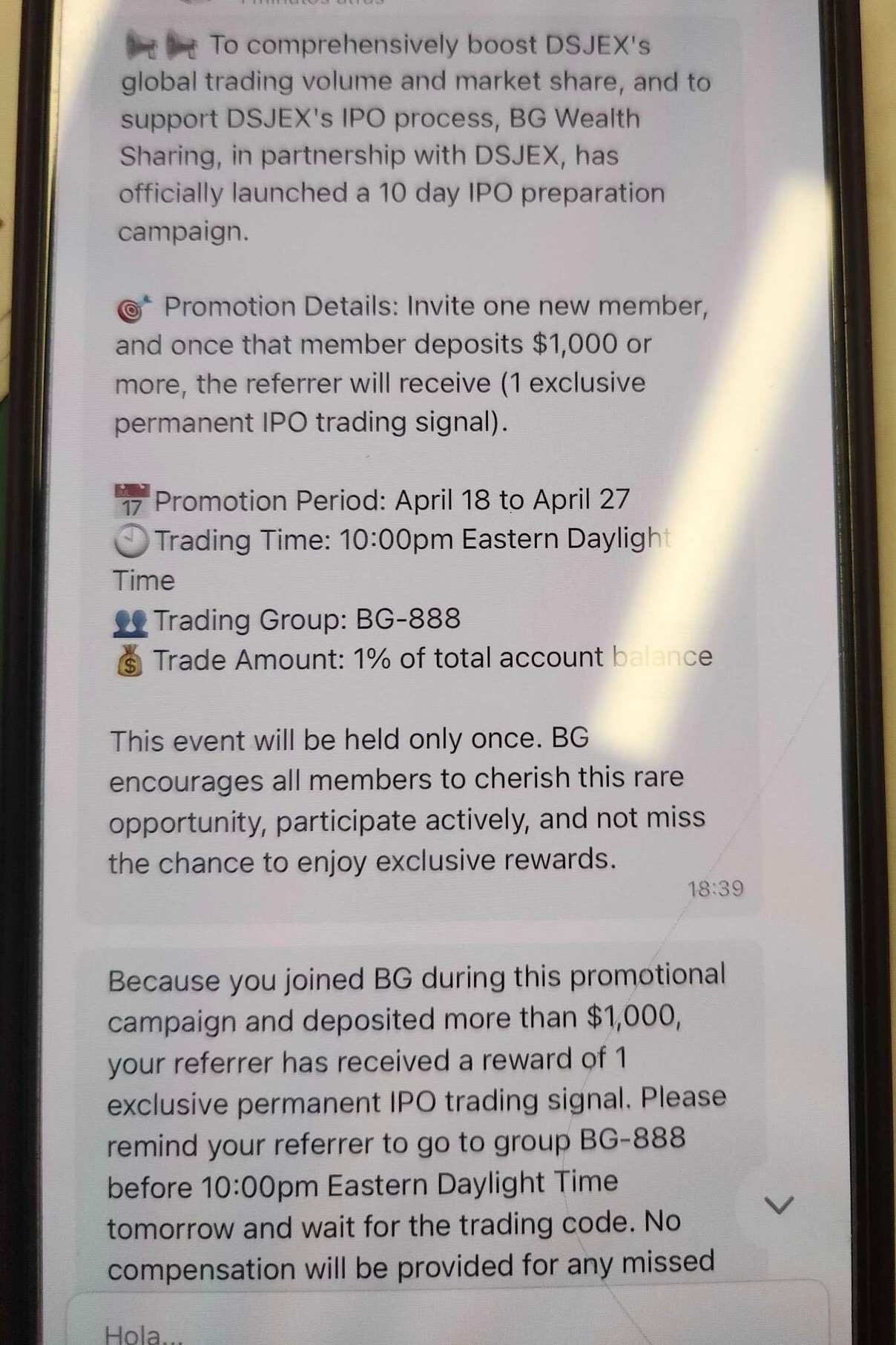
Automated attacks
These types of attacks happen when scammers use AI and personal information from databases to generate convincing phishing emails or messages. Phishing emails often contain the name of a familiar person or institution and ask for money or personal information.
How can I protect myself from AI scams?
The NYC Department of Consumer Protection and the New York State Office of Information Technology Services both offer support and tips on how to protect yourself and your loved ones from falling victim to AI scams. Below is a summary of best practices:
Avoiding voice-cloning and deep fake scams
If you are receiving a call or text message out of the blue with an urgent request for money from someone claiming to be a friend or loved one, pause.
Hang up or don’t reply to the text and call your loved one back directly on the number you typically use for them. If you have already started speaking with the person, ask the caller questions that only your loved ones would be able to answer.
The Office of Information Technology Services further recommends having a “safe word” that only you and your loved ones are familiar with that you can say during the call to confirm their identity.
Avoiding deepfake videos or images
Examine the image or video closely. Look for inconsistencies in the movement, lighting, and voice (if it’s a video). If it’s a video, notice whether the voice and eye movement are consistent with that of a real person.
The NYC Department of Consumer Protection suggests paying attention to the language and word choice of the person in the video. If they are using strange or outdated words, that may be a sign of a deepfake.
Notice if there is an urgent request to send money. Usually, these scams will ask the person to wire money through a gift card, payment app, or cryptocurrency.
If an AI account reached out on social media, flag the content and report the profile.
Avoiding dating scams
According to the FBI, everyone should be careful what they post online. Scammers can use publicly available information to better understand and target you.
Research the name and picture of the person who has contacted you on the dating app. Look to see if the exact name and picture has been used on other social media sites. Google offers a reverse image search that can help.
Ask a lot of questions and take things slow. Scammers try to rush intimacy and then isolate the person from their friends and family so they can ask them for money.
Do not send money to someone you have never met or know in real life before.
Avoiding automated attacks
Read text messages and emails very carefully. Be suspicious of urgent or immediate requests for money or personal information.
Set up two-factor authentication wherever possible and create unique, strong passwords for all of your accounts.
You can also check out our guide on spotting misinformation online.
Read More: How to Spot Misinformation
What can I do if I’ve been a victim of a scam?
If you’ve fallen victim to a scam, there are several steps you can take to try and mitigate the damage.
If you have shared your personal or banking information, immediately contact your financial institution and try to get your accounts frozen.
If your email or other password has been compromised, change your password and enable multifactor authentication. You can also inform your friends and family that your email or other accounts have been compromised, in case they get any strange requests.
Report the scam to the proper authorities:
- For personal devices or accounts, file a complaint online with the FBI Internet Crime Complaint Center (IC3).
- Report scams to the Federal Trade Commission (FTC).
- To report a cryptocurrency scam, contact the New York State Department of Financial Services.


