

With the New York State Senate voting next month on Mets billionaire owner Steve Cohen’s dream to build a casino, a recently released report suggests that the project could very well displace the communities it purports to serve.
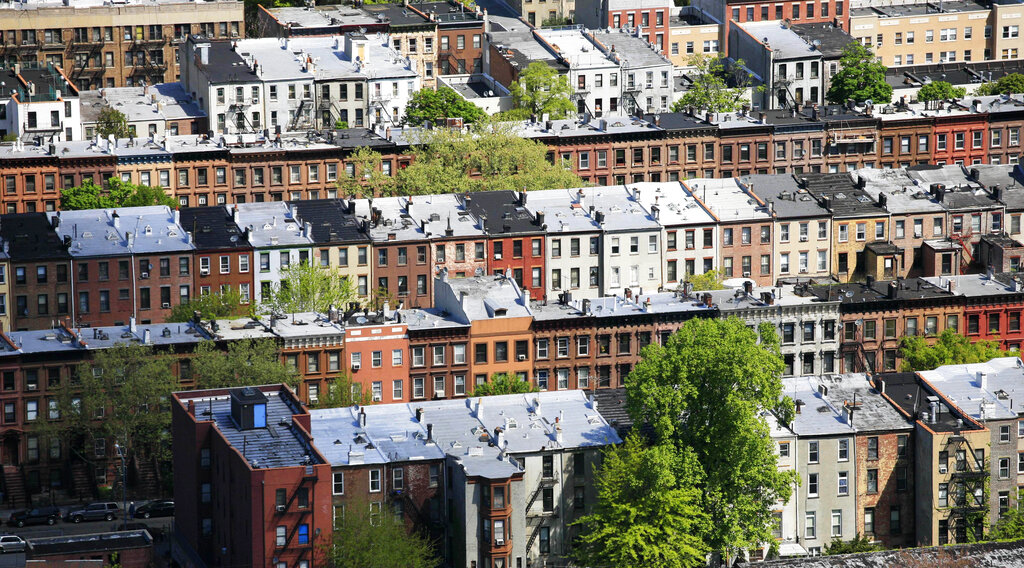
Published on April 29 by the Urban Institute, the study found that the nearby communities of Corona and Flushing, both with sizable immigrant populations, are at risk of rising rent costs as a result of the casino’s potential development. As the majority of residents in Flushing and Corona are renters, the report estimates that upwards of 50,000 renters could be displaced.
Cohen has spent over $2 million of his own money to convince lawmakers and community stakeholders that his bid to transform Citi Field’s parking lot is what’s best for Queens’ future. The estimated $8 billion casino, which would sit on publicly owned parkland, would be dubbed Metropolitan Park. Along with his promise that the casino would bring tens of thousands of unionized jobs, Cohen has also pledged to build a 450-unit affordable housing development in Corona, Queens, and said he would help fund a pedestrian bridge over the long-polluted Flushing River.

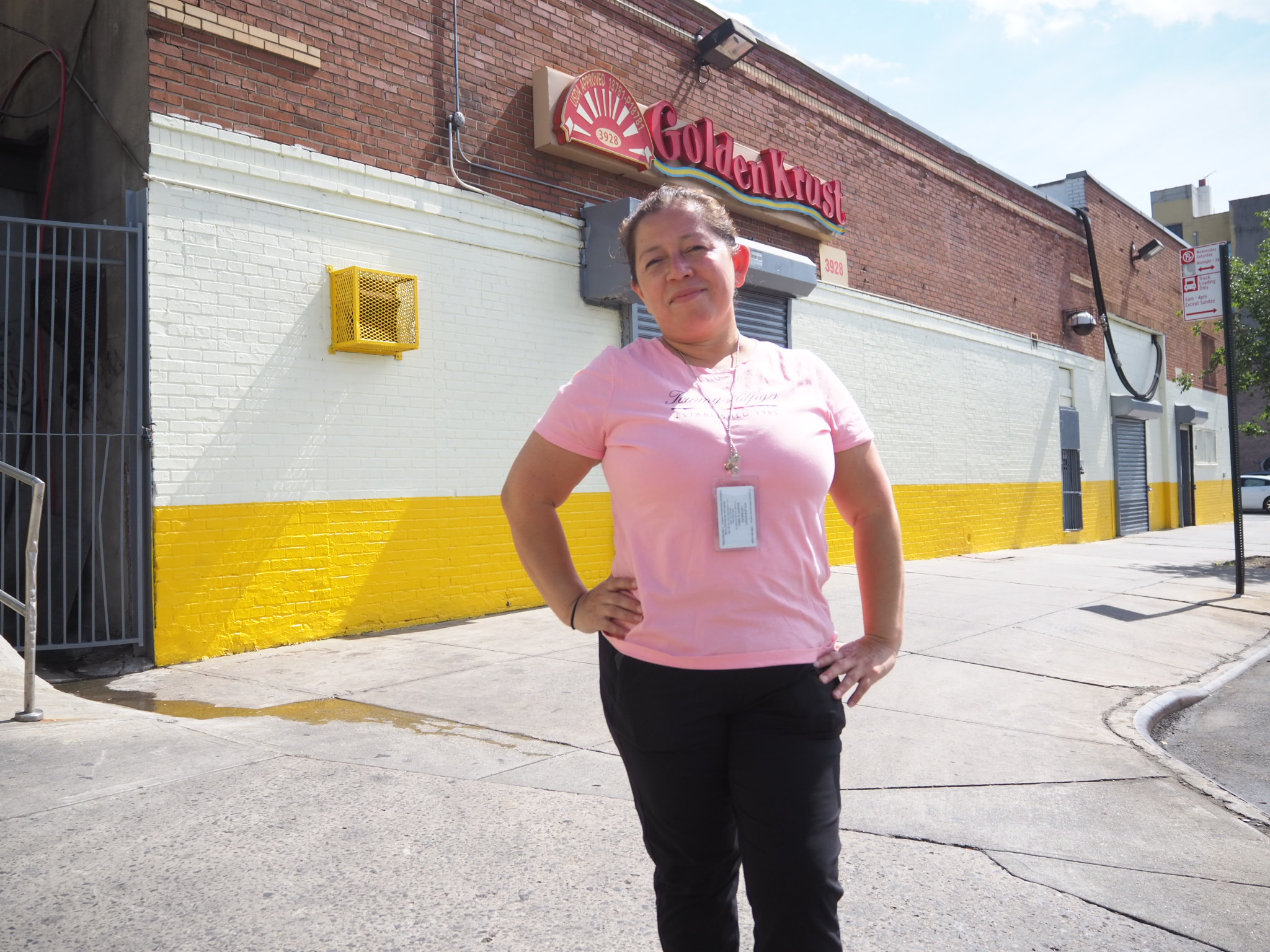
However, Jackson Heights residents like Malenea, an Ecuadorian street vendor who declined to give her last name, have already been uprooted once because of a fire. She fears that the casino project would only make matters worse. Her apartment is about two miles away from the proposed casino.
Also Read: No Safe Bet: Immigrant Residents in Queens Say a Casino Will Harm Their Communities
“I’m afraid this casino project will keep pushing us out,” she said. “We were displaced by the building fire and lost everything in 2021. It has become impossible to survive.”
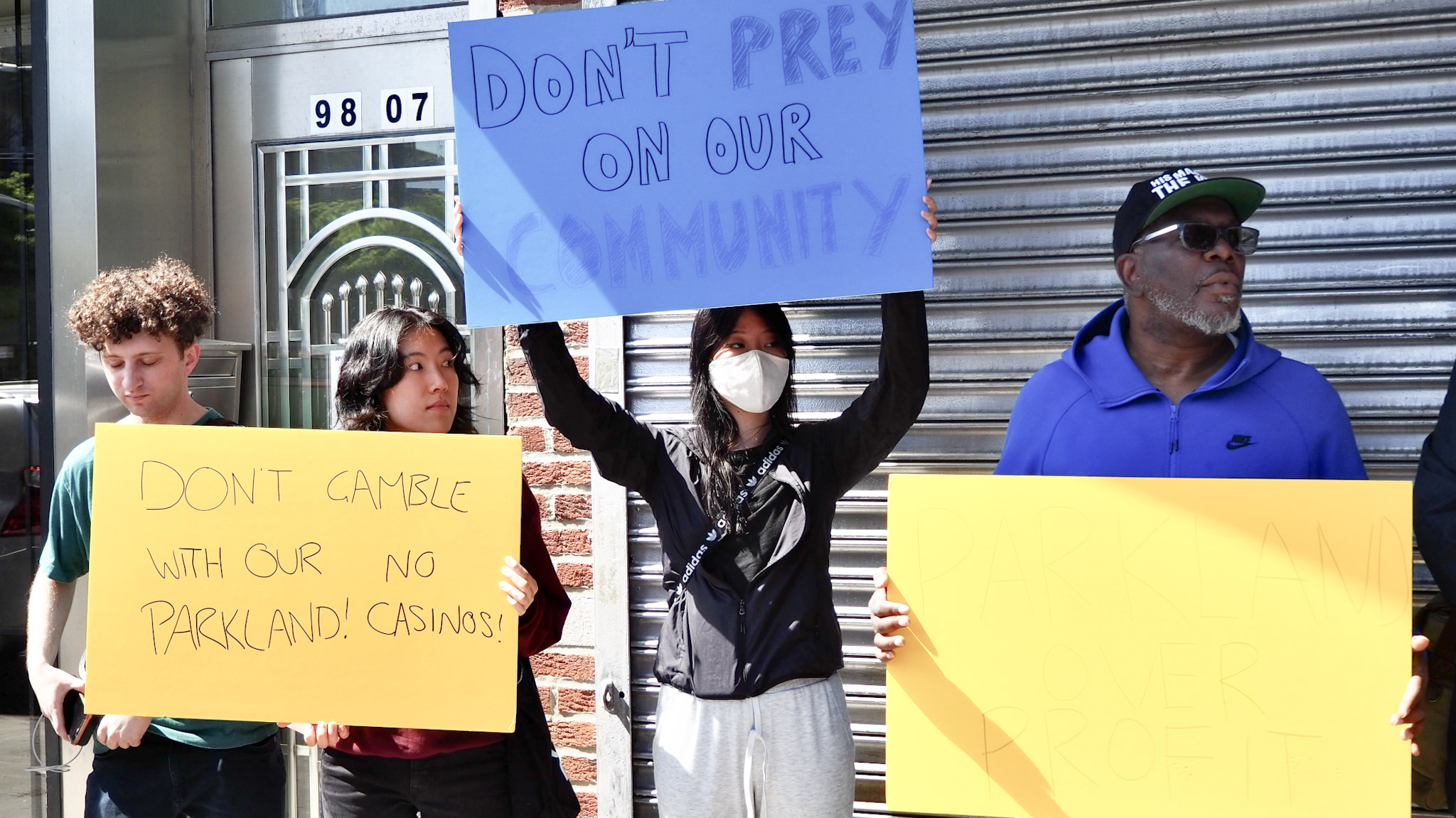
Local community organizations, such as the Flushing Workers Center and 89th Street Tenants Unidos, which are part of the Fed Up Coalition that has long opposed the casino, found the report’s findings a vindication of their cause.
“We are in desperate need of low-income and senior housing, and call on our elected officials to not help developers bring a casino that will destroy our community,” said Kara Fanan, an organizer with the Flushing Workers Center. “Instead, they should fight for low-income housing that will help many nearby and stem the displacement pressures.”
According to the report, the casino could bring with it an increase in gambling addiction. The report’s findings are echoed in a 2021 report by Asian CARES, which notes that the casino industry particularly preys upon immigrant Asian communities through targeted advertising.
Additionally, the report found that the casino project, which purports to transform the Citi Field parking lot into a pedestrian-friendly oasis, will in fact increase parking capacity, not decrease it. The Citi Field parking lot has a total of 7,000 parking spots, but according to the report, the project would create another 6,327 parking spots for a total of 13,750 spaces. An increase in parking could create an increase in traffic congestion, which in turn could have a detrimental effect on neighborhood air quality. Neighborhoods like Elmhurst and Corona already have some of the highest rates of asthma in Queens.
Andrew Sokolof Diaz, co-founder of 89th Street Tenants Unidos, believes that the fight against the proposed casino development is part of an overall effort to push back against attempts to gentrify his neighborhood.
“We represent over 500 Jackson Heights renters and homeowners who have successfully beaten the odds against displacement before,” he said. “We resent the idea that Queens is a consolation prize for a casino on sacred parkland. Queens’ immigrant communities are already under attack; this casino proposal is another attack and a tool of gentrification against our immigrant, working-class communities.”
For Cohen’s casino project to move forward, the state legislature must first pass a bill approving the development of the parkland site. State law requires that any municipality wanting to develop on public parkland must have legislation from the New York State Legislature and then be approved by the governor.
Without approval from the state legislature, Cohen’s bid for one of three downstate gambling licenses can’t move forward. State Senator Jessica Ramos, whose district the casino falls into, has been a vocal critic of the plan, vowing to oppose any law that would allow for a casino built on parkland. A study conducted by her office found that 61% of her constituents oppose the casino.
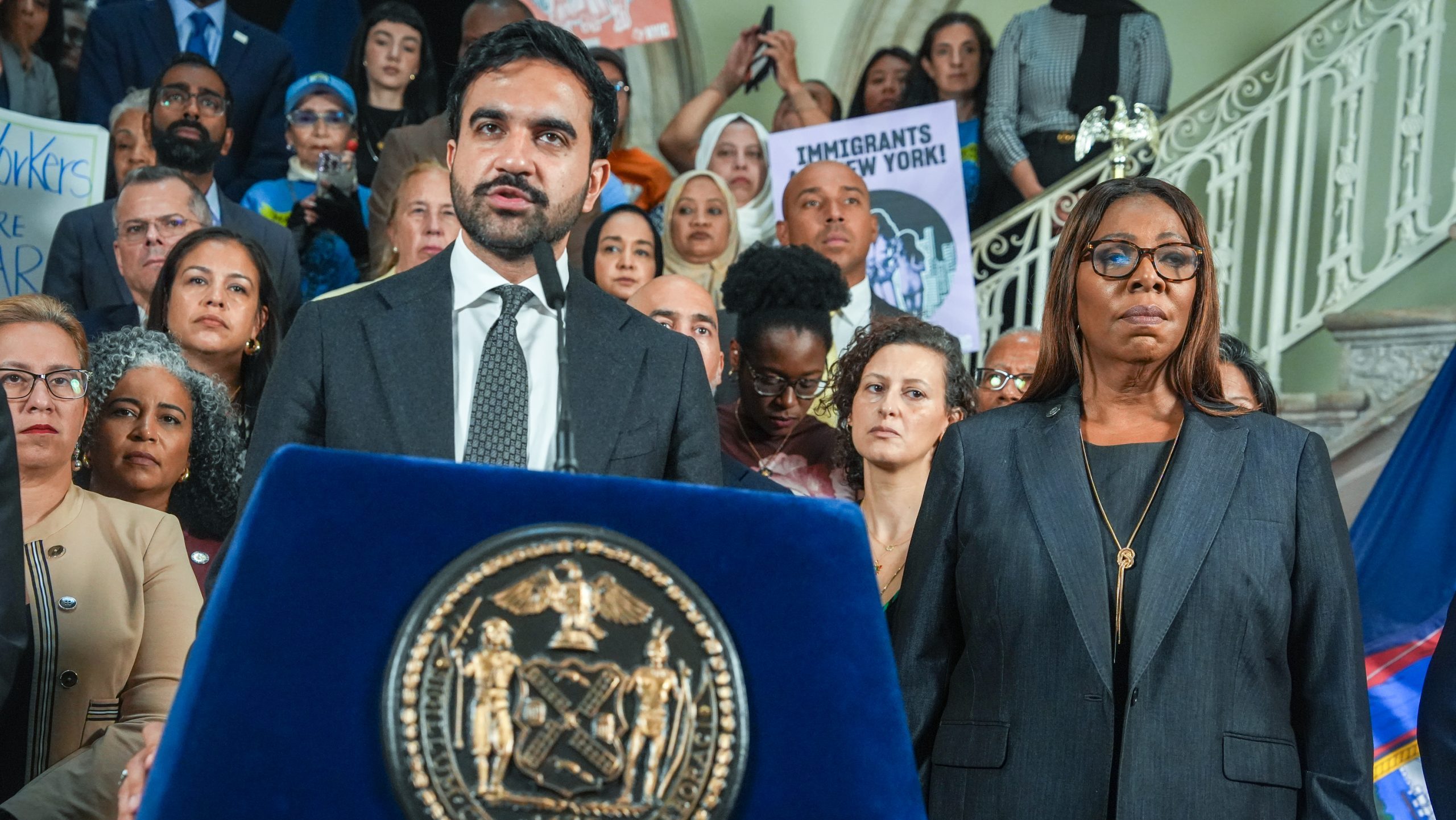
“I have consistently voiced the will of the majority of my constituents, and I will continue to do so. We do not want a casino in our backyard,” said Senator Ramos in a statement to Documented. “The costs far outweigh the benefits.”
Also Read: Immigrant Residents Move to Stop Coney Island Casino Bid
Sidestepping Ramos’s opposition, Cohen enlisted the support of State Senator John Liu who, in April, introduced his own bill that would clear the way for the casino project. Liu did not respond to Documented’s request for comment.
Rather than wait for the state legislature’s approval, Cohen pushed for the land to be rezoned under the city’s Uniform Land Use Review Procedure and launched an aggressive local campaign to woo community stakeholders to his side, including plans to allocate $1 billion in community improvement projects and $25 million for community-identified health care for youth and seniors.
The campaign had seemed to work, with the City Council overwhelmingly approving the zoning in March.
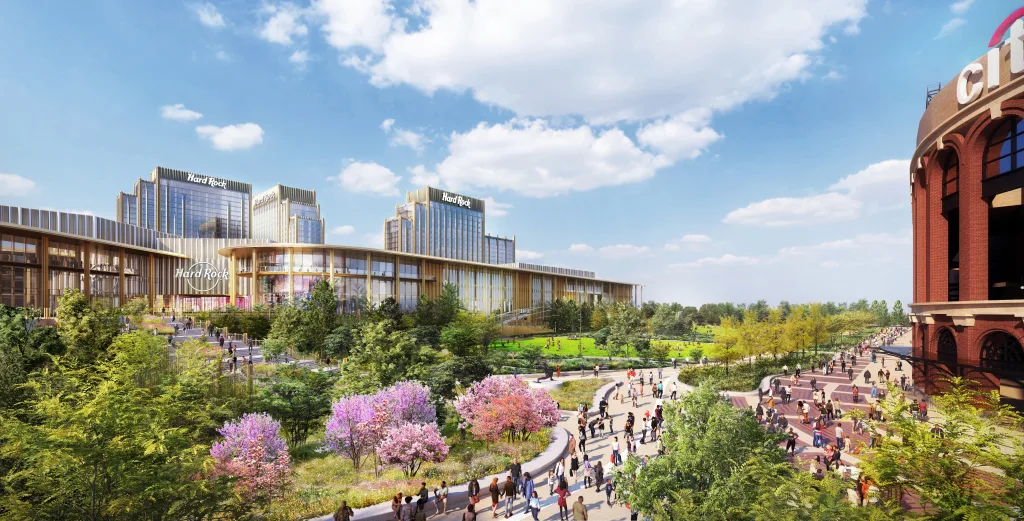
“Six out of six community boards, the borough president, the city council, the Assembly, and the local community all overwhelmingly approve of Metropolitan Park,” said Karl Rickett, a Metropolitan Park spokesperson, in a statement to Documented.
Despite the large sums of money spent on winning the hearts and minds of Queens residents, the casino project appears to still be unpopular. A survey conducted last year by the MinKwon Center for Community Action and shared exclusively with Documented found that more than 68% of 363 voters in Flushing oppose the casino.
Instead of a casino, the Urban Institute argues in their report that the public land could be developed into 2,750 to 6,875 units of affordable housing.
If the casino is built, the report argues that developers and lawmakers should create strategies that prevent displacement in Corona and Flushing, such as forming community land trusts and educating residents on tenant rights. They should also commit to an initiative requiring worker-owned small businesses in the development’s proposed food hall.