

Six days after Congress passed President Trump’s sweeping domestic policy package, known as the “Big Beautiful Bill,” a young Chinese immigrant father visited the office of the Chinese-American Planning Council (CPC) in Manhattan’s Chinatown, desperate and afraid of losing his supplemental food benefits.
“I’m so scared,” he told the CPC case worker helping him. “I want to give up. I’d rather die.”
The man recounted how he supported his family and two young children primarily through the Supplemental Nutrition Assistance Program (SNAP), a vital social safety net that helps alleviate food insecurity for more than 40 million households nationwide. He was one of dozens of concerned community members who had visited or contacted CPC since the bill was passed on July 3 to express concerns about losing their SNAP benefits.

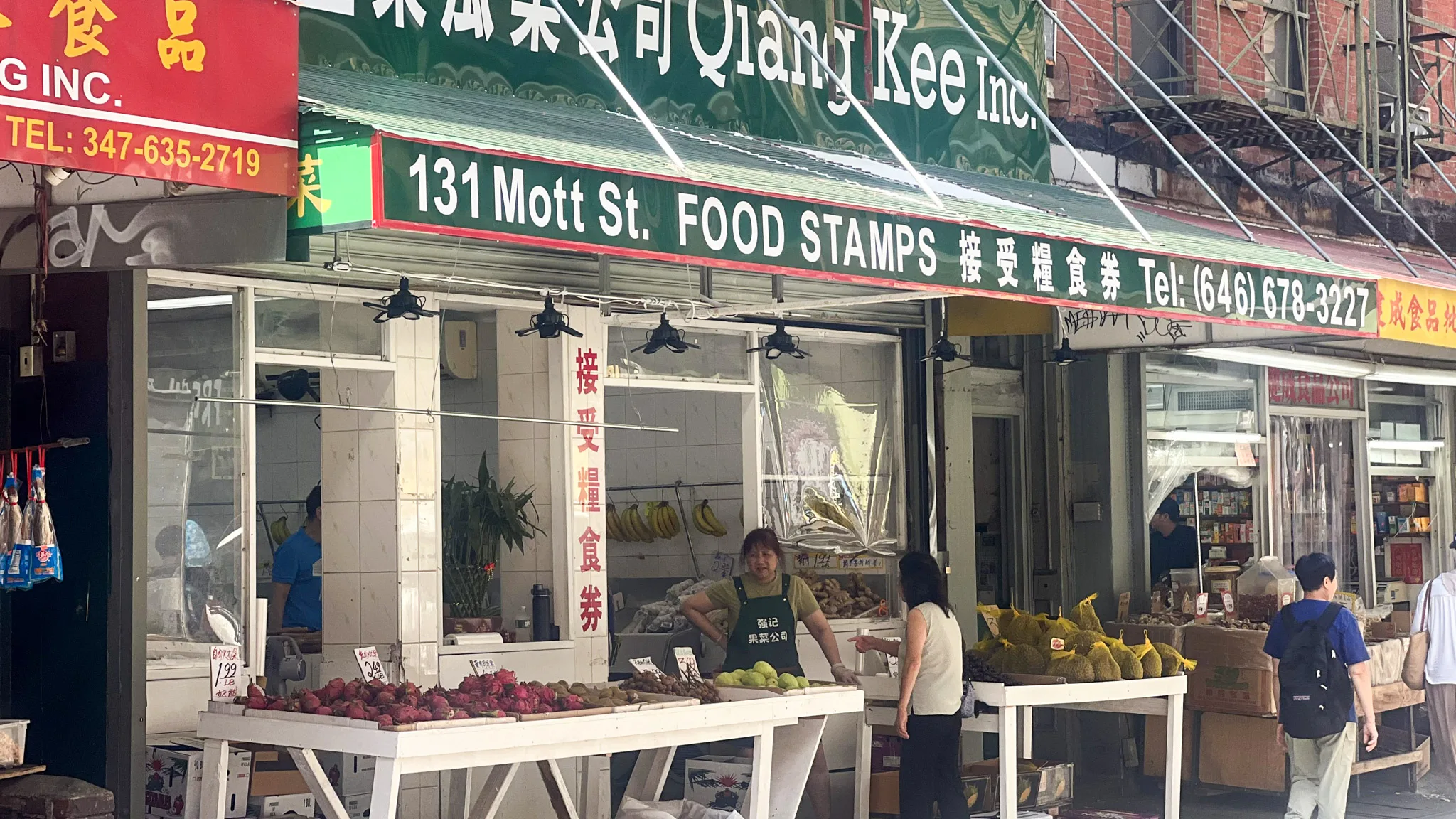
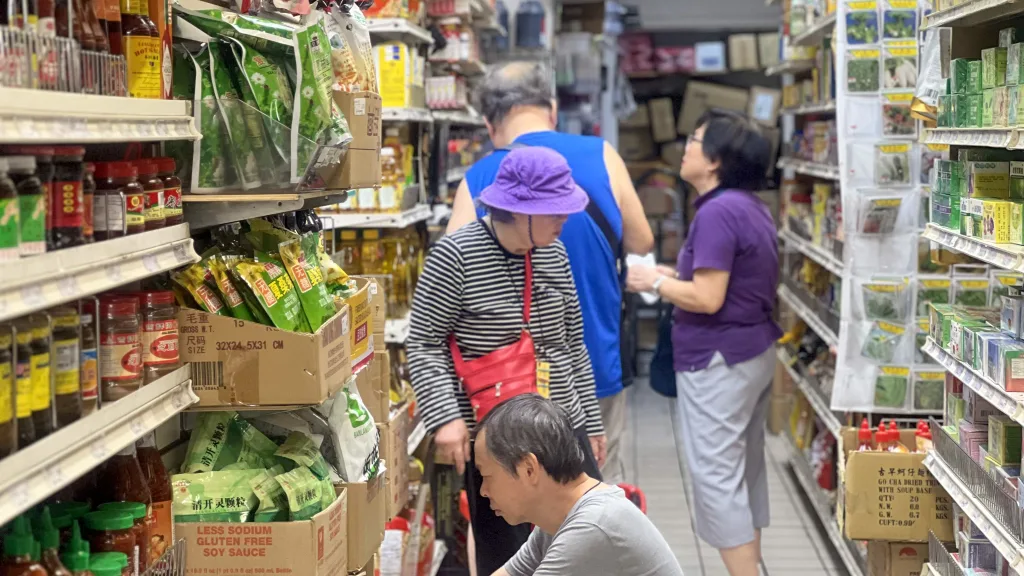
In neighborhoods like Chinatown, the impact of the bill’s cuts to SNAP could be especially severe.
More than a quarter (26.2%) of households in the Lower East Side/Chinatown area received SNAP benefits in 2022. And CPC’s initial analysis shows over 9,000 Chinese community members citywide have enrolled in SNAP through their services, with roughly a third located in Manhattan’s Chinatown.
Of the 7,000 Chinese clients in one of CPC’s specific case management systems, Carlyn Cowen, CPC’s chief policy and public affairs officer, said more than a third, approximately 2,400 individuals, are at risk of losing benefits, and 500 could lose them entirely — primarily due to immigration status or the bill’s updated eligibility criteria.
Also Read: Nearly 9,000 SNAP Thefts Reported in NYC After Replacement Program Ends
“It was awful on all accounts,” Cowen said, referring to the young father’s case. Though many of the bill’s provisions will be phased in beginning in 2026, Cowen said “the emotional and psychological toll is already being felt” by Chinatown community members. Cowen said the father, who is raising two kids under 14 in Chinatown, may be among those impacted by the bill due to his immigration status. She requested his name be withheld to protect his privacy.
The legislation calls for the largest cut to SNAP in its history, $186 billion over the next decade, alongside tax breaks that researchers say primarily benefit the wealthy. About 22.3 million families, including those in mixed-immigration status households who rely on the program to put food on the table, are expected to lose all or some of their food benefits under the new bill.
As of March 2025, almost 3 million New Yorkers rely on SNAP. However, according to Gov. Kathy Hochul’s office, at least 300,000 New Yorkers, or about 10% of the SNAP recipients in the state, could lose part or all of their SNAP benefits under the bill’s expanded work requirements.
The new bill would significantly tighten SNAP eligibility, as it would also expand work requirements for able-bodied adults without dependents by raising the age threshold from 55 to 64, if they want to receive SNAP benefits for more than 3 months within a 36-month period. Additionally, parents with children older than 14, lowered from the previous age of 18, would now be subject to these rules. To continue receiving benefits, recipients who are mandated to meet the work requirements must work, attend training, or volunteer at least 80 hours per month.
The changes to SNAP eligibility would also be restricted to U.S. citizens and lawful permanent residents, with a few exceptions. At the same time, the bill eliminates benefits for many legal immigrants, including refugees, asylees, and victims of trafficking, who previously qualified due to their status or long-term U.S. residency. According to the New York Times, this may include 41,000 noncitizens in New York who may lose benefits.
Even though the White House said the changes to work requirements would “promote work, responsibility, and restore SNAP to serve the truly needy,” research by the Food Research and Action Center (FRAC), a national nonprofit dedicated to ending hunger and undernutrition, found that SNAP’s time limits are ineffective at increasing employment. Instead, they often result in eligible individuals losing benefits due to burdensome paperwork and administrative red tape.
“Under this proposal, a parent or caregiver could be cut off from SNAP simply for not meeting the 20-hour-per-week work requirement — even if they’re already providing unpaid care or face barriers to employment,” FRAC wrote in one of its reports.
The Congressional Budget Office (CBO) estimates that changes to SNAP under the new bill would strip food assistance from approximately 3.2 million adults each month, including 1 million older adults (ages 55–64) and 800,000 parents of school-aged children. The loss of benefits would also impact others in their households, cutting food assistance for about 1 million children and 250,000 seniors or individuals with disabilities.
Cowen said the bill could disproportionately affect Asian American families who are more likely to live in mixed-status households. According to the NYC Mayor’s Office of Immigrant Affairs, 18% of Asian individuals in the city live in such households, compared to 12% citywide.
A Heavy Blow
Another mother, a young Chinese immigrant who lost her husband to a heart attack two years ago and is currently raising a 2- and 4-year-old in Chinatown with the help of SNAP, broke down in tears during a call with a caseworker at CPC after learning that the “Big Beautiful Bill” had passed, Cowen told Documented.
“She was worried about what was going to happen to her benefits,” said Cowen, noting that the mother may lose access to SNAP due to her immigration status. Cowen requested that her name be withheld to protect her privacy.
“As a social services agency, we are trained to support community members in times of crisis. And it’s still very, very hard to support a community member that is struggling in that way… to see how much it’s hurting people,” said Cowen.
The timeline for when the new requirements will take effect remains unclear. States are expected to receive further guidance from the U.S. Department of Agriculture, according to CNBC. Cowen said CPC is still trying to understand the full implications of the law for SNAP and its caseworkers are urging residents not to panic, emphasizing that their current benefits have not yet changed. “But people are understandably nervous,” Cowen said.
She also noted that funding cuts to SNAP and Medicaid could threaten entire programs at CPC and other social service providers. “If the funding disappears, these services won’t be there for community members when they need them most,” she said.
Also Read: How To Report Stolen SNAP Benefits and Claim Reimbursement
Cowen stressed the importance of staying informed. “We want our community members to know CPC is here for them. We’ll keep them updated as we learn more about how this bill will impact their benefits and their rights.” According to Cowen, CPC is also advocating at the federal, state, and local levels to protect immigrant New Yorkers through policy, legislation, and budget decisions.
Assemblymember Grace Lee, who represents Chinatown, said her office has heard mounting concerns from community organizations about food insecurity among Chinese immigrants and low-income families, especially as these organizations face rising demand and shrinking resources.
Even with $30 million in annual state budget allocations for Asian American communities, Lee said it won’t be enough to offset the sweeping federal cuts.
“The federal government and the Trump administration are taking away resources that are not going to be able to be covered by the state,” said Lee, “And this is a direct fact of the Republican and Trump policies against our community. They would prefer to see people starve and then give billionaires tax cuts,” she added.
Lee said her office is convening a conference with other legislators last Friday to explore ways the state can mitigate the impact. “We’re going to keep fighting,” she said.
“A lot of the Asian American community started to go more conservative and vote for Trump,” said Lee. “They should acknowledge and recognize that these policies are the consequence of that.”