

With the federal government shutdown now stretching into its fifth week, the safety net of food assistance that millions rely on is unraveling, leaving immigrant families especially vulnerable.
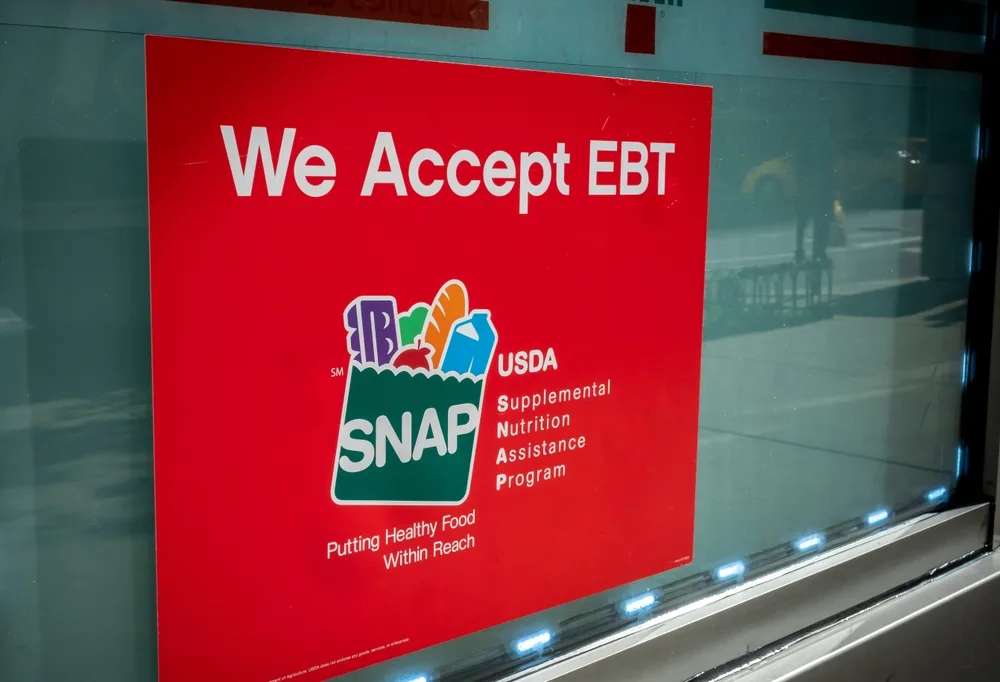
The Trump administration has announced it will halt monthly SNAP food assistance payments beginning Nov. 1, marking the first time in U.S. history the program has ever been stopped during a government shutdown. Just weeks before Thanksgiving, nearly 42 million people — roughly 12% of the U.S. population — could lose access to the benefits that keep food on their tables.
Yesterday, Gov. Kathy Hochul declared a state of emergency in New York and pledged an additional $65 million — enough to provide about 40 million meals — to help food banks and emergency providers brace for the loss. The announcement follows another $41 million in fast-tracked food assistance earlier this week, bringing the state’s total allocated emergency funding to $106 million.

Still, Hochul’s office noted, SNAP’s scale — roughly $650 million in monthly benefits for nearly 3 million New Yorkers — means no state can fully replace federal support. On Tuesday, New York joined 24 other states in suing the Trump administration to demand the release of emergency SNAP funds. The average enrolled New York household receives $376 per month from SNAP, according to New York Focus.
The potential Nov. 1 cutoff comes amid a broader effort to link social programs to immigration enforcement, fueling anti-immigrant rhetoric and the public’s perception that safety-net programs like SNAP primarily serve undocumented immigrants. “I am going to introduce a bill to ban all non-citizens from any form of welfare,” Republican Rep. Randy Fine of Florida posted on X earlier this week. “If you want free stuff, go home.”
In reality, noncitizens account for a small share of SNAP recipients: nearly 90% are U.S.-born citizens, while only about 4.8% of benefits go to noncitizens, according to USDA data cited by WIRED. Separate from the shutdown, Trump’s new budget law passed in July slashed $187 billion from SNAP through 2034 and limited eligibility to “legally present” immigrants, excluding refugees, asylum-seekers, people with temporary protected status and trafficking victims. Advocates estimate this could cut off some 41,000 New Yorkers from SNAP benefits due to their immigration status.
“Our government invited these people to rebuild their lives here,” Matthew Soerens, vice president of advocacy and policy at World Relief, a Christian humanitarian group that supports refugees in the U.S., told KFF Health News. “Taking food away from them is wrong.”
Families receiving SNAP benefits are rarely made up of only noncitizens or refugees, writes Angela Rachidi, a senior fellow at the American Enterprise Institute. Around 4% of SNAP households are of “mixed status,” made up, for example, of an undocumented parent receiving benefits on behalf of a child who is a U.S. citizen, she said. When federal benefits halt, such families lose one of the only safety nets available to them.
Many migrants don’t know what will happen to them if SNAP stops on Saturday. After fleeing war in the Democratic Republic of Congo, Antoinette, now living in Atlanta, depends on SNAP for groceries because her warehouse job packing boxes only earns her enough to cover rent, KFF Health reported. Asked if she would shop less, eat fewer fruits and vegetables, buy less meat or skip meals once the aid stopped, she answered simply, to all: “Oui.” Yes.
A previous Documented investigation found that a SNAP freeze will have ripple effects not only among immigrant families, but also on immigrant-run businesses that depend heavily on customers using food assistance.
Nancy Ng, the owner of the 50-year-old Po Wing Hong Market, a pillar of Manhattan’s Chinatown neighborhood, estimates that around 60% of her Chinese customers rely on SNAP to buy Asian staples like goji berries, rice, soy sauce and vermicelli noodles
“If people lose their benefits, we’ll have fewer customers, and even regular customers will buy less,” she told Documented in Mandarin. “It will be hard for us to survive.”“If people lose their benefits, we’ll have fewer customers, and even regular customers will buy less,” she told Documented in Mandarin. “It will be hard for us to survive.”
Worried about what the government shutdown means for your SNAP or WIC benefits, or know someone who is? Our guide outlines what you need to know.