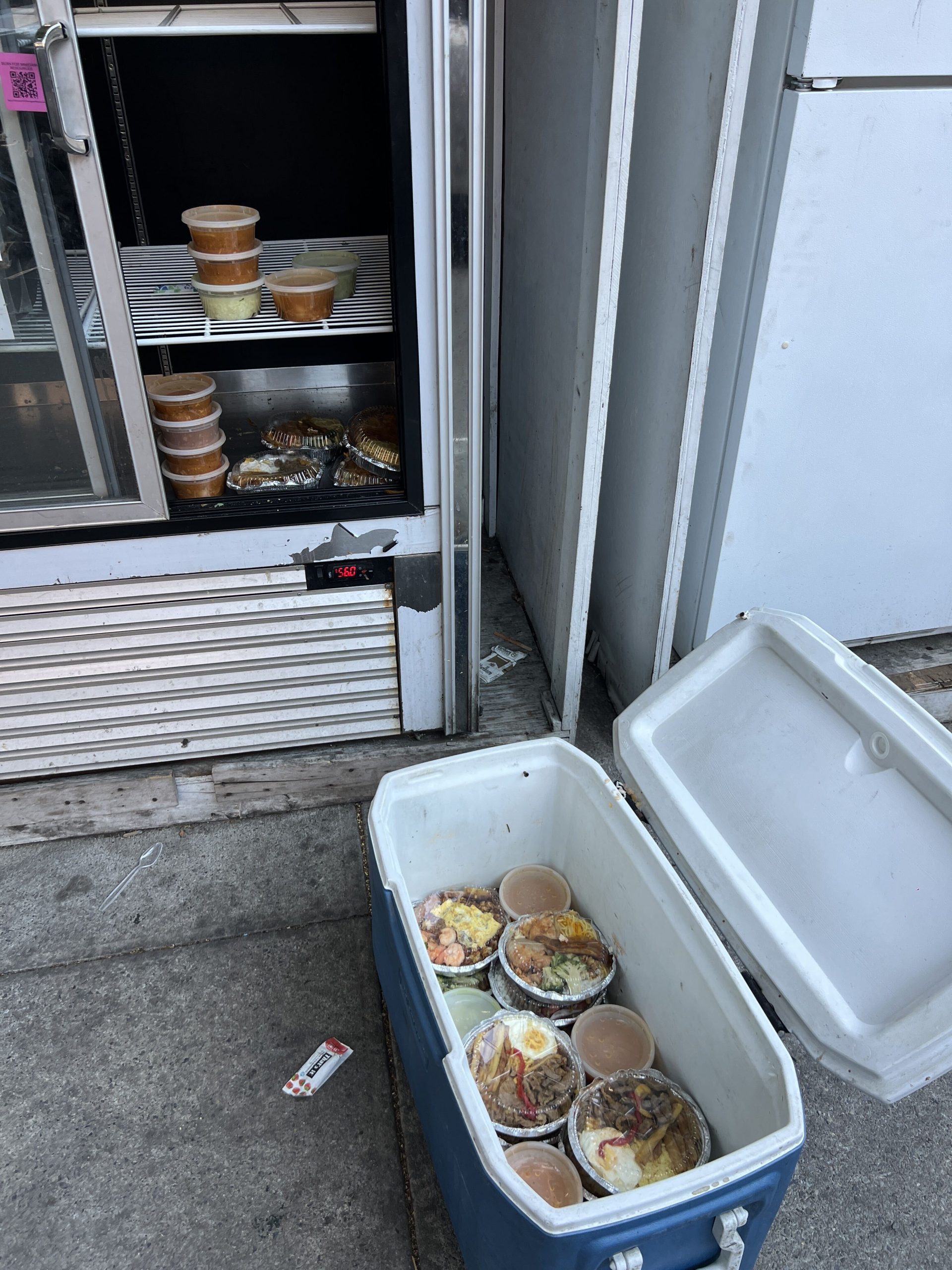



Living in the richest city in the U.S. does not always mean families can afford their basic needs. A recent report found that more than one in three (36%) adult New Yorkers and 42% of families with children are not able to afford their weekly food costs.
In early June, Mayor Mamdani announced that his office had helped more than 223,000 people keep their SNAP benefits despite the new work requirements for able bodied adults mandated by the federal government. But the work is far from done. Another 40,000 people are projected to lose their benefits by the end of June. The office has created a hotline, 718-SNAP-NOW (718-762-7669), for residents seeking instructions on how to protect their food assistance.
In the interim, neighbors are coming together in creative ways to help fill the gaps — and one of those ways is through the establishment of community refrigerators, which offer a small helping hand to those in need.

Read on to learn more about these “friendly fridges”, and find out how to start one in your own community.
What is a community fridge?
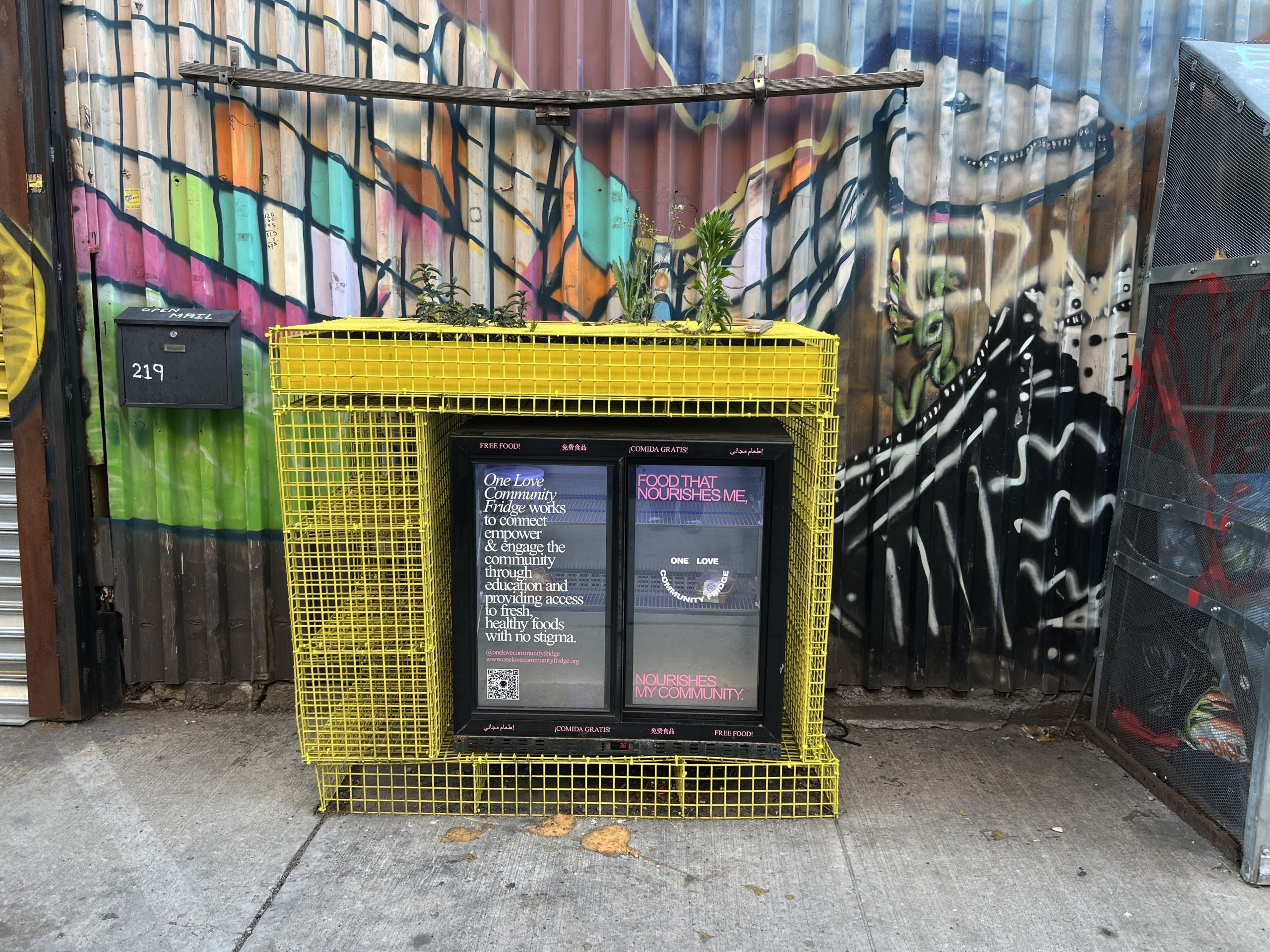
A community fridge is a publicly accessible refrigerator maintained by volunteers to fight food insecurity and reduce waste.
Operating under the motto “take what you need, leave what you can,” anyone can anonymously donate or pick up fresh produce and groceries at any time, without questions, fees, or paperwork.
Who supplies the food in the fridge?
Typically, community refrigerators rely on grassroots participation to be filled. Neighbors, local restaurants, and grocery stores stock them with surplus food that would otherwise be thrown away. So, when a freezer breaks down at Trader Joe’s; a restaurant or a store closes down; or an event over-ordered the catering, these fridges can help make sure nothing goes to waste.
How can I contribute to or pick up from a community fridge?
Simple! The website Fridge Finder has put together a nice list of best practices for dropping off:
- Only bring food that is safe and good to eat. A simple rule is to ask yourself: would I give this food to a friend or family member? If the answer is yes, it is probably good enough to share with your neighbors.
- Food should be fresh, unexpired, stored at the proper temperature and packed in secure containers to prevent spills.
- Avoid placing large catering trays in community fridges. They can spill easily and may be difficult for people to carry.
- When possible, divide food into individual portions so people can easily take what they need.
- Label prepared meals with the ingredients or allergens and the date they were made.
- Take trash with you, including cardboard boxes and food scraps. If you notice the fridge needs cleaning, help clean it.
- Do not leave non-food items in a community fridge.
For picking up food:
- Only take the amount of food you need, and leave the rest for others. Many people depend on community fridges for regular meals and basic nutrition. Only take food that is safe and good to eat. If something looks spoiled or unsafe, throw it away using proper sanitation practices.
- If you touch a food item, take it with you or throw it away.
- Do not leave trash near community fridges.
- If you notice the fridge needs cleaning, help clean it. You can also flag the condition on the Fridge Finder map.
- Be kind and respectful to others when using community fridges.
Where can I find a community fridge in NYC?
There are a handful of community fridge maps online, but their accuracy can vary. Fridge Finder offers a community-sourced view of active fridges, their locations, and recent stocking conditions across the five boroughs.
Another comprehensive map is made by CWA 1180 — though you should note that some fridges on the list may be empty or in need of maintenance.
One Love Community Fridge has deployed over two dozen designed community fridges mainly in the Brooklyn neighborhood. You can find all of them here.
In addition to being mapped, many community fridges have websites or even social media pages, so check those out before making a trip if you can.
How can I start a community fridge in my neighborhood?
As they say, many hands make light work — and that is certainly true with regard to maintaining community fridges. They must be checked on regularly, filled and cleaned.
If you would like to start one in your neighborhood to support your neighbors, and strengthen community bonds one meal at a time, you can contact Fridge Finder to request help. They may be able to match you with a donated fridge or help you build a shelter to protect it.
You may also want to create an online presence for the fridge so more community members can locate it, donate to it and help keep it maintained. Fridge Finder also offers a more detailed starter plan for people who are ready to take action!.
You are welcome to support existing community fridges by donating food, updating fridge maps and volunteering to help keep them clean, stocked and accessible.