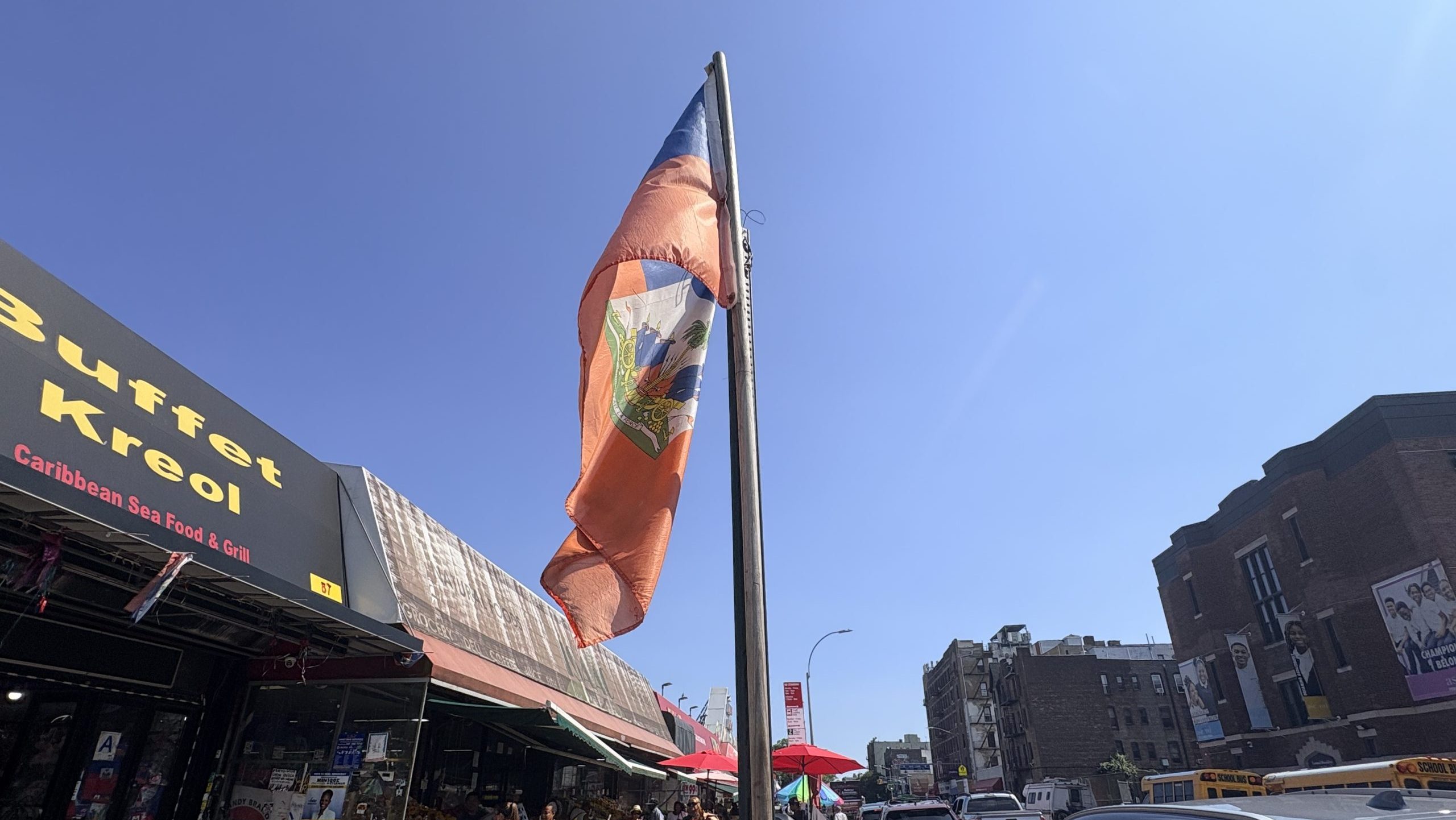


Little Haiti in Brooklyn is a microcosm of the established Haitian community of 185,000 in New York, where the sounds of Kreyòl and Konpa can be heard down the Nostrand Avenue corridor, where Haitians shop, work and play every day.
The day after the deafening SCOTUS decision that determined the president has broad power to end Temporary Protected Status (TPS) affecting 330,000 Haitians in the United States, community members in Little Haiti expressed their frustration over the ruling and its potential impact.
“It’s a bigger problem for this country because a lot of immigrants are workers,” said Augustine Jean, a cab driver from Haiti who said that ending TPS would impair the American economy and workforce.
Haitians in the U.S. were first granted TPS by the Obama administration on January 15, 2010, following a devastating earthquake in Haiti just three days earlier. Since then, Haitian TPS has been redesignated and extended multiple times because of ongoing cataclysmic events in Haiti, ranging from climate disasters like hurricanes and floods to political unrest, which included the assassination of President Jovenel Moïse in 2021, and gangs soon taking control of the capital city of Port-au-Prince.
“It’s worse now — we went from earthquakes to gangs kicking people out of their country,” said Rommel A. Peltro, a Haitian immigrant who’s lived in the U.S. for 30 years.
Peltro ridiculed comments from federal government representatives who emphasized the “temporary” component of TPS, citing that conditions in Haiti have not made it safe for people to return.
“TPS was temporary in the first place and we know that — but that was if you had taken the money and invested [it] in what was supposed to be done,” Peltro said, referring to earthquake relief funds.
If TPS is revoked, thousands of status holders across the country will be at serious risk of deportation, and over 330,000 Haitians will become undocumented, and therefore, unable to legally work.
In their outcry over the decision, TPS advocates have highlighted the working contributions Haitians have made in the U.S., thousands of them occupying the healthcare industry. An estimated 13,000 Haitian nursing assistants on TPS serve 65,000 patients daily.
“They add a good amount of sustainability to this economy, and some of them work two to three jobs, especially in the healthcare system,” said Dr. Marie Paul, founder of the Haitian Nurses Network.
Paul, a nurse practitioner, said many of the network’s members and her students are TPS holders. While she feels for Haitian TPS holders in the healthcare community, she acknowledged that the ruling’s impact will extend beyond Little Haiti.
“We have home health aides who go to the home and provide care to the elderly; we have the nurses who hold degrees and work in the hospitals; we have teachers who teach at universities,” Paul said. “This is going to be a ripple effect.” An estimated 8,000 Haitian caregivers serve 12,000 children and aging parents.
Advocates have noted how the Supreme Court’s ruling could set a precedent for future TPS decisions, as the law limits lower courts’ ability to review the federal government’s TPS decisions. Currently, there are lawsuits challenging TPS termination for several other designated countries, including El Salvador and Sudan, whose protections expire in September.
TPS work permits for Haitians remain valid until this Wednesday, July 1, as the fear of deportations looms over Little Haiti.
“They’ve picked people off the streets like stray dogs — it may happen,” said Paul, harkening back to several instances of people being stopped and arrested by Immigration and Customs Enforcement (ICE).
While frustrated about the decision, Chilly Bonny, a tailor in Little Haiti, said he’s not scared about any decisions coming from the Trump administration.
“Most people from Haiti come here to do good jobs, working in hospitals, trying to make a living.” said Bonny, who’s lived in New York since 1980. “People cannot decide for people – only God could do that.”