

The MAN Asian Fusion Restaurant in Coney Island has sat empty and silent for more than a year and a half — not because of any renovations, but because the restaurant is still waiting for approvals from the New York City Fire Department and other regulatory agencies.
For Wafer Lin and his business partners, who own the restaurant, what began as an ambitious post-pandemic investment has turned into a four-and-a-half-year nightmare.
Since first signing the lease and launching the project in 2022, Lin and his partners say they have poured roughly $2.5 million into building the 5,000-square-foot restaurant, hoping to bring new Asian flavors to South Brooklyn and create a gathering place for the community. Instead, they have found themselves trapped in a maze of permits, inspections, and red tape.

Despite completing the renovation in 2024, the restaurant today remains closed as the owners struggle to navigate what Lin calls an “impossible mission” to satisfy New York City Fire Department requirements. With no clear timeline for approval, they still don’t know when or if they will finally be able to open their doors. Rows of neatly arranged tables and brand-new stoves and stainless-steel shelves continue to sit untouched.
A spokesperson for the FDNY told Documented that the restaurant did not respond to the department’s inquiries within the required 180-day window after submitting its first application for inspections in 2024. Lin said that the filing was in the hands of a contractor and they didn’t know there was an expiration. Lin and his business partners have been embroiled in a new application process since October 2025, which they say has been full of miscommunications and delays.
Lin’s experience is far from unique. Across New York City, small business owners must undergo permits, inspections, and other documentation before they can open their doors — part of a highly regulated process designed to protect public health and safety and ensure compliance with city regulations. For example, FDNY inspections help prevent fires and other safety hazards, while Health Department inspections are intended to reduce the risk of foodborne illness.
But many small business owners say they have been forced to navigate a maze of obstacles and delays, often waiting months or even years for the approvals needed to open their businesses, in part due to understaffing and bureaucratic inefficiencies between city agencies.
This week, City Council leaders said they are taking steps to make the process less onerous.
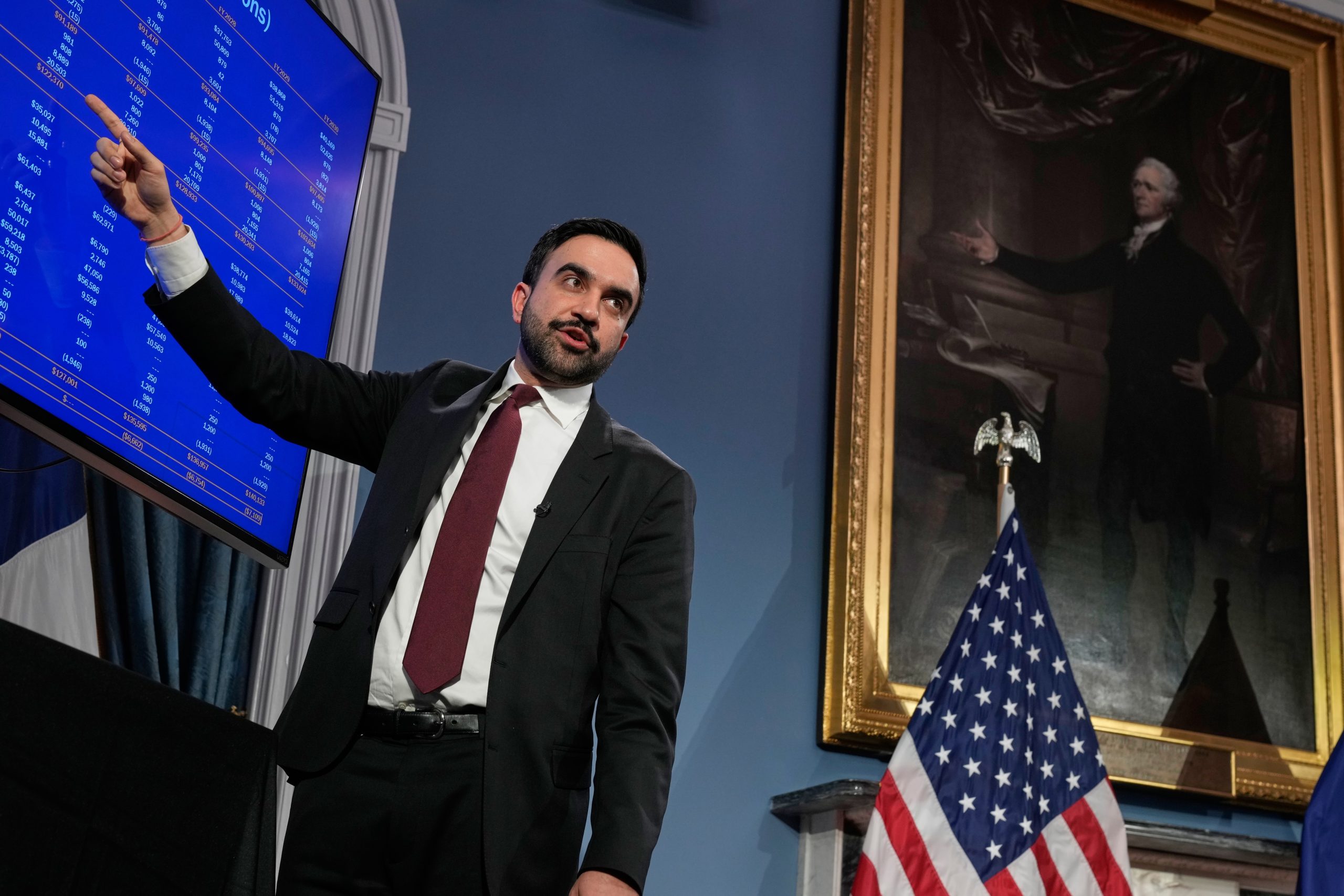
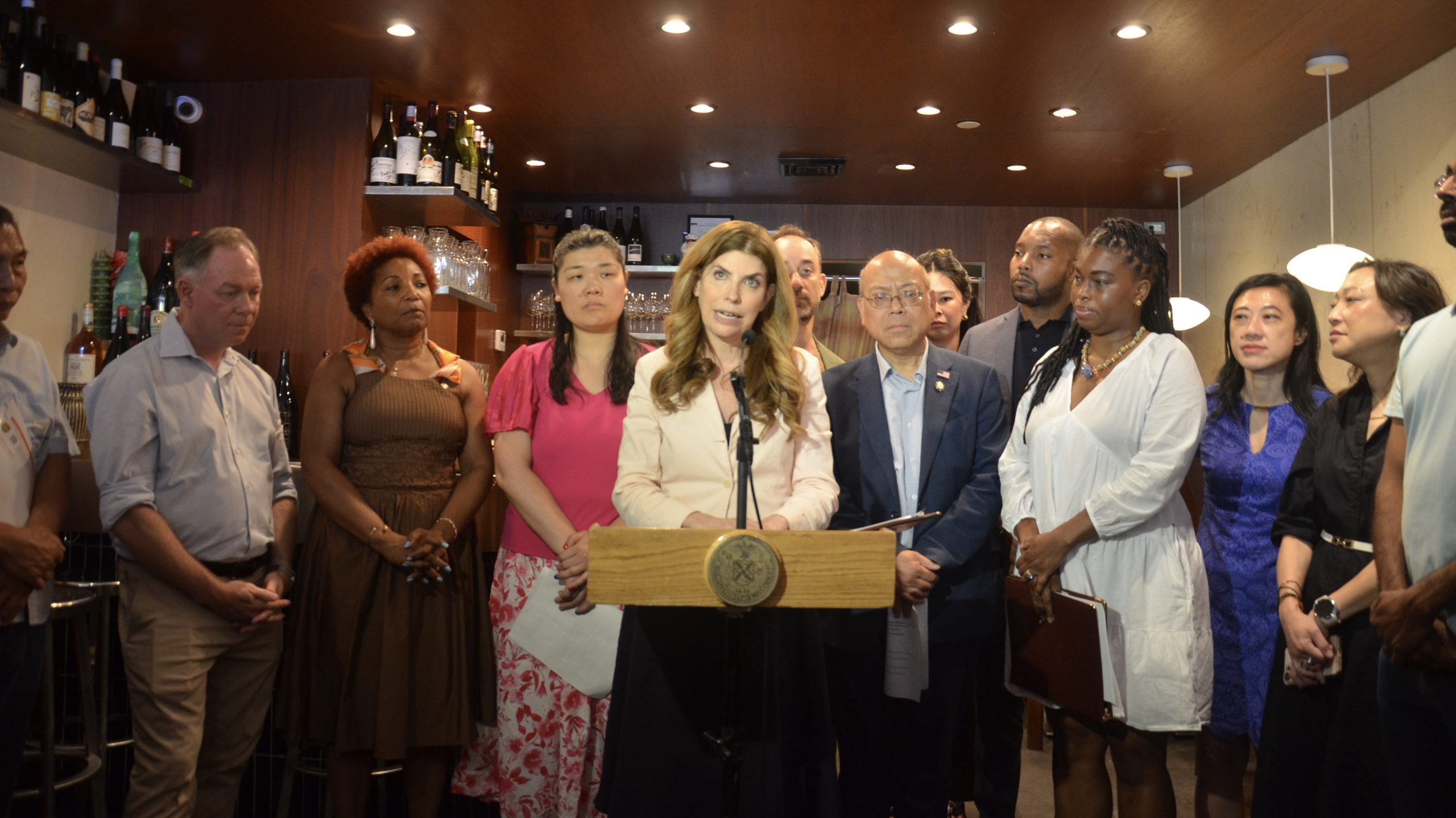
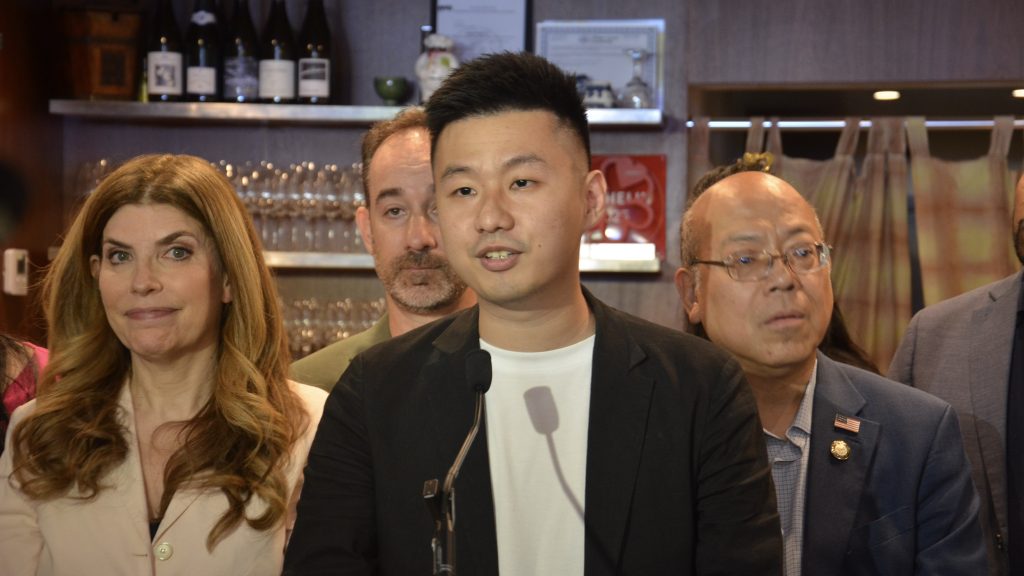
On Monday, Council Speaker Julie Menin joined Council Member Susan Zhuang, fellow council members, community organizations, and small business owners, including Lin, to urge the City Council to advance two pieces of legislation aimed at reducing regulatory burdens, cutting fines, and streamlining the city’s inspection, permitting, and approval processes.
“Our small business owners are faced with far too much red tape, from a maze of oversight agencies, literally an alphabet soup of city agencies, to a slow permitting process, to unnecessary fines and fees,” Menin said at the press conference, which was hosted at Lei, a wine bar in Chinatown.
Opening a business in New York City can involve permits from as many as 15 different city agencies, including the Department of Buildings (DOB), FDNY, the Department of Environmental Protection (DEP), and the Department of Health and Mental Hygiene (DOHMH). Small business owners must navigate more than 6,000 rules and regulations to operate. According to state data, nearly 30% of small businesses in New York City wait six months or longer to receive the approvals needed to open.
Menin pointed to New York City Economic Development Corporation data showing that only 3,500 new businesses were created across the five boroughs in the second quarter of 2025, the lowest quarterly total in the past five years. During the same period, the city experienced a net loss of nearly 5,000 businesses, with about 8,400 businesses closing. “This is a shameful, woeful and unacceptable statistic that we in the City Council are going to work very hard to reverse,” Menin said.
One of the bills, the Red Tape Relief Act, which is sponsored by Zhuang, would require the mayor to establish an interagency coordination program modeled after the Bloomberg administration’s New Business Acceleration Team. The program would coordinate inspections and plan reviews across city agencies to reduce the time it takes small businesses to open. The Council is expected to vote on the bill on Thursday.
According to Zhuang’s office, the original New Business Acceleration Team helped more than 1,500 businesses open an average of two to three months earlier and generated an estimated $9 million in additional tax revenue by accelerating restaurant openings.
A second proposal, sponsored by Menin and also scheduled to be introduced Thursday, would create a Quadrennial Regulatory Review Commission to review city business regulations every four years and recommend ways to simplify permitting, licensing, inspections, fines, and fees across agencies.
In a statement, the Mayor’s office told Documented that it supports the goals of the legislation, adding that making it easier for small businesses to start and grow is a key priority. “The administration supports the intent of this legislation to cut red tape for small businesses and simplify bureaucracy for businesses navigating the city’s regulations,” a spokesperson for the mayor said in a statement.
The spokesperson added that, following Executive Order 11, which Mayor Zohran Mamdani signed during his first weeks in office, the administration will soon roll out a series of reforms aimed at supporting small businesses across the city.
“In my district, I see businesses struggling for a long time,” Zhuang, the council member representing parts of Brooklyn, said, noting that she has heard many stories similar to Lin’s experience. “Opening a small business in New York City is extremely hard, and the paperwork, the delays and the confusion between different departments really cause a lot of trouble for small business owners.”
Zhuang added that the challenges are even greater in neighborhoods like her district in South Brooklyn, which includes Bensonhurst, Dyker Heights, Bath Beach, Gravesend, Mapleton, and parts of Sunset Park and Borough Park. Zhuang said roughly 70% of her district’s residents are immigrants and many business owners have limited English proficiency, making it even more difficult to navigate the process.
Even experienced business owners say opening a business in New York City can feel overwhelming.
Annie Shi, owner of Lei, the Chinatown wine bar that hosted Monday’s press conference, has spent a decade in the restaurant industry and owns four restaurants. Yet it still took seven months to open Lei, and more than a year after opening last June, the award-winning restaurant is still waiting to obtain a full liquor license despite having a sommelier.
“When you’re a small business, you don’t have the budget for an expediter. You don’t have the budget for professional services or endless amounts of rent and payroll,” Shi said. “It’s really difficult to figure out what you’re supposed to do.”
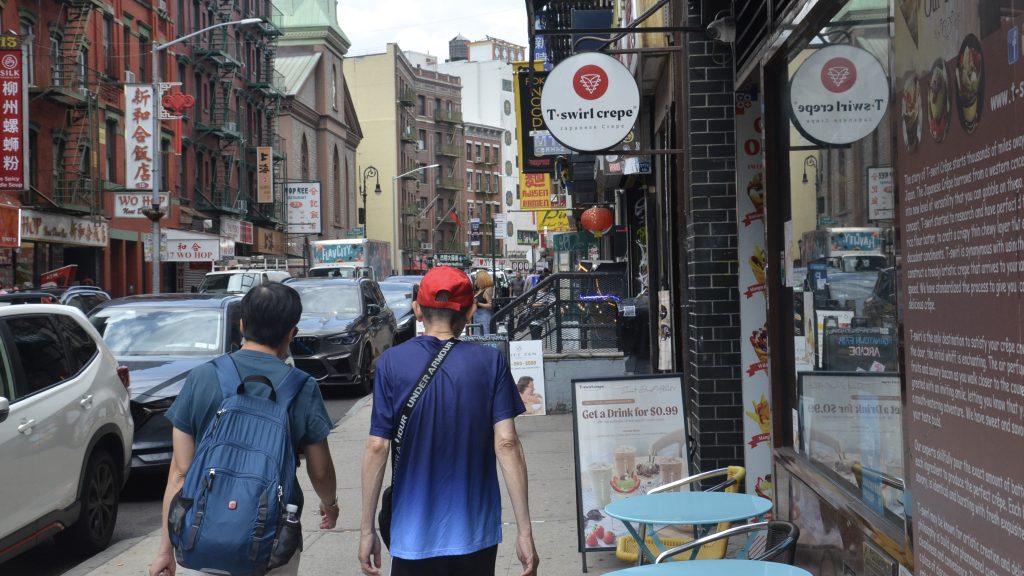
Wellington Chen, executive director of Chinatown Partnership Local Development Corporation, said many business owners still struggle to understand even basic city regulations. On Doyers Street, one of Chinatown’s oldest commercial corridors, he said, some merchants remain unsure where trash should be placed, how much can be put out and which rules apply.
“Uncertainty is the most lethal thing for small businesses,” Chen said. According to The Washington Post, about 44% of restaurants fail within five years. “The government should make administrative approval processes more transparent so more small businesses can survive and operate for the long term,” he said.
For Lin, the nearly two-year delay in securing gas service has forced him and his partners to postpone hiring and repeatedly revise their business plans. They had expected the restaurant to be operating by last year.
“One of my daily routines now is following up with the FDNY and contractors, ‘What is going on here, how can we open?’” Lin said. “We’re asking the city to make this process simpler and more transparent, so business owners know what’s required, how long it will take and who to turn to when problems arise.”
Correction, July 17, 2026: An earlier version of this article miscategorized the nature of the regulatory delays affecting the MAN Asian Fusion Restaurant.