



The New York general election is less than three weeks away. In addition to voting for statewide and legislative offices, voters in New York City will decide on five ballot proposals that would amend the city’s charter, the law that establishes how city government operates.
The proposals aim to make city government work more efficiently, from speeding up permits for outdoor dining to setting a target for rainy-day savings.
Here’s what you need to know about the five proposals and what they could mean for communities across the city.
Why is the city proposing these changes?
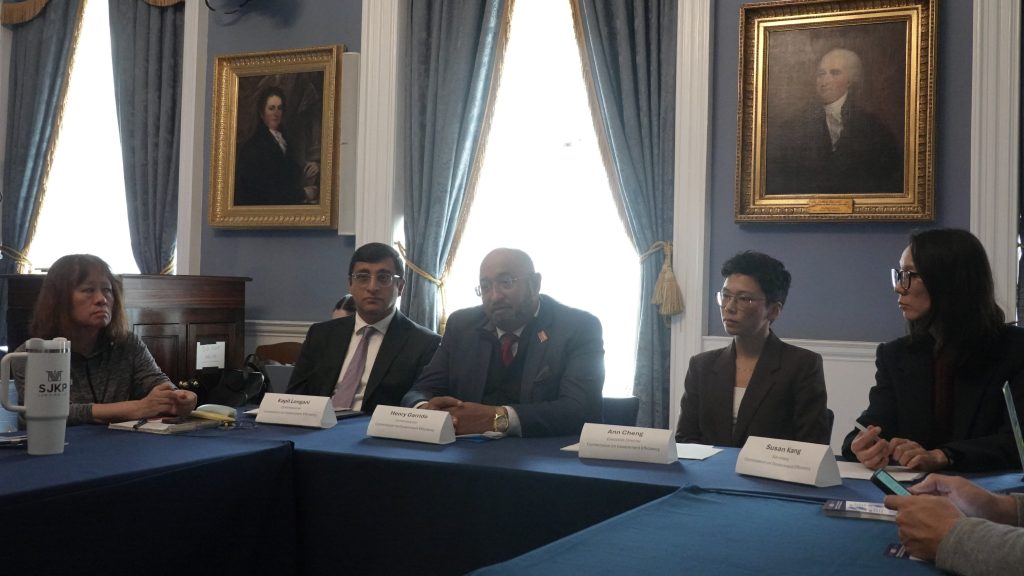
The five proposals were developed by the Mayor’s Office of the Commission on Government Efficiency (COGE).
Ann Cheng, COGE’s executive director, said the proposals were shaped by feedback gathered during 10 public hearings held across the five boroughs this summer, as well as consultations with city agencies and employees. More than 1,200 New Yorkers attended the hearings to share their frustrations with city government and offer ideas for improvement.
After reviewing the city’s roughly 800-page charter, the commission drafted five proposals to make government simpler, faster and more accountable without cutting public services, eliminating public-sector jobs or pursuing partisan goals.
What are the five proposals?
New Yorkers will see the following five proposals on the back of their ballots this year. If you agree with the changes, vote “yes” on the ballot; if not, vote “no”.
Proposal 1: Save small businesses time and money by making it easier to open outdoor dining and build accessible ramps.
COGE explained that the proposal would simplify the process businesses must follow to obtain permission to use public space, including sidewalks and roadways, for outdoor dining. The proposal also seeks to make it easier to build accessibility ramps.
The proposal aims to cut the eight-month outdoor dining application process by 75% (down to two months); save small businesses up to $1,800 on application costs and thousands of dollars of staff time; and speed up building accessible entrance ramps and accessibility lifts by two months.
Under the proposal, the city would combine applications for sidewalk and roadway outdoor dining. It would also replace required public hearings advertised in print newspapers with online notices and a public comment process through a Department of Transportation portal.
Proposal 2: Speed up city contracts so small businesses and nonprofits can deliver services more quickly.
The proposal aims to reduce burdens on small businesses and nonprofits contracting with the government and save up to 30 days on the process.
COGE said changes would include simplifying the pre-contract questionnaire, requiring quarterly meetings of the Procurement Policy Board to promote consistent and transparent procurement rules, and allowing the mayor to delegate certain contract approvals to city agencies.
The proposal would also make public comment periods a permanent alternative to public hearings for contract awards and streamline the issuance of client services plans. The commission said the changes would speed up the process while preserving labor standards and avoiding increased risks of corruption.
Proposal 3: Fast-track street safety projects and generate revenue from the sale of surplus lots and air rights.
The proposal aims to speed up street safety projects, including bike lanes, by at least 33% and unlock more than $200 million in revenue for the City from the sale of small surplus lots and unneeded air rights over City-owned landmarks.
COGE explained that the proposal would simplify the review process to shorten construction timelines and allow the Department of Transportation commissioner to fast-track critical street improvements when an immediate safety need has been identified.
The proposal would also make it easier for the city to sell or lease certain properties it no longer needs, including small surplus lots and air rights above landmarked city properties. It would also streamline the leasing of office space for city employees while maintaining opportunities for public input.
Proposal 4: Simplify construction permitting to speed up housing.
The proposal would bring 40 approvals from 18 separate offices and agencies into one place, saving builders time and frustration.
COGE said the proposal would simplify the permitting experience for applicants without changing building codes, safety standards or agency review procedures. It would establish a centralized online portal for construction-related permits and approvals, including renovations, modifications, new construction and other building projects.
The proposal would also allow additional divisions within the Department of Buildings to approve certificates of occupancy and centralize the city’s waterfront permitting process within the agency.
Proposal 5: Set a target for the City’s rainy-day savings to strengthen our fiscal stability
The proposal establishes savings targets of 12% of total tax revenue, aimed at ensuring long-term fiscal stability.
COGE said the proposal is intended to help the city build financial reserves that could provide a cushion during economic downturns or other fiscal emergencies, like COVID-19. It would also require the Mayor’s Office of Management and Budget, in consultation with the city comptroller, to develop a formula governing mandatory contributions to the rainy-day fund.
When would the proposals take effect once approved?
The effective dates would vary by proposal. In general, the changes would take effect as soon as practical, though some would require city agencies to adopt new rules first. COGE said the outdoor dining changes under Proposal 1, for example, could take effect as early as March if voters approve the proposal.
How can I learn more before voting?
COGE said it is not taking a position on how New Yorkers should vote. The commission encourages residents to learn about the proposals, discuss them with their communities, conduct independent research and review news coverage before making their decisions.
Informational palm cards explaining the proposals are available in multiple languages, including English, Spanish, Arabic, Mandarin, Haitian Creole, Yiddish, Bengali, Urdu, Korean, Russian and French.
You can download the materials and find more information at nyc.gov/fast.
Important dates
- Voter registration deadline: Oct. 24
- Early voting: Oct. 24–Nov. 1
- General Election Day: Nov. 3


