

President Donald Trump’s abduction of Venezuelan President Nicolás Maduro earlier this month brought a mix of cheers and outrage from segments of Venezuelan immigrant communities.
Sixteen miles away from where Maduro now sits in a Brooklyn jail cell as he awaits trial, residents of the South Bronx are feeling another emotion: nostalgia over the legacy of aid Venezuela provided them when they were most in need.
In 2005, then-Venezuelan President Hugo Chávez was invited by local elected officials and community leaders to tour the South Bronx, infamously known as the poorest congressional district in the country. Speaking to residents, Chávez learned firsthand how decades of government neglect and racist environmental and housing policies, such as redlining, shaped the neighborhood. Residents of the South Bronx are among the most impoverished in the city, with a poverty rate of 36.3%. The South Bronx also suffers from poor air quality due to heavy truck traffic, which has contributed to the neighborhood having one of the highest childhood asthma rates in the nation.
Moved by what he learned, Chávez vowed to help. Beginning in 2007, the Venezuelan government awarded a total of $3.3 million in grants to more than 20 local community organizations in the South Bronx, using funds provided from CITGO, the American subsidiary of Venezuela’s state-owned oil company Petroleos de Venezuela.
Although the funding largely dried up after the death of Chávez in 2013, the aid has had a lasting impact.
The grants had no strings attached other than that the money had to be used for community improvement projects like community gardens, food cooperatives, and environmental clean-up initiatives, leaders said. To manage the funds, residents formed a coalition called Petro-Bronx that met monthly.
“You did not have to be formally incorporated, but you were held responsible for the monies,” said Felix Leo Campos, Executive Director at La Fortaleza Community Development Corporation and member of Petro-Bronx. “You had to show what you did with the funds, and the idea was that after three years of this support, you’ll be in a better place and be able to keep your program, keep your organization going.”
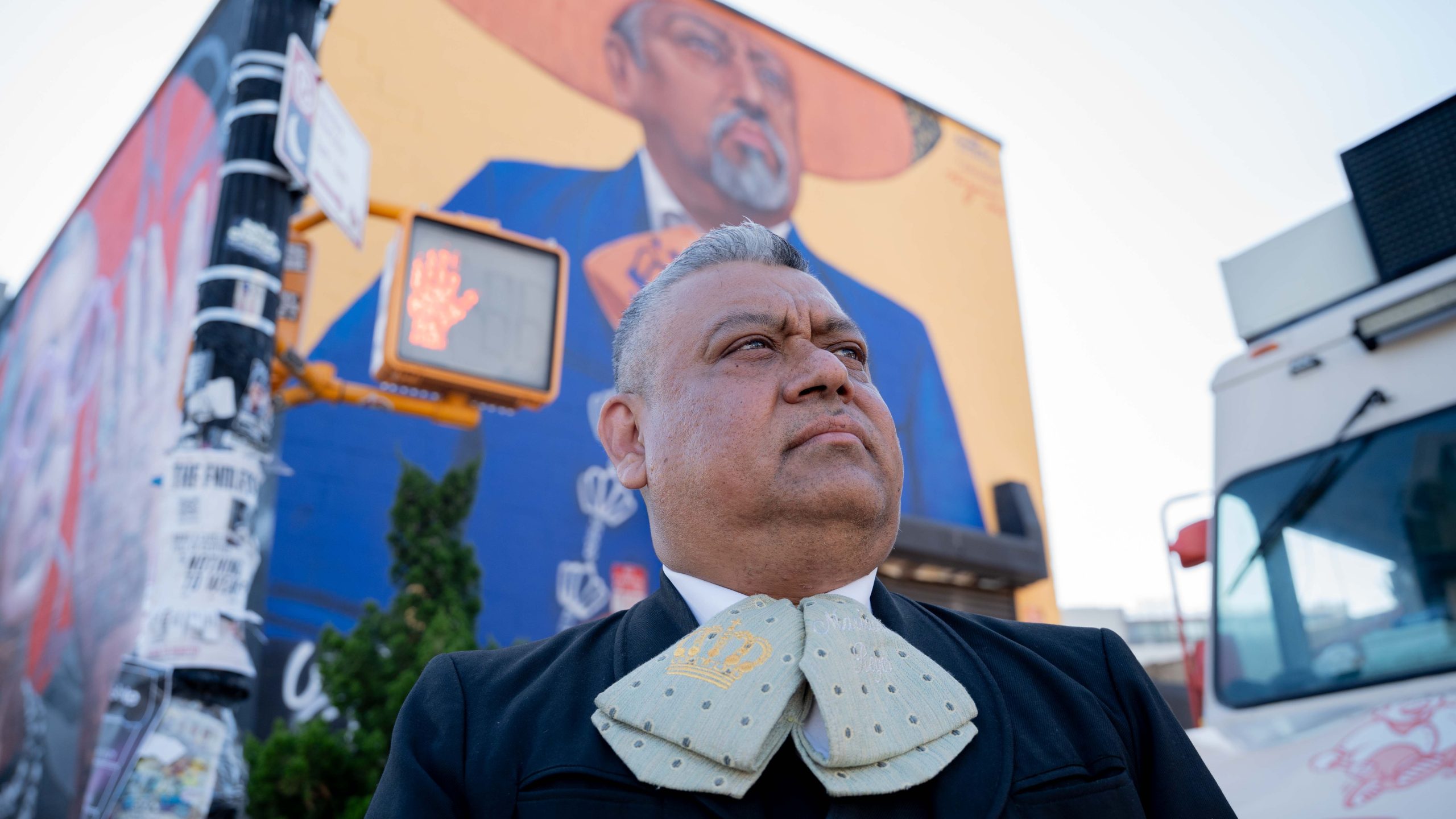
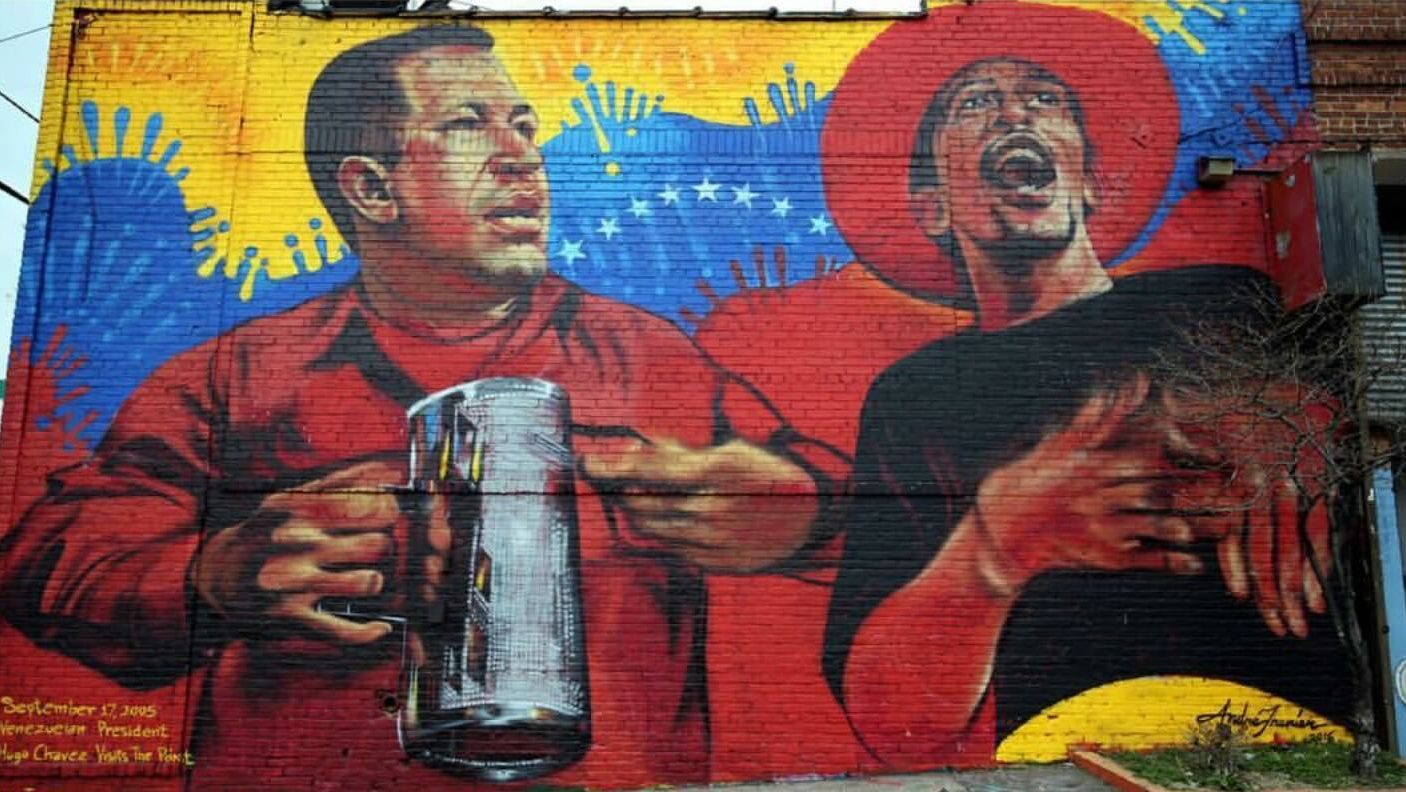
At The Point Community Development Corporation, a local non-profit where a towering mural of Chávez once adorned the outside wall, memories of Chávez’s 2005 visit and the funding he provided elicit fond memories.
“It was a joyous day and us being able to host someone and then having that type of commitment made,” said Maria Torres, president and co-founder of The Point, “I think that it really was a major, major time.”
With funding from the Venezuelan government, Torres says that her organization was able to hire local youth to teach them about the effects of environmental racism in their neighborhood and train them to lead community programs and brainstorm solutions. The 15 teens held town halls and completed other research.
“With our programming, we used it to work with young people and to do advocacy,” she said. “You know, that was extremely helpful, to be able to pay young people with stipends to go out and learn about issues within their community and go out and speak on it.”
In 2017, to commemorate the donations from Venezuela, artist Andre Trenier, a Bronx native, was commissioned to paint a mural of Chávez’s 2005 visit on The Point’s outside wall.
“At The Point, Chávez had said that poor people around the world have more in common with other poor people than they do with rich people,” Trenier said. “I think there’s a solidarity that should be seen in, not just people suffering, but even in just a working-class existence.”
The mural attracted controversy and stood for 10 months before it was vandalized. For Trenier, the defacing of his artwork was painful.
“I’m not gonna act like I don’t take it personally,” he said. “There’s a part of me that lets go of it as soon as I paint it, but I do take pride in it, and I would definitely confront somebody doing something to it.”
In addition to providing grants to grassroots groups, the Venezuelan government brokered a deal with former Congressman José E. Serrano that gave eight million gallons of discounted heating oil to Bronx nonprofit affordable housing developments such as the Mount Hope Housing Company, a sprawling complex of 13 buildings.
Fritz Jean, a Haitian American and the chief executive officer of Mount Hope, told Documented that the home heating oil aid, which was provided at a 40% discount, came at a time when the buildings were in a difficult financial state.
“In the late 90s, many of our buildings had begun to age, and they required capital injection,” he said. “Most of our buildings were oil buildings, and the cost of everything started rising. It became very, very difficult to operate those buildings.”
Jean added that during the Bloomberg administration, the city cut funding for affordable housing subsidies that left the mostly immigrant residents of Mount Hope in a precarious financial situation. The sudden infusion of discounted Venezuelan oil gave Mount Hope enough time to convert its aging heating system to electric, when management would not have been able to afford to do so if they had to pay full price for heating oil, he said.
“It was a lifeline,” Jean said. “From 2007 to 2013 or so, that was a very crucial time for a lot of non-profit groups, because all the expenses started going up. And so getting that amount of oil from them was very helpful.”