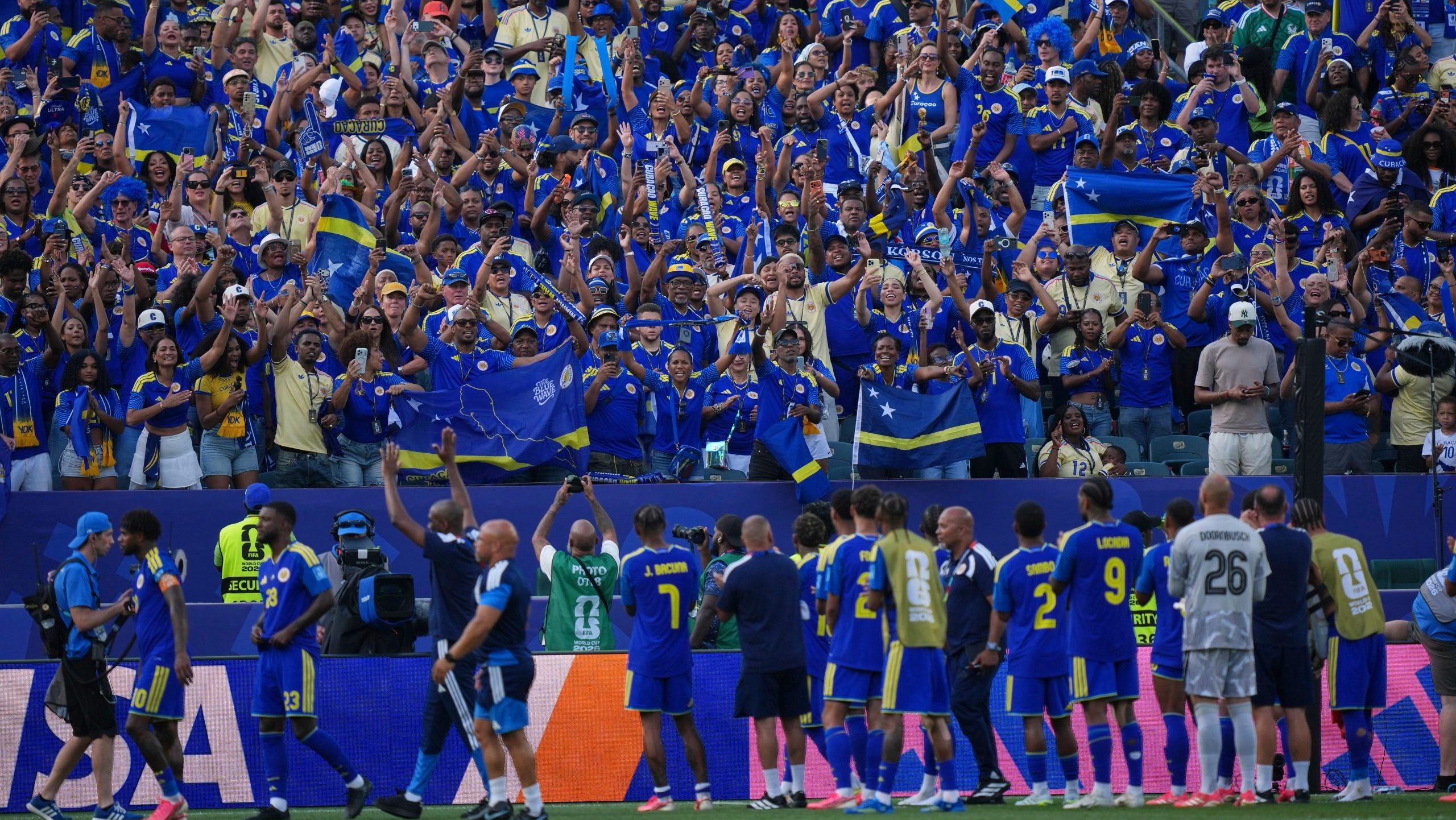


Curaçao may have been knocked out of the World Cup by Ivory Coast, but that hasn’t diminished the pride of Curaçaoan New Yorkers.
This was the first World Cup appearance by the small island country of roughly 158,000, and local fans were thrilled to see their team — known as the “Blue Wave” — on a global stage.
“The fact that they got there [to the World Cup] is putting us on the map,” said Curaçaoan New Yorker Umtala Murrough.

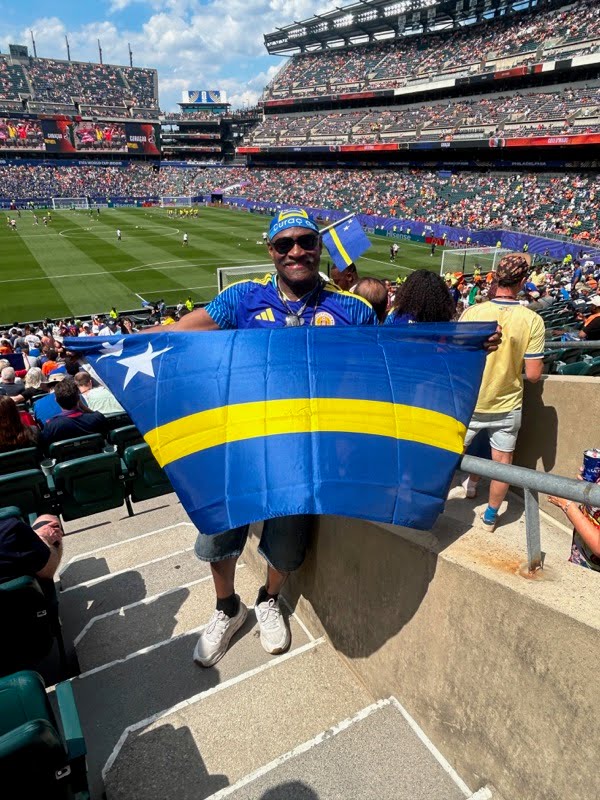
Before this tournament, Murrough usually had to mention the famous Curaçaoan former Major League Baseball Player Andruw Jones to get the country’s name to ring a bell.
“So now it’s going to be like, ‘Oh, they were in the 2026 World Cup!’” Murrough said, anticipating future conversations about her country.
Not only has this been the Caribbean island nation’s first World Cup, but Curaçao is also the smallest country by population to ever participate — the next smallest nation to qualify this year, Cape Verde, boasts a population that is at least 3 times larger than that of Curaçao. While the nation’s small size has been a focal point during Curaçao’s time in the tournament, Murrough felt that it shouldn’t be the sole focus.
“Doesn’t matter, the players are just as great and they have a great coach, so I’m not surprised,” Murrough said about the team’s qualification for the World Cup.
Murrough mentioned that it’s rare to find other Curaçaoans in New York City, as migration outside of Curaçao isn’t common and those who choose to leave usually move to the Netherlands because Curaçaoans have Dutch citizenship.
Kyrie Milton, who was born in Staten Island to a Curaçaoan father, said he has had a personal goal of connecting Curaçaoans and other Dutch Caribbean people living stateside during the World Cup, but he says he’s confident those connections will continue even after the World Cup is over.
“We all have a similar sentiment when it comes to being from the ABC islands [Aruba, Bonaire, Curaçao] and being in New York,” Milton said. “It’s a very interesting feeling because these are people that you don’t necessarily know, that you haven’t grown up with but you know the love is there — you feel it.”
Over the last few weeks, Milton has been adding people to a Dutch-Caribbean diaspora group chat he created long before the Cup for folks who live in the U.S. — and he’s even joined a new one, where he was able to secure tickets for the Curaçao vs. Ivory Coast game in Philadelphia. Milton has also taken his networking IRL (in real life), meeting Curaçaoans who have been visiting New York for the tournament and introducing them to other Dutch-Caribbean peers who live in the city.
Keisha Wiel, a Curaçaoan American from Queens, said the experience of watching Curaçao in the World Cup has been “surreal.”
“We’re [Curaçao] not represented like that,” Weil said of smaller islands like Curaçao. “The [teams] who come from the Caribbean, if you see them represented, it’s going to be Jamaica, maybe Haiti, Puerto Rico, all these other bigger islands, but never us.”
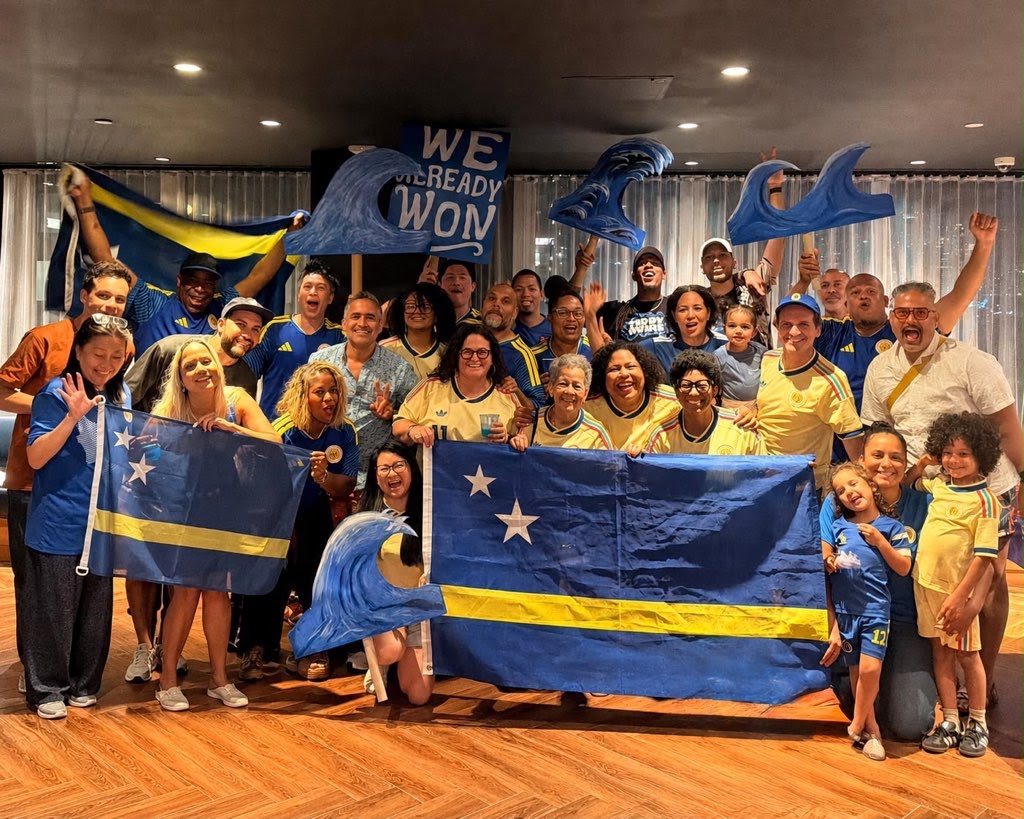
Weil said the World Cup has done a lot to change the perception of Curaçao. What she witnessed was a country that went from being recognized solely as a vacation destination to one that suddenly had a cult following.
“I went to go buy the jersey at the Adidas flagship store on Fifth Avenue and the guys who work there were like, ‘Oh yeah this one is almost sold out,’” Weil said, adding that she was overwhelmed by the support for the Blue Wave.
While the hopes of winning this year’s tournament have been dashed, Curaçaoan New Yorkers say it has still been thrilling to watch their country compete. From seeing the country’s first World Cup goal to watching their team’s goalkeeper set a new record for the most saves made by a goalie during a 90-minute regulation World Cup game, Curaçaoans have had a lot to be excited about.
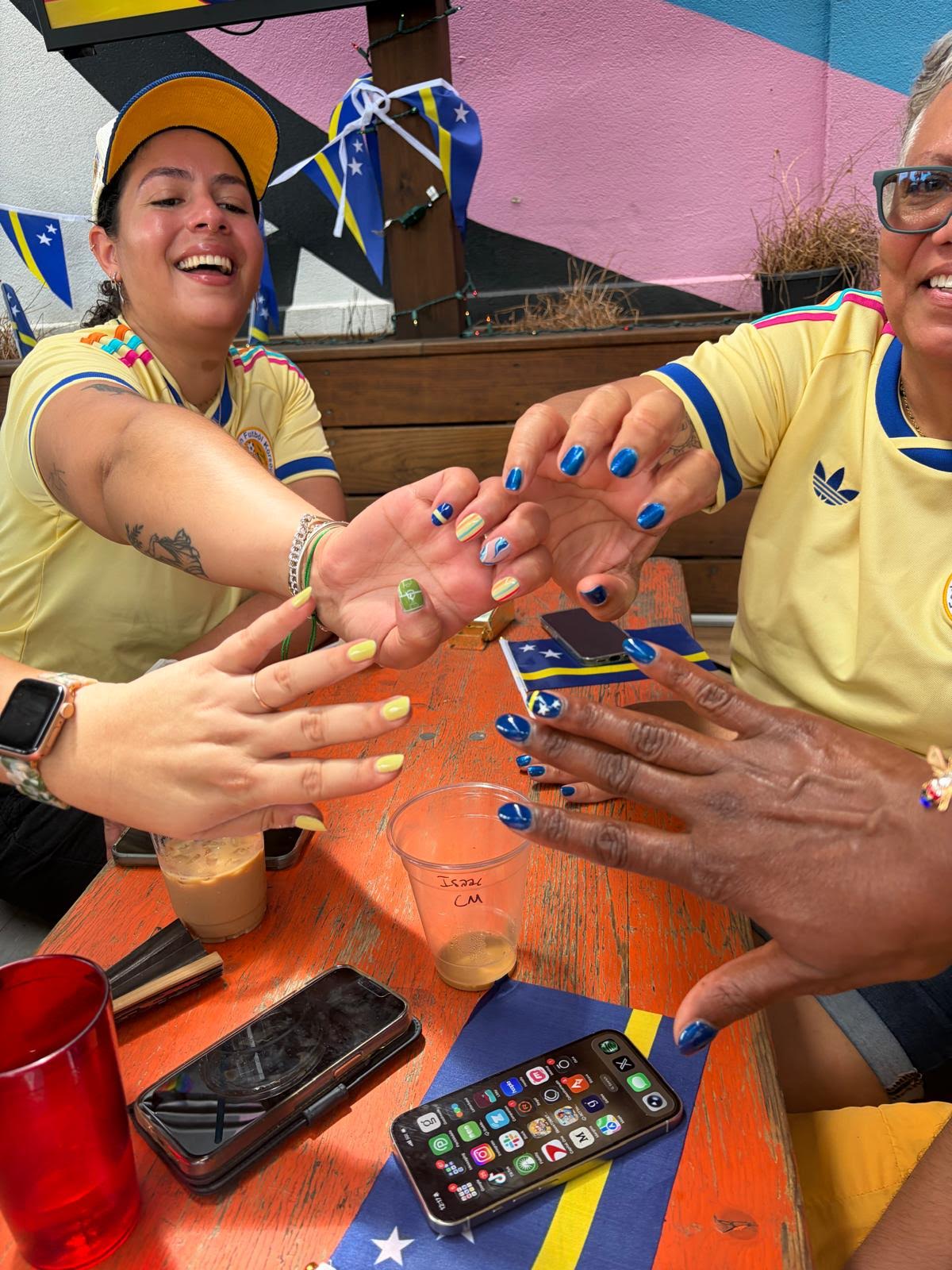
Murrough, a tax analyst who arrived in the U.S. in 2004, traveled to Washington D.C. to meet up with a friend and watch Curaçao’s match against Germany at a bar. Witnessing her team’s first-ever World Cup goal was “electric” and something that she says she will remember forever.
“That was an accomplishment that hadn’t been done in years, so that was phenomenal,” Murrough said.
Even after Curaçao’s heart-wrenching loss to Ivory Coast, Curaçaoans’ spirits could not be dampened.
“Yeah we would have liked to have gone far but despite everything we were able to make it,” Weil said. “It’s only up from here — next four years, you’ll see us again.”