

New York’s 34,000 residential building workers are preparing to take their fight for a new contract to the picket line — and their demands include legal assistance for their immigrant members.
On April 15, the residential building workers, represented by their union, 32BJ SEIU, are set to authorize a strike if ongoing contract negotiations hit a dead end with the Realty Advisory Board on Labor Relations (RAB), which represents the New York City residential real estate industry.
Their current contract is set to expire on April 20. Residential building workers with 32BJ last walked off the job in 1991, with the strike lasting 12 days. If the union authorizes a strike, it would be the largest work action since thousands of city nurses walked off the job in January.

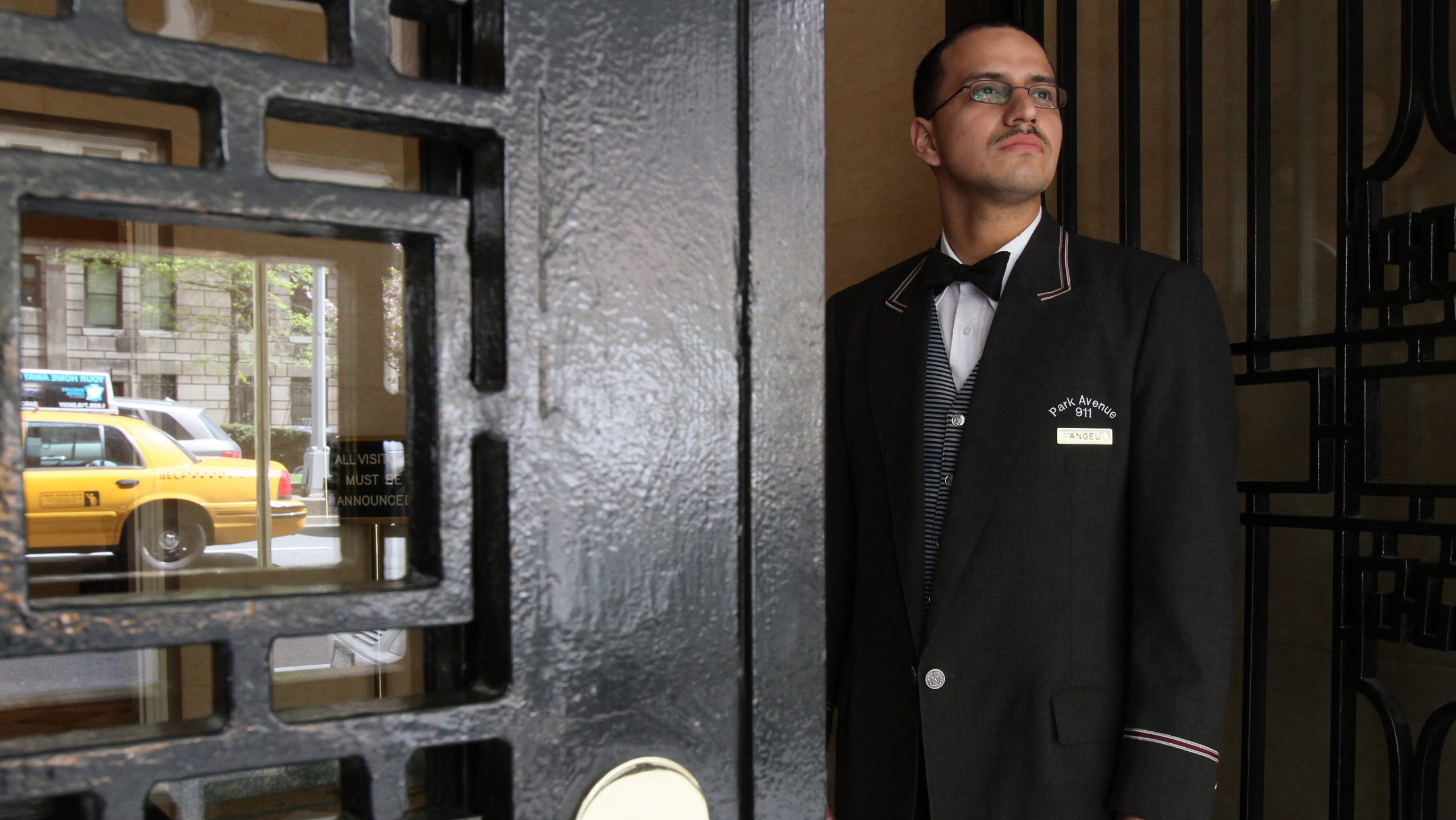
The workers — including doorpeople, porters, supers, handypeople and resident managers at 3,500 condo, co-op and apartment buildings across the five boroughs — are demanding many of the typical items raised during contract negotiations, such as safeguarding their full employer-paid family health care coverage, wage increases tied to cost of living and inflation, paid leave and improved working conditions.
However, the workers, many of whom are immigrants, are also demanding the safeguarding of a unique perk in their contract: the preservation of their legal services fund for immigrants.
First established in 1984, and subsequently present in their current contract which took effect in 2022, union members have access to the Building Service 32BJ Legal Services Fund, an employer-funded benefit that provides free lawyers to assist members and their family members in applying for citizenship, green card renewals, asylum claims, TPS registration, DACA renewals, relative petitions and adjustment of status.
“Many of us are fighting just to stay in the city we serve.”
—Nigel Niles, 63, Grenadian immigrant and handyperson in Brooklyn
The fund covers the cost of immigration-related filing fees and provides know-your-rights training to members on how they may be impacted by new immigration policies. During deportation proceedings, the fund also helps provide members with legal representation.
About 20 years ago, building handyperson Ricardo Buchanan, 69, who originally hails from Jamaica, was able to use the fund to become an American.
“I used it to get my citizenship, many years ago,” he told Documented. “They provided me with legal counsel and stuff like that.”
Now Buchanan says he wants to ensure that those benefits would cover the next generation of immigration building workers.
“We have to continue to educate each other and especially some of the younger folks that come in the union,” he said. “There’s people’s shoulders that we stand on who went to jail, who died to give us this kind of protection, and we have to embrace it and defend it and keep it.”
“There’s people’s shoulders that we stand on who went to jail, who died to give us this kind of protection, and we have to embrace it and defend it and keep it.”
—Ricardo Buchanan, 69, Jamaican immigrant and building handyperson
Bargaining between the union and RAB began on April 5, but the two parties have not yet been able to reach an agreement. In addition to the legal fund being on up in the air, the union says that RAB is demanding other concessions, like shifting the cost of healthcare onto workers via healthcare premium sharing; establishing a two-tier system in which workers hired after April 20 would get paid less; an expansion of temporary workers; and the weakening of labor contract enforcement procedures.
Currently, the average doorperson or porter earns about $62,000 annually and receives benefits like full family health insurance, which includes medical, dental, optical, and prescription drug coverage, with no premium contribution from the employee. Although the union wants to safeguard those benefits, RAB has blamed City Hall for its desire to make cut backs.
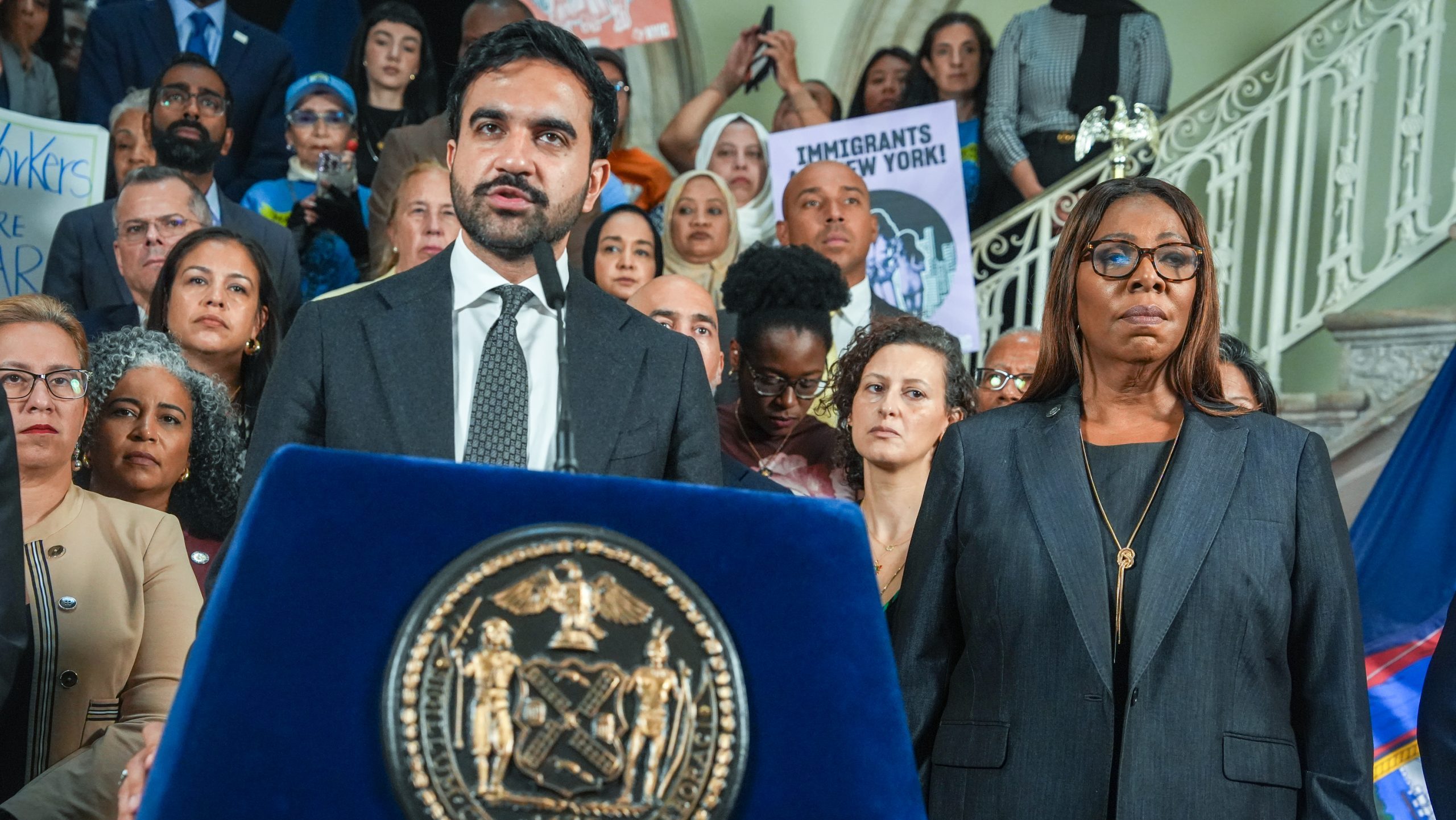
According to RAB, the concessions they are seeking are a direct result of Mayor Zohran Mamdani’s vow to freeze the rent on rent-stabilized apartments. If landlords cannot raise rents, RAB argues, they cannot provide wage increases for their workforce.
“We have a long history of successful collaboration with 32BJ,” said Howard Rothschild, president of RAB. “To keep the industry strong going forward, we must continue to work together to negotiate a fair contract that ensures its long-term sustainability.”
However, 32BJ believes RAB’s proposals have been anything but fair.
“To say that the RAB’s proposal fell far short of what our members need and deserve is an understatement,” said Manny Pastreich, President of 32BJ SEIU in a statement to Documented. “While the skyrocketing cost of living is forcing millions of New Yorkers to cut back on essentials, the booming residential real estate industry wants to raise health care costs, undermine the fabric of our contract with a ‘Tier II’ labor force and expansion of temporary workers, and jeopardize retirement security for thousands of working families.”
Also Read: Access Denied: Tenants Rally Around Beloved Doorman Who Cannot Return to the U.S.
For workers like Nigel Niles, a 63-year-old Grenadian immigrant and handyperson at an apartment complex in Brooklyn, RAB’s proposal would leave him and his family struggling to make ends meet.
“The cost of everything — rent, food, gas, electricity — keeps going up and up,” he said in a statement shared with Documented. “Many of us are fighting just to stay in the city we serve. The RAB’s proposals paint an ugly future for me and for my family. We might have to cut back on essentials like food just to get by.”
If unable to reach an agreement by April 15, the union will hold a formal strike vote and has mobilized over 1,400 strike captains to prep picket operations across the city.